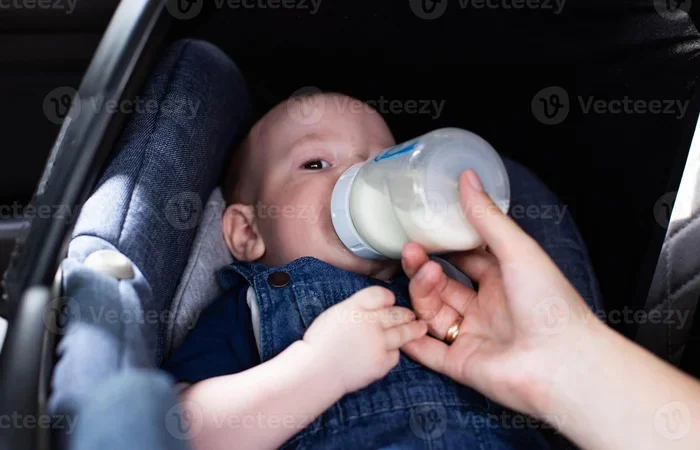
Can You Feed a Baby in a Car Seat Safely and Comfortably
Can you feed a baby in a car seat? The short answer is yes, but with important safety rules. Feeding your baby in a car seat requires careful attention to positioning, food choices, and supervision. This guide covers safe baby feeding practices, best foods, and tips parents can use right away.
Every parent knows the struggle. You are on a road trip, the baby is crying, and hunger is the likely cause. The thought of pulling over feels exhausting. So the question comes up fast. Can you feed a baby in a car seat without putting them at risk? The answer is not a simple yes or no. There are real safety rules, helpful tips, and practical workarounds that every parent should know. This guide breaks it all down in plain language. You will learn what is safe, what is risky, and how to make car rides easier for both you and your baby.
Feeding a baby on the go is a common part of family life. Whether it is a short drive to the grocery store or a long road trip across states, hunger does not wait. Many parents wonder about baby feeding on the go and whether their car seat can double as a feeding spot. The truth is, with the right approach, you can feed your baby safely in a vehicle. But doing it wrong can lead to choking, poor positioning, or even car seat damage. Let us dive into everything you need to know about feeding a baby in a car seat the right way.
Key Takeaways
- Feeding in a car seat is possible but requires strict attention to safety and positioning to reduce risks.
- Always stop the car before feeding liquids or solids to prevent choking and spills.
- Choose soft, easy-to-swallow foods like mashed bananas, yogurt, and small crackers for car rides.
- Never recline the car seat too flat during feeding, as this can restrict breathing.
- Avoid common mistakes like handing loose snacks or feeding while the car is moving.
- Prepare a travel feeding kit with bibs, wipes, bottles, and spill-proof cups before every trip.
- Consult your pediatrician for personalized advice on feeding schedules and food choices for car travel.
📑 Table of Contents
Is It Safe to Feed a Baby in a Car Seat?
The safety of feeding a baby in a car seat depends on several factors. The age of the baby, the type of food, and how the car seat is positioned all matter. Most pediatricians and child safety experts agree on one key rule. Never feed a baby while the car is moving. This is the single most important safety guideline. A moving vehicle creates sudden stops, turns, and bumps. These movements can cause a baby to choke. They can also shift the car seat into an unsafe position.
Understanding the Risks
Car seats are designed to protect babies during travel. They are not designed as feeding stations. When a baby eats in a car seat, several risks come into play. Choking is the biggest concern. A baby who is reclined at an angle can have food go down the wrong pipe. Spills are another problem. Milk, juice, or pureed food can stain and damage the car seat fabric. In worse cases, sticky spills can make the car seat slippery, reducing its safety in a crash.
There is also the issue of car seat positioning. If a baby eats while lying too flat, their airway can become restricted. This is especially true for newborns and young infants. Their neck muscles are still weak. They cannot adjust their head position on their own. So even a small amount of food can block their breathing. Child passenger safety experts strongly advise parents to be aware of these risks before they attempt any feeding in a moving vehicle.
When Feeding in a Car Seat Might Work
There are times when a quick feed in a car seat is okay. If the car is completely stopped, and you are supervising the baby closely, a small snack or a few sips of water may be fine. This works best for older babies who can sit with support. Babies who are at least six months old and have started solids may handle a small snack better than younger ones. But even then, safety comes first. Always keep the car seat at the proper recline angle. Make sure the baby is upright enough to swallow safely.
Some parents use the car seat for a quick bottle feeding during long stops at rest areas. This can work if the baby is held slightly upright and the bottle is supported by a parent. Never prop a bottle in the car seat. Propped bottles are a choking hazard. They also do not allow the parent to control the flow of milk. Baby car seat guidelines from organizations like the American Academy of Pediatrics remind us that active supervision is non-negotiable during any feeding.
When You Might Need to Feed a Baby on the Road
Let us be real. Sometimes you just have to feed the baby in the car. Maybe there is no exit for miles. Maybe the baby is screaming and nothing else is working. Long road trips with a baby can test any parent’s patience. Baby travel feeding becomes a necessary skill in these moments. The key is knowing how to do it as safely as possible.
Common Situations That Lead to Car Seat Feeding
Several real-life situations make car seat feeding tempting. Road trips are the most common one. A family might be hours away from the next rest stop. The baby gets hungry right in the middle of nowhere. Long car rides with a baby can also happen during daily routines. A parent might need to drive the baby to a doctor’s appointment and the baby gets fussy from hunger. In these cases, a quick feed may feel like the only option.
Another situation is early morning or late-night drives. Parents sometimes drive a fussy baby to sleep. But hunger can wake them up right when the parent needs to arrive. Feeding baby while driving might feel like the only solution. However, this is one of the most dangerous practices. A parent who is holding a bottle while driving is distracted. This takes attention away from the road and puts everyone at risk. The best approach is always to stop the car and feed the baby properly before continuing the drive.
How to Plan Ahead for Car Rides
The best way to avoid risky feeding situations is to plan ahead. Before any car trip, check the baby’s feeding schedule. Try to time the drive around nap and feeding times. If the baby usually eats every two hours, plan stops every one and a half hours. This gives you a buffer. Pack a travel feeding kit with everything you need. Include bottles, formula or breast milk in insulated bags, soft snacks, bibs, and cleaning wipes. Being prepared removes the urge to feed in unsafe conditions.
How to Feed a Baby in a Car Seat Safely
If you must feed a baby in or near a car seat, follow these safety steps. They will help reduce risks and keep your baby comfortable. Safe baby feeding in a vehicle is all about preparation and supervision.
Step 1: Stop the Car Completely
This cannot be overstated. Always stop the car before you begin any feeding. Park in a safe spot. Turn off the engine. Make sure the baby is secured in the car seat but not yet buckled in tightly if you need to adjust their position. Once feeding is done, buckle them back in properly. This simple step removes the risk of sudden movement during feeding.
Step 2: Support the Baby’s Head and Back
Young babies cannot hold their own heads up. When feeding, place a small rolled towel or a head support cushion behind the baby’s back. This keeps them slightly upright. The recline angle of the car seat should stay between 30 and 45 degrees. This angle keeps the airway open and makes swallowing easier. Car seat recline angle matters more than most parents realize. Check your car seat manual for the recommended angle for your baby’s age and weight.
Step 3: Choose the Right Food
Not all foods are safe for car seat feeding. Soft, easy-to-swallow options work best. Avoid hard, round, or sticky foods that can cause choking. Pediatric feeding advice from your baby’s doctor is always the best guide. Here are some safe options for babies who are old enough for solids.
- Mashed banana or avocado
- Plain yogurt or applesauce
- Small soft crackers or teething biscuits
- Formula or breast milk in a bottle
- Small sips of water in a spill-proof cup (for babies over six months)
Step 4: Stay With the Baby at All Times
Never leave a baby unattended while eating. This rule applies in the car seat just as much as it does at the dinner table. Distracted driving baby is a real concern. If you are feeding the baby, your full attention should be on the baby. Do not try to multitask. Do not check your phone. Do not start the engine while the baby is eating. Wait until the baby is done, burped, and safely buckled in.
Step 5: Clean Up Right Away
After feeding, wipe the baby’s face and hands with a damp cloth. Check the car seat straps and fabric for any food residue. Crumbs or sticky spots can attract pests and degrade the car seat material over time. A clean car seat is a safe car seat. Keep a small cleaning kit in your trunk for these moments.
Best Foods and Drinks for Car Seat Feeding
Choosing the right food makes a big difference in baby feeding on the go. The wrong food can turn a simple snack into a choking hazard. The right food keeps the baby happy and safe. Here is a closer look at what works best.
Foods That Are Safe and Easy
Soft foods are the gold standard for car seat snacks. They are easy to swallow and less likely to cause choking. Mashed fruits like banana and pear are excellent choices. They are naturally soft and full of nutrients. Yogurt pouches are another great option. They are mess-free and easy for a parent to squeeze into the baby’s mouth. Soft-cooked vegetables like sweet potato or carrot mash also work well.
For babies who are still on milk, a bottle is the safest option. Hold the bottle yourself and let the baby control the pace. Portable baby food in squeeze pouches can be convenient, but always feed it directly to the baby. Never let the baby suck on a pouch unattended in the car seat.
Foods to Avoid in the Car Seat
Some foods are simply not safe for eating in a reclined position. Hard candies, nuts, popcorn, and whole grapes are major choking hazards. These foods are dangerous in any setting, but the risk is higher in a car seat because the baby is reclined. Baby choking hazard foods should always be avoided in moving vehicles, even during stops.
Greasy or sticky foods like chips or gummy snacks are also bad choices. They can leave residue on the car seat straps. Sticky straps can weaken over time and may not hold properly in a crash. Infant car seat safety means keeping the seat clean and free from food buildup.
Common Mistakes Parents Make When Feeding in a Car Seat
Even well-meaning parents can make mistakes when feeding in a car seat. Awareness of these errors can prevent accidents and keep your baby safe.
Mistake 1: Feeding While the Car Is Moving
This is the most dangerous mistake. A car moving at even 30 miles per hour can create sudden forces. If the baby chokes, you cannot react quickly enough while also driving. Always stop the car before any feeding. This one habit can save your baby’s life.
Mistake 2: Using the Car Seat as a High Chair
Car seats are not high chairs. They are safety devices designed for travel. Using them for extended feeding sessions can lead to poor posture and discomfort. Babies should not sit in a car seat for more than two hours at a time, according to most baby car seat rules. Extended feeding sessions can also cause food to press against the car seat straps, making them less effective.
Mistake 3: Propping Bottles or Containers
It might seem convenient to prop a bottle against a stuffed animal or a car seat insert. This is extremely dangerous. A propped bottle can overflow, causing choking. It also removes parental supervision from the feeding process. Baby comfort in car should never come at the cost of safety.
Mistake 4: Ignoring the Recline Angle
Feeding a baby in a car seat that is too flat can compress the chest and restrict breathing. Always keep the car seat at the angle recommended by the manufacturer. If you need to feed the baby, a slight upright adjustment may help. But never alter the car seat’s structure or straps to change the angle.
Expert Tips for Stress-Free Car Travel with a Baby
Traveling with a baby does not have to be stressful. A little planning goes a long way. These expert-backed tips can make your next car ride smoother and safer.
Build a Car Travel Feeding Routine
Babies thrive on routine. Try to keep feeding times consistent, even on the road. If the baby usually eats at 10 a.m., plan your next stop around that time. A predictable routine reduces fussiness and hunger meltdowns. Safe baby travel is easier when both parent and baby know what to expect.
Invest in Travel-Friendly Feeding Gear
A good travel feeding kit makes all the difference. Look for spill-proof cups, portable bibs with snap closures, and insulated milk bags. A small cooler bag can keep formula or breast milk at the right temperature. Feeding accessories for car rides should be easy to clean and quick to grab. Some parents love silicone feeding spoons because they are soft and mess-free.
Take Breaks Every 90 Minutes
Even if the baby is not hungry, plan regular stops. This gives the baby a chance to stretch, move, and reset. It also gives you a chance to check the car seat straps and take a breather. Long car rides with baby are much easier when you build in downtime. Use these stops to check the car seat manual for any car seat maintenance tips, like tightening straps or checking for wear and tear.
Keep the Car Seat Clean and Well-Maintained
A clean car seat is a safe car seat. Food residue can weaken straps and fabric over time. Wipe down the car seat after every feeding. Check the straps for fraying or stretching. Make sure the buckles click properly. If the car seat has been involved in any accident, replace it even if there is no visible damage. Car seat maintenance is a key part of child passenger safety.
Comparison: Feeding in a Car Seat vs. Stopping to Feed
| Factor | Feeding in Car Seat (Moving) | Stopping to Feed |
|---|---|---|
| Safety Level | High Risk | Safe |
| Choking Risk | Very High | Low (with supervision) |
| Car Seat Damage | Possible from spills | Minimal |
| Parent Focus | Split between driving and feeding | Fully on the baby |
| Recommended? | No | Yes |
Quick Tips for Feeding on the Road
- Pack snacks in easy-to-open containers so you can grab them quickly during stops.
- Use a spill-proof sippy cup for any liquids. This prevents messes in the car seat.
- Bring a small blanket to place under the baby during feeding. It catches crumbs and spills.
- Feed the baby before the car ride whenever possible to reduce hunger during travel.
- Keep a change of clothes in the car. Spit-up and food spills happen to every parent.
- Talk to your pediatrician about the best infant nutrition plan for car travel.
Feeding a baby in a car seat is a topic that comes up often among parents. The desire to keep the baby calm and fed during a drive is completely understandable. But safety must always come first. Can you feed a baby in a car seat? Yes, but only when the car is stopped, the baby is supervised, and the right foods are chosen. Every parent wants what is best for their child. Following these guidelines ensures that baby car seat feeding is done the right way. A little planning and awareness can turn a stressful car ride into a smooth and safe experience for everyone in the vehicle.
Remember, there is no shame in pulling over. A five-minute stop to feed the baby is always better than risking their safety. Keep your travel feeding kit stocked. Know your baby’s hunger cues. And when in doubt, reach out to your pediatrician for pediatric feeding advice tailored to your baby’s needs. Safe travels and happy feeding.
Frequently Asked Questions
Can you feed a baby in a car seat while the car is moving?
No. Feeding a baby in a moving car seat is dangerous and not recommended. Sudden stops and turns can cause choking. Always stop the car completely before you begin any feeding. Your full attention should be on the baby during the feeding process.
What is the safest way to feed a baby during a road trip?
The safest way is to pull over at a rest stop or parking area and feed the baby while they are securely in the car seat. Keep the car seat at the proper recline angle. Use soft, easy-to-swallow foods and always supervise the baby closely during the feed.
What foods are safe for a baby to eat in a car seat?
Soft foods like mashed banana, avocado, plain yogurt, applesauce, and small soft crackers are safe options. For younger babies, breast milk or formula in a bottle is the best choice. Avoid hard, round, sticky, or greasy foods that can cause choking or mess up the car seat.
How long can a baby safely sit in a car seat during a long trip?
Most experts recommend that babies should not sit in a car seat for more than two hours at a time. During long trips, take breaks every 90 minutes to let the baby stretch and move. This also gives you a chance to check on feeding and diaper needs.
Is it okay to prop a bottle in the car seat for the baby?
No. Propping a bottle in a car seat is a serious choking hazard. It removes parental supervision and can cause the baby to choke if the milk flows too fast. Always hold the bottle yourself and feed the baby directly.
What should I include in a baby travel feeding kit?
A good travel feeding kit should include bottles, formula or breast milk in an insulated bag, soft snacks, a spill-proof sippy cup, bibs, wet wipes, a small blanket, and a change of clothes. Keeping these items organized in a small bag makes baby feeding on the go much easier and safer.
=== CONCLUSION ===
Can you feed a baby in a car seat? The answer is yes, but only under the right conditions. Safety must always come first. Stop the car, choose soft foods, support the baby’s head, and stay with them the entire time. Avoid common mistakes like feeding while driving or propping bottles. With a little preparation and the right approach, feeding a baby in a car seat can be done safely and comfortably. Keep these tips in mind for your next car ride, and enjoy stress-free travels with your little one.