Does a Toyota Highlander Have Really Good Resale Value
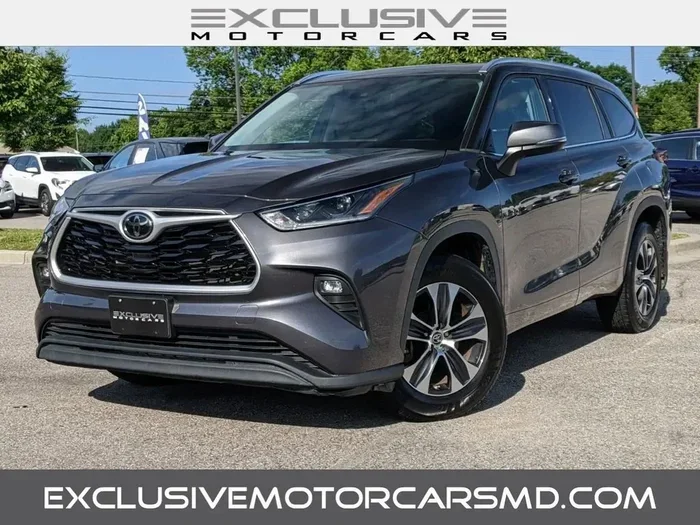
The Toyota Highlander consistently ranks among the top SUVs for resale value. Its combination of reliability, strong brand reputation, and high market demand keeps depreciation low. Whether you own the standard or hybrid version, the Highlander proves it retains value better than most competitors.
When you buy a Toyota Highlander, you are not just buying a car. You are buying peace of mind. And here is the best part: that peace of mind holds its value surprisingly well over time.
The Toyota Highlander resale value has been a topic of conversation among car buyers for years. People want to know if this popular SUV will still be worth something when they decide to sell or trade it in. The short answer is yes, and it is not even close to close. The Highlander consistently outperforms many competitors in the used SUV market.
Whether you are considering buying a new Highlander or already own one, understanding how resale value works can save you thousands of dollars. In this article, we will break down everything you need to know about the Highlander depreciation rate, what factors influence retained value, and how it stacks up against rival SUVs.
So let us dive right in. By the end of this read, you will have a clear picture of why the Toyota Highlander remains one of the smartest purchases for long-term value.
Key Takeaways
- Strong Market Demand: The Highlander is one of the most sought-after used SUVs, which boosts resale prices significantly.
- Low Depreciation Rate: Toyota Highlanders typically lose only about 35-40% of their value over five years, well below the industry average.
- Reliability Builds Trust: Buyers pay a premium for Highlanders because they know the vehicle will last, which directly supports resale value.
- Hybrid Models Hold Value Too: The Highlander Hybrid commands strong resale numbers thanks to fuel efficiency and eco-friendly appeal.
- Maintenance Matters: Keeping up with services like the 000 mile service on a Toyota Rav4 and regular upkeep helps preserve value.
- Certified Pre-Owned Adds Worth: Toyota’s CPO program gives buyers confidence and can improve trade-in offers.
📑 Table of Contents
- Why Does the Toyota Highlander Hold Its Value So Well?
- How Fast Does the Highlander Depreciate?
- Factors That Influence Highlander Resale Value
- Does the Highlander Hybrid Have Better Resale Value?
- Tips to Maximize Your Highlander’s Resale Value
- Expert Insights on Toyota Resale Value
- Final Thoughts on the Toyota Highlander’s Resale Value
Why Does the Toyota Highlander Hold Its Value So Well?
Every car loses value over time. This is called depreciation. But some vehicles lose value faster than others. The Toyota Highlander falls on the slower side of the depreciation curve, and there are several reasons why.
Toyota’s Legendary Reliability
Toyota has built a reputation for building cars that last. When people think of dependable vehicles, Toyota is almost always at the top of the list. This reputation directly impacts the Toyota Highlander resale value because buyers trust what they are getting.
When you buy a used Highlander, you are buying into decades of engineering excellence. The powertrain is proven. The transmission is reliable. The build quality is solid. All of these factors make a used Highlander a smart buy, which keeps demand high and prices stable.
Strong Brand Loyalty and Recognition
Toyota has one of the most loyal customer bases in the automotive world. People who buy Toyotas tend to come back for more. This brand loyalty creates a steady stream of used car buyers, which naturally supports higher resale prices.
The Highlander name carries weight. It signals family-friendly practicality, strong safety ratings, and a vehicle that can handle daily commutes and road trips with equal ease. This brand recognition means the Highlander market demand stays strong year after year.
High Demand in the Used SUV Market
SUVs have always been popular in the United States. The three-row SUV segment is especially competitive, and the Highlander sits comfortably in the middle of it. Buyers who need seating for seven or eight passengers often turn to the Highlander because it offers the right balance of space, comfort, and value.
Because demand remains consistently high, sellers can command better prices for their Highlanders compared to less popular models. This is a key reason the Toyota Highlander retained value remains above average.
How Fast Does the Highlander Depreciate?
Understanding depreciation is essential when evaluating resale value. Depreciation is simply the rate at which a vehicle loses value from the moment you drive it off the lot. Let us look at the numbers.
Five-Year Depreciation Breakdown
On average, a new Toyota Highlander loses about 35% to 40% of its original value within five years. To put this in perspective, the average new car loses around 50% of its value in the same timeframe. That means the Highlander holds onto roughly 60% to 65% of its original price after five years.
Here is a simple comparison:
- Year 0 (New): Full MSRP, typically around $38,000 to $50,000 depending on trim.
- Year 1: Roughly 15% to 20% depreciation. Value drops to around $30,000 to $42,000.
- Year 3: About 30% to 35% depreciation. Value sits around $25,000 to $34,000.
- Year 5: Around 35% to 40% depreciation. Value ranges from $23,000 to $32,000.
- Year 10: Roughly 55% to 60% depreciation. Value holds between $15,000 and $22,000.
These numbers vary based on trim level, mileage, condition, and location. But the overall trend is clear: the Highlander depreciates slower than most SUVs in its class.
How This Compares to Competitors
Let us put this into perspective with a few popular rivals.
- Honda Pilot: Similar reliability, holds about 38% to 42% of its value after five years.
- Chevrolet Traverse: Depreciates faster, often losing around 45% to 50% of value in five years.
- Ford Explorer: Holds value about as well as the Pilot but slightly worse than the Highlander.
- Ford Explorer vs. Highlander: The Highlander typically commands a higher resale price across similar trim levels and mileage brackets.
When you compare the Toyota Highlander resale value side by side with these competitors, the advantage becomes obvious. Toyota simply loses value more slowly, which means more money in your pocket when it is time to sell.
Factors That Influence Highlander Resale Value
Not every Highlander depreciates at the same rate. Several factors can push resale value up or down. Understanding these factors can help you make smarter buying and selling decisions.
Trim Level and Options
The Highlander comes in several trims, from the base LE to the luxurious Limited Platinum. Generally, higher trims hold value better because they offer more features. However, extremely rare or niche trims may not hold value as well simply because fewer buyers are looking for them.
The most popular trims, like the XLE and XSE, tend to have the best resale numbers. They strike the perfect balance between features and affordability, which appeals to the broadest range of used car buyers.
Mileage and Condition
This one is pretty straightforward. Lower mileage Highlanders sell for more. A Highlander with 30,000 miles will command a significantly higher price than one with 80,000 miles, all else being equal.
Condition matters just as much as mileage. A well-maintained Highlander with clean interior, no accidents, and a fresh paint job will always fetch a higher price. Regular Toyota Highlander maintenance is one of the best investments you can make for preserving resale value.
Service History and Maintenance Records
Buyers love proof of care. When you can show a complete service history, buyers feel confident in their purchase. This confidence translates directly into higher resale prices.
Keep all your receipts. Document every oil change, tire rotation, and major service. If you have followed the recommended maintenance schedule, you are in great shape. Following the guidance from resources like do you have to reset after an oil change can help you stay on top of your maintenance routine.
Hybrid vs. Gasoline Models
The Highlander Hybrid has become increasingly popular in recent years. Fuel prices fluctuate, but the general trend favors efficiency. Hybrid Highlanders tend to hold their value slightly better than their gasoline-only counterparts because they offer lower running costs and appeal to eco-conscious buyers.
If you are considering a Highlander, the hybrid version may give you a slight edge when it comes time to sell. The Highlander hybrid resale numbers consistently show a modest premium over gas models.
Location and Market Conditions
Where you live plays a bigger role than you might think. In regions with harsh winters, Highlanders with all-wheel drive tend to hold value better. In warm climates, front-wheel drive models may depreciate slightly faster because AWD is less in demand.
Overall market conditions also matter. During times of supply chain disruption or new car shortages, used car prices rise across the board. The Highlander benefits from these market trends just like any other popular vehicle.
Does the Highlander Hybrid Have Better Resale Value?
The short answer is yes, but the difference is not dramatic. The Highlander Hybrid typically sells for a few hundred to a few thousand dollars more than the equivalent gas model in the used market. This premium comes from the growing demand for fuel-efficient SUVs.
Hybrid technology adds complexity to a vehicle, which some buyers worry about. However, Toyota has a strong track record with hybrid systems. The batteries are designed to last the lifetime of the vehicle, and maintenance costs are comparable to gas models. This reliability factor supports the Toyota Highlander resale value across both powertrain options.
For buyers shopping used, a hybrid Highlander offers the best of both worlds: strong resale value and excellent fuel economy. It is a win-win situation that continues to drive demand in the used market.
Tips to Maximize Your Highlander’s Resale Value
Want to get the most money when you sell your Highlander? Follow these practical tips to keep your vehicle in top shape and maximize its market appeal.
1. Keep Up with Regular Maintenance
Follow Toyota’s recommended maintenance schedule to the letter. Change your oil on time, rotate your tires, and replace filters as needed. A well-documented service history is your best friend when selling.
2. Address Issues Promptly
Do not ignore warning lights or unusual sounds. Small problems become big problems if left unchecked. Fixing issues early keeps repair costs down and prevents damage that could hurt resale value.
3. Keep It Clean Inside and Out
A clean car always sells for more. Regular washing, vacuuming, and interior detailing go a long way. Consider professional detailing before listing your vehicle for sale. The investment pays off in the final sale price.
4. Avoid Modifications
Aftermarket modifications can narrow your buyer pool. Stick with factory options and keep the vehicle as stock as possible. Most buyers prefer a clean, unmodified Highlander.
5. Sell at the Right Time
Timing your sale can make a difference. Spring and early summer tend to be the best seasons to sell SUVs. Buyer demand is higher, and you have more options for listing your vehicle.
6. Consider Certified Pre-Owned
If you are selling a relatively new Highlander, Toyota’s Certified Pre-Owned program adds value. CPO vehicles come with extended warranties and thorough inspections, which gives buyers extra confidence and can support a higher asking price.
Expert Insights on Toyota Resale Value
Industry analysts consistently rank Toyota near the top for resale value. Organizations like Kelley Blue Book and Edmunds regularly place Toyota models, including the Highlander, in their top resale value awards.
According to recent studies, the Toyota Highlander retained value places it in the top 10% of all SUVs sold in the United States. This is a remarkable achievement for a three-row SUV, a segment that typically sees faster depreciation due to higher initial prices and more complex engineering.
Experts also point to Toyota’s strong dealer network and widespread parts availability as factors that support resale value. When buyers know that parts are easy to find and repairs are affordable, they are willing to pay more for a used Toyota. This confidence trickles down to resale prices and keeps the Highlander competitive in the used market.
One thing to keep in mind: the Toyota Highlander depreciation rate can vary by region. In markets where Toyota has a strong presence, Highlanders tend to hold value even better due to the sheer number of buyers familiar with the brand. In areas with less brand exposure, the depreciation rate may be slightly higher, but still favorable compared to most competitors.
Final Thoughts on the Toyota Highlander’s Resale Value
The Toyota Highlander resale value speaks for itself. Over and over again, this SUV proves that it is one of the smartest choices for buyers who care about long-term value. From its legendary reliability to its strong brand reputation, every factor works in favor of the Highlander when it comes time to sell.
Whether you choose the gasoline or hybrid version, the Highlander delivers a driving experience that lasts. And because it holds its value so well, you get more return on your investment than you would with most competing SUVs.
If you are in the market for a used Highlander, you are making a smart move. If you already own one, take comfort in knowing that your vehicle will continue to serve you well and hold its worth for years to come. The Toyota Highlander is not just a great car to drive. It is a great car to own from every angle.
Keep your Highlander well-maintained, drive it with care, and when the time comes to sell, you will be rewarded with a strong resale price that reflects the quality and dependability Toyota is known for. That is the real beauty of owning a Toyota Highlander.
Frequently Asked Questions
What is the average resale value of a Toyota Highlander after 5 years?
A five-year-old Toyota Highlander typically retains about 60% to 65% of its original value. This is significantly better than the industry average of around 50%. Exact numbers depend on trim level, mileage, and overall condition of the vehicle.
Does the Highlander Hybrid hold its value better than the gas model?
Yes, the Highlander Hybrid generally holds its value slightly better. The hybrid powertrain appeals to buyers looking for fuel efficiency, which keeps demand strong in the used market. The difference is usually a few hundred to a few thousand dollars at resale.
How does the Highlander’s resale value compare to the Honda Pilot?
The Highlander and Honda Pilot are close competitors. The Highlander tends to hold value slightly better over five years, though both SUVs perform well in the resale market. The difference is usually modest but in favor of the Toyota.
What trim of the Highlander has the best resale value?
The XLE and XSE trims tend to have the best resale value because they are the most popular among buyers. They offer a great balance of features and price, which creates strong demand in the used market. Extremely high-end trims may not hold value as well due to a smaller buyer pool.
Can I improve my Highlander’s resale value with regular servicing?
Absolutely. Regular maintenance and a complete service history are two of the most important factors in determining resale value. Keeping up with oil changes, tire rotations, and major services like the 000 mile service on a Toyota Rav4 routine shows buyers you have cared for the vehicle properly.
Is a used Toyota Highlander a good investment?
Yes, a used Toyota Highlander is widely considered a solid investment. The vehicle depreciates slowly, has low maintenance costs, and offers strong reliability. These factors combine to make the Highlander one of the best values in the used SUV market.