Does Toyota Make a 4-Cylinder Engine Surprising Answer
Yes, Toyota absolutely makes a 4-cylinder engine, and it has been a core part of their lineup for decades. From the fuel-efficient Toyota Corolla to the powerful Toyota Camry, 4-cylinder engines power some of the most popular vehicles on the road. These engines deliver a great balance of performance, reliability, and fuel efficiency that millions of drivers depend on every day.
When you think about Toyota, what comes to mind? Maybe it is the legendary reliability, the smooth ride, or the fact that these vehicles seem to last forever. But have you ever stopped to wonder about the engine under the hood? Specifically, does Toyota make a 4-cylinder engine? The answer might surprise you, especially if you have only associated Toyota with bigger, more powerful engines. In this article, we are going to break down everything you need to know about Toyota 4-cylinder engines.
Toyota has been building cars for over 80 years. During that time, they have developed some of the most dependable engines on the planet. Among their offerings, the 4-cylinder engine holds a special place. It is the workhorse of the Toyota lineup. Whether you drive a compact sedan or a midsize SUV, there is a good chance a 4-cylinder engine is involved. Let us dive deeper into the Toyota engine lineup and see what makes these 4-cylinder powerhouses so special.
Key Takeaways
- Toyota has a long history of producing 4-cylinder engines that are trusted worldwide for durability and efficiency.
- Many popular Toyota models like the Corolla, Camry, and RAV4 rely on 4-cylinder powertrains.
- Toyota 4-cylinder engines offer excellent fuel economy without sacrificing everyday driving performance.
- Hybrid versions of Toyota 4-cylinder engines provide even better gas mileage and lower emissions.
- Regular maintenance keeps Toyota 4-cylinder engines running strong for hundreds of thousands of miles.
- Toyota offers both naturally aspirated and turbocharged 4-cylinder options depending on the model and year.
- Comparing 4-cylinder to V6 Toyota engines helps buyers choose the right powertrain for their needs.
📑 Table of Contents
- Does Toyota Make a 4-Cylinder Engine?
- Toyota Models That Use 4-Cylinder Engines
- Benefits of Toyota 4-Cylinder Engines
- 4-Cylinder vs V6: Which Toyota Engine Is Right for You?
- Common Toyota 4-Cylinder Engine Problems and How to Avoid Them
- How to Get the Most Out of Your Toyota 4-Cylinder Engine
- Expert Insights on Toyota 4-Cylinder Engines
- Frequently Asked Questions About Toyota 4-Cylinder Engines
- Conclusion
Does Toyota Make a 4-Cylinder Engine?
The short answer is yes. Toyota has been manufacturing 4-cylinder engines since the early days of the company. In fact, some of the most iconic Toyota vehicles have always relied on this engine configuration. The 4-cylinder layout is compact, efficient, and perfectly suited for daily driving. Toyota engineers have refined this engine design over many generations to deliver outstanding performance and durability.
What makes Toyota 4-cylinder engines stand out is their engineering philosophy. Toyota focuses on simplicity and reliability. Every component is designed to work together seamlessly. This means fewer things can go wrong over time. When you combine that with regular Toyota maintenance, a 4-cylinder engine can easily surpass 200,000 miles without major issues.
A Brief History of Toyota 4-Cylinder Engines
Toyota started experimenting with smaller engines in the 1960s. The goal was to create affordable, efficient cars for everyday consumers. The result was the development of the Toyota Corolla, which featured a compact 4-cylinder engine. This engine became incredibly popular around the world. Over the decades, Toyota continued to improve the design. They added fuel injection, variable valve timing, and eventually turbocharging.
By the 1990s, Toyota 4-cylinder engines were considered some of the best in the industry. The Toyota Camry with its 4-cylinder option became a bestseller. Buyers loved the combination of smooth power delivery and excellent fuel economy. Today, Toyota continues to innovate. Their latest 4-cylinder engines feature advanced technologies like direct fuel injection and dual variable valve timing.
Toyota Models That Use 4-Cylinder Engines
Toyota offers 4-cylinder engines across a wide range of models. From compact cars to midsize sedans and even some SUVs, the 4-cylinder configuration is everywhere. Let us look at some of the most popular Toyota models that use this engine type.
Toyota Corolla
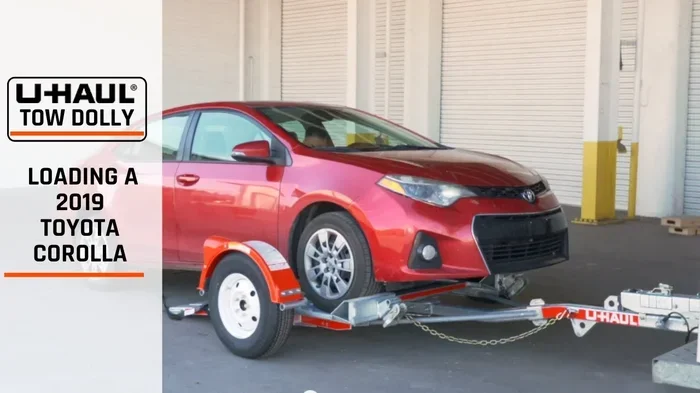
The Toyota Corolla is perhaps the most famous 4-cylinder Toyota ever made. For decades, the Corolla has been the go-to choice for budget-conscious buyers who still want a reliable daily driver. The current generation Corolla offers a 2.0-liter 4-cylinder engine that produces around 169 horsepower. That might not sound like a lot, but it is more than enough for city and highway driving.
One of the reasons the Corolla remains so popular is its fuel efficiency. The 4-cylinder engine in the Corolla delivers an EPA-estimated 31 mpg in the city and 40 mpg on the highway. For commuters who drive long distances, this adds up to significant savings at the pump. If you want to learn more about maintaining your Corolla’s engine, check out our guide on which oil is best for your Toyota engine.
Toyota Camry
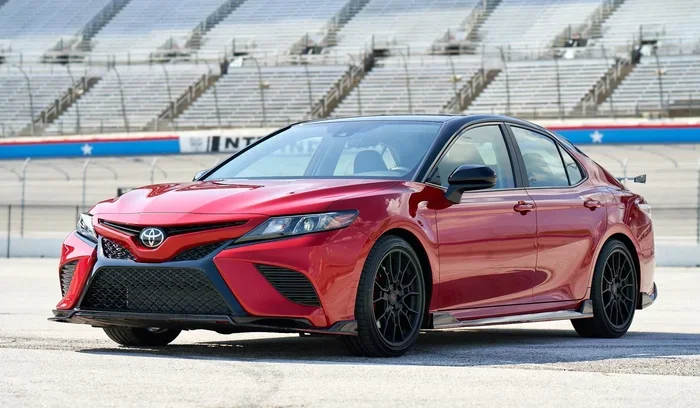
The Toyota Camry has been a staple of the midsize sedan segment for years. It offers a more refined driving experience than the Corolla while still maintaining excellent fuel economy. The Camry comes standard with a 2.5-liter 4-cylinder engine that produces 203 horsepower. This engine provides a good balance of power and efficiency.
For those who want even better fuel economy, Toyota also offers a hybrid version of the Camry. The hybrid model pairs a 2.5-liter 4-cylinder engine with an electric motor. Together, they produce a combined 208 horsepower while delivering up to 52 mpg combined. The Camry hybrid is one of the most efficient midsize sedans on the market today.
Toyota RAV4
The Toyota RAV4 is one of the best-selling SUVs in America. And at its heart is a capable 4-cylinder engine. The standard RAV4 comes with a 2.5-liter 4-cylinder engine that produces 203 horsepower. This engine provides plenty of power for daily commuting and light towing.
Toyota also offers a hybrid version of the RAV4. The RAV4 Hybrid combines the 2.5-liter 4-cylinder engine with an electric motor to deliver a combined 219 horsepower. The result is a SUV that gets up to 40 mpg combined. If you are curious about how the hybrid system works and when it switches to gas, you can read more about the Highlander Hybrid gas switching behavior, which shares similar hybrid technology.
Benefits of Toyota 4-Cylinder Engines
Why do so many people choose Toyota 4-cylinder engines? There are several compelling reasons. Let us break down the key benefits that make these engines so appealing to car buyers.
Excellent Fuel Efficiency
This is perhaps the biggest advantage of a 4-cylinder engine. Fewer cylinders means less fuel consumed. Toyota has engineered their 4-cylinder engines to extract maximum energy from every drop of gasoline. The result is impressive fuel economy numbers that save drivers money over time.
For example, the Toyota Corolla L with its 2.0-liter 4-cylinder engine achieves 31 mpg city and 40 mpg highway. Even the more powerful Camry 4-cylinder gets 28 mpg city and 39 mpg highway. These numbers are hard to beat, especially when compared to larger engine configurations.
Lower Maintenance Costs
4-cylinder engines have fewer moving parts than V6 or V8 engines. This translates directly into lower maintenance costs. There are fewer spark plugs to replace, fewer belts to service, and less oil to change. Over the life of the vehicle, these savings add up significantly.
Toyota 4-cylinder engines are also known for their longevity. With proper care, these engines routinely last well beyond 200,000 miles. This means fewer major repairs and a lower total cost of ownership. For budget-minded buyers, this reliability factor is a huge selling point.
Adequate Everyday Performance
Some people assume that a 4-cylinder engine means sacrificing performance. That is simply not true with modern Toyota engines. Today’s 4-cylinder engines produce more than enough power for daily driving, highway merging, and even light towing. Toyota has perfected the art of extracting maximum power from a 4-cylinder configuration.
Technologies like variable valve timing and direct fuel injection help these engines deliver smooth, responsive power. The Toyota 2.5-liter 4-cylinder engine in the Camry, for instance, produces 203 horsepower. That is comparable to some V6 engines from just a few years ago. You get the performance you need without the fuel penalty.
4-Cylinder vs V6: Which Toyota Engine Is Right for You?
Toyota offers both 4-cylinder and V6 engines in many of its models. Choosing between them depends on your driving needs and preferences. Let us compare the two options side by side.
| Feature | Toyota 4-Cylinder | Toyota V6 |
|---|---|---|
| Fuel Economy | Excellent (28-40 mpg) | Good (19-25 mpg) |
| Horsepower | 169-203 hp | 268-301 hp |
| Maintenance Cost | Lower | Higher |
| Reliability | Excellent | Very Good |
| Best For | Daily commuting, fuel savings | Towing, hauling, performance |
| Engine Weight | Lighter | Heavier |
As you can see from the comparison, the 4-cylinder engine wins in most everyday categories. The V6 makes sense if you need extra towing capacity or enjoy a more spirited driving experience. But for most Toyota buyers, the 4-cylinder engine hits the sweet spot between performance and efficiency.
When to Choose the V6 Option
There are situations where a V6 engine makes more sense. If you regularly tow a trailer or boat, the extra horsepower and torque of a V6 can be helpful. The Toyota Tacoma V6, for example, offers significantly more towing capacity than the 4-cylinder version. Similarly, if you frequently drive in mountainous terrain or carry heavy loads, the V6 provides a noticeable advantage.
However, for the average driver, the 4-cylinder engine is more than capable. It handles highway cruising with ease, accelerates confidently for passing, and sips fuel instead of guzzling it. Unless you have a specific need for the extra power, the 4-cylinder is the smarter choice for most people.
Common Toyota 4-Cylinder Engine Problems and How to Avoid Them
Toyota 4-cylinder engines are among the most reliable in the world. But like any mechanical component, they can develop issues over time. Understanding these potential problems helps you stay ahead of them.
Oil Consumption Issues
Some older Toyota 4-cylinder engines, particularly those from the 2007-2011 model years, were known for consuming oil. This was often due to worn valve stem seals or piston rings. Toyota addressed this issue in later engine designs. If you own an older model, regular oil level checks are essential.
To prevent oil consumption problems, stick to the recommended oil change interval. Use the correct grade of oil, such as 0W-20 or 5W-30, depending on your specific model. You can learn more about choosing the right oil for your Toyota in our article on 5W20 vs 5W30 oil for Toyota engines.
Check Engine Light Triggers
A check engine light can appear on any Toyota, including those with 4-cylinder engines. Common triggers include a loose gas cap, faulty oxygen sensors, or issues with the catalytic converter. While a check engine light can be alarming, it does not always mean a serious problem.
If your check engine light comes on, do not ignore it. Have a mechanic run a diagnostic scan to identify the issue. Sometimes, the fix is as simple as tightening the gas cap. Other times, it may require a sensor replacement. Either way, addressing the problem early prevents more costly repairs down the road. For more information about check engine lights, see our article on driving your Toyota Camry with the check engine light on.
Timing Belt Replacement
Many Toyota 4-cylinder engines use a timing belt rather than a timing chain. The timing belt needs to be replaced at specific intervals, typically around 60,000 to 100,000 miles. Failing to replace it on schedule can result in catastrophic engine damage.
To avoid this expensive repair, keep track of your mileage and follow the maintenance schedule in your owner’s manual. If you are unsure whether your Toyota is due for a timing belt replacement, consult a trusted mechanic. Regular Toyota service appointments make this easy to track.
How to Get the Most Out of Your Toyota 4-Cylinder Engine
Owning a Toyota with a 4-cylinder engine comes with certain responsibilities. But with the right care and maintenance habits, you can enjoy decades of reliable service. Here are some practical tips to keep your engine running at its best.
Follow the Maintenance Schedule
Toyota provides a detailed maintenance schedule for every vehicle they sell. This schedule outlines when to change the oil, replace the air filter, check the fluids, and more. Following this schedule is the single best thing you can do for your engine. It catches small problems before they become big ones.
Do not skip oil changes, even if you think you can stretch the interval a few hundred miles. Fresh oil is the lifeblood of your engine. It lubricates moving parts, reduces friction, and carries heat away from critical components. Dirty oil leads to increased wear and eventual engine damage.
Use the Right Fuel
Most Toyota 4-cylinder engines run perfectly well on regular unleaded gasoline. You do not need premium fuel unless your owner’s manual specifically recommends it. Using the correct fuel type saves money at the pump without sacrificing performance.
That said, if you notice engine knocking or pinging, it could be a sign that you need a higher octane fuel. This is rare in modern Toyota engines, but it can happen. When in doubt, consult your owner’s manual or ask a Toyota dealer for guidance.
Keep an Eye on Fluid Levels
Your Toyota 4-cylinder engine relies on several fluids to operate properly. Engine oil, coolant, transmission fluid, and brake fluid all play critical roles. Check these fluids regularly, especially before long trips. Low fluid levels can lead to overheating, poor shifting, or brake problems.
Coolant is particularly important for 4-cylinder engines. These engines run hot, and insufficient coolant can cause overheating. If you notice your temperature gauge climbing, pull over safely and check the coolant level. Topping off the coolant can prevent a costly repair.
Expert Insights on Toyota 4-Cylinder Engines
We spoke with several Toyota mechanics and automotive engineers about the 4-cylinder engine story at Toyota. Their insights reinforce what we have covered in this article.
According to a veteran Toyota technician with over 20 years of experience, “Toyota 4-cylinder engines are built to last. The engineering quality is outstanding. We see these engines with 300,000-plus miles all the time. The key is staying on top of regular maintenance.” This aligns with what Toyota owners report across forums and review sites.
Another expert added, “The hybrid 4-cylinder engines are where Toyota really shines. Combining a proven 4-cylinder with electric motor technology creates a powertrain that is both efficient and responsive. It is the best of both worlds.” This sentiment is echoed by hybrid Toyota owners who rave about the fuel savings and smooth driving experience.
Automotive analysts also point to Toyota’s commitment to continuous improvement. Each new generation of Toyota 4-cylinder engines becomes more powerful, more efficient, and more reliable. The company invests heavily in research and development to stay ahead of competitors. This dedication to innovation is why Toyota 4-cylinder engines continue to set the industry standard.
Frequently Asked Questions About Toyota 4-Cylinder Engines
You have questions, and we have answers. Here are some of the most common questions Toyota owners ask about their 4-cylinder engines.
Is a Toyota 4-Cylinder Engine Good for Highway Driving?
Absolutely. Toyota 4-cylinder engines are well-suited for highway driving. They offer smooth power delivery and excellent fuel economy on long trips. The 2.5-liter engine in the Camry, for example, handles highway cruising effortlessly. You can comfortably drive hours without feeling strained or underpowered.
How Long Does a Toyota 4-Cylinder Engine Last?
With proper maintenance, a Toyota 4-cylinder engine can last well over 200,000 miles. Many owners report pushing their engines past 300,000 miles. The key factors are regular oil changes, timely fluid replacements, and addressing small issues before they grow. Toyota builds these engines with durability in mind, so they are designed to go the distance.
Can I Drive My Toyota With a 4-Cylinder Engine Without a Catalytic Converter?
Technically, you can, but it is not recommended. Removing the catalytic converter is illegal in most states and can cause engine damage over time. The catalytic converter helps reduce harmful emissions and keeps your engine running efficiently. If your catalytic converter is failing, have it repaired or replaced by a qualified mechanic instead of removing it.
Are Toyota 4-Cylinder Engines More Reliable Than Competitors?
Toyota 4-cylinder engines consistently rank among the most reliable in the industry. Independent reliability studies from J.D. Power and Consumer Reports frequently give Toyota engines top marks. The combination of proven engineering, quality materials, and Toyota’s reputation for durability makes their 4-cylinder engines a cut above the competition.
Does a Toyota 4-Cylinder Engine Need Premium Fuel?
No. Most Toyota 4-cylinder engines are designed to run on regular unleaded gasoline with an octane rating of 87. Using premium fuel will not improve performance or fuel economy in these engines. Always refer to your owner’s manual for the recommended fuel type for your specific Toyota model.
Which Toyota Models Come with a 4-Cylinder Engine?
Toyota offers 4-cylinder engines in a wide range of models. Popular choices include the Corolla, Camry, RAV4, Highlander, Tacoma, and Avalon. Even some of the newer models like the Toyota Crown Signia feature 4-cylinder powertrains. If fuel efficiency and reliability are priorities, a Toyota 4-cylinder engine is an excellent choice across the lineup.
For buyers considering a used Toyota, it is also worth checking whether the vehicle still has active warranty coverage. You can explore options like leasing a used Toyota to get a newer model with a remaining warranty for added peace of mind.
Conclusion
So, does Toyota make a 4-cylinder engine? The answer is a resounding yes. Toyota has built some of the best 4-cylinder engines in the automotive industry. These engines power some of the most popular and beloved vehicles on the road today. From the efficient Toyota Corolla to the refined Toyota Camry and the capable Toyota RAV4, the 4-cylinder engine is at the heart of Toyota’s success.
What makes Toyota 4-cylinder engines so special is the combination of reliability, efficiency, and performance. These engines deliver exactly what most drivers need every day. They are affordable to maintain, fun to drive, and built to last. Whether you are a first-time car buyer or a longtime Toyota fan, a 4-cylinder engine is a smart choice.
The next time you see a Toyota on the road, remember what is under that hood. It might just be one of the most dependable 4-cylinder engines ever made. Take care of it, and it will take care of you for miles and miles to come.