Car Steering Wheel Controls That Make Driving Easier
Car steering wheel controls let you adjust audio, cruise control, and phone calls without taking your hands off the wheel. These steering wheel buttons boost safety, comfort, and convenience on every drive. Whether you drive a sedan or an SUV, multifunction steering wheel features make your time behind the wheel smoother and more enjoyable.
Have you ever wondered why modern cars come packed with buttons right on the steering wheel? The answer is simple. Car steering wheel controls make driving safer, easier, and way more convenient. You can change the radio station, adjust the volume, answer a phone call, or even set cruise control without moving your hands from the wheel. These small but mighty features have transformed how we interact with our vehicles.
If you have ever driven a car without steering wheel buttons, you know how annoying it can be. You fumble with the radio dial. You reach for your phone. You take your eyes off the road. That is exactly what steering wheel controls are designed to prevent. They keep your hands where they belong and your eyes on the road ahead.
In this guide, we will walk you through everything you need to know about steering wheel buttons. We will cover the different types, how they work, common problems, and even how to upgrade them. Whether you are a new driver or a seasoned road warrior, this article has something useful for you.
Key Takeaways
- Hands-Free Safety: Car steering wheel controls let you manage calls and audio without removing your hands from the wheel.
- Better Driving Focus: Steering wheel-mounted controls reduce distractions and help you stay alert on the road.
- Multiple Control Types: From volume buttons to adaptive cruise paddles, there are many types of steering wheel functions to explore.
- Easy Upgrades: You can add or upgrade steering wheel controls in most vehicles with aftermarket kits.
- Common Issues Are Fixable: Problems like unresponsive buttons often have simple troubleshooting solutions at home.
- Maintenance Matters: Regular cleaning and inspection keep your steering wheel controls working smoothly for years.
📑 Table of Contents
- What Are Car Steering Wheel Controls?
- Types of Car Steering Wheel Controls
- How Steering Wheel Controls Make Driving Safer
- Common Steering Wheel Control Problems and Fixes
- How to Choose the Right Steering Wheel Controls
- Upgrading Your Steering Wheel Controls
- Maintaining Your Steering Wheel Controls
- Conclusion
What Are Car Steering Wheel Controls?
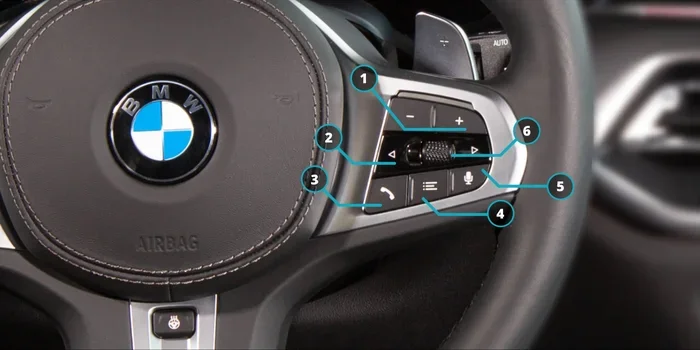
Car steering wheel controls are buttons, knobs, and paddles built into the steering wheel. They let you operate various car functions without reaching for the dashboard or center console. Think of them as shortcuts that keep your hands on the wheel and your focus on driving.
Most modern vehicles come with multifunction steering wheel setups. These include a mix of buttons, scroll wheels, and toggles. Each one serves a specific purpose. Some are for audio. Some are for phone calls. Others manage cruise control or even the infotainment system.
The beauty of steering wheel-mounted controls is their simplicity. You do not need to read a manual to figure out how to turn up the volume. A quick tap or twist is all it takes. These controls are designed to be intuitive and easy to use.
Why Steering Wheel Controls Matter
Driving distraction is one of the leading causes of accidents on the road. When you take your eyes off the road for just two seconds, your crash risk doubles. Steering wheel buttons help you avoid that dangerous distraction.
Here is why they are so important:
- They keep your hands on the wheel at all times.
- They reduce the need to look away from the road.
- They allow quick adjustments while driving at highway speeds.
- They support hands-free calling and voice activation.
- They make long drives more comfortable by minimizing repetitive movements.
Even if your car is older, you can still benefit from steering wheel control features. Many aftermarket options are available that work with a wide range of vehicles. We will talk more about that later.
Types of Car Steering Wheel Controls
Not all steering wheel controls are the same. Different cars offer different features depending on the model, trim level, and year. Let us break down the most common types you will find.
Audio Controls
Audio steering wheel controls are the most common type. They usually include buttons for volume up and down, track skip, and mute. Some steering wheels have a scroll wheel that lets you browse through playlists or radio stations smoothly.
These controls connect to your car’s audio system. Whether you are listening to the radio, a CD, or Bluetooth music, the volume control steering wheel buttons let you adjust the sound quickly. No more reaching for the dashboard radio while driving on a busy highway.
Cruise Control Buttons
Adaptive cruise control steering wheel buttons are a game-changer for long road trips. They let you set and adjust your cruising speed without touching the gas pedal. You can increase or decrease the speed with simple button presses.
Some advanced systems include stop-and-go functionality. This means the car will slow down when traffic ahead slows and speed back up when the road clears. All of this is managed through steering wheel cruise controls.
Phone and Communication Controls
Hands-free calling is one of the biggest benefits of car steering wheel controls. A dedicated phone button on the steering wheel lets you answer or end calls with a single press. Some systems support voice dialing, so you never even need to touch your phone.
These controls work with both Bluetooth and wired connections. They integrate with your phone’s calling system, making it easy to stay connected while keeping your eyes on the road.
Infotainment and Display Controls
Many newer cars put the infotainment screen controls right on the steering wheel. You might find buttons for navigating through menus, adjusting the display brightness, or switching between different screen views.
Some vehicles use steering wheel paddle controls for things like switching between radio and navigation. These paddles are usually located behind the steering wheel on both sides. They work like paddle shifters in automatic transmissions but serve a different purpose.
Heated Steering Wheel Controls
In colder climates, heated steering wheel controls are a welcome feature. A button on the steering wheel activates heating elements built into the wheel. This keeps your hands warm and comfortable during winter drives.
Heated steering wheels are especially popular in trucks and SUVs. They add a touch of luxury and comfort that many drivers come to rely on once they have experienced it.
Comparison Table: Types of Steering Wheel Controls
| Control Type | Primary Function | Common in |
|---|---|---|
| Audio Controls | Volume, track skip, mute | All modern vehicles |
| Cruise Control Buttons | Set speed, adjust speed | Sedans, SUVs, trucks |
| Phone Controls | Answer calls, voice dial | Bluetooth-enabled cars |
| Infotainment Controls | Menu navigation, display settings | New model year vehicles |
| Heated Wheel Controls | Activate steering wheel heat | Cold climate vehicles |
| Paddle Controls | Infotainment switching, gear mode | Performance and luxury cars |
How Steering Wheel Controls Make Driving Safer
Safety is the number one reason to appreciate car steering wheel controls. When you do not have to reach for buttons on the dashboard, you stay more focused on the road. This simple change can make a big difference in how safely you drive.
Studies show that hands-free driving features reduce the risk of distracted driving accidents. Even a quick glance at the radio dial can be enough to miss a hazard ahead. Steering wheel controls eliminate that risk by keeping all essential functions within arm’s reach of your fingertips.
The Science Behind Steering Wheel Controls and Safety
Driving requires constant attention. Your eyes need to scan the road. Your hands need to stay steady on the wheel. Your brain needs to process information quickly. Every second you spend looking away from the road is a second you are not reacting to potential dangers.
Steering wheel-mounted controls shrink the time it takes to perform common tasks. Adjusting the volume takes one second with a button press. It might take five seconds if you have to find the knob on the dash. That difference adds up fast, especially at highway speeds.
Here is how steering wheel buttons improve safety in real-world driving:
- Faster response times because controls are always within reach.
- Less visual distraction since you do not need to look away from the road.
- Reduced cognitive load because tasks become simpler and more automatic.
- Better lane discipline since your hands stay in the proper driving position.
- Fewer abrupt movements that can throw off your vehicle’s stability.
The adaptive cruise control steering wheel is a perfect example of how these controls enhance safety. You can maintain a safe following distance without constantly adjusting your speed manually. The car does the work for you, and you stay in control through the steering wheel buttons.
Common Steering Wheel Control Problems and Fixes
Like any electronic feature in your car, steering wheel controls can sometimes act up. The good news is that most problems are easy to fix. Let us look at the most common issues and how to solve them.
Unresponsive Buttons
If your steering wheel buttons not working, do not panic right away. The most common cause is dirt and grime buildup. Over time, crumbs, dust, and moisture can get under the buttons and interfere with their electrical connections.
Try cleaning the buttons first. Use a soft cloth dampened with a small amount of rubbing alcohol. Gently wipe around each button. Do not use too much liquid. You do not want moisture getting into the steering column.
If cleaning does not help, the next step is to check the wiring. The steering wheel control wiring harness runs through the steering column. Over time, this wiring can become loose or damaged, especially in older vehicles.
Buttons That Work Intermittently
Intermittent problems are frustrating but common. If a button works sometimes and not others, the issue is likely a loose connection. The steering wheel control module sits behind the steering wheel and connects to the buttons through a clockspring.
The clockspring is a thin, ribbon-like cable that allows the steering wheel to rotate while maintaining electrical contact. When the clockspring wears out, buttons can start acting up. Replacing a clockspring is a relatively affordable repair that a mechanic can handle quickly.
Resetting Steering Wheel Controls
Sometimes the simplest fix works. If your steering wheel controls reset is needed, try disconnecting the car battery for a few minutes. This clears the electrical system and can resolve many electronic glitches.
After reconnecting the battery, test each button. If the problem persists, consult your vehicle’s owner manual. Many cars have a reset procedure specific to the infotainment system and steering wheel controls.
When to See a Professional
While many steering wheel control issues are DIY-friendly, some problems need professional attention. If you notice any of the following signs, it is time to visit a mechanic:
- Multiple buttons stop working at once.
- The horn stops working along with other buttons.
- Warning lights appear on the dashboard related to the steering system.
- You smell burning or notice frayed wires near the steering column.
- The steering wheel feels loose or unstable after a repair attempt.
Do not ignore these signs. Steering wheel controls are connected to important safety systems. A qualified technician can diagnose and fix the problem safely.
How to Choose the Right Steering Wheel Controls
If you are shopping for a new car or planning an upgrade, choosing the right steering wheel control features matters. Not all systems are created equal, and some offer far more functionality than others.
Consider Your Driving Habits
Think about how you use your car most often. Do you take long highway trips? You will benefit greatly from adaptive cruise control steering wheel buttons. Do you listen to a lot of music? High-quality audio steering wheel controls should be at the top of your list.
If you spend a lot of time in city traffic, phone controls and infotainment navigation buttons become especially useful. Traffic can be stressful, and any feature that reduces your need to fumble with a phone makes a real difference.
Check Compatibility
Not every steering wheel control works with every car. Before buying any aftermarket steering wheel controls, check that they are compatible with your vehicle’s make, model, and year. Many manufacturers offer universal kits, but some are designed for specific brands only.
Look for kits that include a wiring harness adapter. This makes installation much easier and helps ensure everything works correctly from day one.
Think About Ease of Use
The best steering wheel buttons are the ones you can use without thinking. Look for controls that are clearly labeled and easy to reach. Some steering wheels have too many buttons crammed together, which makes it hard to find the right one by feel.
Tactile feedback matters too. A button that clicks clearly when pressed is much better than a smooth button that you have to look at to confirm you pressed it. You want controls you can use while keeping your eyes on the road.
Budget Considerations
Basic steering wheel controls like volume and cruise buttons come standard in most cars. Advanced features like heated steering wheels, paddle shifters, and infotainment controls may come at a higher price point.
Set a realistic budget before shopping. Remember that even simple steering wheel buttons add tremendous value to your driving experience. You do not need the most expensive system to enjoy the benefits.
Upgrading Your Steering Wheel Controls
If your current car does not have the steering wheel controls you want, upgrading is often possible. Aftermarket kits are widely available and can transform an older vehicle into something that feels modern and connected.
Universal steering wheel control kits are the most popular option. These kits include a control module, wiring harness, and sometimes a new steering wheel cover with integrated buttons. The module connects to your car’s existing audio and cruise systems, adding new functionality through the steering wheel.
Installation varies depending on the kit and your vehicle. Some kits are plug-and-play and can be installed in under an hour. Others may require professional installation, especially if they involve replacing the entire steering wheel or integrating with the infotainment system.
Before purchasing any upgrade kit, check online forums for your specific car model. Other owners often share their experiences and can recommend the best kits for your vehicle. This saves you time and money by avoiding products that do not work well with your car.
Popular Upgrade Options
Here are some popular steering wheel control upgrades that drivers love:
- Bluetooth audio steering wheel controls for wireless music management.
- Steering wheel paddle shifters for manual gear selection in automatic cars.
- Voice-controlled steering wheel buttons that work with phone assistants.
- Heated steering wheel kits for cold weather comfort.
- Multifunction steering wheel covers that add buttons to stock wheels.
Each upgrade brings its own set of benefits. Choose the ones that match your driving needs and lifestyle the best.
Maintaining Your Steering Wheel Controls
Once you have great steering wheel buttons, you want them to last. Proper maintenance keeps everything working smoothly and prevents premature wear.
Start with regular cleaning. Wipe down your steering wheel and buttons at least once a week. Use a mild automotive cleaner and a microfiber cloth. Avoid harsh chemicals that can damage the plastic and rubber surfaces of the steering wheel.
Pay attention to the areas around the buttons. Dirt and oils from your hands can build up over time and make buttons less responsive. A quick wipe-down during your regular car wash routine goes a long way.
Check the wiring connections periodically. If you notice any buttons acting funny, address the problem early before it becomes a bigger issue. Early intervention can save you from costly repairs down the road.
Quick Tips for Steering Wheel Control Maintenance
- Clean buttons weekly with a damp microfiber cloth.
- Avoid eating over the steering wheel to prevent crumb buildup.
- Check wiring connections during routine oil changes.
- Use protective steering wheel covers to reduce wear on buttons.
- Address issues immediately before they worsen.
- Keep your owner manual handy for troubleshooting guidance.
Taking care of your steering wheel-mounted controls is one of the easiest ways to keep your car feeling great. A little maintenance goes a long way toward a better driving experience.
Conclusion
Car steering wheel controls are one of the most useful features in any modern vehicle. They make driving safer, more comfortable, and more enjoyable. From audio adjustments to cruise control and hands-free calling, these steering wheel buttons do the heavy lifting so you can focus on the road.
Whether you are dealing with a problem, shopping for a new car, or considering an upgrade, understanding your steering wheel controls empowers you as a driver. You now know the different types, common issues, maintenance tips, and upgrade options available to you.
Take some time to explore the steering wheel controls in your current vehicle. Try each button and learn what they do. You might discover features you have been overlooking. And if your car is older and missing these conveniences, remember that upgrades are always an option.
The road ahead is full of possibilities. With the right steering wheel controls, every drive becomes a little easier, a little safer, and a lot more enjoyable. Happy driving.
Frequently Asked Questions
What do steering wheel controls do?
Car steering wheel controls let you operate audio, cruise control, phone calls, and infotainment features without taking your hands off the wheel. They are designed to keep you focused and safe while driving.
Can I add steering wheel controls to an older car?
Yes, you can. Universal aftermarket steering wheel control kits are available for most vehicles. These kits are relatively easy to install and can add modern functionality to older cars.
Why are my steering wheel buttons not working?
The most common reasons are dirt buildup, loose wiring, or a faulty clockspring. Cleaning the buttons and checking the wiring connections often solves the problem. If not, a mechanic can diagnose the issue for you.
Are steering wheel controls hard to install?
Many steering wheel control kits are designed for easy DIY installation. Plug-and-play options require no special tools or expertise. More complex upgrades may benefit from professional installation.
Do steering wheel controls reduce driving distractions?
Absolutely. Steering wheel-mounted controls keep your hands on the wheel and your eyes on the road. They reduce the need to reach for dashboard buttons or look at your phone while driving.
How much does it cost to upgrade steering wheel controls?
Aftermarket steering wheel control kits range from affordable to premium, depending on the features. Basic kits are budget-friendly, while advanced systems with heated wheels or paddle shifters cost more. The investment is worth the added convenience and safety.