Everything You Need to Know About Car Light Remote Control
A car light remote control lets you manage your vehicle’s lighting from a distance with just a press of a button. Whether you want to flash your headlights, control LED strips, or dim your interior lights, a remote makes it effortless. This guide covers how these systems work, the different types available, and how to pick the right one for your car. You’ll also learn installation tips, common mistakes to avoid, and expert advice to get the most out of your setup. Read on to become a pro at managing your car lights remotely.
Have you ever wished you could control your car lights without getting out of the vehicle? A car light remote control makes this possible. It is a small device that lets you manage your vehicle’s lighting system from a distance. Whether you drive a sedan, truck, or SUV, these remotes add a layer of convenience and style to your daily drive.
In this guide, we will walk you through everything you need to know. We will cover how these remotes work, the different types available, and how to choose the best one for your car. You will also find practical installation tips and answers to common questions. By the end, you will feel confident picking and using a vehicle light remote control system.
The world of automotive lighting has changed a lot in recent years. Old-school toggle switches and manual knobs are giving way to wireless systems. Today, drivers want more control over their car’s lighting. A wireless remote for car lights delivers exactly that. It puts the power of your vehicle’s lights right at your fingertips.
Key Takeaways
- Easy Operation: A car light remote control gives you instant access to your vehicle’s lights without touching the dashboard.
- Multiple Types Available: From basic infrared remotes to advanced RF and smart app-controlled systems, there is an option for every budget.
- Boosts Safety and Convenience: You can signal other drivers, illuminate your path, or set the mood inside your car with ease.
- Simple Installation: Most systems are plug-and-play and do not require professional help or major wiring changes.
- Battery and Range Matter: Always check the remote’s battery life and signal range before purchasing.
- Maintenance Keeps It Working: Regular cleaning and battery replacement will extend the life of your remote control system.
📑 Table of Contents
- What Is a Car Light Remote Control?
- How Does a Car Light Remote Control Work?
- Types of Car Light Remote Controls
- Benefits of Using a Car Light Remote Control
- How to Choose the Right Car Light Remote Control
- Installation and Setup Tips
- Common Mistakes to Avoid
- Expert Tips for Getting the Most Out of Your Car Light Remote Control
- Troubleshooting Common Issues With Car Light Remote Controls
- Maintenance Tips for Long-Lasting Performance
- Conclusion
What Is a Car Light Remote Control?
A car light remote control is a handheld device that sends a signal to a receiver installed in your vehicle. This receiver then activates or adjusts the lights based on the command you give. Think of it as a universal remote, but specifically designed for your car’s lighting system.
These remotes can control many different lights. They can manage your headlights, taillights, interior lights, and even aftermarket LED strips. Some advanced systems also control fog lights, underglow, and accent lighting. The goal is simple: give you hands-free control over your car’s illumination.
Most car light controller devices come with a small receiver box. You install this box into your vehicle’s existing wiring. The remote then communicates with the receiver using infrared or radio frequency signals. This setup is straightforward and works with most vehicle models.
How Does It Connect to Your Vehicle?
The car light remote system connects to your vehicle through a simple wiring process. The receiver taps into your car’s existing light circuits. It does not replace your factory switches. Instead, it works alongside them. This means you can still use your normal controls. The remote simply adds an extra layer of convenience.
Once installed, every time you press a button on the remote, the receiver picks up the signal. It then sends power to the appropriate lights. The whole process happens in milliseconds. You will not notice any delay between pressing the button and the lights responding.
How Does a Car Light Remote Control Work?
Understanding how a wireless car light switch works is simpler than you might think. The system has two main parts: the remote and the receiver. Let us break down how each part functions.
The Remote Control
The remote is the part you hold in your hand. It has buttons that correspond to different lighting functions. When you press a button, the remote sends a signal. This signal can be infrared or radio frequency, depending on the model.
Infrared remotes need a clear line of sight. You must point the remote at the receiver for it to work. Radio frequency remotes do not have this limitation. They can send signals through walls, seats, and other obstacles. This makes RF remotes more convenient for everyday use.
The Receiver Unit
The receiver is the brain of the system. It is a small box that you install inside your car. It connects to your vehicle’s wiring harness. When it receives a signal from the remote, it triggers the corresponding lights. Some receivers also have built-in memory. This means they remember your last settings even after you turn off the car.
The car light remote frequency varies by model. Most common frequencies are 315 MHz and 433 MHz. Make sure your remote and receiver match in frequency. If they do not, the system will not work properly.
Signal Range and Response Time
One important factor is the car light remote range. Most remotes work from 10 to 100 feet away. Higher-end models can reach up to 500 feet or more. The range depends on the signal type and any obstacles between the remote and receiver.
Response time is also crucial. Good car light remote systems respond almost instantly. You press a button, and the lights change right away. If there is a noticeable delay, it could indicate a problem with the receiver or the batteries in the remote.
Types of Car Light Remote Controls
Not all automotive lighting remote systems are the same. There are several types available on the market. Each type has its own strengths and ideal use cases. Let us look at the most common options.
Infrared (IR) Remotes
Infrared remotes are the most basic type. They use a beam of light to send signals. You need to point the remote directly at the receiver. These remotes are affordable and widely available. They work well for simple functions like turning lights on and off.
However, IR remotes have limitations. They do not work well in bright sunlight. The signal can also be blocked by objects between the remote and receiver. If you need a simple, budget-friendly option, an IR remote is a solid choice.
Radio Frequency (RF) Remotes
Radio frequency remotes are more advanced and versatile. They do not require line of sight. You can keep the remote in your pocket or glove box and still control your lights. This makes RF remotes much more convenient for daily use.
Most aftermarket LED car light kit systems come with RF remotes. They offer a wider range and better reliability. If you want a hands-free experience, RF is the way to go. These remotes work well even when you are inside the car with the windows rolled up.
Smart App-Controlled Remotes
The newest type of car light remote control uses Bluetooth or Wi-Fi. You control the lights through a smartphone app. These systems offer the most features and customization options. You can change colors, set schedules, and create lighting effects.
App-controlled systems are popular for custom car builds and show cars. They allow for RGB lighting changes and dynamic effects. However, they tend to cost more than traditional remotes. They also require a stable connection and a charged phone. For tech enthusiasts, these are an excellent choice.
Built-In Factory Remote Systems
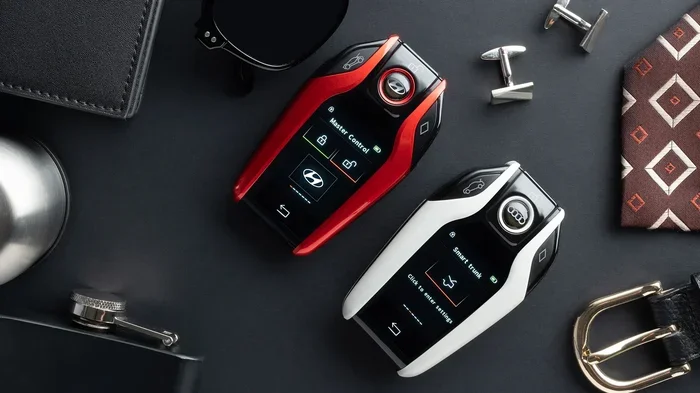
Some modern vehicles come with factory-installed remote lighting features. These are built into the key fob or the car’s infotainment system. They are not aftermarket additions. Instead, they are part of the original design. If your car has this feature, you may not need a separate car light remote control.
Benefits of Using a Car Light Remote Control
Adding a car light remote control to your vehicle offers many advantages. Let us explore the key benefits that make these systems so popular.
Convenience at Your Fingertips
The biggest advantage is convenience. You can turn on your headlights before you even get in the car. On a dark evening, you walk up to a well-lit vehicle. That alone is a game-changer. You can also flash your lights to signal other drivers without leaving your seat.
Imagine pulling into your driveway at night. With a remote, you can light up your garage before you even step out. This small convenience adds up over time. It makes your daily routine smoother and more comfortable.
Improved Safety
A car light remote system can improve your safety on the road. You can quickly flash your high beams to alert oncoming drivers. You can also activate fog lights or hazard lights without taking your hands off the wheel. These quick actions can prevent accidents.
In emergencies, being able to signal other drivers fast is crucial. A wireless remote for car lights ensures you always have a way to communicate with other drivers. It adds a layer of preparedness that manual switches cannot match.
Enhanced Vehicle Appearance
Many car enthusiasts use remote controls to manage aftermarket lighting. LED strips, underglow, and accent lights look amazing when controlled remotely. You can change colors, adjust brightness, and create stunning visual effects with the push of a button.
This is especially popular for car shows, off-roading, and night driving. A car light dimmer remote lets you set the perfect mood for any occasion. Your car becomes not just a vehicle but a personal expression of style.
Easy Installation and Use
Most car light remote systems are designed for DIY installation. You do not need to be a mechanic to set one up. The wiring is straightforward, and most kits come with detailed instructions. Basic tools and about 30 minutes of your time are usually all you need.
Once installed, using the remote is intuitive. The buttons are clearly labeled. You can learn the controls in minutes. This ease of use is why so many drivers choose to add a car light remote control to their vehicle.
How to Choose the Right Car Light Remote Control
With so many options available, picking the right car light remote control can feel overwhelming. Here are the key factors to consider before you buy.
Compatibility With Your Vehicle
First, check if the remote is compatible with your car. Most universal car light controller devices work with any vehicle. However, some systems are designed for specific makes or models. Read the product specifications carefully before purchasing.
Make sure the receiver can handle the electrical load of your lights. If you are adding LED strips or auxiliary lights, choose a receiver rated for the extra power. Using an undersized receiver can cause overheating or failure.
Signal Type and Range
Decide between infrared and radio frequency based on your needs. If you want flexibility, go with RF. If you are on a tight budget, IR remotes are fine. Also, check the car light remote range. A longer range gives you more freedom to use the remote from a distance.
Think about where you will keep the remote. If it stays in your pocket, RF is essential. If you always point it at the dashboard, IR will work just as well.
Number of Channels and Functions
More channels mean more control. A basic remote might have just on and off buttons. Advanced remotes can control multiple light zones independently. Some even allow you to adjust brightness and color for RGB LED strips.
Consider what lighting functions matter most to you. Do you just want headlight control? Or do you want full customization? Your answer will determine the type of car light remote system you need.
Build Quality and Durability
Look for remotes made from sturdy materials. A cheap plastic remote may break after a few months. Choose one with a solid feel and responsive buttons. Water resistance is also a plus, especially if you drive in rainy conditions.
The receiver unit should also be well-built. It will be hidden inside your car for years. A quality receiver will not interfere with your vehicle’s electronics. It should also be compact enough to fit in tight spaces.
Price and Brand Reputation
Set a budget before shopping. Basic car light remote controls start around $15 to $30. Advanced smart systems can cost $100 or more. You do not always need to spend more, but investing in a reputable brand ensures better reliability.
Read customer reviews before making a decision. Look for feedback on range, ease of use, and durability. A well-reviewed product is more likely to meet your expectations.
Installation and Setup Tips
Installing a car light remote control is easier than most people think. With the right tools and a little patience, you can have it running in under an hour. Here is a step-by-step guide to help you through the process.
Step 1: Gather Your Tools
Before you start, make sure you have the basics. You will need a screwdriver, wire stripper, electrical tape, and a multimeter. Some kits also include a wiring harness adapter. This makes the process even simpler.
Step 2: Find a Suitable Location for the Receiver
The receiver should be hidden but accessible. Common locations include behind the dashboard, under the seat, or in the glove box. Make sure it is away from heat sources and moving parts. A secure, hidden spot prevents damage and keeps the setup clean.
Step 3: Connect the Receiver to Your Vehicle’s Wiring
Use the wiring diagram in your kit to identify the correct wires. Connect the receiver’s power wire to your battery’s positive terminal. Ground the receiver to a clean metal surface. Then tap into the wires for the lights you want to control.
Always use a multimeter to verify connections before powering on. A loose wire can cause short circuits. Take your time with this step to avoid problems later.
Step 4: Pair the Remote With the Receiver
Most receivers have a pairing button. Press and hold it, then press any button on the remote. The receiver should confirm the pairing with a beep or a flashing light. If it does not pair, try resetting both devices and repeating the process.
Step 5: Test All Functions
Once paired, test every button on the remote. Check that each light responds correctly. Adjust the sensitivity or range if needed. This testing phase ensures everything works before you hide the wiring.
Quick Installation Tips
- Always disconnect the car battery before working on wiring.
- Use heat shrink tubing on all solder joints for a clean connection.
- Label each wire before disconnecting factory connectors.
- Keep the receiver away from areas with high moisture.
- Test the system thoroughly before finishing the installation.
Common Mistakes to Avoid
Even with simple setups, mistakes can happen. Here are common errors people make when using a car light remote control and how to avoid them.
Ignoring Wiring Polarity
Connecting wires backward is one of the most common mistakes. Always check the positive and negative terminals. Reversing polarity can damage the receiver or your vehicle’s lights. Use a multimeter to confirm correct wiring before turning on the power.
Using the Wrong Remote Frequency
If your remote and receiver are on different frequencies, they will not communicate. This is a simple but costly mistake. Always verify that both devices operate on the same car light remote frequency before purchasing.
Overloading the Receiver
Every receiver has a maximum amperage rating. If you connect too many lights, you can overload the system. This causes overheating and can damage your vehicle’s electrical system. Check the load requirements of all connected lights and make sure they stay within the receiver’s limits.
Hiding the Remote in a Difficult Spot
It is tempting to hide the remote in the glove box or center console. But if you cannot reach it easily, you will not use it. Find a spot that is convenient and accessible. A small hook or holder near the steering column works great.
Skipping Regular Maintenance
Like any electronic device, car light remote systems need occasional maintenance. Dirty contacts, weak batteries, and loose wires can all cause problems. A quick check every few months keeps everything working smoothly.
Expert Tips for Getting the Most Out of Your Car Light Remote Control
Want to level up your car light remote control experience? Here are some expert tips that make a real difference.
Choose the Right LED Strips
If you are using a remote with RGB LED strips, invest in quality strips. Cheap strips often have inconsistent colors and poor adhesion. Look for strips with a high IP rating for durability. Well-made LED strips respond better to remote commands and last much longer.
Keep Spare Batteries Handy
Nothing is more frustrating than a dead remote battery at the wrong moment. Keep a spare set of batteries in your glove box. Most car light remote controls use common battery types like CR2025 or AAA. Swapping in a fresh pair takes seconds.
Sync Your Remote With Multiple Zones
If your system supports multiple zones, take advantage of this feature. You can control interior lights, underglow, and accent lighting independently. This gives you total control over your vehicle’s look and function. Spend a few minutes learning the zone controls and you will get much more out of your system.
Use a Signal Booster for Large Vehicles
If you drive a large truck, SUV, or RV, the standard signal range may not be enough. A signal booster extends the car light remote range significantly. This is especially helpful if you park far from your vehicle or use the remote from inside a building.
Update Firmware for Smart Systems
If you have a smart app-controlled system, check for firmware updates regularly. Manufacturers often release updates that improve performance and add new features. A simple update can fix bugs and enhance your user experience.
Troubleshooting Common Issues With Car Light Remote Controls
Even the best car light remote system can have occasional issues. Here is how to troubleshoot the most common problems.
Remote Not Responding
If the remote stops working, the first thing to check is the batteries. Replace them with fresh ones and try again. If that does not work, check for obstructions between the remote and receiver. Dirt or debris on the remote’s infrared LED can block the signal.
For RF remotes, move closer to the vehicle and try again. If the remote still does not respond, the receiver may need a reset. Consult your manual for the reset procedure. In rare cases, the receiver may need to be replaced.
Lights Flickering or Dimming
Flickering lights often indicate a loose connection. Check all wiring connections and tighten them. Corroded wires can also cause flickering. Clean any corroded terminals with a wire brush and apply dielectric grease to prevent future corrosion.
Dimming can happen when the receiver is overloaded. Reduce the number of connected lights and see if the problem improves. If you are using a dimmer function, make sure your lights are compatible with dimming.
Remote Works Intermittently
Intermittent operation usually points to a battery or signal issue. Replace the batteries first. If the problem persists, check the car light remote frequency for interference. Other electronic devices nearby can sometimes disrupt the signal. Moving the receiver to a different location can help.
Lights Stay On After Turning Off the Car
This is usually a wiring issue. The receiver may be connected to a constant power source instead of an ignition-switched source. Re-check your wiring and make sure the receiver is connected to the correct circuit. This ensures the lights turn off when you turn off the car.
Maintenance Tips for Long-Lasting Performance
A car light remote control system lasts for years with proper care. Here are simple maintenance steps to keep everything in top shape.
- Clean the Remote Regularly: Wipe the remote with a soft cloth to remove dirt and grime. Dirty buttons can become unresponsive over time.
- Check Wiring Connections: Inspect all wiring connections every few months. Loose wires can cause intermittent problems.
- Replace Batteries on Schedule: Do not wait for the remote to die. Replace batteries every 6 to 12 months for consistent performance.
- Keep the Receiver Dry: Moisture can damage the receiver. If you live in a rainy climate, wrap the receiver in a protective sleeve.
- Update Software for Smart Remotes: Keep your app and firmware up to date for the latest features and bug fixes.
Conclusion
A car light remote control is a simple yet powerful upgrade for any vehicle. It adds convenience, safety, and style to your daily driving experience. Whether you choose a basic IR remote or a smart app-controlled system, the benefits are clear. You get instant access to your car’s lighting with the push of a button.
Choosing the right system comes down to your needs and budget. Consider compatibility, signal type, range, and features before making a decision. Installation is straightforward, and most systems work with a wide range of vehicles. With the tips and advice in this guide, you are well-equipped to find and use the perfect car light remote control for your car.
Take the time to set up your system properly. Follow the installation steps carefully, and do not skip the testing phase. A little effort upfront saves you from headaches later. Once your system is running, you will wonder how you ever drove without it. Enjoy the convenience, stay safe on the road, and let your car lights shine exactly the way you want them to.
Frequently Asked Questions
Can I install a car light remote control myself?
Yes, most car light remote control kits are designed for DIY installation. They come with detailed instructions and require only basic tools. If you are comfortable changing a fuse or connecting a battery, you can handle the installation. However, if you are unsure about wiring, it is always safe to consult a professional.
What is the average range of a car light remote control?
The car light remote range varies by model and signal type. Infrared remotes typically work within 10 to 20 feet. Radio frequency remotes can reach 50 to 100 feet or more. High-end smart systems may offer ranges up to 500 feet. Always check the product specifications before purchasing.
Will a car light remote control work with all vehicles?
Most universal car light controller systems work with any vehicle that has a standard 12V electrical system. However, some vehicles may require specific adapters. Always check compatibility with your car model before buying. Modern vehicles with complex computer systems may need a more advanced setup.
How long does the battery in a car light remote last?
A typical car light remote control battery lasts between 6 and 12 months with regular use. Infrared remotes tend to use less power than RF or smart remotes. Keeping spare batteries on hand ensures you never experience a dead remote at an inconvenient time.
Can I control RGB LED strips with a car light remote control?
Yes, many car light remote systems support RGB LED strips. These remotes allow you to change colors, adjust brightness, and set dynamic lighting effects. Make sure the receiver and LED strips are compatible with each other. RGB systems offer the most creative freedom for customizing your vehicle’s look.
What should I do if my car light remote stops working?
Start by replacing the batteries in the remote. Clean the remote’s infrared LED and the receiver sensor with a soft cloth. Check all wiring connections for looseness. If the problem persists, try resetting the receiver. If none of these steps work, the remote or receiver may need to be replaced.