How Suzuki Ensures Vehicle Longevity and Durability
Suzuki builds vehicles designed to last through rigorous testing, quality materials, and smart engineering choices. From engine design to rust protection, Suzuki focuses on every detail that affects how long your car stays roadworthy. Regular maintenance, proper weight limits, and simple care habits all play a role in maximizing the lifespan of any Suzuki vehicle.
When you buy a car, you want it to last. Nobody enjoys the feeling of watching their vehicle fall apart after just a few years. Suzuki has built a strong reputation for making cars that hold up over time. They combine smart engineering with affordable pricing to create vehicles that people trust for the long haul.
But what exactly goes into making a Suzuki vehicle last? It is not just one thing. It is a combination of durability-focused design, high-quality parts, and a commitment to building cars that can handle real-world conditions. In this article, we will break down exactly how Suzuki ensures vehicle longevity and why these cars continue to earn loyal fans year after year.
Whether you already own a Suzuki or are thinking about buying one, understanding what goes into vehicle longevity helps you make smarter decisions. Let us dive into the details of what makes Suzuki vehicles stand the test of time.
Key Takeaways
- Suzuki uses high-quality materials and rigorous testing to build vehicles that withstand daily wear and tear over many years.
- Engine and powertrain design are key reasons Suzuki vehicles maintain reliability well beyond 100,000 miles.
- Rust protection and paint quality help Suzuki cars resist corrosion, especially in harsh climates.
- Sticking to the maintenance schedule is the single most important thing you can do to extend your Suzuki’s life.
- Weight limits matter — exceeding them strains your suspension, brakes, and engine over time.
- Simple care habits like washing, waxing, and proper storage add years to your vehicle’s lifespan.
- Suzuki’s reputation for affordability and reliability makes it a smart long-term investment for budget-conscious buyers.
📑 Table of Contents
- Suzuki’s Engineering Philosophy
- Quality Materials and Manufacturing
- Real-World Durability: What the Numbers Say
- The Role of Regular Maintenance
- Weight Limits and How They Affect Longevity
- Simple Habits That Add Years to Your Suzuki
- Suzuki’s Warranty and Support
- Common Mistakes That Shorten a Suzuki’s Life
- Final Thoughts
Suzuki’s Engineering Philosophy
At the heart of every Suzuki vehicle is a design philosophy built around simplicity and strength. Suzuki does not overcomplicate things. They focus on proven technology and reliable components that work together without unnecessary complexity. This approach reduces the number of things that can go wrong over time.
Lightweight but Strong Build
Suzuki engineers their vehicles using lightweight materials that do not sacrifice structural integrity. A lighter car puts less stress on the engine, brakes, and suspension. This means fewer wear-and-tear issues over the years. The Suzuki build quality balances weight savings with rigidity, giving each car the strength it needs without carrying unnecessary bulk.
For example, many Suzuki models use high-tensile steel in key structural areas. This helps the body resist bending and deformation during collisions. It also keeps the frame solid through years of daily driving. The result is a car that feels sturdy and dependable mile after mile.
Engine Reliability at the Core
The engine is the most important part of any vehicle, and Suzuki knows this. Their engines are designed for efficiency and long life. Suzuki uses durability-focused engine design that prioritizes low friction and heat management. This means fewer mechanical problems as the vehicle ages.
Many Suzuki engines have been known to reach well past 200,000 miles with proper care. The Suzuki engine lineup includes naturally aspirated options that are simple to maintain and turbocharged versions that still emphasize reliability. This range gives buyers flexibility without sacrificing long-term dependability.
Quality Materials and Manufacturing
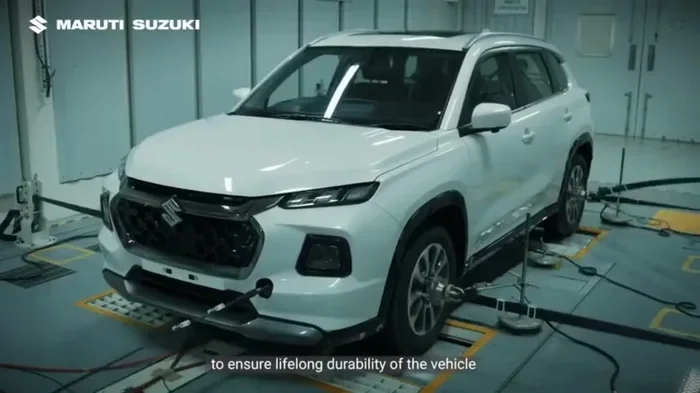
Suzuki maintains strict quality control at every stage of manufacturing. From the factory floor to the final inspection, each vehicle goes through multiple checks. This ensures that every car leaving the production line meets high standards for vehicle longevity.
Paint and Corrosion Protection
One of the biggest enemies of any car is rust. Suzuki addresses this with multi-layer paint systems and rust protection treatments. The underbody is coated with anti-corrosion materials that shield the chassis from moisture and road salt. This is especially important for drivers in colder climates where salt buildup can cause serious damage over time.
To keep your Suzuki’s exterior looking great and protected, regular washing and waxing makes a big difference. If you ever deal with paint damage, protecting your car paint should be a priority. Small chips and scratches can lead to rust if left untreated, so addressing them quickly helps maintain the vehicle’s integrity.
Interior Materials That Last
Suzuki also pays attention to what goes inside the cabin. The seats, dashboard materials, and trim are chosen for durability. For owners with leatherette or vinyl seats, proper care extends their lifespan significantly. Caring for leatherette car seats regularly prevents cracking and fading, keeping your interior looking fresh for years.
Suzuki uses fabrics and materials that resist stains and wear. This is especially helpful for families and daily commuters who put a lot of miles on their vehicles. The interior may not get as much attention as the engine, but it plays a big role in how the car feels and holds its value over time.
Real-World Durability: What the Numbers Say
Suzuki vehicles consistently show up on lists of long-lasting cars. Many models have proven track records of reaching high mileage without major issues. Let us look at what makes the numbers work in Suzuki’s favor.
High-Mileage Reliability
When people ask about car longevity, mileage is usually the first thing that comes up. Suzuki models like the Swift, Vitara, and Jimny have been driven well beyond 150,000 miles by owners around the world. With regular maintenance, many Suzuki engines and transmissions continue to perform smoothly at these distances.
One reason for this is the simplicity of Suzuki’s mechanical designs. Fewer complex parts means fewer things to break. The Suzuki reliability rating reflects this philosophy. Owners report fewer unexpected repairs compared to some competitors, which saves money and frustration over the life of the vehicle.
How Many Miles Is Too Many?
If you are considering a used Suzuki, you might wonder about how many miles on a car is a red flag. For Suzuki vehicles, anything under 200,000 miles with a clean maintenance history is generally a solid buy. The key is to check the service records and look for signs of neglect. A well-maintained Suzuki can easily outlast many other brands at the same mileage.
The Role of Regular Maintenance
No car lasts forever without proper care, and Suzuki is no exception. The manufacturer provides a maintenance schedule that outlines when each service should be performed. Following this schedule is the most effective way to ensure your Suzuki stays in top shape for years to come.
Oil Changes and Fluid Checks
Regular oil changes are the backbone of vehicle maintenance. Suzuki recommends changing the oil every 5,000 to 7,500 miles depending on the model and driving conditions. Fresh oil keeps the engine lubricated, reduces friction, and prevents overheating. Skipping oil changes is one of the fastest ways to shorten a car’s lifespan.
Beyond oil, Suzuki owners should also keep an eye on transmission fluid, brake fluid, and coolant. These fluids work together to keep every system running smoothly. A quick check during each service visit can catch small issues before they become expensive problems.
Belt and Filter Replacements
Suzuki engines use serpentine belts and filters that need periodic replacement. These are inexpensive parts that play a huge role in engine health. A worn belt can cause overheating or power loss, while a clogged filter restricts airflow and reduces efficiency. Staying on top of these simple replacements keeps your Suzuki vehicle running strong.
Weight Limits and How They Affect Longevity
Every vehicle has a weight limit, and exceeding it causes extra strain on multiple systems. Suzuki sets clear guidelines for how much weight each model can safely carry. Understanding and respecting these limits is a simple way to protect your car’s longevity.
Why Weight Matters
When you overload a vehicle, the engine works harder, the brakes wear faster, and the suspension takes a beating. Over time, this leads to premature wear and costly repairs. Knowing your car’s weight capacity helps you avoid these problems and keeps everything running as designed.
For car owners, how much weight can I put in my car is a question worth answering before loading up for a trip. Similarly, van and truck owners should check their specific model limits. Staying within the recommended weight range is one of the easiest ways to extend your vehicle’s life.
Payload Tips for Suzuki Owners
- Check your owner’s manual for the exact payload capacity of your model.
- Distribute weight evenly across the vehicle to avoid straining one side.
- Remove unnecessary heavy items from the trunk or cargo area when not needed.
- Use cargo netting or organizers to secure loose items and prevent shifting.
Simple Habits That Add Years to Your Suzuki
Beyond scheduled maintenance, there are everyday habits that make a real difference in how long your Suzuki lasts. These small actions add up over thousands of miles and help you avoid costly repairs.
Drive Smoothly
Aggressive driving wears out a car faster. Hard acceleration, sudden braking, and speeding put extra stress on the engine, transmission, and brakes. Smooth, steady driving reduces this wear and helps your vehicle stay healthy longer. It is one of the simplest yet most effective vehicle longevity tips you can follow.
Keep It Clean
Regular washing removes dirt, salt, and chemicals that can damage the paint and underbody. In winter months, road salt is especially harmful. Washing your Suzuki regularly and applying a protective wax coat creates a barrier against corrosion. This simple habit pays off in the long run.
Store Properly When Not in Use
If you have a Suzuki that sits for extended periods, proper storage matters. Fuel can degrade over time, so understanding how long gas can sit in a car before going bad helps you avoid fuel system issues. Ideally, fill the tank and use a fuel stabilizer if the vehicle will not be driven for several weeks or more.
Also, keep the battery connected or use a trickle charger. A dead battery after long storage is a frustrating problem that is easy to prevent with a little planning.
Suzuki’s Warranty and Support
Suzuki backs their vehicles with solid warranty coverage that reflects confidence in their build quality. The standard warranty provides peace of mind for new owners, covering repairs for defects in materials and workmanship during the early years of ownership.
While the warranty period varies by market and model, it typically covers 3 years or 36,000 miles for the bumper-to-bumper coverage. Powertrain coverage often extends further. This support system helps owners address issues early before they become bigger problems that could shorten the vehicle’s lifespan.
Resale Value and Long-Term Investment
One hidden benefit of Suzuki’s focus on durability is strong resale value. Cars that are known to last tend to hold their value better. When it is time to sell, a well-maintained Suzuki with a clean history attracts buyers. Knowing how much you can sell your car for starts with keeping it in great shape throughout ownership.
Suzuki vehicles also tend to have lower maintenance costs compared to many competitors. Parts are widely available and affordable, which makes long-term ownership more budget-friendly. This combination of reliability and affordability is a big reason why Suzuki remains popular among practical car buyers.
Common Mistakes That Shorten a Suzuki’s Life
Even the best-built car can suffer if the owner makes certain mistakes. Being aware of these pitfalls helps you avoid them and protect your investment.
Ignoring Warning Signs
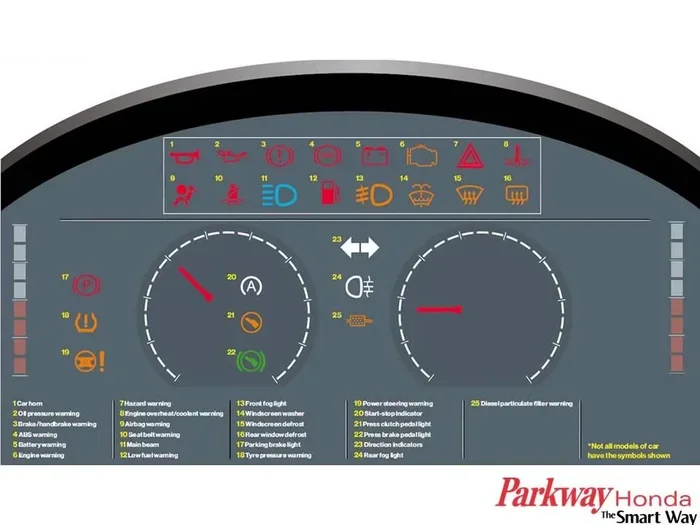
Unusual sounds, dashboard warnings, and changes in performance are your car’s way of telling you something is wrong. Ignoring these signs leads to bigger problems down the road. Addressing issues early is always cheaper and easier than waiting until a small problem becomes a major repair.
Skipping Scheduled Services
It is tempting to skip an oil change or tire rotation when life gets busy. But these services exist for a reason. Skipping them may save time now but costs you more in repairs later. Staying consistent with the maintenance schedule is one of the best investments you can make in your vehicle’s future.
Using Low-Quality Parts and Fluids
Aftermarket parts vary widely in quality. Using cheap fluids or inferior replacement parts can compromise your engine and other systems. Always choose quality components that meet or exceed Suzuki’s specifications. Your car will thank you with years of reliable service.
Final Thoughts
Suzuki ensures vehicle longevity through a combination of smart engineering, quality materials, and a focus on simplicity. From the factory floor to your driveway, every step is designed to create a car that lasts. When you pair this with regular maintenance and good driving habits, your Suzuki can easily serve you well beyond 150,000 miles.
The secret to a long-lasting Suzuki is not complicated. It comes down to taking care of the basics. Change the oil on time, respect weight limits, keep the car clean, and address small issues before they grow. These habits, combined with Suzuki’s solid build quality, give you a vehicle that stays dependable year after year. A Suzuki is not just a car — it is a long-term investment in reliable transportation that rewards you with peace of mind and strong performance for miles to come.
Frequently Asked Questions
How long do Suzuki vehicles typically last?
With proper maintenance, most Suzuki vehicles can last well over 200,000 miles. Many owners report their Suzuki models running strong past the 150,000-mile mark without major issues. Regular oil changes, fluid checks, and timely repairs play a huge role in reaching these high-mileage milestones.
What makes Suzuki engines so reliable?
Suzuki engines are designed with simplicity and efficiency in mind. They use proven technology with fewer complex parts, which reduces the chance of mechanical failure. The lightweight design also puts less stress on the engine, contributing to a longer operational lifespan over many years of driving.
Does Suzuki offer good rust protection?
Yes, Suzuki applies multi-layer paint systems and anti-corrosion treatments to protect the underbody and body panels. These measures help prevent rust, especially in areas with harsh winters or road salt exposure. Regular washing and waxing further enhances this protection over time.
Is it expensive to maintain a Suzuki vehicle?
Suzuki maintenance costs are generally lower than many competitors. Parts are widely available and affordable, and the simple engine designs make repairs straightforward. Overall, owning and maintaining a Suzuki tends to be budget-friendly, which contributes to its long-term value.
Can I extend my Suzuki’s lifespan with DIY maintenance?
Absolutely. Many basic maintenance tasks like oil changes, air filter replacements, and fluid checks can be done at home with basic tools. Following the manufacturer’s maintenance schedule and staying consistent with care routines are the most effective ways to add years to your Suzuki’s life.
Why does Suzuki focus on lightweight designs?
Lighter vehicles put less strain on the engine, brakes, and suspension, which reduces wear over time. Suzuki uses high-tensile steel and smart material choices to maintain strength while keeping weight down. This balance helps improve fuel efficiency and extends the overall durability of the vehicle.