How Much Should A Cabin Air Filter Cost For Your Car
The average cabin air filter cost ranges from $15 to $50 for the part alone, with professional installation adding $20 to $75 more. Replacing your cabin air filter is one of the easiest and most affordable car maintenance tasks you can do at home. Whether you choose an OEM filter or an aftermarket option, staying on top of this simple swap keeps your car’s interior air clean and your HVAC system running smoothly.
This is a comprehensive guide about How Much Should A Cabin Air Filter Cost.
Key Takeaways
- Average Cost Range: A cabin air filter typically costs between $15 and $50 for the part, with total costs including labor ranging from $35 to $125.
- OEM vs Aftermarket: OEM filters from your car’s manufacturer cost more but offer guaranteed fit and quality, while aftermarket options provide excellent value.
- DIY Saves Money: Replacing your cabin air filter yourself can save you $20 to $75 in labor costs and takes only 10 to 15 minutes.
- Replacement Frequency: Most manufacturers recommend replacing your cabin air filter every 12,000 to 15,000 miles or once a year.
- Type Matters: HEPA and activated carbon filters cost more than standard filters but offer superior air purification and odor removal.
- Driving Conditions Affect Cost: If you drive in dusty or polluted areas, you may need to replace your filter more often, increasing your overall car maintenance cost.
[FEATURED_IMAGE_PLACEHOLDER]
What Is A Cabin Air Filter And Why Does It Matter?
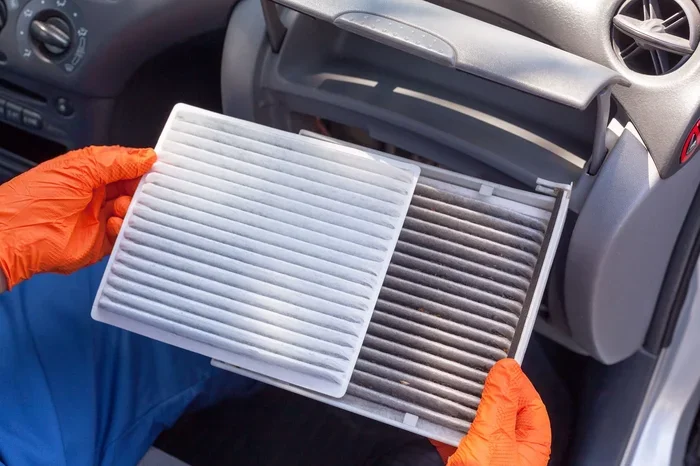
Your car’s cabin air filter is a small but mighty component that cleans the air entering your vehicle’s interior. It traps dust, pollen, smog, and other airborne particles before they reach your lungs. Many drivers overlook this filter, but it plays a huge role in the air quality inside your car.
Think of it like the breathing filter on a vacuum cleaner. Over time, it gets clogged with debris and stops working effectively. When that happens, you might notice musty smells, reduced airflow from your vents, or increased allergy symptoms inside the car. Replacing it on schedule keeps your interior air fresh and your HVAC system running efficiently.
The cabin air filter is different from your engine air filter. The engine air filter cleans air going into the engine for combustion. The cabin air filter cleans air going into the passenger compartment. Both matter, but the cabin filter directly affects what you and your passengers breathe every day.
How Much Should A Cabin Air Filter Cost?
The cabin air filter cost varies quite a bit depending on several factors. Let us break down what you can expect to pay in different scenarios so there are no surprises at the checkout counter.
Part-Only Pricing
For just the filter itself, you are looking at a pretty wide range. Standard cabin air filters typically cost between $10 and $30. These are the basic particulate filters that catch dust, pollen, and debris. They get the job done for most drivers and represent the most budget-friendly option.
If you want something with extra features, the price goes up. Activated carbon cabin filters, which are great at removing odors and harmful gases, usually run between $20 and $50. HEPA cabin filters, which offer the highest level of filtration, can cost anywhere from $30 to $60 or more. These premium options are especially worth it if you suffer from allergies or live in a heavily polluted area.
Total Cost With Professional Installation
If you take your car to a dealership or independent mechanic, the total cost will include both the part and the labor. Labor for a cabin air filter replacement is typically $20 to $75, depending on where you live and the shop’s hourly rate. So the total cost for a professional replacement usually falls between $35 and $125.
Some dealerships bundle this into routine maintenance packages. If you are doing your 000 mile service on a Toyota RAV4 or similar scheduled maintenance, the cabin air filter replacement might be included or offered at a discounted rate. Always ask for an itemized quote so you know exactly what you are paying for.
| Filter Type | Part Cost | With Installation |
|---|---|---|
| Standard Particulate | $10 – $30 | $30 – $105 |
| Activated Carbon | $20 – $50 | $40 – $125 |
| HEPA Filter | $30 – $60+ | $50 – $135+ |
Does Brand Name Matter?
You will see brand names like Mann, Bosch, Purolator, and OEM filters from your car’s manufacturer. OEM filters carry your car brand’s logo and are guaranteed to fit perfectly. They tend to cost more, but they offer peace of mind. Aftermarket filters from reputable brands often perform just as well at a lower price point. The key is to check the specifications and make sure the filter matches your vehicle’s requirements.
Types Of Cabin Air Filters And What They Do
Not all cabin air filters are created equal. Understanding the different types helps you make a smart choice based on your needs and budget.
Standard Particulate Filters
These are the most common and affordable option. They use a fibrous material to trap dust, pollen, and larger particles. Standard filters are great for everyday driving in moderate conditions. If you live in a city with average air quality and do most of your driving on paved roads, a standard filter will serve you well.
Activated Carbon Filters
Activated carbon filters add a layer of carbon that absorbs gases, odors, and harmful volatile organic compounds (VOCs). These filters are excellent if you live near industrial areas or if you frequently drive through heavy traffic. They also help eliminate unpleasant smells from exhaust or construction. The pollen filter cost for activated carbon versions is higher, but many drivers find the improvement in interior air quality worth the extra investment.
HEPA Filters
HEPA stands for High-Efficiency Particulate Air. These filters can trap particles as small as 0.3 microns with 99.97% efficiency. HEPA filters are the gold standard for interior air quality. They are especially beneficial for people with severe allergies, asthma, or other respiratory conditions. The downside is the higher price tag, which can be $30 to $60 or more for the filter alone.
Charcoal-Infused HEPA Filters
Some premium filters combine HEPA filtration with activated carbon for maximum protection. These dual-purpose filters handle both particulate matter and gaseous pollutants. They represent the top tier of cabin air filtration and come with a corresponding price. If you want the best air quality possible inside your car, this is the way to go.
Factors That Affect Cabin Air Filter Cost
Several factors influence how much you will pay for a cabin air filter. Understanding these helps you budget appropriately and avoid overpaying.
Your Vehicle Make And Model
Some vehicles have more complex cabin air filter housing that makes replacement harder. Luxury vehicles and newer models sometimes require specialty filters that cost more. If you own a common model like a Toyota Camry or Honda Civic, replacement filters are widely available and tend to be more affordable. For specific guidance on your model, checking resources like how often to replace a timing belt on a Toyota Camry can give you a sense of how maintenance schedules and part costs vary by model.
Where You Purchase The Filter
Prices vary significantly depending on where you shop. Online retailers like Amazon and AutoZone’s website often offer the best deals. Auto parts stores like O’Reilly or Advance Auto Parts are convenient and sometimes have price-match guarantees. Dealerships tend to charge the most, but they guarantee OEM parts. Warehouse clubs like Costco sometimes carry cabin air filters at discounted bulk prices.
Your Location And Driving Conditions
Where you live and how you drive directly impacts how often you need a new filter. Drivers in dusty, rural, or high-pollution areas will go through filters faster and face higher long-term costs. Similarly, if you spend a lot of time in stop-and-go traffic or on unpaved roads, your filter will clog more quickly. In these conditions, budgeting for more frequent replacements is smart.
DIY vs Professional Installation
This is one of the biggest cost variables. Doing it yourself saves the labor charge entirely, which is typically $20 to $75. Cabin air filter replacement is one of the easiest DIY car maintenance tasks you can do. Most filters are accessible behind the glove box or under the dashboard, and the process usually takes less than 15 minutes. If you are uncomfortable with any car repair, a quick trip to a mechanic is always a safe option.
How To Replace Your Cabin Air Filter Yourself
Replacing your cabin air filter at home is one of the simplest ways to save money on car maintenance. Most drivers can handle this job with no special tools or mechanical experience. Here is a quick walkthrough of the process.
Step By Step Guide
- Find your cabin air filter location. Check your owner’s manual. In most cars, it is behind the glove box or under the dashboard near the windshield.
- Purchase the correct filter. Use your vehicle’s year, make, model, and engine type to find the right filter. Online retailers make this easy with vehicle lookup tools.
- Remove the access panel. Usually this involves popping off a plastic cover or unclipping a few fasteners. No tools needed in most cases.
- Remove the old filter. Pull it out carefully and note the direction of the airflow arrow printed on the filter frame.
- Insert the new filter. Make sure the airflow arrow points in the correct direction toward the blower motor.
- Replace the access panel. Snap or clip it back into place, and you are done.
Total time: 10 to 15 minutes. Total cost: just the price of the filter. This is hands-down the best way to save on your cabin air filter replacement cost.
Quick Tips For Success
- Take a photo of the old filter before removing it so you remember the correct orientation.
- Wear a dust mask if the old filter is really dirty. You do not want to breathe in all that trapped grime.
- Keep a few spare filters in your trunk or garage so you are always ready for the next replacement.
- Check your filter every few months. If it looks dark and clogged, replace it even if you have not hit the mileage mark yet.
Common Mistakes To Avoid When Buying A Cabin Air Filter
Avoiding these mistakes can save you money and ensure your replacement goes smoothly.
Buying The Wrong Size
Every vehicle uses a specific filter size. Using an incorrectly sized filter means it will not seal properly, allowing unfiltered air to enter your cabin. Always double-check your vehicle specifications before ordering. When in doubt, consult your owner’s manual or ask a parts store associate for help.
Choosing The Cheapest Option Without Research
The absolute cheapest filter on the shelf may seem like a great deal, but it might be made from low-quality materials that do not filter air effectively. Read reviews and stick with reputable brands even when shopping on a budget. A $20 filter from a trusted brand often outperforms a $10 no-name filter.
Ignoring The Replacement Schedule
Some drivers forget about their cabin air filter until they notice a problem. By then, the filter is already clogged and potentially harboring mold or bacteria. Stick to the recommended replacement schedule of every 12,000 to 15,000 miles or once a year. Set a reminder on your phone or calendar so you do not forget.
Confusing The Cabin Filter With The Engine Air Filter
These are two completely different parts with different costs and replacement intervals. The engine air filter is usually more expensive and located under the hood. Make sure you are buying the right filter for the right purpose. If you are unsure, your vehicle’s maintenance schedule in the owner’s manual lists both separately.
Conclusion
The cabin air filter cost for your car is one of the most affordable maintenance expenses you will face. With part prices ranging from $15 to $50 and total costs with installation between $35 and $125, there is no reason to skip or delay this simple replacement. A clean cabin air filter means better air quality inside your car, a healthier environment for you and your passengers, and a well-functioning HVAC system.
Whether you choose a standard particulate filter for basic protection or invest in a HEPA or activated carbon filter for superior purification, the key is staying consistent with your replacement schedule. Doing it yourself saves you the most money and takes barely any time at all. Your car, your lungs, and your wallet will all thank you.
Next time you are at the auto parts store or browsing online, grab a replacement cabin air filter if it has been a while. It is a small investment that makes a big difference in your daily driving experience.
Frequently Asked Questions
How often should I replace my cabin air filter?
Most manufacturers recommend replacing your cabin air filter every 12,000 to 15,000 miles or once a year, whichever comes first. If you drive in dusty or polluted conditions, you may need to replace it more frequently. Checking your filter every few months helps you stay ahead of clogging.
Can I drive without a cabin air filter?
You can, but you should not. Without a cabin air filter, dust, pollen, and exhaust fumes enter your car’s interior freely. Over time, debris can also damage your HVAC system. Replacing the filter is inexpensive and takes only minutes, so there is no good reason to skip it.
What happens if I don’t replace my cabin air filter?
A clogged cabin air filter reduces airflow from your vents, makes your HVAC system work harder, and can cause musty odors. In severe cases, it can lead to mold growth inside the system. This increases strain on your car’s components and could lead to more expensive repairs down the road.
Is it cheaper to buy a cabin air filter online or at a dealership?
Online retailers and auto parts stores almost always offer lower prices than dealerships. You can save 30 to 50 percent by purchasing your filter online and either installing it yourself or taking it to an independent mechanic for a quick swap.
What is the difference between a cabin air filter and an engine air filter?
The cabin air filter cleans the air that enters the passenger compartment. The engine air filter cleans the air that goes into the engine for combustion. They are different parts with different locations, different costs, and different replacement schedules. Your owner’s manual lists both.
Are HEPA cabin air filters worth the extra cost?
Yes, if you care about the highest level of interior air quality. HEPA filters trap 99.97% of particles as small as 0.3 microns. They are especially worthwhile for allergy sufferers, asthmatics, or anyone living in an area with poor air quality. The extra cost compared to standard filters is modest considering the health benefits.