How Much Oil Does a 4 Cylinder Engine Actually Need
A standard 4 cylinder engine typically holds between 3.5 and 5 quarts of oil, but the exact amount depends on your vehicle model and engine design. Using the wrong oil level can cause serious engine damage, so always check your owner’s manual. This guide covers oil capacity, types, checking methods, and common mistakes to help you maintain your engine properly.
Keeping your engine running smoothly starts with one simple thing: the right amount of oil. If you drive a 4 cylinder engine, you might wonder exactly how much oil your car needs. The answer isn’t always the same for every vehicle. It depends on your engine size, the car model, and the manufacturer’s design.
Getting the oil level right is one of the easiest ways to protect your engine. Too little oil means poor lubrication. Too much oil can cause foaming and pressure problems. Both situations lead to expensive repairs if you ignore them. In this guide, we walk you through everything you need to know about oil capacity, oil types, and how to keep your engine in great shape.
Whether you are a first-time car owner or someone who has been driving for years, this article breaks it all down in simple terms. No jargon. No confusion. Just clear, practical advice you can use right away.
Key Takeaways
- Oil Capacity Varies: Most 4 cylinder engines need 3.5 to 5 quarts, but always confirm with your owner’s manual.
- Oil Type Matters: Synthetic, conventional, and blend oils each have different benefits for your engine.
- Check Regularly: Using the dipstick correctly helps you monitor oil levels and catch problems early.
- Overfilling Is Dangerous: Too much oil can cause foaming, leaks, and engine damage just like too little.
- Follow the Schedule: Sticking to a regular oil change routine extends engine life and prevents costly repairs.
📑 Table of Contents
How Much Oil Does a 4 Cylinder Engine Actually Need
The short answer is that most 4 cylinder engines require between 3.5 and 5 quarts of oil. But that range is broad because different engines have different designs. A smaller turbocharged 4 cylinder might only need 3.5 quarts. A larger naturally aspirated engine could need closer to 5 or even 6 quarts.
The best place to find your exact number is your vehicle’s owner manual. Every car manufacturer lists the recommended oil capacity for each engine. You can also check the oil fill cap under the hood. It often has the capacity printed right on it.
If you do not have your manual, you can also search online for your specific make, model, and year. Most car websites list the oil capacity in their specifications section. This is especially helpful when buying oil for the first time.
Why Exact Oil Capacity Matters
Your engine has specific internal spaces that need to be filled with oil. The crankshaft rotates inside the oil pan. The oil circulates through galleries and passages to lubricate every moving part. If the oil level is too low, those parts grind against each other without proper lubrication.
If the oil level is too high, the crankshaft can dip into the excess oil. This causes foaming, which reduces the oil’s ability to lubricate. It can also push oil into places it should not be, like the combustion chamber. That leads to blue smoke, fouled spark plugs, and poor engine performance.
Getting the exact capacity right ensures your engine gets the film of oil it needs between every metal surface. This is the foundation of proper engine lubrication and long engine life.
Common Oil Types for 4 Cylinder Engines
Not all engine oils are the same. The type of oil you choose affects how well your engine is protected. It also affects how often you need to change the oil. Let us break down the three main types you will encounter at any auto parts store.
Conventional Oil
Conventional oil is the most basic type. It is made from crude oil and refined for engine use. It works well for older vehicles and engines with simpler designs. It is also the most affordable option at the parts store.
Most manufacturers recommend changing conventional oil every 3,000 to 5,000 miles. If you drive an older 4 cylinder engine and do not push it hard, conventional oil may be all you need.
Synthetic Oil
Synthetic oil is engineered in a lab. It offers superior protection in both hot and cold temperatures. It flows more smoothly at start-up and resists breakdown better than conventional oil.
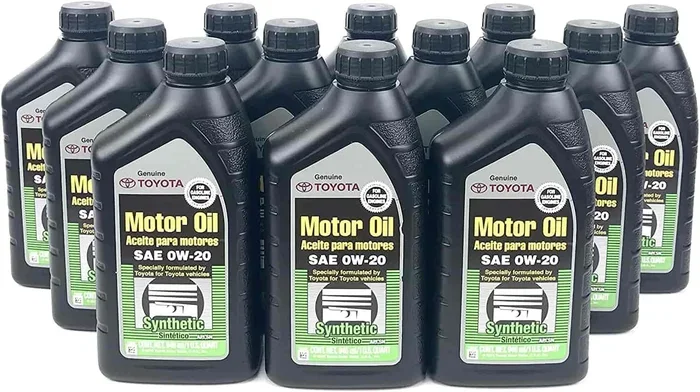
Many modern 4 cylinder engines come from the factory filled with synthetic oil. If your car has a turbocharger, synthetic oil is almost always recommended. It handles the higher temperatures and pressures better than any other oil type.
Synthetic oil typically lasts longer too. You can often go 7,500 to 10,000 miles between changes. That saves you time and money in the long run.
Synthetic Blend Oil
A synthetic blend mixes conventional and synthetic oils. It gives you better protection than conventional oil alone but costs less than full synthetic. It is a good middle ground for drivers who want extra protection without the premium price tag.
Blend oils work well for drivers who do a mix of short trips and highway driving. They offer decent protection in most conditions and are a popular choice for daily drivers.
How to Check Your Oil Level
Checking your oil level is one of the simplest things you can do for your car. It takes less than two minutes and can save you from serious engine damage. Here is exactly how to do it the right way.
- Park on level ground. This ensures the dipstick gives you an accurate reading. If your car is tilted, the oil will pool to one side and give a false reading.
- Turn off the engine and wait a few minutes. Let the oil settle back into the oil pan. Checking oil right after driving gives a higher reading than the true level.
- Open the hood and locate the dipstick. It usually has a brightly colored handle, often yellow or orange.
- Pull the dipstick out and wipe it clean. Use a paper towel or rag. This removes any oil clinging to the stick so you get a fresh reading.
- Reinsert the dipstick fully, then pull it out again. Look at both sides of the dipstick. You will see two marks, holes, or lines that indicate the full and low levels.
- Compare the oil level to the marks. The oil should fall between the two indicators. If it is below the low mark, you need to add oil.
If you are unsure about what to look for, check your owner manual. Some newer cars have electronic oil level displays on the dashboard instead of a traditional dipstick. These digital systems make it even easier to monitor your oil.
Quick Tips for Accurate Oil Checks
- Always check your oil when the engine is cool or has been off for at least 5 minutes.
- Do not check oil right after a long highway drive. The oil is hot and thin, which gives a misleading reading.
- Check your oil at least once a month. This catches slow leaks and consumption issues early.
- Keep a quart of the correct oil in your trunk for emergencies.
Signs You Are Low on Oil or Overfilled
Your car gives you warning signs when the oil level is not right. Learning to recognize these signs helps you catch problems before they turn into expensive repairs.
Signs of Low Oil
- Oil pressure warning light: This is the most obvious sign. If the light comes on, pull over safely and check your oil immediately.
- Engine noise: A ticking or knocking sound often means the oil is not reaching all the moving parts.
- Burning oil smell: Oil leaking onto hot engine parts creates a distinct smell you should never ignore.
- Reduced performance: Your engine may feel sluggish or less responsive when oil levels drop.
- Smoke from the exhaust: Blue or gray smoke can indicate oil is entering the combustion chamber.
Low oil can lead to too much oil making your car not start in severe cases, or even complete engine failure. The moving parts inside your engine rely on a constant film of oil. Without it, metal grinds against metal, and damage happens fast.
Signs of Overfilled Oil
- Blue or white exhaust smoke: Excess oil gets pulled into the combustion chamber and burns.
- Oil leaks: Too much pressure inside the engine can push oil past seals and gaskets.
- Foul smell from the engine: Foamed oil does not lubricate properly and can produce a burnt odor.
- Rough engine running: Spark plugs fouled by oil will cause misfires and rough idling.
If you accidentally overfill your engine, do not panic. A small overfill of half a quart usually causes no harm. But if you have added significantly more than the recommended capacity, you should drain the excess oil. You can take your car to a mechanic or carefully drain the oil yourself using the drain plug.
Keep in mind that driving with too much oil in it for extended periods can cause serious damage. The foaming reduces lubrication, and the increased pressure can damage engine seals over time.
Oil Change Schedule and Maintenance Tips
Changing your oil on time is one of the most important things you can do for your engine. Old oil breaks down and loses its ability to lubricate, clean, and cool the engine. Fresh oil keeps everything running smoothly.
How Often Should You Change the Oil?
The general rule used to be every 3,000 miles or every 3 months. Modern oils and engines have changed that. Today, most manufacturers recommend changing oil every 5,000 to 7,500 miles for conventional oil. Synthetic oil can go even longer, up to 10,000 miles in some cases.
Your driving habits also matter. If you frequently drive in stop-and-go traffic, tow heavy loads, or drive in extreme heat or cold, you may need to change your oil more often. These conditions cause oil to break down faster.
What Else to Do During an Oil Change
An oil change is the perfect time to check a few other things. Here is a quick checklist:
- Replace the oil filter: A clogged filter restricts oil flow and reduces engine protection. Always use a new filter with every oil change.
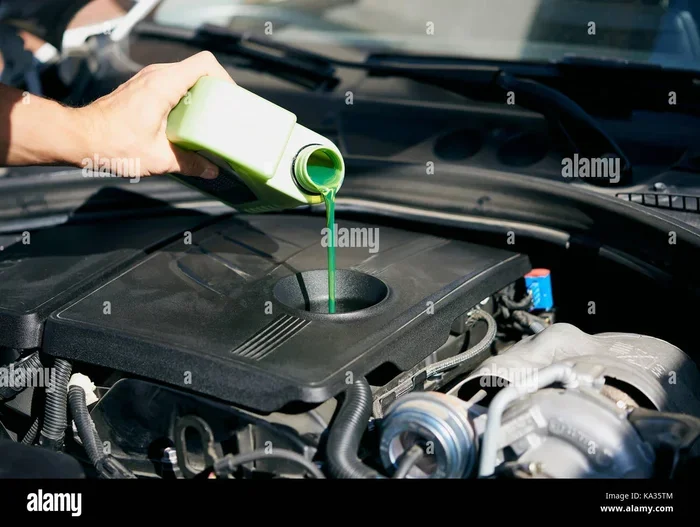
- Check the oil level after filling: Add the oil slowly and recheck with the dipstick. It is easy to overfill.
- Look for leaks: Inspect the area under your car for any fresh oil spots.
- Check other fluids: Transmission fluid, coolant, brake fluid, and power steering fluid all need attention too.
Following a consistent maintenance schedule is the best way to extend the life of your engine. A well-maintained 4 cylinder engine can easily last 200,000 miles or more with proper care.
Quick Tips for Keeping Your Engine Healthy
Beyond oil changes, there are several simple habits that keep your engine in top condition. These tips take just a few minutes but pay off big time over the life of your car.
- Monitor your oil level regularly: A quick check once a month takes almost no time and catches problems early.
- Use the oil weight recommended by your manufacturer: Common weights for 4 cylinder engines include 5W-30 and 5W-20. Check your manual to be sure.
- Warm up your engine gently: Avoid revving the engine hard right after startup. Let the oil circulate for 30 seconds to a minute before driving.
- Watch your temperature gauge: Overheating breaks down oil faster and can warp engine components.
- Keep up with other maintenance: Spark plugs, air filters, and timing belts all affect how well your engine runs.
If you are shopping for a new vehicle with a 4 cylinder engine, check out our guide on 4 cylinder engine cars for a deeper look at popular models and their engine specs. Understanding your engine helps you make better maintenance decisions.
Common Oil Mistakes to Avoid
Even experienced car owners sometimes make mistakes with oil. Here are the most common ones and how to avoid them.
- Using the wrong oil weight: Every engine is designed for a specific oil viscosity. Using the wrong weight can reduce lubrication and increase wear.
- Ignoring the oil change light: That little light on your dash is there for a reason. Ignoring it means running old, degraded oil through your engine.
- Adding oil without checking: Always check the level first. You might not need oil at all, or you might only need a small top-off.
- Using aftermarket oil additives: Most modern oils already contain the additives they need. Adding extra can throw off the oil’s chemistry.
- Skipping the oil filter: A new oil filter removes contaminants and keeps your fresh oil clean longer.
Avoiding these simple mistakes keeps your engine protected and your maintenance costs low. A little prevention goes a long way.
Expert Insight: When to See a Professional
While checking and topping off oil is something most car owners can do themselves, some situations call for a professional. If you notice your oil level dropping frequently, there may be a leak or internal oil consumption issue. A mechanic can diagnose the root cause and recommend the right fix.
Similarly, if your oil pressure warning light comes on and you have checked the oil level, do not keep driving. Low oil pressure can destroy an engine in minutes. Pull over safely and get your car towed to a repair shop.
Regular professional inspections complement your at-home maintenance routine. A trained technician can spot problems you might miss and keep your engine running at its best.
Conclusion
So, how much oil does a 4 cylinder engine actually need? The answer is usually between 3.5 and 5 quarts, but always confirm with your owner manual for your specific vehicle. Using the right amount of the right oil type keeps your engine lubricated, cool, and running smoothly for years to come.
Make oil checks a habit. Follow the recommended oil change schedule. And never ignore warning signs like low oil pressure or unusual engine noises. Your engine works hard for you every day. Giving it the right amount of clean oil is the least you can do in return.
Take a few minutes today to check your oil level. If it is low, top it off with the correct oil weight. If you are due for a change, schedule one soon. These small actions add up to a long, healthy life for your engine.
For more helpful maintenance tips and car care guides, explore our other articles on engine care and vehicle maintenance. Staying informed is the first step to being a smart, confident car owner.
Frequently Asked Questions
Can I use 5W-30 oil in a 4 cylinder engine that calls for 5W-20?
It is always best to follow your manufacturer’s recommendation. Using 5W-30 instead of 5W-20 may work in a pinch, but it can affect fuel economy and engine performance over time. Check your owner manual or the oil fill cap for the correct specification.
How do I know if my 4 cylinder engine is burning oil?
Signs of oil burning include blue or gray exhaust smoke, a burning oil smell, and a frequent need to top off oil between changes. If you notice any of these symptoms, have a mechanic inspect your engine for worn piston rings or valve seals.
Can too much oil damage a 4 cylinder engine?
Yes, overfilling oil can cause foaming, increased crankcase pressure, and oil leaks. In severe cases, it can lead to engine damage. If you accidentally overfill, drain the excess oil to bring the level back to the correct range.
How often should I check my oil level?
Check your oil level at least once a month. It only takes a couple of minutes and helps you catch slow leaks or unusual oil consumption early. Checking it before a long trip is also a smart habit.
Is synthetic oil worth the extra cost for a 4 cylinder engine?
Synthetic oil offers better protection, longer life, and improved performance in extreme temperatures. If your vehicle recommends synthetic oil or you drive in harsh conditions, it is well worth the investment. It can also extend the time between oil changes.
What happens if I drive with low oil in my 4 cylinder engine?
Driving with low oil causes increased friction between engine parts, leading to overheating and accelerated wear. In severe cases, it can cause engine seizure and complete failure. Always maintain the proper oil level and address low oil warnings immediately.