How Much Does It Cost to Replace an Oil Filter Today
The oil filter replacement cost typically ranges from $20 to $75 for a DIY job and $50 to $150 at a mechanic shop. The exact price depends on your vehicle type, oil filter brand, and whether you handle the work yourself. This guide covers every cost factor so you can make the best decision for your car.
Your car’s oil filter works silently behind the scenes. It traps dirt, metal particles, and debris before they can damage your engine. But like everything else, it wears out over time. When it does, you need to replace it. The big question most car owners ask is: how much does it actually cost?
The good news is that replacing an oil filter is one of the most affordable maintenance jobs you can do. Whether you choose to handle it yourself or visit a mechanic, the cost is usually quite low. Still, the oil filter replacement cost can vary depending on several factors we will explore in this guide.
In this article, we will walk through every price detail. We will compare DIY versus mechanic costs, explain which oil filters work best, and share tips to avoid common mistakes. By the end, you will know exactly what to expect and how to save money. Let us get into it.
Key Takeaways
- DIY oil filter replacement saves you $30 to $75 compared to a mechanic.
- Oil filter replacement cost varies based on vehicle make, model, and engine type.
- Synthetic oil filters cost more than conventional ones but last longer.
- Replacing your oil filter too often or too rarely can harm your engine.
- Common mistakes include over-tightening the filter and skipping the gasket replacement.
- Regular oil filter changes are one of the cheapest ways to protect your engine long-term.
📑 Table of Contents
- What Is an Oil Filter and Why Does It Matter?
- How Much Does It Cost to Replace an Oil Filter?
- Factors That Affect Oil Filter Replacement Cost
- How to Save Money on Oil Filter Replacement
- Common Mistakes People Make with Oil Filters
- How Often Should You Replace Your Oil Filter?
- Can You Drive With a Bad Oil Filter?
- Expert Insights on Oil Filter Costs
- Final Thoughts
What Is an Oil Filter and Why Does It Matter?
Before we talk about cost, it helps to understand what the oil filter does. Your engine relies on clean oil to lubricate moving parts. Over time, that oil collects contaminants. The oil filter catches those particles and keeps them from circulating through your engine.
Think of it like a coffee filter. It stops the grounds and lets the clean liquid pass through. Your engine works the same way. Clean oil means less friction, less heat, and a longer engine life. A clogged or dirty filter restricts oil flow. This can lead to serious engine damage over time.
Most manufacturers recommend replacing the oil filter every time you change your oil. For many vehicles, this means every 3,000 to 7,500 miles depending on your driving habits and oil type. Skipping this simple step is one of the fastest ways to shorten your engine lifespan.
How Much Does It Cost to Replace an Oil Filter?
DIY Oil Filter Replacement Cost
If you enjoy working on your car, replacing the oil filter yourself is incredibly affordable. The filter itself typically costs between $5 and $30. You will also need a new oil filter gasket, which runs about $2 to $5. If you already own the oil, the total cost for a DIY oil filter replacement is usually under $40.
Here is a quick breakdown of what you need:
- Oil filter: $5 to $30 depending on brand and type
- Gasket or O-ring: $2 to $5
- Oil filter wrench (tool): $10 to $25 if you do not already own one
- Drain pan and rags: $5 to $10
The biggest savings come from avoiding labor charges. Most mechanics charge between $30 and $75 just for the labor portion of an oil change or filter replacement. By doing it yourself, you skip that entirely. If you have never done it before, it is a great beginner project. Just search for a tutorial specific to your vehicle model.
Mechanic Oil Filter Replacement Cost
Taking your car to a mechanic costs more, but it comes with professional expertise and warranty protection. A typical mechanic will charge between $50 and $150 for an oil filter replacement. This includes both the parts and the labor.
Here is what goes into that price:
- Parts (filter and gasket): $10 to $40
- Labor charge: $30 to $75
- Additional fluids or services: $10 to $30 if bundled with an oil change
Dealerships tend to charge more than independent shops. A dealership might bill you $100 to $150 for the same job that an independent mechanic handles for $50 to $80. If you want to save money, an independent mechanic is usually the better choice. Just make sure they use quality parts and have good reviews.
Factors That Affect Oil Filter Replacement Cost
Vehicle Make and Model
The type of car you drive plays a big role in the cost. Luxury vehicles and performance cars often use specialty filters that cost more. A standard sedan might use a $10 filter, while a high-end SUV could require a $35 filter. The housing design also matters. Some engines make the filter easy to access, while others require removing additional components first.
For example, if you drive a Toyota and get your oil change at Toyota, the dealership will use OEM filters designed specifically for your engine. These filters cost more than aftermarket options but offer a perfect fit and reliable performance. You can also take your Toyota to any dealership for service if you prefer dealer-grade parts and expertise.
Type of Oil Filter
Not all oil filters are created equal. There are three main types, and each comes with a different price tag.
- Conventional filters: These are the most affordable, typically $5 to $15. They work well for standard driving conditions and regular oil change intervals.
- Synthetic filters: Priced between $15 and $30, these filters offer better filtration and longer life. They are ideal for high-performance engines and severe driving conditions.
- High-efficiency filters: These premium filters cost $25 to $40 and are designed for extreme conditions. They capture smaller particles and flow better at high temperatures.
Choosing the right filter depends on your driving style and vehicle requirements. Check your owner’s manual for the manufacturer’s recommendation. Using the wrong type of filter can reduce engine protection and even void your warranty.
Where You Live
Your location also affects the cost. Mechanics in urban areas or major cities often charge higher labor rates than those in rural areas. If you live in a place with a high cost of living, expect to pay more for both parts and labor. On the flip side, independent shops in smaller towns often offer competitive pricing and excellent service.
Additional Services Bundled In
Many people replace their oil filter as part of a full oil change. This is usually the smartest approach since both jobs require draining the old oil. When you bundle the services, the mechanic often offers a discount compared to paying for each separately. A full oil change with filter replacement typically costs between $50 and $120 at most shops.
How to Save Money on Oil Filter Replacement
Saving money on your oil filter replacement is easier than you might think. Here are some practical tips that actually work:
- Do it yourself: If you are comfortable under the hood, DIY is the cheapest option by far. You only pay for the parts.
- Buy filters in bulk: Online retailers often sell oil filters at a discount when you buy multiple. This works well if you change your own oil regularly.
- Use aftermarket parts: OEM filters are reliable, but quality aftermarket filters from brands like Wix, FRAM, and Mobil 1 offer excellent performance at lower prices.
- Stick to a regular schedule: Changing your filter on time prevents costly engine repairs down the road. Prevention is always cheaper than replacement.
Quick Tips for a Smooth Replacement
Whether you do it yourself or watch your mechanic, keep these tips in mind:
- Always replace the gasket or O-ring with the new filter. Reusing an old gasket can cause leaks.
- Hand-tighten the filter first, then give it a quarter turn with a wrench. Over-tightening can crack the housing.
- Place a drain pan underneath before you start. Oil spills can stain your driveway and create a mess.
- Check for leaks after starting the engine. Let it run for a minute and look underneath for drips.
- Dispose of the old oil and filter properly. Many auto parts stores accept used oil for recycling for free.
Common Mistakes People Make with Oil Filters
Even simple jobs come with risks. Here are the most common mistakes people make when replacing oil filters:
Over-tightening the filter. This is the number one mistake. Cranking the filter too tight can damage the housing or make it impossible to remove next time. Hand-tight plus a quarter turn is all you need.
Forgetting the gasket. If the old gasket sticks to the engine and you do not replace it, oil will leak from the seam. Always check that the old gasket came off with the old filter.
Using the wrong filter. Not every filter fits every engine. Using an incompatible filter can lead to poor filtration or even engine damage. Always double-check the part number before you buy.
Skipping the filter altogether. Some people think they only need to change the oil. This is a costly mistake. Old filters cannot clean oil effectively, and dirty oil accelerates engine wear.
Ignoring warning signs. If your oil pressure light comes on or you hear unusual engine noise, check your filter first. A clogged filter can cause serious problems if left unaddressed. In extreme cases, too much oil or a blocked filter can even prevent your car from starting.
How Often Should You Replace Your Oil Filter?
The answer depends on your vehicle and the type of oil you use. Most modern cars recommend an oil filter change every 5,000 to 7,500 miles with synthetic oil. Older vehicles or those using conventional oil may need it every 3,000 miles.
Here is a simple guide based on oil type:
- Conventional oil: Change every 3,000 to 5,000 miles
- Synthetic blend: Change every 5,000 to 6,000 miles
- Full synthetic oil: Change every 7,500 to 10,000 miles
These are general guidelines. Always check your owner’s manual for the manufacturer’s specific recommendation. If you drive in severe conditions, such as extreme heat, heavy traffic, or dusty roads, you may need to change your filter more frequently.
Regular engine maintenance includes more than just the oil filter. Keep up with your oil changes, check your fluid levels, and inspect your belts and hoses. These small habits add up to a longer-lasting, more reliable vehicle.
Can You Drive With a Bad Oil Filter?
Technically, yes. But you really should not. A bad oil filter restricts oil flow to your engine. Without proper lubrication, engine parts grind against each other. This causes increased wear, overheating, and eventually, catastrophic engine failure.
If you notice any of these signs, get your filter checked right away:
- Dark or dirty exhaust smoke
- Decreased engine performance
- Unusual engine noises, such as knocking or ticking
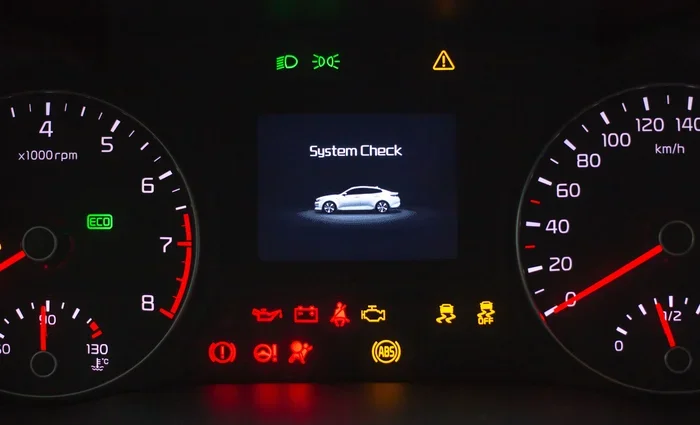
- Low oil pressure warning light on your dashboard
- Oil smells burnt when you open the hood
Ignoring a bad filter can lead to expensive repairs. In some cases, the damage is so severe that a full engine rebuild or replacement becomes necessary. That is a cost that dwarfs the price of a simple filter replacement. Staying on top of your car maintenance schedule is the best way to avoid these scenarios.
Expert Insights on Oil Filter Costs
We spoke with several certified mechanics to get their take on oil filter costs and replacement best practices. Here is what they had to say:
Mark T., ASE Certified Mechanic: “I see a lot of customers who wait too long to change their oil filter. It is a cheap part, but it protects an expensive engine. I always tell people to change it with every oil change. It is the easiest insurance you can buy for your vehicle.”
Sarah L., Independent Shop Owner: “The biggest money-waster I see is people using cheap filters. A $5 filter might seem like a deal, but it may not filter properly. I recommend spending a little more on a quality filter. It saves you from bigger problems down the road.”
James R., Service Manager at a Dealership: “If you are unsure about what filter to use, stick with the OEM part. It is designed for your specific engine. Yes, it costs a bit more, but the fit and performance are unmatched.”
Final Thoughts
The oil filter replacement cost is one of the most affordable investments you can make in your vehicle. Whether you spend $20 doing it yourself or $100 at a shop, the protection it provides to your engine is well worth the price. A clean filter means clean oil, better engine performance, and a longer life for your car.
Do not let the cost scare you away from regular maintenance. This is one job where spending a little now saves a lot later. Keep up with your oil filter replacements, and your engine will thank you for years to come. Your wallet will thank you too.
Remember, the best time to change your oil filter is before it becomes a problem. Stay proactive, stay informed, and keep your car running strong.
Frequently Asked Questions
How much does it cost to replace an oil filter at a dealership?
Dealerships typically charge between $80 and $150 for an oil filter replacement, including parts and labor. The exact price depends on your vehicle make and model. OEM filters used by dealerships may cost more than aftermarket options, but they ensure a perfect fit and reliable performance.
Can I reuse my old oil filter?
No, you should always replace your oil filter with a new one. Reusing an old filter means it cannot properly clean your oil. Contaminants trapped in the old filter will continue circulating through your engine, causing increased wear and potential damage over time.
How long does an oil filter replacement take?
A professional mechanic can replace an oil filter in about 15 to 30 minutes. If you are doing it yourself for the first time, it might take 45 minutes to an hour. The process is straightforward and becomes faster with practice. Just make sure you have the right tools and a catch pan ready.
What happens if I do not change my oil filter?
Without a functioning oil filter, dirt and debris circulate through your engine. This causes increased friction, overheating, and accelerated wear on engine components. Over time, a neglected filter can lead to costly engine repairs or even complete engine failure.
Is it better to change the oil and filter at the same time?
Yes, absolutely. Most manufacturers recommend replacing the oil filter every time you change the oil. Since both jobs require draining the old oil, doing them together saves time and labor costs. It also ensures your engine always has clean oil and proper filtration.
Can a dirty oil filter affect my car’s performance?
Yes, a clogged oil filter restricts oil flow to your engine. This can cause reduced engine performance, lower fuel efficiency, and unusual noises. In severe cases, it may trigger your oil pressure warning light. Regular filter changes keep your engine running smoothly and efficiently.
=== CONCLUSION ===
The oil filter replacement cost is small compared to the protection it provides. Whether you choose a DIY approach for around $20 to $40 or visit a mechanic for $50 to $150, this simple maintenance task pays for itself many times over. Keep your filter fresh, follow your vehicle’s recommended schedule, and enjoy a healthier, longer-lasting engine.