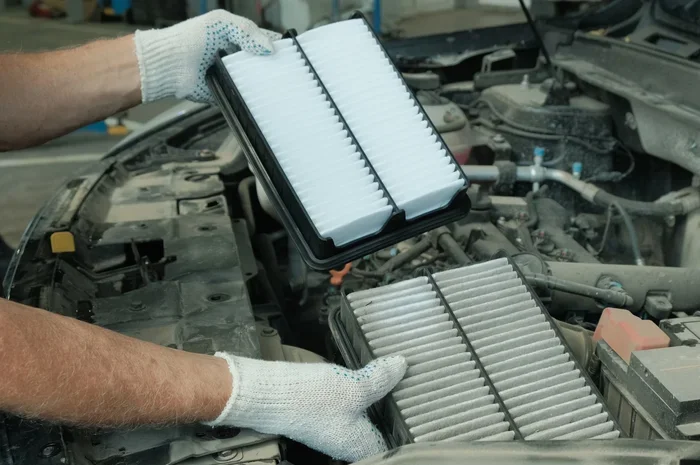
How Long Do Engine Air Filters Last and When to Replace Them
Your engine air filter typically lasts between 15,000 and 30,000 miles, but driving conditions can shorten that lifespan significantly. A dirty engine air filter reduces fuel efficiency, hurts engine performance, and can lead to costly repairs. This guide covers replacement intervals, warning signs, and practical tips to keep your car running smoothly.
Your car’s engine air filter works silently behind the scenes. It traps dust, dirt, pollen, and other particles before they can enter your engine. Without a clean filter, those contaminants would cause serious damage over time.
But here is the question every car owner faces: how long do engine air filters actually last? The answer is not as simple as a single number. Your driving habits, local environment, and the type of filter you use all play a role. This guide breaks everything down so you know exactly when to replace your filter and how to spot the warning signs early.
Understanding your engine air filter is one of the easiest ways to extend your vehicle’s life. A clean filter improves fuel economy, boosts engine power, and keeps your car running smoothly for years. Let us dive into everything you need to know about air filter replacement.
Key Takeaways
- Standard replacement interval: Most engine air filters need changing every 15,000 to 30,000 miles under normal driving conditions.
- Driving conditions matter: Dusty roads, heavy traffic, and off-road driving can cut your filter lifespan in half.
- Watch for warning signs: Reduced fuel economy, strange engine sounds, and a check engine light all point to a clogged filter.
- Replacement is affordable: A new engine air filter costs between $15 and $50, and you can often do it yourself.
- Different filters last differently: Paper filters are disposable, while reusable filters need cleaning but last longer.
- Regular checks save money: Inspecting your filter every few months prevents bigger engine problems down the road.
📑 Table of Contents
- What Does an Engine Air Filter Do?
- How Long Do Engine Air Filters Last?
- Warning Signs Your Engine Air Filter Needs Replacement
- How Often Should You Replace Your Air Filter?
- Can You Replace an Engine Air Filter Yourself?
- How Much Does an Engine Air Filter Cost?
- Common Mistakes People Make with Air Filters
- How Regular Maintenance Keeps Your Filter Working
- How Driving Conditions Affect Filter Lifespan
- What Happens If You Never Replace Your Air Filter?
- How Air Filters Compare to Other Maintenance Items
- Expert Tips for Maximizing Your Air Filter Life
- Final Thoughts on Engine Air Filter Replacement
What Does an Engine Air Filter Do?
Your engine needs air to burn fuel efficiently. But that air carries dust, debris, and microscopic particles. The engine air filter acts as a barrier, catching those contaminants before they reach sensitive engine components like cylinders and pistons.
Think of it like a mask for your engine. Just as a mask filters the air you breathe, the air filter cleans the air your engine uses. Over time, that filter fills up with trapped particles. When it gets too clogged, air cannot flow through properly, and your engine starts to suffer.
A dirty filter forces your engine to work harder. It pulls less air, which creates an imbalance in the fuel-air mixture. This leads to reduced performance, higher fuel consumption, and eventually, expensive damage. Replacing your filter on time prevents all of these problems.
How Long Do Engine Air Filters Last?
The standard recommendation from most manufacturers is to replace your engine air filter every 15,000 to 30,000 miles. However, this range is broad for a reason. Your actual filter lifespan depends on several key factors.
Normal Driving Conditions
If you mostly drive on paved roads in clean urban areas, your filter can easily last 30,000 miles. Highway driving with steady speeds puts less stress on the filter compared to stop-and-go city traffic. Under these ideal conditions, many car owners go the full 30,000 miles without a problem.
Still, it is a good habit to inspect your filter at least once every 10,000 miles. A quick visual check takes only a few minutes and can save you from unexpected issues. If the filter looks dark and clogged, go ahead and replace it even if you have not hit the mileage mark.
Severe Driving Conditions
Severe conditions shorten your filter’s life dramatically. If you regularly drive on gravel roads, construction zones, or dusty trails, your filter works much harder. It fills up with debris faster and needs replacement sooner.
Stop-and-go traffic in crowded cities also counts as severe driving. The constant idling and low speeds pull in more concentrated exhaust and particulate matter. If you live in a dry, windy area with lots of dust, your filter will clog more quickly too.
In these situations, plan to replace your filter every 15,000 miles or even more frequently. Many mechanics recommend a 15,000-mile interval for anyone who drives in tough conditions regularly.
Type of Air Filter Matters
The kind of filter you use also affects how long it lasts. Most vehicles come with a disposable paper filter from the factory. These are affordable and effective but need full replacement once they get dirty.
Reusable or washable filters, like K&N performance filters, are a different story. They use a cotton or foam element that you can clean and reinstall. These filters can last the lifetime of your vehicle if maintained properly. However, they cost more upfront and require regular cleaning every 25,000 to 50,000 miles.
Here is a quick comparison of the two main types:
- Paper filters: Disposable, affordable, replaced every 15,000 to 30,000 miles. Best for most daily drivers.
- Reusable filters: Washable, longer-lasting, cleaned every 25,000 to 50,000 miles. Great for performance vehicles and off-road drivers.
- Foam filters: Often used in off-road and agricultural vehicles. Require frequent cleaning in dusty environments.
- High-efficiency filters: Trap smaller particles than standard filters. May need more frequent replacement in polluted areas.
Warning Signs Your Engine Air Filter Needs Replacement
Your car will tell you when the air filter is going bad. You just need to know what to look for. Catching these signs early keeps your engine healthy and prevents more expensive repairs.
Reduced Fuel Economy
A clogged filter restricts airflow to the engine. Your engine compensates by burning more fuel to produce the same amount of power. If you notice you are visiting the gas station more often, a dirty engine air filter could be the culprit. This is one of the most common and easiest-to-fix causes of poor fuel economy.
Sluggish Engine Performance
When your filter is dirty, your engine gets less air than it needs. This creates a rich fuel mixture that makes your car feel slow and unresponsive. You might notice hesitation when accelerating or a general lack of power. If your car feels sluggish, check the air filter before assuming something more serious.
Unusual Engine Sounds
A restricted airflow can cause your engine to misfire or run rough. You might hear popping, sputtering, or a rough idle. These sounds often point to an imbalanced fuel-air mixture caused by a clogged filter.
Check Engine Light
In some vehicles, a severely dirty air filter triggers the check engine light. If your light comes on, it is worth checking the filter first. Sometimes the issue is simple and inexpensive to fix. You can read more about handling the check engine light in our guide on Can I Clear The Check Engine Light Myself.
Black Soot or Dark Appearance
Pop the hood and look at your air filter. A clean filter is white or light gray. If you see black soot or heavy discoloration, it is time for a replacement. This visual check is one of the easiest ways to assess filter health without any tools.
Strong Smell When Starting the Car
A clogged filter can cause unburned fuel to exit the exhaust, creating a noticeable fuel smell when you start the car. If you smell gasoline near your vehicle or from the exhaust, inspect your air filter right away.
How Often Should You Replace Your Air Filter?
The right replacement schedule depends on your vehicle, driving habits, and environment. Let us break down the general guidelines.
Manufacturer Recommendations
Your owner’s manual is the best starting point. Most manufacturers suggest replacing the engine air filter every 15,000 to 30,000 miles. Some newer vehicles have maintenance reminder systems that alert you when it is time for a change.
Keep in mind that these recommendations assume normal driving conditions. If your driving is harsher than average, you should replace the filter more frequently.
Mileage-Based Replacement Schedule
Here is a practical mileage-based schedule to follow:
- Every 15,000 miles: Replace if you drive in dusty areas, on gravel roads, or in heavy city traffic.
- Every 20,000 miles: A solid middle ground for mixed driving conditions.
- Every 30,000 miles: Suitable for highway drivers in clean, urban environments.
Sticking to a regular schedule prevents surprises. Set a reminder on your phone or mark it in your car maintenance journal. Consistent vehicle maintenance like this keeps your engine running strong and avoids costly repairs later.
Seasonal Considerations
Your driving environment changes with the seasons. Spring brings pollen and dust. Summer can mean dry, windy conditions. Fall leaves and debris can clog filters. Winter road salt and grit are also harmful. Consider checking your filter at the start of each season to stay ahead of the problem.
Can You Replace an Engine Air Filter Yourself?
Absolutely. Replacing an engine air filter is one of the simplest car maintenance tasks you can do at home. Most filters are located under the hood in a rectangular box near the top of the engine. You usually just need a screwdriver and a few minutes.
Here is a quick step-by-step process:
- Turn off your engine and let it cool for a few minutes.
- Open the hood and locate the air filter box.
- Release the clips or screws holding the box lid.
- Remove the old filter and note which direction it was facing.
- Insert the new filter in the same orientation.
- Close the box and secure the clips or screws.
If you are not comfortable doing it yourself, any auto parts store or dealership can handle the swap for you. Many places, including AutoZone, can also inspect your filter for free. You can learn more about what AutoZone offers in our article on Can AutoZone Check Engine Light.
How Much Does an Engine Air Filter Cost?
One of the best things about air filter replacement is how affordable it is. A standard engine air filter costs between $15 and $50 for most passenger vehicles. High-performance or reusable filters may cost more upfront but save money over time.
If you replace it yourself, the cost is just the price of the filter. If you go to a shop, you might pay an additional $10 to $25 for labor. Either way, it is a very low-cost maintenance item that delivers big returns in engine health and fuel savings.
Compare that to the cost of fixing engine damage caused by a neglected filter. A clogged filter can lead to reduced airflow, which causes carbon buildup, fouled spark plugs, and even catalytic converter damage. Those repairs can cost hundreds or even thousands of dollars. A simple filter replacement is a tiny investment with enormous payoff.
Common Mistakes People Make with Air Filters
Even though air filter replacement is simple, people still make avoidable mistakes. Here are the most common ones:
- Waiting too long to replace: Many drivers ignore the recommended interval until problems appear. By then, engine damage may already be starting.
- Using the wrong filter type: Not all filters fit every vehicle. Always check your owner’s manual or consult a parts specialist before buying.
- Forgetting to check the filter housing: When you replace the filter, inspect the housing for debris or damage. A cracked box lets unfiltered air bypass the filter entirely.
- Ignoring the cabin air filter: Many people confuse the engine air filter with the cabin air filter. The cabin filter cleans the air inside your car. Both need regular attention.
- Reusing a disposable filter: Paper filters are not meant to be cleaned and reused. Trying to do so reduces their effectiveness and can harm your engine.
How Regular Maintenance Keeps Your Filter Working
Routine car maintenance goes a long way in protecting your air filter. During regular oil changes or inspections, ask your mechanic to check the filter. Many service centers include a visual inspection as part of their standard checklist.
If you want a thorough evaluation of your vehicle’s overall health, consider scheduling a professional inspection. Dealerships and independent shops both offer comprehensive check-ups. You can read more about what to expect in our guide on Do Dealerships Offer Car Inspections.
Staying on top of your maintenance schedule also helps you track filter replacement intervals. Keeping a log of when you changed your filter, oil, and other fluids gives you a clear picture of your car’s health over time.
How Driving Conditions Affect Filter Lifespan
Your environment has a huge impact on how quickly your engine air filter gets dirty. Let us look at a few common scenarios:
If you live in a rural area with unpaved roads, your filter will clog faster. Construction zones and agricultural areas also expose your car to more dust and debris. City drivers dealing with heavy traffic and exhaust fumes face their own challenges.
Even the altitude where you live matters. Higher altitudes have thinner air and more airborne particles. If you drive in the mountains regularly, you may need to replace your filter more often.
The key takeaway is to be aware of your driving environment and adjust your replacement schedule accordingly. When in doubt, inspect the filter more frequently and replace it sooner rather than later.
What Happens If You Never Replace Your Air Filter?
Skipping air filter replacement might seem harmless at first. But over time, the consequences add up. A completely clogged filter starves your engine of air. This creates a rich fuel mixture that burns inefficiently.
Your engine will lose power, waste fuel, and produce more emissions. In severe cases, the lack of clean air can cause engine overheating and internal damage. Spark plugs can foul, and the catalytic converter can become blocked. These are expensive repairs that a simple filter change could have prevented.
Some drivers wonder if a dirty filter triggers the check engine light or if it affects their ability to pass emissions testing. The answer is yes to both. A clogged filter directly impacts combustion efficiency, which can cause emissions to spike and trigger warning lights on your dashboard.
How Air Filters Compare to Other Maintenance Items
To put air filter replacement in perspective, here is how it compares to other common maintenance tasks:
- Oil change: Every 5,000 to 7,500 miles. More frequent and more expensive than an air filter change.
- Tire rotation: Every 5,000 to 7,500 miles. Important for safety and tire longevity.
- Brake pad replacement: Every 25,000 to 70,000 miles. More costly and complex than filter replacement.
- Spark plug replacement: Every 30,000 to 100,000 miles. More involved and expensive than changing an air filter.
- Engine air filter: Every 15,000 to 30,000 miles. One of the easiest and cheapest maintenance tasks you can do.
As you can see, air filter replacement is one of the least expensive and most impactful maintenance items on your vehicle. It takes minutes and costs very little, yet it protects your engine and improves performance.
Expert Tips for Maximizing Your Air Filter Life
Want to get the most out of your engine air filter? Follow these expert-backed tips:
- Store replacement filters in a dry, clean area until you are ready to install them.
- Always check the filter orientation before installing the new one.
- Tap the filter gently against a hard surface to remove loose debris during inspections.
- Consider a reusable filter if you drive in moderate conditions and want to reduce waste.
- Replace the filter before long road trips to ensure peak engine performance.
- Keep your engine bay clean. Less dust and debris around the filter area means a longer-lasting filter.
These small habits make a big difference over the life of your vehicle. Consistent attention to your air filter pays dividends in engine longevity and fuel savings.
Final Thoughts on Engine Air Filter Replacement
Your engine air filter is a small but mighty component. It protects your engine from harmful particles, improves fuel efficiency, and keeps your car running at its best. Replacing it every 15,000 to 30,000 miles is one of the simplest things you can do for your vehicle.
Do not wait for warning signs to appear. Make filter inspection a regular part of your car care routine. A few minutes of attention now can save you from expensive engine repairs later.
Whether you do it yourself or visit a mechanic, staying on top of your air filter replacement is one of the best investments you can make in your car’s long-term health. Your engine will thank you with better performance, improved fuel economy, and many more miles of reliable service.
Frequently Asked Questions
How do I know if my engine air filter needs replacing?
Look for signs like reduced fuel economy, sluggish acceleration, a check engine light, or a dark, dirty appearance when you inspect the filter. A simple visual check under the hood can tell you a lot. If the filter looks gray or black and clogged, it is time for a replacement.
Can I drive with a dirty engine air filter?
You can drive short distances with a dirty filter, but it is not recommended. A clogged filter reduces engine performance, wastes fuel, and can cause long-term damage. Replace it as soon as possible to protect your engine and maintain good fuel economy.
What happens if I don’t replace my air filter for too long?
A severely neglected filter can starve your engine of air, causing poor combustion, engine misfires, and increased emissions. Over time, it can lead to costly repairs like spark plug replacement or catalytic converter damage. Staying on schedule prevents these expensive problems.
Does a cabin air filter affect the engine air filter?
No, they are separate components. The cabin air filter cleans the air inside your car, while the engine air filter cleans the air going into the engine. Both need regular attention, but they serve different purposes and have different replacement schedules.
Can I clean and reuse a disposable engine air filter?
No, disposable paper filters are designed for single use. Cleaning them can damage the filter material and reduce its ability to trap particles. Always install a new disposable filter when the old one is dirty. Reusable filters are the exception and are specifically designed for cleaning.
How often should I check my air filter?
Inspect your air filter every 10,000 to 15,000 miles or at least once every six months. Regular checks help you catch problems early and avoid the consequences of a clogged filter. It only takes a few minutes and requires no special tools.