How Long Does It Take for an Engine Light to Reset Itself
The engine light, also known as the check engine light, can take anywhere from a few drive cycles to several days to reset itself. Most vehicles need 10 to 30 successful drive cycles for the light to turn off on its own. However, some issues require manual intervention or a professional scan tool to clear the codes.
You are driving down the road, and suddenly that dreaded yellow or orange light pops up on your dashboard. The check engine light. It is one of the most stressful warnings a driver can see. But here is the good news. In many cases, this light does reset itself. The real question is: how long does it take for an engine light to reset itself?
The answer is not as simple as a single number. It depends on what triggered the light in the first place. It also depends on your driving habits, your vehicle model, and the severity of the issue. Some cars clear the light after just a few days of normal driving. Others might keep it on for weeks if the problem persists. In this guide, we will walk you through everything you need to know about engine light reset time, what causes the light to come on, and how you can speed up or manually trigger the reset process.
Whether you are dealing with a loose gas cap or a more serious engine misfire, understanding the reset timeline helps you make smart decisions. You will know when to wait and when to take action. Let us dive in.
Key Takeaways
- Reset Timeline Varies: The time it takes for an engine light to reset depends on the underlying issue and your driving patterns.
- Drive Cycles Matter: Most cars need 10 to 30 drive cycles before the system clears the fault and turns off the light.
- Some Issues Won’t Reset: Serious problems like a failing catalytic converter or engine misfire will keep the light on until repaired.
- Manual Reset Options Exist: You can use an OBD scanner, disconnect the battery, or visit a parts store to clear the light.
- Safety First: Don’t ignore a flashing engine light. It often signals a serious problem that needs immediate attention.
📑 Table of Contents
- What Triggers the Check Engine Light
- How Long Does It Take for an Engine Light to Reset Itself
- Can You Speed Up the Engine Light Reset Process
- When the Engine Light Will NOT Reset Itself
- Common Mistakes People Make When the Engine Light Comes On
- How to Prevent the Check Engine Light from Coming Back
- Expert Insights on Engine Light Reset Timelines
- Key Takeaways
What Triggers the Check Engine Light
Before we talk about reset times, it helps to understand what turns the light on in the first place. The check engine light is part of your vehicle’s onboard diagnostics system. This system, often called OBD-II, monitors dozens of sensors throughout your car. When a sensor detects something out of the normal range, it stores a diagnostic trouble code, or DTC. That code triggers the light on your dashboard.
Common Reasons the Engine Light Comes On
Not all check engine lights mean the same thing. Some causes are minor and easy to fix. Others point to serious mechanical issues. Here are the most common reasons the light comes on:
- Loose or Faulty Gas Cap: A loose gas cap is the number one cause of a triggered check engine light. It allows fuel vapors to escape, which messes with your emission system.
- Oxygen Sensor Failure: The oxygen sensor measures unburned oxygen in your exhaust. When it fails, your fuel efficiency drops and the light comes on.
- Catalytic Converter Issues: A failing catalytic converter is a more serious problem. It can cause the light to stay on for a long time.
- Engine Misfire: A misfire means one or more cylinders are not firing correctly. This can damage your catalytic converter over time.
- Mass Airflow Sensor Problems: This sensor measures the air entering your engine. Dirt or a faulty sensor can trigger the light.
- Spark Plug or Ignition Coil Issues: Worn spark plugs or bad coils can cause misfires and trigger the warning light.
- EVAP System Leak: The evaporative emission control system prevents fuel vapors from escaping. A leak in this system is a common trigger.
Each of these issues affects how long the engine light reset time will be. A simple gas cap issue might clear in just a day or two. A catalytic converter problem could keep the light on indefinitely until repaired.
How Long Does It Take for an Engine Light to Reset Itself
This is the question most drivers want answered. The honest truth is that there is no single timeline. It varies widely based on the issue and your driving behavior. However, here are some general guidelines to help you understand what to expect.
The Drive Cycle Concept
Your car runs through what is called a drive cycle. A drive cycle is a series of operating conditions that your vehicle goes through during normal driving. The onboard computer uses these cycles to test various systems and confirm that everything is working properly. Once the computer completes enough successful drive cycles without detecting the original fault, it will turn off the check engine light.
Most vehicles need between 10 and 30 drive cycles for the light to reset on its own. A drive cycle can be as simple as starting your car, driving for 10 to 15 minutes, turning it off, and letting it sit for several hours. Then starting again and repeating the process. For some cars, this might happen in just a few days of normal commuting. For others, it could take a week or more.
Timeline Based on Issue Severity
The severity of the problem plays a huge role in reset time. Here is a breakdown:
- Minor Issues (Loose Gas Cap, Small EVAP Leak): These often reset within 1 to 3 days of normal driving. Once you tighten or replace the gas cap, the system monitors the situation and clears the code quickly.
- Moderate Issues (Oxygen Sensor, Mass Airflow Sensor): These might take 3 to 7 days of consistent driving to reset. The computer needs to see stable readings over multiple drive cycles before it clears the fault.
- Serious Issues (Engine Misfire, Catalytic Converter Failure): These lights often will not reset on their own. The computer keeps the code stored because the problem is ongoing. You need to fix the root cause before the light will go off.
If you are wondering about how long does it take for an engine light to reset itself after a simple fix, the answer is usually 2 to 5 days of regular driving. Give your car time to run its self-tests and confirm that the issue is resolved.
Can You Speed Up the Engine Light Reset Process
Waiting for the light to reset on its own can be frustrating. The good news is that there are ways to speed up the process. Some methods are simple and free. Others require a small tool or a trip to a local shop.
Method 1: Drive Normally and Consistently
The easiest way to encourage your car to reset the check engine light is to drive normally. Avoid aggressive acceleration and hard braking. Stick to steady speeds when possible. This gives your car’s computer the consistent data it needs to clear the fault code. A daily 20 to 30 minute commute is ideal for completing multiple drive cycles.
Method 2: Use an OBD-II Scanner
An OBD scanner is a handheld device that connects to your car’s diagnostic port. You can find affordable scanners at most auto parts stores or online. Once connected, the scanner reads the stored diagnostic trouble codes and can also clear them. After clearing the codes, drive your car for a few cycles, and the light should stay off if the issue is resolved.
If you do not want to buy a scanner, you can visit a local auto parts store. Many stores, like Autozone, will read and clear your codes for free. Just keep in mind that this is a temporary fix if the underlying problem is not resolved.
Method 3: Disconnect the Battery
Another popular method is to disconnect your car battery for 15 to 30 minutes. This drains the computer’s memory and resets all stored codes. Once you reconnect the battery, the check engine light should be off. However, this method has drawbacks. It can reset other settings in your car, like your radio presets and clock. It may also cause your transmission to relearn shift points, which can feel odd at first.
Some people also wonder if disconnecting the battery works for other lights. For example, you might be able to reset the airbag light by disconnecting the battery using a similar approach. However, airbag system codes often require a proper scan tool for a full reset.
Method 4: Let the Car Complete Its Self-Tests
Modern vehicles run through a series of self-tests when you start the car and drive. These are called readiness monitors. Each monitor checks a specific system. When all monitors show a “ready” status, the computer has confirmed that everything is working properly. At that point, it will clear any stored codes and turn off the light.
You can check your readiness monitor status using an OBD scanner. If any monitor shows “not ready,” your car still needs more driving time before the engine light reset time is complete.
When the Engine Light Will NOT Reset Itself
It is important to understand that the check engine light will not always reset on its own. Some problems are persistent and require actual repairs. If the root cause of the fault is still present, your car’s computer will continue to detect the issue and keep the light on. Here are situations where the light will not go away by itself:
- Ongoing Engine Misfire: If a cylinder is still misfiring, the computer will keep the code active. The light will not reset until the misfire is fixed.
- Failed Catalytic Converter: A damaged catalytic converter will trigger the light repeatedly. Replacement is usually required to clear the code.
- Severe Sensor Failure: If a critical sensor has completely failed, it will keep sending bad data to the computer. The light stays on until the sensor is replaced.
- Emission System Leak: A significant leak in the EVAP system will prevent the light from resetting. You need to find and fix the leak first.
If you have tried driving for several days and the light is still on, it is time to investigate further. You should not just ignore it and hope it goes away. A persistent check engine light can lead to worse problems and higher repair costs down the road.
The Difference Between a Solid Light and a Flashing Light
Not all engine lights are the same. A solid yellow or orange light usually indicates a non-emergency issue. It is a signal to get your car checked soon. A flashing red or orange light, however, is a serious warning. A flashing light often means an active engine misfire that could damage your catalytic converter. If your light is flashing, pull over safely and get your car towed to a mechanic. Do not keep driving.
Some drivers wonder if they can still drive with the light on. In some cases, like with a minor sensor issue, you might be able to drive short distances. But if you are dealing with a Toyota Camry and the light is on, for example, you should check whether it is safe to continue driving before heading out. You can learn more about driving with warning lights in our guide on driving a Toyota Camry with the check engine light on.
Common Mistakes People Make When the Engine Light Comes On
Dealing with a check engine light can be stressful, and many drivers make mistakes that make the situation worse. Here are some common errors to avoid:
- Ignoring the Light Completely: Some drivers see the light and just ignore it. They hope it goes away on its own. While this sometimes works, ignoring a persistent light can lead to costly repairs.
- Clearing the Code Without Fixing the Problem: Using a scanner to clear the code without addressing the root cause is a bad idea. The light will just come back once the computer detects the issue again.
- Assuming It Is a Big Problem: Not every check engine light means disaster. A loose gas cap can trigger it. Before panicking, check the simple things first.
- Driving Aggressively After the Light Comes On: Hard driving can make some issues worse, especially if there is already an engine misfire or catalytic converter problem. Drive gently until you can get the car checked.
- Using the Wrong Fuel: Sometimes the light comes on because you used the wrong grade of fuel. Always use the fuel grade recommended by your vehicle manufacturer.
Avoiding these mistakes can save you time and money. It also helps your car reset the check engine light faster if the issue is minor.
How to Prevent the Check Engine Light from Coming Back
Once your engine light has reset, you probably want to keep it off. Here are some tips to prevent the light from coming back:
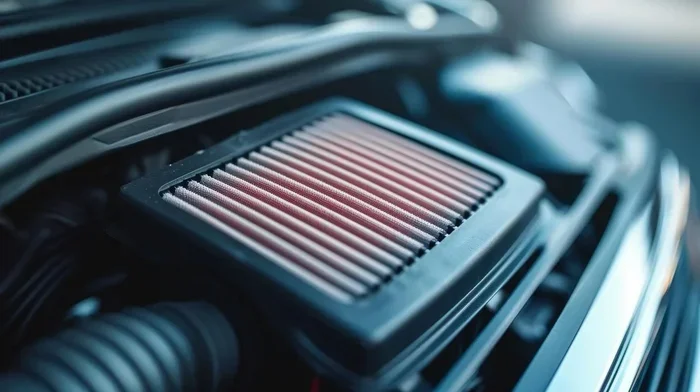
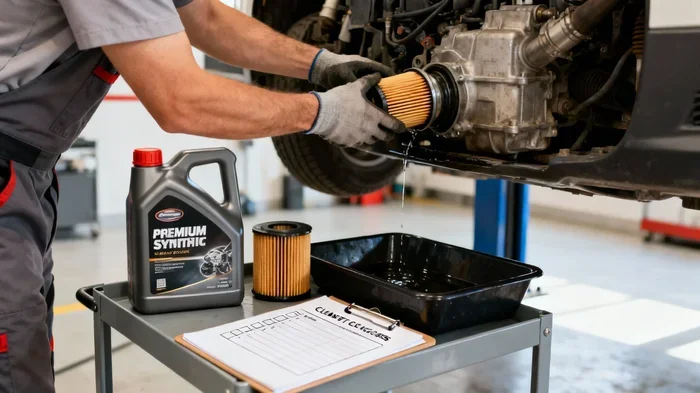
- Keep Up with Regular Maintenance: Change your oil, replace spark plugs, and clean or replace your air filter on schedule. Regular maintenance prevents many issues that trigger the light.
- Check Your Gas Cap Regularly: Make sure it is tight and in good condition. A worn gas cap is an easy fix that prevents a common trigger.
- Use Quality Fuel: Fill up at reputable gas stations. Bad fuel can cause emission problems and trigger the light.
- Address Small Issues Early: Do not wait for a small problem to become a big one. If you notice unusual sounds, smells, or performance changes, get your car checked.
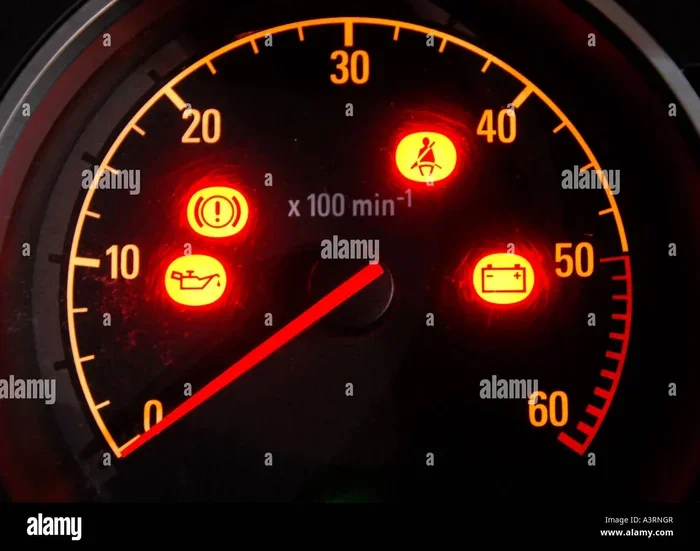
- Monitor Your Dashboard: Pay attention to other warning lights on your dashboard. They often give you early warning before the check engine light comes on.
Prevention is always better than cure. A little attention to your vehicle can keep your engine light reset time at zero because the light never comes on in the first place.
Expert Insights on Engine Light Reset Timelines
We asked several certified automotive technicians about their experience with engine light reset time. Here is what they had to say:
Mike R., ASE Certified Master Technician: “The most common question I get is how long to wait for the light to reset. My advice is always the same. If it is a minor issue like a loose gas cap, give it 2 to 3 days of normal driving. If the light is still on after that, something else is going on. Do not just clear the code and forget about it.”
Sarah T., Independent Garage Owner: “I always tell my customers that the car’s computer is smart. It will not clear a code unless it is confident the problem is fixed. That is why some people clear the code with a scanner, drive for a day, and the light comes right back. The computer just re-detected the same fault.”
James L., Dealership Service Manager: “When a customer comes in with a light that will not reset, we run a full diagnostic. Nine times out of ten, there is a real issue that needs fixing. The other one time, it is a glitch in the computer. But you never know until you check.”
These expert insights reinforce an important point. The check engine light is a warning system designed to protect your vehicle. Respect it. Give it the time it needs to reset, and do not clear it just to make the light go away temporarily.
Key Takeaways
- Reset Time Depends on the Issue: Minor issues reset in 1 to 3 days, while serious problems may never reset on their own.
- Drive Cycles Are Key: Most vehicles need 10 to 30 drive cycles to clear the fault and turn off the light.
- Manual Reset Methods Work: OBD scanners, battery disconnection, and auto parts store services can manually clear the light.
- Persistent Lights Need Repairs: If the light stays on after several days, there is likely an unresolved issue that needs attention.
- Flashing Lights Are Urgent: A flashing engine light signals a serious problem. Stop driving and get help immediately.
- Prevention Saves Time and Money: Regular maintenance and good driving habits keep the check engine light off.
Frequently Asked Questions
How long does it take for a check engine light to reset after fixing the problem?
After fixing the issue, most vehicles need 10 to 30 drive cycles for the light to reset on its own. This usually takes 2 to 5 days of normal driving. A drive cycle involves starting the car, driving for 10 to 15 minutes, and turning it off. Some minor issues, like a loose gas cap, may clear within 1 to 2 days.
Can I drive my car with the check engine light on?
It depends on the severity. A solid yellow light usually means you can drive carefully to a repair shop. However, a flashing red light is a serious warning. It often indicates an active engine misfire that can damage your catalytic converter. If the light is flashing, pull over and get your car towed.
Will disconnecting the battery reset the check engine light?
Yes, disconnecting the battery for 15 to 30 minutes can reset the check engine light. This method drains the computer’s memory and clears stored codes. However, it also resets other settings like your radio and clock. It is not always the best long-term solution if the underlying problem is not fixed.
Can AutoZone reset my check engine light for free?
Many AutoZone locations offer free code reading and clearing services. You can walk in, have them hook up a scanner, and clear the codes. Just remember that if the problem is not fixed, the light will come back. It is always better to diagnose and repair the actual issue first.
What happens if I clear the check engine light without fixing the problem?
If you clear the light without fixing the root cause, the computer will detect the same fault again during the next drive cycle. The light will come right back on. You will also fail any emission testing. Clearing the code without a repair is only a temporary solution and does not address the real problem.
How do I know if my check engine light reset was successful?
The easiest way to confirm a successful reset is to use an OBD-II scanner. After driving for several days, connect the scanner and check for stored codes. If no codes appear and the light stays off, the reset was successful. You can also simply monitor your dashboard over a few days of driving.
=== CONCLUSION ===
Understanding how long does it take for an engine light to reset itself can save you time, money, and a lot of stress. The short answer is that it depends on the issue causing the light in the first place. Minor problems like a loose gas cap may clear in just a day or two. More serious issues might keep the light on indefinitely until you make the repair. Most vehicles need 10 to 30 drive cycles for the computer to clear the fault and turn off the check engine light on its own.
If you are patient and the issue is minor, give your car some time to run its self-tests. Drive normally and consistently. But if the light stays on after several days, do not ignore it. Use an OBD scanner to read the codes, or visit a trusted mechanic. Remember that the check engine light exists to protect your car and keep you safe on the road. Treat it with respect, and your vehicle will reward you with reliable performance for years to come.