How Do You Revive a Hybrid Battery Quickly and Safely
Reviving a hybrid battery is possible in many cases with the right approach. Whether your hybrid battery is showing warning signs or has fully died, this guide walks you through safe revival methods you can try at home and when to call a professional. You will learn the warning signs, step-by-step revival techniques, and prevention tips to keep your hybrid battery healthy for years.
Your hybrid car battery is the heart of your vehicle’s electric system. When it starts to fade, the whole driving experience suffers. You might notice poor fuel economy, strange warning lights, or a car that just does not feel right. The good news is that reviving a hybrid battery is often possible, and you do not always need to spend thousands of dollars. This guide covers everything you need to know about bringing your hybrid battery back to life safely and effectively.
Whether you are dealing with a slightly weak hybrid battery or one that has completely died, the steps in this article will help you understand what is going on and what you can do about it. We will walk through the warning signs, home remedies, professional options, and prevention strategies. By the end, you will feel confident tackling your hybrid battery issues head-on.
Key Takeaways
- Resting the battery: A simple 30-minute rest can sometimes reset a hybrid battery and restore normal function.
- Watch for warning signs: Reduced fuel economy, dashboard warnings, and sluggish performance signal a struggling hybrid battery.
- Home revival methods work: Battery chargers, module resets, and deep discharge recovery are effective first steps.
- Know when to call a pro: Damaged modules or persistent problems need professional diagnosis and repair.
- Prevention is key: Regular maintenance and smart driving habits extend hybrid battery lifespan significantly.
- You can still drive safely: In many cases, you can still operate your vehicle while addressing hybrid battery issues.
📑 Table of Contents
Understanding Your Hybrid Battery
What Makes Hybrid Batteries Different
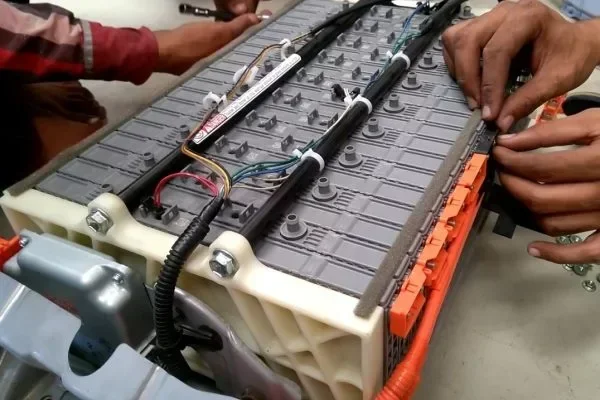
A hybrid battery is not like the regular car battery under your hood. It is a much larger, more complex pack made up of many smaller cells working together. Most hybrid vehicles use either nickel-metal hydride or lithium-ion battery technology. Each type has its own characteristics, but both serve the same purpose: storing energy to assist your gas engine and power electrical systems.
The hybrid battery works hand in hand with the battery management system, which monitors every cell. This system ensures balanced charging and discharging. When one cell starts to fail, the whole battery can suffer. Understanding this helps you see why hybrid battery revival sometimes requires attention to individual modules rather than the entire pack.
How Hybrid Batteries Work in Your Car
Your hybrid battery stores energy generated through regenerative braking. When you slow down or brake, the electric motor acts as a generator and sends power back to the battery. This is a clever system that keeps your battery charged during normal driving.
The hybrid battery also provides extra power during acceleration. This means your gas engine does not have to work as hard, which improves fuel economy. When the battery is healthy, this system works seamlessly. But when the hybrid battery starts to decline, you will notice the difference right away.
Warning Signs That Your Hybrid Battery Needs Revival
Dashboard Warning Lights
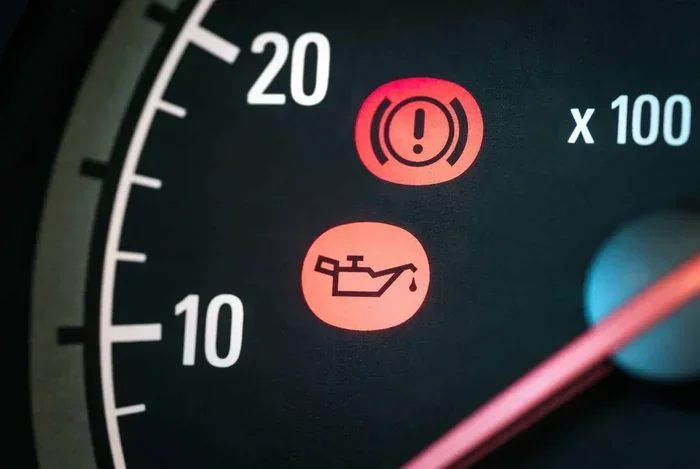
The most obvious sign is a warning light on your dashboard. Many hybrids display a specific hybrid battery alert or a check engine light. Do not ignore these warnings. They are your car telling you something needs attention. If you see a hybrid battery warning, it is time to investigate further.
Reduced Fuel Efficiency
One of the biggest benefits of a hybrid is excellent fuel economy. When your hybrid battery weakens, the gas engine picks up more of the slack. You will notice you are visiting the gas station more often. A sudden drop in miles per gallon is often one of the first signs of a hybrid battery problem.
Unusual Battery Behavior
Watch for strange patterns in how your battery behaves. Does the charge level drop quickly when you are idle? Does the car struggle to hold a charge after driving? These are common hybrid battery troubleshooting clues. Uneven charge levels across modules can also indicate cell degradation.
Sluggish Performance
A healthy hybrid battery delivers smooth, responsive power. When the battery weakens, you might feel hesitation during acceleration or a general lack of pep. Some drivers describe it as the car feeling “tired.” This sluggishness is a direct result of the battery not being able to deliver the power your car expects.
How to Revive a Hybrid Battery at Home
Method 1: Let the Battery Rest
This is the simplest method and it works surprisingly often. Turn off your car and remove the key from the ignition. Let the vehicle sit undisturbed for at least 30 minutes. This gives the battery management system time to reset and the cells time to stabilize.
After the rest period, start the car and check the state of charge. You may find that the battery读数 returns to normal. This technique works well when the battery has experienced a temporary voltage drop or minor electronic glitch.
Method 2: Use a Dedicated Hybrid Battery Charger
A proper hybrid battery charger can make a real difference. These chargers are designed specifically for nickel-metal hydride and lithium-ion packs. They apply a gentle, controlled charge that can bring weak cells back to full capacity.
Follow these steps when using a charger:
- Find your hybrid battery access point (consult your owner’s manual).
- Connect the charger according to the manufacturer’s instructions.
- Set the charger to the correct voltage and current for your battery type.
- Let the charger run for the recommended time, usually several hours.
- Disconnect and test the battery by driving the car normally.
Quick Tip: Never use a standard car battery charger on a hybrid battery. The voltage and current requirements are very different, and using the wrong charger can cause damage.
Method 3: Reset the Battery Management System
Sometimes the battery management system simply needs a reset. This clears any error codes and recalibrates the battery readings. To do this, disconnect the negative terminal of your regular 12-volt battery for about 15 minutes, then reconnect it.
This method does not fix a physically damaged hybrid battery, but it can resolve software-related issues that mimic battery failure. After reconnecting, drive the car for a few minutes and see if the warning lights clear up.
Method 4: Deep Discharge Recovery
In some cases, a deep discharge recovery process can revive a hybrid battery that has been sitting unused for a long time. This involves fully discharging the battery and then recharging it slowly. However, this method should only be attempted if you have experience with hybrid battery maintenance.
Deep discharge can stress the cells, so use this method sparingly. If the battery does not respond after one attempt, it is time to seek professional help.
Professional Hybrid Battery Services
When Home Methods Are Not Enough
If you have tried the home methods above and your hybrid battery still shows problems, it is time to visit a professional. A qualified technician can run diagnostic tests that pinpoint exactly which module or cell is failing. This level of precision is essential because replacing a single bad module is often much cheaper than replacing the entire hybrid battery pack.
Battery Reconditioning Services
Hybrid battery reconditioning is a professional service that restores weak battery cells to working condition. Technicians use specialized equipment to test each cell individually and then apply targeted treatments to restore performance. Many shops offer this service at a fraction of the cost of a full replacement.
Reconditioning typically costs between $1,000 and $3,000, depending on your vehicle model and the extent of the damage. Compare this to a full hybrid battery replacement, which can range from $2,000 to $8,000 or more. Reconditioning is almost always the more affordable option when it is viable.
Module Replacement vs. Full Replacement
Understanding the difference between these two options is important. Module replacement means swapping out only the faulty sections of your hybrid battery pack. This is less expensive and keeps the rest of your healthy cells in service. Full replacement means replacing the entire battery pack, which is more costly but sometimes necessary for severe damage.
Your technician can advise you on which option makes sense based on the diagnostic results. In many cases, module replacement extends the life of your hybrid battery by several more years.
Can You Still Drive With a Weak Hybrid Battery?
In many situations, yes. You can often still drive with a weak or partially dead hybrid battery, though the experience will not be ideal. The car may rely more heavily on the gas engine, which means worse fuel economy. Some vehicles will limit power output to protect the engine from overworking.
If you are wondering whether you can drive when the hybrid battery dies completely, the answer depends on your specific vehicle. Some hybrids can run on the gas engine alone, while others will not start at all without battery power. Check the article Can You Drive A Car If The Hybrid Battery Dies for detailed information on your specific model.
Preventing Future Hybrid Battery Problems
Regular Maintenance Tips
The best way to avoid hybrid battery problems is through regular maintenance. Here are some simple steps you can take:
- Keep your battery clean and free of corrosion on the terminals.
- Check the state of charge regularly, especially during seasonal changes.
- Follow the manufacturer’s recommended maintenance schedule.
- Have a professional inspect your hybrid battery at least once a year.
- Address warning signs immediately before they become bigger problems.
Driving Habits That Protect Your Battery
How you drive has a big impact on your hybrid battery health. Smooth, steady driving reduces stress on the battery pack. Avoid aggressive acceleration and hard braking whenever possible. Instead, take advantage of regenerative braking by easing off the accelerator early when slowing down.
Also, try not to let your car sit unused for extended periods. A hybrid battery that sits completely discharged for weeks or months can develop permanent damage. If you are not going to drive for a while, start the car and let it run for at least 15 minutes every week or two.
Temperature and Climate Considerations
Extreme temperatures affect hybrid battery performance. Very hot weather can accelerate battery degradation, while extreme cold can reduce the battery’s ability to hold a charge. If you live in an area with harsh winters or scorching summers, consider parking in a garage or shaded area whenever possible.
Some drivers invest in battery thermal management systems to keep their hybrid battery at an optimal temperature. While this is more common for full electric vehicles, it can also benefit hybrid owners in extreme climates.
Hybrid Battery Revival: What the Experts Say
Automotive experts agree that many hybrid battery issues are reversible if caught early. The key is to pay attention to warning signs and act quickly. Ignoring a weak battery can lead to cascading failures across multiple modules, making the problem much worse and more expensive to fix.
Experts also emphasize that proper hybrid battery maintenance goes a long way. Simple habits like monitoring charge levels, avoiding full discharges, and keeping connections clean can add years to your battery’s life. Think of it like maintaining the oil in your engine, but for the electric heart of your car.
If you are ever unsure about the health of your hybrid battery, a quick diagnostic check at a trusted shop can give you peace of mind. Many dealerships and independent shops offer free or low-cost hybrid battery diagnostics. Taking advantage of these services can save you from unexpected breakdowns and costly repairs down the road.
Conclusion
Reviving a hybrid battery is absolutely within reach for most car owners. Whether you choose to try simple home methods like resting the battery or using a dedicated charger, or you decide to seek professional reconditioning services, the important thing is to take action early. Catching the warning signs of a weak hybrid battery and addressing them quickly can save you hundreds or even thousands of dollars.
Remember that your hybrid battery is a durable component designed to last many years. With proper care and attention, you can keep it performing at its best. Follow the maintenance tips in this guide, drive smart, and your hybrid battery will reward you with reliable performance and excellent fuel economy for the long haul.
Do not let a fading hybrid battery ruin your driving experience. Use the strategies in this article, stay proactive about your vehicle’s health, and enjoy the many benefits of your hybrid car for years to come.
Frequently Asked Questions
How long does it take to revive a hybrid battery?
The time depends on the method you use and the severity of the battery issue. A simple rest period takes about 30 minutes. Using a dedicated charger can take anywhere from 2 to 8 hours. Professional reconditioning typically requires one to three days. The faster you address the problem, the easier and quicker the revival process will be.
Can you jump-start a hybrid battery?
Yes, in some cases. Jump-starting a hybrid battery is possible and is covered in detail in our guide on Can You Jump A Hybrid Battery. However, it is important to follow the correct procedures for your specific vehicle model. Improper jump-starting can damage the electrical system, so always consult your owner’s manual first.
How much does it cost to revive a hybrid battery?
Home methods like resting or using a charger cost little to nothing. Professional reconditioning typically ranges from $1,000 to $3,000. A full hybrid battery replacement can cost between $2,000 and $8,000. The best way to save money is to address battery issues early before they require expensive repairs or full replacement.
Is it safe to drive with a weak hybrid battery?
In most cases, yes. Many hybrids can still operate on the gas engine alone when the hybrid battery is weak. However, you will experience reduced fuel economy and possibly limited power. For specific guidance on your vehicle, check our article on whether you can drive with a dead hybrid battery.
How long should a hybrid battery last?
Most hybrid batteries are designed to last between 8 and 15 years, or roughly 100,000 to 150,000 miles. With proper maintenance and smart driving habits, some batteries last even longer. Factors like climate, driving style, and how well you maintain the battery all play a role in its lifespan.
Can a bad key fob drain the hybrid battery?
Yes, a faulty key fob can slowly drain your hybrid battery over time. The key fob communicates with the car even when you are not inside, and a malfunctioning fob can send constant signals that drain power. If you notice your battery is weak and you suspect the key fob, consider replacing the fob battery or having it inspected by a professional.