Does Car Insurance Cover Windshield Replacement Costs
Yes, car insurance can cover windshield replacement costs, but it depends on your policy type and the cause of the damage. Comprehensive coverage typically pays for windshield repairs or replacements from non-collision incidents like rocks, storms, and vandalism. Collision coverage may apply if the windshield was damaged in an accident. Understanding your deductible and coverage limits helps you decide whether to file a claim or pay out of pocket.
A cracked or shattered windshield is more than just an eyesore. It compromises your safety on the road and can lead to costly repairs if ignored. The big question most drivers face is whether their car insurance will foot the bill for a windshield replacement. The answer is not a simple yes or no. It depends on your policy type, the cause of the damage, and your specific coverage limits.
Understanding how auto insurance works when it comes to glass damage can save you hundreds of dollars. This guide breaks down everything you need to know about windshield replacement costs, what your policy covers, and how to decide whether filing a claim makes sense. Let us dive in.
Key Takeaways
- Comprehensive coverage is key: It usually covers windshield replacement when damage comes from non-collision events like falling debris, storms, or vandalism.
- Deductibles matter: You may need to pay your deductible before insurance kicks in, but some states require $0 deductible glass repair.
- Filing a claim can raise premiums: Weigh the cost of repair against potential rate increases before filing.
- OEM vs aftermarket glass: Your policy type determines whether you get original manufacturer glass or a cheaper alternative.
- Small cracks can be repaired: Minor damage under a certain size often qualifies for a simple repair instead of a full replacement.
- Full coverage does not mean full glass coverage: Many drivers confuse full coverage with comprehensive glass protection.
📑 Table of Contents
- What Does Car Insurance Cover for Windshield Damage?
- Does Full Coverage Car Insurance Cover Windshield Replacement?
- How Much Does Windshield Replacement Cost?
- When Should You File an Insurance Claim for Windshield Damage?
- Does Weather or Natural Disaster Damage Get Covered?
- How to File a Windshield Replacement Claim
- Can You Prevent Windshield Damage?
- Common Myths About Windshield Coverage
- State Laws and Windshield Insurance Requirements
- Key Takeaways
- Conclusion
What Does Car Insurance Cover for Windshield Damage?
Most standard car insurance policies do not automatically include windshield coverage. The type of coverage you have determines whether your insurer will pay for a new windshield. Let us look at the two main types of coverage that apply to glass damage.
Comprehensive Coverage
Comprehensive coverage is the primary type of insurance that covers windshield replacement. This coverage pays for damage caused by events that are not collisions. Here are some common scenarios where comprehensive coverage applies:
- Flying debris: A rock kicked up by another vehicle cracks your windshield on the highway.
- Vandalism: Someone smashes your windshield with a baseball bat or a brick.
- Storm damage: Hail, falling tree branches, or high winds break your glass.
- Animal collisions: A deer or large bird hits your windshield while driving.
- Fire or explosions: Nearby fires or chemical reactions damage your windshield.
Comprehensive coverage is optional in most states. If you have a loan or lease on your vehicle, your lender likely requires it. But if your car is paid off, you can choose to drop it. Keep in mind that dropping comprehensive coverage means you pay for all windshield repairs out of your own pocket.
For more details on what comprehensive coverage includes, check out our guide on does full coverage car insurance cover towing to understand the full scope of your protection.
Collision Coverage
Collision coverage kicks in when your windshield is damaged in a car accident. If you rear-end another vehicle and the impact cracks your windshield, collision coverage would apply. Similarly, if you hit a pothole and damage your glass, collision coverage may help pay for the replacement.
However, collision coverage comes with its own deductible. You will need to pay that amount before your insurer covers the rest. This is important to consider when deciding whether to file a claim for windshield damage.
Does Full Coverage Car Insurance Cover Windshield Replacement?
The term “full coverage” is one of the most misunderstood phrases in the insurance world. Many drivers believe full coverage means everything is covered. That is not the case. Full coverage typically refers to a combination of liability, collision, and comprehensive insurance. But it does not mean every type of damage is fully covered without any cost to you.
Here is what you need to know about full coverage and windshield replacement:
- Full coverage includes comprehensive: If you have full coverage, your policy likely includes comprehensive coverage, which covers non-collision windshield damage.
- Deductible still applies: Even with full coverage, you must pay your comprehensive deductible before your insurer pays the rest.
- Liability does not cover your windshield: Liability insurance only covers damage you cause to others. It does not pay for your own vehicle repairs.
Some policies offer full glass coverage as an add-on or rider. This type of endorsement may waive your deductible entirely for glass repairs. It is worth checking with your insurer to see if this option is available.
Understanding what your policy actually covers can prevent surprises when you file a claim. For related information on coverage limits and what they mean, read about does car insurance cover hit and run accidents to learn more about how different scenarios are handled.
How Much Does Windshield Replacement Cost?
The cost of replacing a windshield varies widely depending on several factors. On average, drivers can expect to pay between $200 and $400 for a standard replacement. However, the price can go much higher for certain vehicles and situations.
Factors That Affect Windshield Replacement Cost
Several factors determine how much you will pay for a new windshield:
- Vehicle make and model: Luxury and specialty vehicles cost more to replace. A windshield for a Ford F-150 costs less than one for a Mercedes-Benz S-Class.
- OEM vs aftermarket glass: Original Equipment Manufacturer glass is more expensive but matches the factory quality. Aftermarket glass is cheaper but may differ in quality.
- Advanced features: Windshields with built-in sensors, rain detectors, or heads-up displays cost significantly more to replace.
- Location: Labor costs vary by region. Urban areas tend to charge more than rural areas.
- Damage extent: If the frame or sensors are damaged, the total cost increases.
OEM vs Aftermarket Windshields
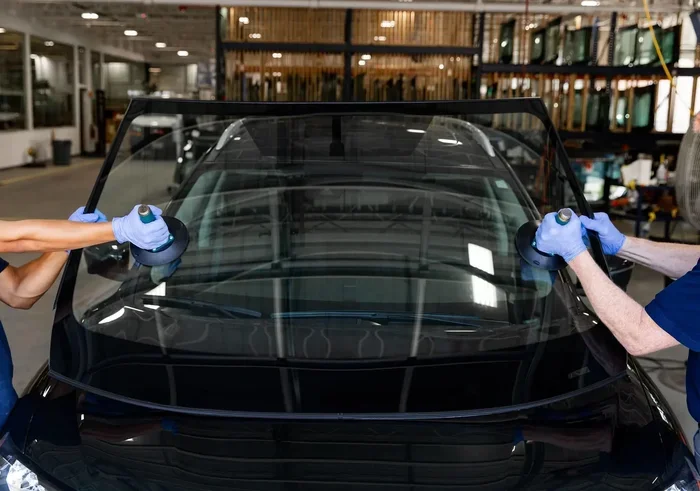
When replacing your windshield, you have two main options. OEM windshields are made by the original manufacturer or a supplier approved by the manufacturer. They match the exact specifications of your original glass. Aftermarket windshields are made by third-party manufacturers and are generally more affordable.
Your insurance policy type determines which option you receive. Comprehensive policies with OEM glass coverage will pay for the original manufacturer glass. Basic comprehensive plans may only cover aftermarket replacements. Always check your policy details before scheduling a replacement.
When Should You File an Insurance Claim for Windshield Damage?
Filing an insurance claim is not always the best decision. Sometimes paying out of pocket saves you money in the long run. Here is a simple way to think about it:
File a claim when:
- The replacement cost exceeds your deductible by a large margin.
- You have comprehensive coverage with a low or zero deductible.
- The damage was caused by a covered event like a storm or vandalism.
- You have a history of safe driving and your premiums are unlikely to increase.
Pay out of pocket when:
- The repair cost is close to or lower than your deductible.
- You have a high deductible plan.
- Filing a claim could trigger a premium increase that costs more than the repair.
- The damage is minor and can be repaired instead of replaced.
It is also worth noting that some insurers offer glass repair programs that do not count as a claim. These programs may cover the full cost of a windshield repair without affecting your rates. Ask your insurer about this option before making a decision.
For more guidance on when filing a claim makes sense, see our article on does car insurance cover damage from potholes which explains how different types of damage are evaluated by insurers.
Does Weather or Natural Disaster Damage Get Covered?
Weather-related windshield damage is one of the most common reasons drivers file comprehensive claims. The good news is that most comprehensive policies cover weather damage. But the specifics depend on the type of event and your policy details.
Hail Damage
Hail storms can cause multiple chips and cracks across your windshield. Most comprehensive policies cover hail damage fully. If your windshield is shattered by hail, your insurer should pay for the replacement minus your deductible. In some states, glass repair laws require $0 deductibles for windshield claims.
Storm and Wind Damage
High winds can blow debris into your windshield. Falling tree branches, flying trash, and other wind-borne objects are typically covered under comprehensive insurance. The key is that the damage must come from a non-collision event.
Acts of God and Natural Disasters
Events like earthquakes, floods, and tornadoes fall under the category of “acts of God.” Comprehensive coverage generally covers these events. However, flood damage to a vehicle as a whole may be subject to different rules. For a deeper look at how acts of God are handled by insurers, check out our article on does car insurance cover acts of god.
How to File a Windshield Replacement Claim
If you decide to file a claim, the process is straightforward. Follow these steps to get your windshield replaced and your claim processed smoothly.
- Document the damage: Take clear photos of the crack, chip, or shattered glass from multiple angles. Capture the full windshield and any surrounding damage.
- Contact your insurer: Call your insurance company or use their mobile app to start the claims process. Have your policy number ready.
- Get an estimate: Your insurer may require an estimate from an approved repair shop. Some companies have direct repair programs that handle everything for you.
- Choose a repair shop: Use an insurer-approved shop or a reputable local glass replacement service. Make sure they use quality glass that meets safety standards.
- Pay your deductible: When you pick up your vehicle, pay your deductible amount. Your insurer covers the rest directly to the shop.
- Keep all paperwork: Save the claim number, receipts, and any correspondence with your insurer for your records.
Most insurers process windshield claims faster than other types of claims because glass damage is common and relatively straightforward. Many companies offer mobile service where a technician comes to your location to replace the windshield.
For tips on how insurance claims work in different scenarios, read our guide on does insurance cover a hit and run parked car to understand the claims process for various types of damage.
Can You Prevent Windshield Damage?
While you cannot prevent every windshield incident, there are steps you can take to reduce the risk of damage. Prevention is always cheaper than replacement.
- Keep a safe following distance: Stay at least three seconds behind the vehicle in front of you. This gives rocks and debris more time to fall away from your windshield.
- Avoid driving behind construction trucks: These vehicles often carry loose gravel and debris that can chip your glass.
- Park in a garage or covered area: Protecting your vehicle from hail, falling branches, and vandalism reduces the risk of glass damage.
- Fix small chips quickly: A small chip can spread into a large crack over time. Addressing minor damage early prevents the need for a full replacement.
- Use a windshield sun shade: Extreme heat can weaken existing cracks and chips. A sun shade helps regulate temperature on your glass.
Taking these simple precautions can extend the life of your windshield and reduce the likelihood of needing a costly replacement. Some insurance companies even offer glass repair programs that cover minor chip repairs at no cost to encourage proactive maintenance.
Common Myths About Windshield Coverage
There are several myths surrounding windshield coverage that can confuse drivers. Let us clear up the most common ones.
Myth 1: Full coverage means your windshield is always free. Reality: Full coverage still requires you to pay your deductible. The insurer pays the rest.
Myth 2: Liability insurance covers your windshield. Reality: Liability insurance only covers damage you cause to others. Your own windshield damage is not covered by liability alone.
Myth 3: Filing a windshield claim always raises your rates. Reality: Many insurers do not increase premiums for comprehensive glass claims, especially if you have a clean driving record. Some even offer glass repair programs that do not count as claims at all.
Myth 4: Any auto shop can replace your windshield. Reality: For insurance-covered replacements, you typically need to use an approved shop. Using an unapproved shop may result in a denied claim.
Myth 5: Small cracks do not need immediate attention. Reality: Small cracks spread quickly due to vibration and temperature changes. Delaying repair often leads to a full replacement instead of a simple fix.
Understanding the facts helps you make informed decisions about your coverage and when to act on windshield damage.
State Laws and Windshield Insurance Requirements
Some states have specific laws regarding windshield coverage and replacement. These laws can affect your deductible, the type of glass used, and how claims are handled.
For example, states like Florida, Kentucky, and South Carolina have laws that require insurers to offer $0 deductible glass repair as part of comprehensive coverage. Other states have no specific windshield laws, leaving it up to the insurance company and the policyholder to agree on terms.
It is worth checking your state’s insurance regulations to understand your rights. If you live in a state with favorable glass repair laws, you may have better options for windshield replacement at little to no cost.
Key Takeaways
- Comprehensive coverage is essential: It is the primary type of insurance that covers windshield replacement from non-collision events like debris, storms, and vandalism.
- Collision coverage applies to accident damage: If your windshield is cracked in a car accident, collision coverage may help pay for the replacement.
- Deductibles play a big role: You pay your deductible before insurance covers the rest. Some states require $0 deductible for glass repairs.
- OEM glass costs more: Original manufacturer windshields are pricier than aftermarket options but offer better quality and compatibility.
- Filing a claim is not always worth it: Compare the repair cost to your deductible and potential premium increases before deciding.
- Prevention saves money: Safe driving habits and proactive repairs of small chips can prevent the need for full windshield replacement.
- State laws vary: Some states have specific windshield coverage requirements that benefit policyholders.
Conclusion
So, does car insurance cover windshield replacement costs? The short answer is yes, but only if you have the right coverage. Comprehensive coverage is the key player here. It covers most non-collision causes of windshield damage, from flying rocks to storm debris to vandalism. Collision coverage steps in when the damage happens during an accident.
Before you rush to file a claim, take a moment to evaluate the cost of the replacement against your deductible. Sometimes paying out of pocket is the smarter financial move. And if you have a low deductible or live in a state with favorable glass repair laws, filing a claim may be a no-brainer.
Understanding your car insurance policy and knowing what it covers puts you in a much better position when windshield damage strikes. Regular maintenance, safe driving distances, and prompt repairs of small chips all help keep your windshield in good shape and your insurance costs low.
Take the time to review your policy today. Knowing your coverage details now can save you stress and money the next time a rock flies up and cracks your windshield.
Frequently Asked Questions
Does liability insurance cover windshield replacement?
No, liability insurance only covers damage you cause to other people or their property. It does not pay for your own windshield replacement. You need comprehensive or collision coverage for your own glass damage.
Will filing a windshield claim raise my insurance rates?
Not always. Many insurers do not increase premiums for comprehensive glass claims, especially if you have a clean driving record. Some companies even offer glass repair programs that do not count as claims. However, multiple claims within a short period may trigger a rate increase.
How long does a windshield replacement take?
A professional windshield replacement typically takes between 30 minutes and one hour. Some mobile services can come to your location and complete the replacement on the spot. You should wait at least one hour before driving to allow the adhesive to cure properly.
Can I choose any repair shop for my windshield replacement?
It depends on your insurer. Many companies have preferred or approved repair networks. Using an approved shop ensures your claim is processed smoothly. Some insurers also offer direct billing, where they pay the shop directly and you only pay your deductible.
Is there a difference between OEM and aftermarket windshields?
Yes. OEM windshields are made by the original manufacturer or an approved supplier and match the exact specifications of your original glass. Aftermarket windshields are made by third-party manufacturers and are generally less expensive. Your policy type determines which option you receive.
What should I do immediately after my windshield gets cracked?
First, assess the damage and check if it is safe to drive. Cover the crack with clear tape to prevent it from spreading. Avoid extreme temperature changes and bumpy roads. Contact your insurance company as soon as possible to start the claims process and get an estimate for repair or replacement.