What to Do If the Hood Wont Latch on Your Car Today
When your hood won’t latch, it is more than just an annoyance, it is a safety risk. A hood that fails to close properly can fly open while driving, causing dangerous visibility issues and potential accidents. This guide walks you through every possible cause and fix, from simple cable adjustments to full hood latch replacement, so you can get back on the road safely and confidently.
There is nothing more frustrating than getting to your car, pulling the hood release lever, and hearing nothing happen. Or worse, the hood pops up but refuses to stay closed. A hood that won’t latch is one of those car problems that feels overwhelming at first, but in most cases, it is something you can fix yourself with basic tools and a little patience.
Whether your hood latch mechanism is stuck, broken, or simply out of alignment, this guide has you covered. We will walk through every possible cause, every DIY fix, and every situation where you should call a professional. By the end, you will know exactly what to do if the hood won’t latch on your car today.
The good news is that most hood latch issues are not emergencies, even though they feel like ones. You have time to diagnose the problem calmly and choose the right fix. Let us get into it.
Key Takeaways
- Check the hood release lever first: Most hood latch problems start with a loose or misaligned release mechanism that is easy to fix at home.
- Inspect the hood latch cable: A stretched or frayed cable is the number one reason a hood latch fails to engage properly.
- Try simple DIY fixes before calling a mechanic: Lubrication, bolt tightening, and spring replacement often solve the problem for free.
- Know when to replace the hood latch assembly: If the latch is cracked, bent, or corroded, replacement is the safest and most reliable option.
- Prevent future problems with regular maintenance: Periodic inspection and lubrication of the hood latch mechanism can extend its life significantly.
- Never drive with the hood unsecured: An improperly latched hood is extremely dangerous and can obstruct your windshield while driving.
- Budget for professional help when needed: Hood latch repair costs typically range from $50 to $200, depending on the severity of the issue.
📑 Table of Contents
- Understanding How Your Hood Latch Works
- Common Reasons Why the Hood Won’t Latch
- DIY Fixes You Can Try Right Now
- How to Adjust Your Hood Latch for Proper Alignment
- When to Replace the Hood Latch Assembly
- Preventing Future Hood Latch Problems
- Safety Considerations When Your Hood Won’t Latch
- When to Call a Professional Mechanic
- Conclusion
Understanding How Your Hood Latch Works
Before you start troubleshooting, it helps to understand what you are dealing with. The hood latch system is a simple mechanical setup, and knowing how it works makes every fix easier.
The Main Components of the Hood Latch System
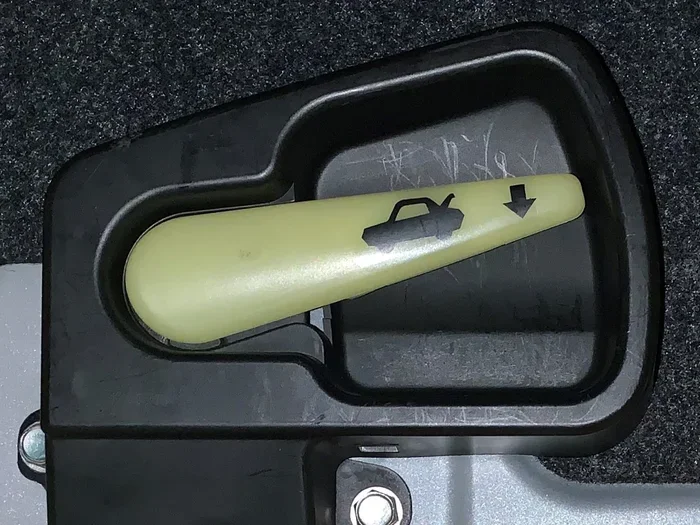
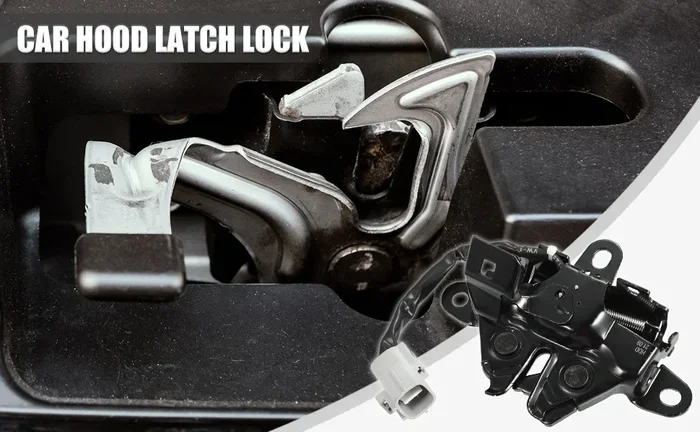
Your car’s hood latch system has a few key parts that work together. The hood release lever is the handle inside your cabin, usually on the left side of the steering column or under the dashboard. When you pull it, it releases a cable connected to the latch.
The hood latch cable runs from the release lever down to the latch assembly under the hood. This cable pulls the latch open when you tug the lever. On the other end, the hood latch assembly itself is the metal mechanism that holds the hood securely shut.
Most cars also have a secondary latch or safety latch. This is the second point of contact that keeps the hood from flying open if the primary latch fails. Some vehicles use a hood prop rod or hydraulic strut to hold the hood up while you work on the engine.
All of these parts rely on tension, alignment, and smooth movement. When one component fails, the entire system stops working correctly.
Common Reasons Why the Hood Won’t Latch
Now that you understand the basics, let us look at the most common reasons a hood latch not closing happens. Each cause has a clear set of symptoms, and identifying yours is the first step toward a fix.
1. Hood Latch Cable Stretched or Broken
This is the most frequent culprit behind a hood that won’t latch. The cable connects the release lever to the latch mechanism. Over time, it stretches, frays, or even snaps completely.
If you pull the release lever inside the car and hear nothing, or if the hood lifts only slightly, the cable is likely the problem. A broken hood latch cable means the latch never receives the signal to open, and in some cases, it also cannot re-engage properly to close.
2. Hood Latch Spring Weak or Missing
The hood latch spring provides the tension needed to keep the latch engaged. When this spring weakens or breaks, the latch cannot hold the hood shut. You might notice the hood rattles while driving or that it does not feel secure when you close it.
A hood latch spring tension issue is especially common in older vehicles or cars that have been sitting unused for a long time. Rust and corrosion can also cause the spring to lose its strength.
3. Misaligned Hood Latch Assembly
Sometimes the problem is not a broken part but a hood latch assembly that has shifted out of position. This can happen after a minor accident, a recent hood replacement, or even from years of normal wear and tear.
When the latch and the catch are not aligned, the hood might latch partially but pop open easily. You may also notice that the hood sits unevenly or that you need to slam it harder than usual to get it to close.
4. Rust and Corrosion Buildup
Cars that live in salty or humid climates are especially prone to rust on the hood latch pin and surrounding metal. Corrosion can freeze the latch in place, making it impossible to open or close the hood smoothly.
If you live near the coast or use road salt in winter, rust is a constant threat to your hood latch system. Regular inspection and cleaning can prevent this from becoming a serious problem.
5. Hood Latch Cable Binding or Sticking
A hood latch cable adjustment issue can cause the cable to bind inside its housing. This makes the release lever feel stiff or unresponsive. Sometimes the cable gets kinked or catches on a nearby component, preventing smooth movement.
This problem often develops gradually. You might notice the release lever becoming harder to pull over weeks or months before it finally stops working altogether.
DIY Fixes You Can Try Right Now
Before you visit a mechanic, there are several hood latch repair DIY methods you can try at home. Most of these require only basic tools like a wrench, pliers, and a can of lubricant. Let us go through them one by one.
Fix 1: Lubricate the Hood Latch Mechanism
Sometimes the simplest fix is the right one. A hood latch stuck due to dirt, grime, or light corrosion can often be freed up with a good lubricant.
Follow these steps:
- Open the hood as far as it will go, even if it does not stay up on its own.
- Locate the latch assembly under the front edge of the hood.
- Spray a penetrating lubricant like WD-40 directly onto the latch, spring, and pivot points.
- Work the latch back and forth manually to distribute the lubricant.
- Try opening and closing the hood several times to test the improvement.
This quick fix takes about five minutes and costs almost nothing. It solves a surprising number of hood latch problems.
Fix 2: Adjust the Hood Latch Cable
If your hood latch cable has stretched over time, adjusting it can restore proper tension. Here is how to do it:
- Locate the cable adjustment nut where the cable connects to the latch assembly.
- Use a wrench to tighten the nut slightly, pulling more tension into the cable.
- Test the release lever inside the car to see if it pulls more smoothly.
- Try opening and closing the hood to check if the latch engages fully now.
Small adjustments make a big difference. Tighten the cable gradually and test frequently. Over-tightening can cause other issues, so go slow.
Fix 3: Replace the Hood Latch Spring
If the hood latch spring is weak or broken, replacing it is straightforward. You can buy a replacement spring at most auto parts stores for just a few dollars.
Simply remove the old spring from the latch assembly, note how it was positioned, and install the new one in the same orientation. Make sure the new spring has the right tension to hold the latch firmly in place.
Fix 4: Tighten Loose Hood Latch Bolts
A hood latch bolt that has loosened over time can cause the entire assembly to shift. Check all the bolts holding the latch to the frame and tighten them with a socket wrench.
While you are at it, inspect the surrounding area for any signs of damage or wear. A loose bolt is often a symptom of a bigger problem, like a cracked mounting bracket.
How to Adjust Your Hood Latch for Proper Alignment
When the latch and catch are out of alignment, even a perfectly working mechanism will fail. Adjusting the hood latch requires patience and a bit of trial and error.
Step-by-Step Hood Latch Alignment
Start by closing the hood gently and checking where the latch meets the catch. If the hood sits unevenly or the latch does not engage fully, you need to adjust the position.
- Loosen the mounting bolts on the latch assembly slightly.
- Shift the latch up, down, left, or right until it lines up with the catch.
- Tighten the bolts back down while holding the latch in position.
- Test the hood by opening and closing it several times.
You may need to repeat this process a few times to get the alignment just right. Take your time and check the fit after each adjustment.
Some cars also have adjustable catch brackets on the frame. If the latch itself is properly positioned but still not engaging, the catch may need adjustment too.
When to Replace the Hood Latch Assembly
Not every hood latch problem can be fixed with adjustments and lubrication. Sometimes the entire hood latch assembly needs to be replaced. Here is how to know when that time has come.
Signs You Need a Full Replacement
- The latch is visibly cracked, bent, or broken.
- The metal has worn thin from repeated use or corrosion.
- Multiple parts of the latch mechanism are failing at once.
- DIY repairs have not resolved the problem after two or three attempts.
- The hood latch not engaging even after cable adjustment and lubrication.
Hood Latch Repair Cost vs. Replacement Cost
Understanding the cost helps you decide whether to repair or replace. Here is a quick comparison:
| Repair Type | Typical Cost | Difficulty Level |
|---|---|---|
| Cable adjustment | Free (DIY) | Easy |
| Cable replacement | $20 – $50 | Moderate |
| Spring replacement | $5 – $15 | Easy |
| Lubrication and cleaning | Free – $10 | Easy |
| Full latch assembly replacement | $50 – $200 | Moderate to Hard |
| Professional labor for replacement | $100 – $250 | N/A |
The hood latch repair cost for a full assembly replacement is reasonable, especially when you consider the safety benefits of a properly functioning hood.
How to Replace the Hood Latch Yourself
If you are handy with tools, replacing the latch is a project you can do at home. Start by purchasing the correct replacement part for your specific vehicle make and model. Then follow these general steps:
- Disconnect the negative battery terminal for safety.
- Remove the hood release cable from the old latch.
- Unbolt the old latch assembly from the frame.
- Install the new latch in the same position.
- Reconnect the cable and test the release lever.
- Reconnect the battery and test the hood opening and closing.
If at any point you feel unsure, it is perfectly fine to take the car to a mechanic. There is no shame in asking for professional help, especially when safety is involved.
Preventing Future Hood Latch Problems
The best way to deal with a hood that won’t latch is to prevent the problem from happening in the first place. Regular maintenance of your hood latch mechanism can save you time, money, and a lot of headaches.
Simple Maintenance Habits
- Lubricate the latch every six months: A quick spray of lubricant keeps the mechanism running smoothly and prevents rust buildup.
- Check the cable tension regularly: A loose cable is an early warning sign. Catching it early prevents a complete failure.
- Inspect the spring and pivot points: Look for signs of wear, corrosion, or weakening every time you open the hood.
- Keep the latch area clean: Remove dirt, leaves, and debris from around the latch and catch to prevent blockage.
- Avoid slamming the hood too hard: While a firm close is necessary, excessive force can damage the latch and catch over time.
These small habits take just a few minutes each time but add up to years of reliable hood latch performance.
Safety Considerations When Your Hood Won’t Latch
A hood latch not engaging is not just an inconvenience, it is a serious safety hazard. An unsecured hood can fly open while you are driving, blocking your windshield and making it impossible to see the road ahead.
What to Do If the Hood Opens While Driving
If your hood opens unexpectedly while you are on the road, stay calm. Grip the steering wheel firmly and brake gently. Look past the hood toward the edge of the road or use your side mirrors to navigate. Pull over safely as soon as possible.
Once stopped, do not attempt to drive again until the hood is securely latched. Use a tie-down or bungee cord as a temporary measure to keep the hood closed if needed, but get the latch repaired before your next trip.
When to Call a Professional Mechanic
DIY fixes work great for many hood latch problems, but there are situations where calling a professional is the smartest choice.
If you have tried lubrication, cable adjustment, and spring replacement without success, the problem may be more complex than it appears. A mechanic has the tools and experience to diagnose hidden issues, like a bent latch bracket or internal damage that is not visible from the outside.
Additionally, if your car is still under warranty, attempting DIY repairs on the latch mechanism could void the coverage. In that case, it is always better to visit a dealership or authorized service center.
Trust your instincts. If a repair feels beyond your skill level, there is no shame in seeking professional help. A properly functioning hood latch is essential for safe driving.
Conclusion
A hood that won’t latch is a problem that demands attention, but it is almost always solvable. From simple cable adjustments to full hood latch replacement, the fixes range from free to affordable, and most can be done at home with basic tools.
Start by diagnosing the cause. Check the cable, the spring, the alignment, and the overall condition of the latch assembly. Apply the right fix based on what you find. And if the problem persists, do not hesitate to call a professional.
Regular maintenance is your best defense against future hood latch problems. A few minutes of care every six months can keep your hood latch mechanism working smoothly for years. Now that you know what to do if the hood won’t latch, you are ready to handle the problem with confidence and get back to safe, worry-free driving.
Frequently Asked Questions
Why does my hood release but won’t latch?
This usually happens when the hood latch cable is stretched or the spring inside the latch assembly has weakened. The release mechanism works fine, but the latch cannot re-engage properly to hold the hood shut. Adjusting the cable tension or replacing the spring often solves this problem quickly.
How much does it cost to fix a hood latch that won’t close?
The hood latch repair cost varies depending on the cause. Simple fixes like lubrication or cable adjustment cost nothing, while a cable replacement runs about $20 to $50. A full hood latch assembly replacement typically costs between $50 and $200 for the part alone, with professional labor adding $100 to $250 more.
Can I drive with a hood that won’t latch properly?
No, you should never drive with an improperly latched hood. A hood stuck open or a hood that opens while driving can block your windshield and cause a serious accident. Use a temporary tie-down if needed, but get the latch repaired before you drive again.
What causes a hood latch to get stuck in the closed position?
Rust, corrosion, or debris buildup around the hood latch pin is the most common cause. Cold weather can also freeze the mechanism in place. Regular lubrication and cleaning help prevent the latch from getting stuck in either the open or closed position.
How do I know if my hood latch cable needs replacement?
If the release lever inside your car feels loose, spongy, or does not return to its normal position, the cable is likely stretched or damaged. You may also notice that pulling the lever does not produce any movement at the latch assembly. A visual inspection under the hood can confirm if the cable is frayed or broken.
Does weather affect the hood latch mechanism?
Yes, extreme temperatures, moisture, and road salt all take a toll on the hood latch mechanism. Cold weather can make metal contract and lubricant thicken, while salt and moisture accelerate rust and corrosion. Protecting your car from harsh weather and performing regular maintenance helps the latch system last longer.