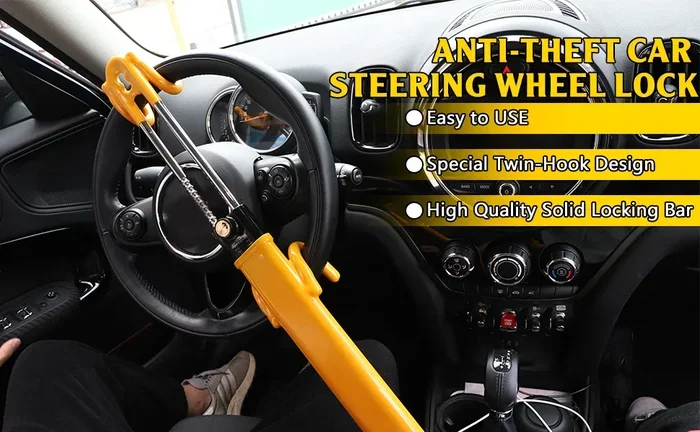
What Is a Steering Lock Malfunction and Why It Matters
A steering lock malfunction occurs when your car’s anti-theft steering system fails to release or work correctly, leaving your steering wheel stuck or unresponsive. This problem can happen due to a worn lock cylinder, faulty ignition switch, electrical issues, or a damaged steering column. Understanding the steering lock malfunction causes, symptoms, and fixes helps you act fast, stay safe, and avoid costly repairs.
A steering lock malfunction is one of those car problems that can catch you off guard at the worst possible moment. You turn the key, push the start button, or twist the ignition, and nothing happens. Your steering wheel stays locked in place, and suddenly you are stuck.
Understanding what a steering lock malfunction is and why it happens can save you time, money, and a lot of frustration. Whether it is a simple mechanical issue or a deeper electrical problem, knowing the signs and fixes puts you back in control. This guide covers everything from basic causes to practical solutions, so you can handle this issue with confidence.
We will walk you through the most common reasons your steering lock fails, how to spot the warning signs early, and what steps to take next. By the end, you will feel prepared to deal with a steering wheel stuck situation like a pro. Let us dive in and break it all down.
Key Takeaways
- A steering lock malfunction means your vehicle’s anti-theft steering system has failed to release properly, leaving the wheel locked or hard to turn.
- Common causes include a worn lock mechanism, faulty ignition switch, electrical or computer issues, key or fob problems, and steering column damage.
- Warning signs to watch for are a locked steering wheel after starting, difficulty turning the key, a dashboard steering lock warning light, and a stiff or unresponsive steering wheel.
- Simple fixes like the wiggle method or replacing a key fob battery can resolve minor issues quickly and at no cost.
- More serious repairs such as replacing the ignition lock cylinder or steering lock actuator can cost between $150 and $500, while steering column repairs may run $500 to $1,500 or more.
- Prevention is key. Gentle key use, regular cleaning, timely key replacement, and following your car’s maintenance schedule can prevent most steering lock problems.
- When you are unsure, seek professional help. A qualified mechanic can diagnose and fix the issue safely and correctly.
📑 Table of Contents
- What Is a Steering Lock and How Does It Work?
- Common Causes of Steering Lock Malfunction
- Warning Signs Your Steering Lock Is Failing
- How to Fix a Steering Lock Malfunction
- Steering Lock Malfunction Repair Cost
- How to Prevent Steering Lock Problems
- Quick Tips for Handling a Steering Lock Emergency
- Common Mistakes People Make with Steering Lock Issues
- Expert Insights on Steering Lock Maintenance
- Conclusion
What Is a Steering Lock and How Does It Work?
Before we talk about what goes wrong, it helps to understand how the system works in the first place. A steering lock is an anti-theft device built into your vehicle. It prevents the steering wheel from turning when the ignition is off and the key is removed. This simple but effective anti-theft device has been a standard feature in cars for decades.
Most older cars use a straightforward mechanical locking mechanism. When you remove the key, a pin drops into place and blocks the steering column. This makes it very difficult for thieves to drive your car away without the proper key. The design is simple, reliable, and proven over many years of use.
In newer vehicles, things work a bit differently. Many cars now use an electronic steering lock controlled by the car’s computer. When you turn off the engine, the system sends a signal to lock the steering column electronically. This adds an extra layer of security on top of the traditional mechanical lock. The electronic steering lock works together with the car’s immobilizer system to prevent unauthorized starting and steering.
The Role of the Ignition Lock Cylinder
The ignition lock cylinder is the part where you insert your key or push your key fob. It connects directly to the steering lock system. When you turn the key to the “on” or “start” position, the cylinder releases the lock pin. This allows the steering wheel to move freely again.
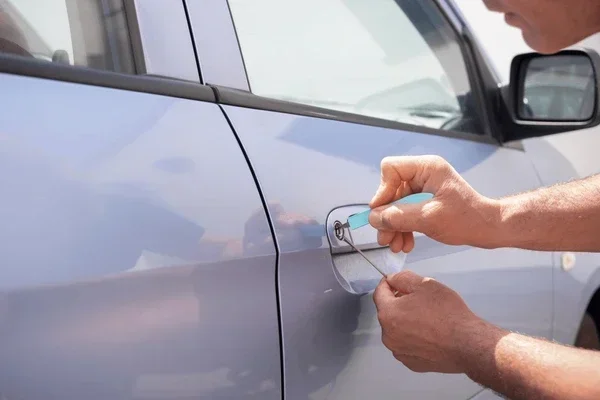
If the ignition lock cylinder wears out or gets damaged, the steering lock may not release properly. This is one of the most common reasons drivers experience a locked steering wheel that will not turn. The cylinder contains small pins and tumblers that can wear down over time, leading to a steering lock mechanism that sticks or jams.
How the Vehicle Security System Ties In
Your car’s vehicle security system works hand in hand with the steering lock. The system uses an immobilizer that prevents the engine from starting unless the correct key or fob is detected. If the immobilizer does not recognize your key, it may also keep the steering lock engaged.
So when your car won’t start and the steering wheel is stuck, the problem might not be just the lock itself. It could be a communication issue between the key, the immobilizer, and the steering lock actuator. The actuator is the small motor that physically engages or releases the lock. When any part of this chain fails, the whole system can malfunction.
Common Causes of Steering Lock Malfunction
A steering lock malfunction can happen for many different reasons. Some causes are simple and easy to fix. Others require professional attention. Let us look at the most common culprits so you know what to expect.
Worn Out Lock Mechanism
Over time, the internal parts of the steering lock wear down. The pins and tumblers inside the lock cylinder can become loose or damaged. When this happens, the lock may jam or fail to release when you turn the key.
This is especially common in older vehicles or cars with high mileage. Regular use of the steering lock mechanism naturally causes friction and wear on the internal components. Dust, dirt, and debris can also accumulate inside the cylinder, making the problem worse over time.
Faulty Ignition Switch
The ignition switch sends power to your car’s electrical systems when you turn the key. If the switch fails, it may not send the correct signal to release the steering lock. A faulty ignition switch is a frequent cause of steering lock problems.
You might notice other symptoms too, such as dashboard lights flickering or accessories not working. These signs often point to an ignition switch issue rather than a problem with the lock itself. An ignition switch malfunction can be tricky to diagnose because its symptoms overlap with many other car issues.
Electrical or Computer Issues
Modern cars rely heavily on electronic controls. The steering lock actuator is an electric motor that engages and releases the lock. If the actuator fails, the lock may stay engaged even when the key is turned.
Sometimes the problem comes from the car’s central computer or control module. A software glitch, a dead sensor, or a wiring issue can all prevent the system from releasing the steering lock. These electrical problems are more common in newer vehicles with complex electronic systems. A steering assist fault in the power steering system can also be related to electronic steering lock issues in some car models.
Key or Key Fob Problems
A damaged or worn key can fail to properly engage the ignition lock cylinder. The same goes for a key fob steering lock system. If the battery in your key fob dies, the car may not recognize the fob and keep the steering lock engaged.
Even a small crack in the key or a worn key blade can cause the lock to malfunction. It is amazing how much depends on such a small piece of metal. For push-button start vehicles, a weak fob battery is one of the most common and overlooked causes of a steering wheel stuck situation.
Steering Column Damage
The steering column houses the lock mechanism and connects the steering wheel to the wheels on the road. If the column gets damaged from an accident or rough handling, the lock mechanism can become misaligned.
A bent or damaged steering column may cause the lock to stick or jam. This type of damage often requires professional repair or replacement of the column assembly. Steering column damage can also affect the power steering failure system, making it even harder to turn the wheel.
Warning Signs Your Steering Lock Is Failing
Catching a steering lock malfunction early can save you from bigger problems down the road. Here are the warning signs to watch for. The earlier you notice these symptoms, the easier and cheaper the repair will be.
Steering Wheel Stays Locked After Starting
If your steering wheel remains locked even after you start the engine, that is a clear red flag. A properly functioning system should release the lock as soon as the ignition is turned on. A locked steering wheel while driving is extremely dangerous and needs immediate attention. If this happens, pull over safely and turn off the engine.
Difficulty Turning the Key
Struggling to turn your key in the ignition is another warning sign. You might feel resistance or hear clicking sounds. This often means the lock mechanism is worn or jammed. Ignoring this symptom can lead to a complete lock failure. A steering wheel stuck in the lock position usually starts with small signs of resistance.
Steering Lock Warning Light on the Dashboard
Many modern cars have a steering lock warning light on the dashboard. If you see this light, it means the car’s computer has detected a problem with the steering lock system. Do not ignore this warning. It is your car telling you something needs attention. The warning light may look like a steering wheel icon with a lock symbol next to it.
Steering Wheel Feels Stiff or Unresponsive
A power steering failure can sometimes be linked to a steering lock issue. If the steering feels unusually stiff or unresponsive, the lock mechanism may be partially engaged. This can make turning the wheel very difficult, especially at low speeds or when parking.
Do not confuse this with a separate power steering problem. Sometimes both issues occur together, especially if the steering column has been damaged. A professional diagnosis can help you tell the difference.
Car Won’t Start at All
A car won’t start situation can sometimes be traced back to the steering lock. If the lock is stuck in the engaged position, it can prevent the ignition switch from turning fully. This blocks the start sequence entirely.
This is one of the most frustrating symptoms because it mimics a dead battery or a bad starter motor. Before you assume the worst, check if the steering wheel is locked. A simple wiggle might solve the problem.
How to Fix a Steering Lock Malfunction
Once you identify the problem, the next step is fixing it. Some fixes are simple enough to do at home. Others require a trained mechanic. Let us walk through the options so you know what to expect.
Try the Quick Wiggle Method
Before you panic, try this simple trick. While gently turning the steering wheel left and right, wiggle the key in the ignition. Often, a stuck lock will release with a little movement. This works because the lock pin may just need a slight shift to disengage.
This method is safe and free. It solves the problem more often than you might think. Give it a try before calling for help. Just remember to be gentle. Forcing anything can make the damage worse.
Replace the Ignition Lock Cylinder
If the lock cylinder is worn out, replacing it is usually the best fix. A mechanic can remove the old cylinder and install a new one. This is a common ignition lock repair and typically takes less than an hour.
Make sure to get the right cylinder for your car model. Not all cylinders are the same, and using the wrong one can cause further issues. Ask your mechanic for the correct part number. A proper ignition lock cylinder replacement restores smooth operation and prevents future lockups.
Repair or Replace the Steering Lock Actuator
For electronic steering lock problems, the steering lock actuator is often the culprit. A faulty actuator needs to be repaired or replaced. This repair usually requires diagnostic equipment to access the car’s computer system.
In some cases, a software update from the dealer can fix the issue. Electronic glitches are sometimes resolved with a simple reprogramming of the car’s control module. Always ask your mechanic to check for software updates before replacing expensive parts.
Fix the Key or Key Fob
If the problem is with your key or fob, the fix might be straightforward. Replacing the battery in your key fob is quick and cheap. A worn key can be duplicated at a hardware store or locksmith.
For more serious key damage, you may need a new key programmed to your car’s system. Most dealerships and locksmiths can handle this for a reasonable fee. Do not try to duplicate a chipped or transponder key at a regular hardware store. It needs special programming equipment.
Seek Professional Help for Steering Column Damage
If the steering column itself is damaged, do not try to fix it yourself. A bent or broken column is a serious safety issue. Take your car to a qualified mechanic or dealership for proper diagnosis and repair.
A professional will assess the damage and recommend the right fix. Sometimes the column needs replacement, and sometimes it can be repaired. Either way, this is not a DIY job. Steering column repairs affect the safety of your vehicle.
Steering Lock Malfunction Repair Cost
The steering lock malfunction repair cost varies widely depending on the cause and your vehicle. Understanding the potential costs helps you budget and avoid surprises. Here is a general breakdown of what you might expect to pay.
Cost by Repair Type
Simple fixes like the wiggle method or replacing a key fob battery cost little to nothing. A new ignition lock cylinder typically runs between $150 and $300, including parts and labor. Replacing a steering lock actuator can cost anywhere from $200 to $500, depending on the car model.
Steering column repairs are the most expensive. A full column replacement can range from $500 to $1,500 or more. The cost depends on the make and model of your vehicle and the extent of the damage. Luxury vehicles and newer cars with electronic locks tend to cost more to repair.
Factors That Affect the Cost
Several factors influence the final repair bill. The age and model of your car play a big role. Luxury vehicles and newer cars with electronic locks tend to cost more to repair. Labor rates also vary by location and shop type. Dealerships usually charge more than independent mechanics.
Where you live matters too. Repair costs in major cities are often higher than in rural areas. Getting multiple quotes can help you find the best price for your steering lock repair cost. Always ask for a detailed breakdown of parts and labor before approving any repair.
How to Prevent Steering Lock Problems
The best way to deal with a steering lock malfunction is to prevent it from happening in the first place. Here are some practical tips to keep your steering lock system in good shape for years to come.
Use Your Key or Fob Gently
Avoid forcing the key into the ignition. If it does not go in smoothly, do not push harder. A forced key can damage the lock cylinder over time. Use a gentle, steady motion when turning the key or pressing the fob. If the key feels stiff, try wiggling it slightly while turning.
Keep the Lock Mechanism Clean
Dirt and debris can build up inside the lock mechanism over time. A little compressed air blown into the ignition cylinder can help keep it clean. Some owners also use a small amount of graphite lubricant to keep the lock working smoothly.
Avoid using WD-40 or other petroleum-based lubricants inside the lock cylinder. They can attract dirt and cause more problems over time. Stick to dry graphite lubricants designed specifically for locks.
Replace Keys and Fobs Before They Wear Out
Do not wait until your key breaks to replace it. A worn key puts extra stress on the lock cylinder. If you notice your key looking worn or feeling loose, get a new one made sooner rather than later. For key fobs, replace the battery at the first sign of weakness.
Keeping spare keys in a safe place is also a good idea. If your primary key gets lost or damaged, a spare saves you time and money. Some locksmiths can program a new key fob on the spot.
Address Small Problems Early
Do not ignore small warning signs. A slightly stiff steering wheel or a key that is hard to turn today can become a complete lock failure tomorrow. Catching problems early makes repairs easier and cheaper. A small ignition lock repair today can prevent a major steering column replacement tomorrow.
Follow Your Car’s Maintenance Schedule
Your car’s owner manual includes a maintenance schedule that covers the steering and ignition systems. Following this schedule helps catch potential issues before they become serious problems. Regular check-ups keep your vehicle security system running smoothly and your steering lock functioning properly.
Quick Tips for Handling a Steering Lock Emergency
Sometimes a steering lock problem happens when you least expect it. Here are some quick tips to handle the situation calmly and safely.
- Stay calm and do not force the key. Forcing it can make the damage worse and potentially break the key inside the cylinder.
- Try the wiggle method before calling for help. It works more often than most drivers realize and costs nothing.
- Check your key fob battery if your car has a push-button start. A dead battery is a common and easy fix.
- Call a roadside assistance service if you cannot fix the problem yourself. Many insurance plans include this benefit at no extra cost.
- Do not attempt to drive with a locked steering wheel. It is extremely dangerous and can cause a serious accident.
Common Mistakes People Make with Steering Lock Issues
When faced with a steering lock malfunction, many drivers make mistakes that make the problem worse. Here are a few to avoid.
- Forcing the key or steering wheel. This can break the key, damage the lock cylinder, or bend the steering column. Gentle pressure is always the way to go.
- Ignoring the warning signs. A slight stiffness today can mean a total failure tomorrow. Pay attention to early symptoms and address them promptly.
- Using the wrong lubricant. WD-40 is not always the right choice for lock mechanisms. Use graphite-based lubricants designed specifically for locks.
- Trying DIY repairs beyond your skill level. Some fixes are simple, but others need professional tools and knowledge. Know your limits and ask for help when needed.
- Delaying the repair. The longer you wait, the more damage can occur. A small repair today can prevent a big expense tomorrow.
Expert Insights on Steering Lock Maintenance
We spoke with certified automotive technicians about the most common steering lock issues they see in their shops. Here is what the experts have to say about keeping your steering lock system in top shape.
Regular maintenance goes a long way. Most steering lock problems develop slowly over time. A little attention and care can prevent many of these issues from ever becoming serious. The experts recommend checking your ignition lock cylinder during routine oil changes or service visits. Catching minor wear early saves you from a full lock replacement later.
Do not overlook the key fob. In modern cars, the key fob is the brain behind the electronic steering lock. A weak fob battery can mimic a serious lock malfunction. Always keep a spare battery in your glove box and replace it at the first sign of weakness. Many drivers have been stranded by a dead fob battery when the real problem was simple and cheap to fix.
When in doubt, get a professional diagnosis. Modern cars have complex electronic systems that require specialized tools to diagnose properly. A professional mechanic or dealer technician can pinpoint the exact cause quickly and accurately. This saves you time, money, and guesswork. Trust the experts for anything beyond basic troubleshooting.
Conclusion
A steering lock malfunction is a problem you should never ignore. Whether it is a minor glitch or a serious mechanical failure, addressing it quickly keeps you safe and your car running smoothly. The good news is that most steering lock issues are fixable, especially when caught early.
Understanding the causes, recognizing the warning signs, and knowing your repair options puts you in a much better position. You do not have to be a car expert to handle this problem with confidence. A little knowledge goes a long way toward keeping your vehicle safe and reliable.
Take care of your steering lock system, and it will take care of you. Follow the prevention tips in this guide, stay alert to the warning signs, and do not hesitate to call a professional when needed. Your safety on the road depends on a properly functioning steering lock.
Now that you know what to look for and how to respond, you are better prepared than most drivers. Share this guide with a friend who might need it, and keep your car in top shape for miles to come.
Frequently Asked Questions
Can a steering lock malfunction cause my car not to start?
Yes, absolutely. When the steering lock is stuck in the engaged position, it can block the ignition switch from turning fully. This prevents the car from starting. In many cases, a locked steering wheel and a no-start condition are directly connected through the ignition lock cylinder.
Is it safe to drive with a steering lock malfunction?
No, it is not safe. A steering lock that partially engages while driving can make the steering wheel stiff or unresponsive. This creates a serious safety hazard. If you notice any steering lock issues while driving, pull over safely and seek assistance immediately.
How much does it cost to fix a steering lock malfunction?
The cost depends on the cause and your vehicle. Simple fixes like a key fob battery replacement cost very little. Replacing an ignition lock cylinder typically runs $150 to $300. More complex repairs like a steering column replacement can cost $500 to $1,500 or more. Always get a quote from a trusted mechanic before proceeding.
Can I fix a steering lock malfunction myself?
Some minor issues can be fixed at home. The wiggle method and key fob battery replacement are simple DIY tasks. However, more complex repairs involving the ignition cylinder, actuator, or steering column should be left to a professional. Attempting advanced repairs without the right tools and knowledge can cause further damage.
Why does my steering wheel lock when I turn off the engine?
This is normal and by design. The steering lock engages automatically when you turn off the engine and remove the key. It is an anti-theft feature that prevents thieves from steering your car without the key. If the lock does not release when you turn the key back on, that is when you have a malfunction.
How can I prevent my steering lock from malfunctioning?
Use your key gently and avoid forcing it into the ignition. Keep the lock mechanism clean with compressed air or graphite lubricant. Replace worn keys and key fobs before they fail. Address small stiffness or resistance issues early. Follow your car’s maintenance schedule and have the ignition system checked during routine service visits.