Washington DC Window Tint Law Explained for Drivers
The Washington DC window tint law sets strict rules on how dark you can tint your car windows. Sedans and SUVs have different legal limits for front side, rear side, and rear windows. Understanding these rules helps you avoid costly tickets and keeps you safe on the road.
Driving through the streets of Washington DC, you might notice how many cars have tinted windows. Tinted windows look great. They reduce glare. They keep your car cooler in the summer. But here is the thing many drivers miss. The Washington DC window tint law has very specific rules. And breaking those rules can cost you money. It can also cause headaches you do not need.
Whether you just bought a new car or you are thinking about adding tint to your current ride, this guide is for you. We will walk through every rule. We will explain what is legal and what is not. We will cover sedan rules, SUV rules, and everything in between. By the end, you will know exactly what the Washington DC window tint law requires. You will feel confident and prepared.
Key Takeaways
- Legal tint limits vary by vehicle type: Sedans and SUVs follow different VLT rules for each window.
- Windshield tint is only allowed on the top 5 inches: No reflective or dark film on the windshield above the AS-1 line.
- Medical exemptions exist: You can get a waiver for darker tint if you have a qualifying condition.
- Fines for illegal tint can be steep: Violations may result in tickets and forced removal of the tint.
- Sticker certification is required: Every legally tinted vehicle must display a DC-approved tint sticker.
- Tint darkness is measured by VLT: Visible Light Transmission percentage determines legality.
- Professional installation matters: Choosing a reputable installer helps ensure you stay within the law.
📑 Table of Contents
- Why the Washington DC Window Tint Law Exists
- Understanding VLT: The Key to Legal Tint
- Legal Tint Limits for Sedans in DC
- Legal Tint Limits for SUVs and Vans in DC
- Reflective Tint: What the Law Says
- Medical Exemptions for Darker Tint
- Tint Stickers and Certification Requirements
- Fines and Penalties for Tint Violations
- Quick Tips for Staying Compliant
- Common Mistakes Drivers Make with Window Tint
- Choosing the Right Tint Installer in DC
- How Tint Laws Compare: DC vs. Neighboring Areas
- The Future of Window Tint Regulations in DC
- Conclusion
Why the Washington DC Window Tint Law Exists
You might wonder why there are tint laws at all. The answer is simple. Safety. Tinted windows can make it harder for drivers to see. This is especially true at night or in bad weather. Police officers need to see inside your car during traffic stops. That is a big reason these rules exist.
The District of Columbia government created these regulations to protect everyone on the road. The rules balance personal style with public safety. They also help law enforcement do their jobs more safely. When you follow the Washington DC window tint law, you are doing your part as a responsible driver.
Who Enforces the Tint Laws in DC
The Metropolitan Police Department handles tint violations in the District. During routine inspections or traffic stops, officers check your window tint. If your tint is too dark or too reflective, you will get cited. The Department of Motor Vehicles also plays a role. Your vehicle must pass inspection, and illegal tint can cause you to fail.
Understanding VLT: The Key to Legal Tint
Before we dive into the specific rules, you need to understand one important term. VLT stands for Visible Light Transmission. It measures how much light passes through your window tint. The higher the number, the more light gets through. The lower the number, the darker the tint.
For example, a VLT of 70% means 70% of light passes through. Only 30% is blocked. A VLT of 5% means almost all light is blocked. That is very dark. The Washington DC window tint law uses VLT percentages to set legal limits for each window on your vehicle.
How VLT Is Measured
VLT is measured using a special device called a tint meter. Police officers carry these devices during inspections. The meter shines a light through your window and calculates the percentage. This gives an objective reading. There is no guessing involved. If your tint falls below the legal limit, you will receive a citation.
Legal Tint Limits for Sedans in DC
Sedan rules are the most common tint regulations people ask about. The Washington DC window tint law treats sedans differently based on which window you are tinting. Let us break it down window by window.
Front Windshield Tint Rules
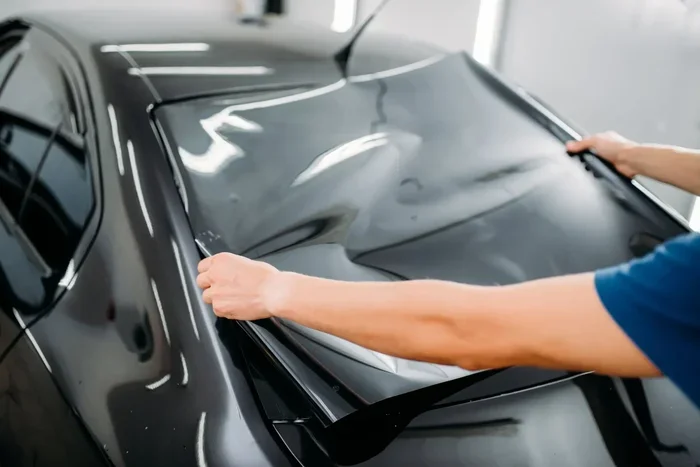
For sedans, the front windshield has very strict rules. You can only tint the top 5 inches of the windshield. This area is above the AS-1 line. The AS-1 line is the line printed on your windshield by the manufacturer. No tint film can be applied below this line. And the tint on the top 5 inches cannot be reflective.
Front Side Window Tint Rules
The front side windows on a sedan must allow more than 70% of light to pass through. This means the VLT must be above 70%. In practical terms, this is very light tint. Some drivers choose not to tint these windows at all because the limit is so strict. If you want a darker look, you will need to focus on the rear windows instead.
Rear Side and Rear Window Tint Rules
Good news for sedan owners. The rear side windows and rear window can be tinted darker. The legal minimum VLT for these windows is 50%. This means the tint can block up to 50% of light. This gives you more flexibility for style and comfort. Just make sure your tint meets or exceeds the 50% VLT requirement.
Legal Tint Limits for SUVs and Vans in DC
SUVs and vans have slightly different rules than sedans. The Washington DC window tint law allows a bit more flexibility for larger vehicles. Here is how the rules break down for SUVs and vans.
Windshield Tint for SUVs
Just like sedans, SUVs can only tint the top 5 inches of the windshield. The tint must be non-reflective. No dark film is allowed on the rest of the windshield. This rule applies to all vehicle types in DC.
Front Side Windows for SUVs
For SUVs, the front side window tint rules are the same as sedans. The VLT must be above 70%. You cannot go darker than 70% on the driver and passenger front windows. This ensures the driver has clear visibility. It also helps police officers see inside the vehicle during stops.
Rear Side and Rear Windows for SUVs
Here is where SUVs get a break. The rear side windows and rear windows on SUVs can have any level of darkness. There is no minimum VLT requirement. You can go as dark as you want. This is a big difference from sedans. It gives SUV owners more freedom to customize their vehicles.
Reflective Tint: What the Law Says
Reflective tint is a popular choice for some drivers. It looks sleek. It reduces glare even more than standard tint. But the Washington DC window tint law puts limits on reflective tint. No window can have a reflective finish that mirrors a mirror. This applies to all windows on all vehicle types.
Reflective tint can cause problems for other drivers. It bounces sunlight and glare back at oncoming traffic. This creates dangerous driving conditions. The DC government wants to prevent that. So if you love the look of reflective tint, you will need to choose a non-reflective option instead.
Side Mirrors and Tint
If you do tint your rear windows darker, the law has one more requirement. You must have dual side mirrors if the rear window is tinted. This helps you see behind the car. It compensates for the reduced visibility through the tinted rear glass. This is a simple rule but easy to forget.
Medical Exemptions for Darker Tint
Some people need darker tint for health reasons. Certain medical conditions make the skin or eyes very sensitive to sunlight. For these individuals, the standard tint limits may not be enough. The Washington DC window tint law does allow for medical exemptions.
How to Get a Medical Exemption
To get a medical exemption, you need a signed letter from a licensed physician. The letter must explain your condition and why darker tint is necessary. You then submit this letter to the DC Department of Motor Vehicles. If approved, you will receive a special permit. This permit allows you to have tint darker than the legal limits.
Keep in mind that the exemption is specific to the vehicle. You cannot transfer it to another car. And you must carry the exemption documentation in your vehicle at all times. During a traffic stop, you will need to show this paperwork if your tint appears darker than the legal limit.
Tint Stickers and Certification Requirements
One requirement that catches many drivers off guard is the tint sticker. The Washington DC window tint law requires a certification sticker on every legally tinted vehicle. This sticker must be placed on the driver side window. It proves your tint has been approved and meets the legal VLT requirements.
Without this sticker, you can be cited even if your tint is within the legal limit. The sticker serves as proof of compliance. Always ask your tint installer to provide this sticker. A reputable installer will include it as part of the service.
What Happens If You Do Not Have a Sticker
If an officer pulls you over and your tint looks legal but you do not have the sticker, you could still get a ticket. The burden is on you to prove your tint is compliant. The sticker makes this easy. Without it, you may have to provide other proof. This could mean a trip to the shop for documentation. Avoid this hassle by always keeping your sticker in place.
Fines and Penalties for Tint Violations
Nobody wants to get a ticket. But understanding the consequences of illegal tint helps you avoid them. The Washington DC window tint law imposes several penalties for violations.
- Tint citation fine: You can be fined for having tint that is too dark or too reflective.
- Forced removal: In some cases, you may be required to remove the illegal tint.
- Failed inspection: Illegal tint can cause your vehicle to fail the DC inspection.
- Insurance implications: A tint violation could affect your insurance rates.
The fine amount can vary depending on the severity of the violation. First-time offenders may receive a warning in some cases. But repeat violations will likely result in higher fines. It is not worth the risk. Stay within the legal limits and you will save money and stress.
Quick Tips for Staying Compliant
Following the Washington DC window tint law does not have to be complicated. Here are some quick tips to keep you on the right side of the rules.
- Ask your tint installer about DC-specific regulations. A good installer knows the local laws.
- Request a VLT certificate after installation. This document proves your tint meets the legal requirements.
- Place the certification sticker on your driver side window. Do not skip this step.
- Choose a non-reflective tint. Reflective finishes are not allowed on any window.
- Keep your medical exemption paperwork in the car. If you have one, always carry it.
- Get your tint done by a professional. DIY kits may not meet DC standards.
- Re-check your tint if it fades over time. Tint can degrade. Make sure it stays within legal limits.
Common Mistakes Drivers Make with Window Tint
Even well-meaning drivers can run into trouble with window tint. Here are some common mistakes to avoid.
- Assuming all windows can be tinted the same darkness. Front and rear windows have different rules.
- Forgetting the sticker requirement. No sticker means no proof of compliance.
- Buying tint online without checking VLT ratings. Online products may not meet DC standards.
- Tinting the windshield below the AS-1 line. This is never allowed in DC.
- Using reflective tint on any window. Reflective finishes are illegal on all windows.
- Not checking for dual mirrors when tinting rear windows. This is required on sedans.
Avoiding these mistakes keeps you legal and safe. It also saves you from the hassle of dealing with tickets and tint removal.
Choosing the Right Tint Installer in DC
Not all tint shops are the same. When you are getting your windows tinted, choose a shop that knows the Washington DC window tint law inside and out. A knowledgeable installer will recommend the right VLT levels for your vehicle type. They will handle the certification sticker. They will make sure everything is done correctly the first time.
Look for shops that offer warranties on their tint work. A good warranty protects you if the tint bubbles or peels. Read reviews from other DC drivers. Ask friends or family for recommendations. Taking the time to choose the right installer pays off in the long run.
Questions to Ask Your Tint Installer
- Do you know the current DC tint regulations?
- Can you provide a VLT certificate after installation?
- Will you apply the required certification sticker?
- What warranty do you offer on the tint film?
- Do you carry insurance in case of any issues?
These questions help you find a trustworthy installer. They also give you peace of mind that your tint is legal.
How Tint Laws Compare: DC vs. Neighboring Areas
It is interesting to note how DC tint laws compare to nearby areas. Virginia and Maryland have their own window tint regulations. In Virginia, the front side window VLT limit is also 50% for sedans. Maryland allows 35% VLT on front side windows for sedans. Each jurisdiction has its own unique rules.
If you drive across state lines, be aware that tint laws change. What is legal in DC may not be legal in Virginia. And vice versa. Always check the local regulations before getting your windows tinted. This is especially important if you live near the DC metro area and travel frequently between jurisdictions.
The Future of Window Tint Regulations in DC
Laws change over time. The Washington DC window tint law may be updated in the future. New materials and technologies could influence these regulations. For example, ceramic tint films are becoming more popular. These films offer excellent heat rejection without darkening the glass. They may lead to new rules in the future.
Stay informed about any changes to DC tint laws. Check the DC government website regularly. Follow local news for updates. Being proactive keeps you compliant and helps you avoid surprises.
Conclusion
The Washington DC window tint law is clear once you understand the basics. Sedans have stricter limits on front windows. SUVs have more flexibility on rear windows. Every vehicle must follow VLT requirements. Every tinted vehicle needs a certification sticker. And reflective tint is not allowed on any window.
By following these rules, you protect yourself and others on the road. You avoid fines. You keep your vehicle inspection current. And you enjoy the benefits of window tint the right way. Take the time to learn the rules. Choose a professional installer. And drive with confidence knowing you are compliant with the Washington DC window tint law.
Window tint is a great upgrade for any vehicle. It looks good. It feels good. Just make sure it is done the legal way. Your wallet and your driving record will thank you.
Frequently Asked Questions
What is the legal tint limit for front windows in Washington DC?
The legal VLT for front side windows on both sedans and SUVs in DC must be above 70%. This means the tint can only block up to 30% of visible light. The front windshield can only be tinted on the top 5 inches with a non-reflective film.
Can I get a darker tint on my SUV rear windows in DC?
Yes. The Washington DC window tint law allows SUVs and vans to have any level of darkness on rear side and rear windows. There is no minimum VLT requirement for these windows. This gives SUV owners more freedom compared to sedan owners.
How much is a tint violation fine in Washington DC?
Tint violation fines in DC can vary depending on the circumstances. First-time offenders may receive a citation with a fine. Repeat violations typically result in higher penalties. In some cases, you may also be required to remove the illegal tint.
Do I need a sticker if my tint is legal in DC?
Yes. The Washington DC window tint law requires a certification sticker on the driver side window of every legally tinted vehicle. This sticker proves your tint meets the legal VLT requirements. Without it, you can still be cited during a traffic stop.
Can I get a medical exemption for darker window tint in DC?
Yes. If you have a medical condition that makes you sensitive to sunlight, you can apply for a medical exemption. You will need a signed letter from a licensed physician. Submit it to the DC DMV for approval. Once approved, you can have tint darker than the standard legal limits.
Is reflective tint allowed on any windows in Washington DC?
No. The Washington DC window tint law prohibits reflective tint on all windows. Reflective finishes that mirror a mirror are not allowed on the windshield, front side windows, rear side windows, or rear window. Always choose a non-reflective tint film for compliance.