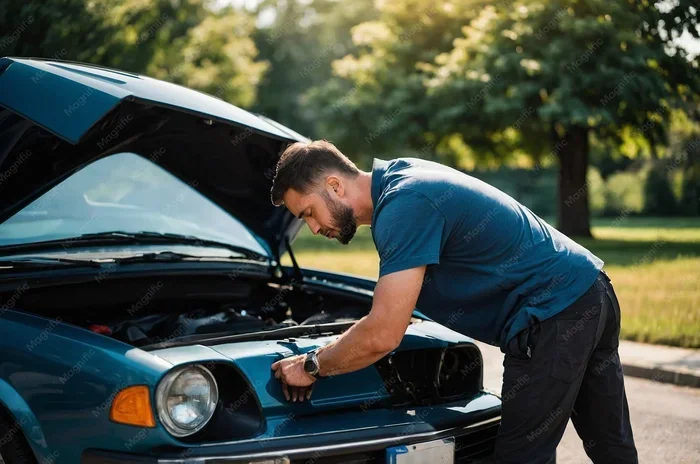
How to Open Your Hood When the Hood Release Is Broken
Knowing how to open your hood when the hood release is broken is a must-have skill for every driver. A broken hood release cable, a stuck hood latch, or a frayed hood release mechanism can leave you stranded and frustrated. In this guide, we walk you through simple, safe methods to get your hood open even when the primary release fails. You will learn emergency tricks, DIY fixes, and prevention tips that save time and money.
There is nothing worse than arriving at your car, ready to pop the hood, and discovering that the hood release is broken. Maybe the hood release cable snapped, or the hood latch simply refuses to budge. Whatever the reason, a hood stuck closed can turn a quick check under the hood into a stressful situation. The good news is that you have several reliable options to get that hood open even when the primary release mechanism fails.
In this guide, we will walk you through every method you can use to open your hood when the hood release is broken. From emergency tricks you can try right now to DIY repairs you can do at home, we have you covered. We will also share prevention tips that help you avoid this problem in the future. Whether you are dealing with a hood release cable issue, a rusted hood latch, or a broken hood release handle, this article has the answers you need.
Before we dive in, let us quickly cover why hood releases fail in the first place. Understanding the cause helps you pick the best solution and avoid repeat problems down the road.
Key Takeaways
- Multiple backup methods exist: You can use the emergency hood release cable, manually push the latch, or use a hood release tool to get your hood open.
- Common causes include a frayed cable, rusted latch, or broken hood release handle: Understanding the root cause helps you choose the right fix.
- Safety always comes first: Never force the hood open aggressively, and always secure it with a hood prop rod after opening.
- DIY repairs can save hundreds of dollars: Replacing a hood release cable or lubricating a stuck latch is often a simple weekend project.
- Regular maintenance prevents hood release problems: Periodic inspection and lubrication of the hood latch and hinge keep everything working smoothly.
- Know when to call a professional: If the hood release mechanism is severely damaged or the hood latch replacement is complex, a mechanic can help safely.
📑 Table of Contents
Why Does a Hood Release Break?
A hood release mechanism is a simple system, but it has several parts that can wear out or fail over time. Most modern cars use a cable-operated system. When you pull the hood release handle inside your car, it tugs on a cable that releases the hood latch. The latch then lets the hood pop up slightly, and you can lift it the rest of the way by hand.
When something goes wrong in this system, the hood either will not open at all or will open only partially. Here are the most common reasons this happens.
Common Causes of Hood Release Failure
Several factors can cause your hood release to stop working properly. Knowing what went wrong helps you choose the right fix.
- Frayed or snapped hood release cable: The cable connects the interior handle to the latch. Over time, it can fray, stretch, or snap completely. This is the most common reason a hood will not open.
- Rusted or corroded hood latch: If you live in a rainy or snowy climate, moisture can cause the latch to rust. A rusted latch will not release even if the cable is working fine.
- Broken hood release handle: The plastic handle inside your car can crack or snap, especially in older vehicles. When this happens, pulling the handle does nothing.
- Disconnected hood release cable: The cable can slip off its bracket or detach from the latch. This often happens after a minor accident or if someone recently worked under the hood.
- Stuck hood safety latch: Many cars have a secondary latch or safety catch near the front of the hood. If this gets stuck, the hood will not open even after the primary latch releases.
- Worn hood hinge: The hinges that hold the hood can wear out or get bent, making it hard to lift the hood even when the latch is released.
Signs Your Hood Release Is Failing
Watch for these warning signs before your hood release completely fails. Catching the problem early gives you time to fix it before you are stuck with a closed hood.
- The hood release handle feels loose or spongy when you pull it.
- You hear a clicking sound but the hood does not pop up.
- The hood opens only partially and does not stay up.
- The handle requires extra force to pull.
- You notice rust or corrosion around the latch area.
If you notice any of these signs, it is a good idea to inspect the hood release cable and latch before the problem gets worse.
How to Open Your Hood When the Hood Release Is Broken
Now let us get to the good stuff. Here are the most effective methods to open your hood when the release mechanism is not working. Try them in order, starting with the simplest approach.
Method 1: Use the Emergency Hood Release Cable
Most cars have a backup emergency release cable hidden under the front bumper or behind the grille. This is a thin cable that you can pull to manually release the hood latch. The location varies by car model, so check your owner’s manual first.
Here is how to use it:
- Get down low and look under the front bumper near the center.
- You are looking for a small plastic cover or a rubber grommet with a cable sticking out.
- Remove the cover or grommet.
- Use a screwdriver, pliers, or your finger to pull the cable toward the front of the car.
- The hood latch should release, and the hood will pop up slightly.
- Lift the hood and secure it with the hood prop rod.
This method works on most vehicles and is the fastest way to get a hood open when the primary release is broken. Keep a flashlight in your glove box so you can see what you are doing in low light.
Method 2: Manually Push the Hood Latch
If the emergency cable method does not work, you can try pushing the latch mechanism directly. This method requires you to access the latch from under the hood or through the grille.
Here is what to do:
- Look for the latch assembly near the front center of the engine bay.
- You will see a lever or arm connected to the hood release cable.
- Use a long screwdriver, a bent wire coat hanger, or a pair of needle-nose pliers to push or pull the latch toward the release position.
- Have a friend pull the hood release handle inside the car while you work on the latch from outside.
- Once the latch releases, lift the hood and secure it.
This method takes a little patience, but it works well when the hood release cable is still intact but the handle is broken. Just be gentle so you do not damage the latch or surrounding components.
Method 3: Use a Hood Release Tool
A hood release tool is a simple device designed specifically for this situation. These tools are inexpensive and available at most auto parts stores. They look like a long, flexible wire with a hook on the end.
To use a hood release tool:
- Slide the tool through the grille or a gap in the front bumper.
- Reach up and hook the tool onto the hood release cable or latch lever.
- Pull the cable or lever in the release direction.
- The hood latch should pop open.
This is a great tool to keep in your trunk, especially if you drive an older vehicle. It takes up almost no space and can save you from a lot of frustration.
Method 4: The Towel and Lever Trick
Here is a clever trick that works when the hood latch is partially engaged but stuck. Take a thick towel or a small blanket and fold it into a tight wedge. Place the wedge between the hood and the engine bay near the latch area. Then gently try to lift the hood. The wedge can help push the latch past its stuck point.
This method is not guaranteed to work on every car, but it is worth trying before you call a mechanic. Use a soft cloth to avoid scratching the hood or the engine bay surface.
Comparison of Methods to Open a Hood with a Broken Release
Not every method works for every situation. Here is a quick comparison to help you decide which approach to try first.
| Method | Difficulty | Tools Needed | Best For | Success Rate |
|---|---|---|---|---|
| Emergency Hood Release Cable | Easy | Flashlight | Most vehicles with backup cable | High |
| Manual Latch Push | Medium | Screwdriver or pliers | Broken handle, intact cable | Medium-High |
| Hood Release Tool | Easy | Hood release tool | Emergency roadside use | High |
| Towel and Lever Trick | Easy | Towel or blanket | Partially stuck latch | Medium |
Start with the emergency cable method since it is the easiest and works on most cars. If that does not work, move to the manual latch push. Keep a hood release tool in your trunk so you are always prepared.
DIY Fixes for a Broken Hood Release Mechanism
Once you have the hood open, you can inspect the problem and try a repair yourself. Many hood release cable and latch issues are simple fixes that do not require a mechanic.
Replacing the Hood Release Cable
If the cable is frayed or snapped, replacing it is the most reliable fix. A hood release cable replacement kit costs between $15 and $40 at most auto parts stores. Here is a quick overview of the process:
- Open the hood and locate the cable at the latch end.
- Disconnect the old cable from the latch assembly.
- Feed the new cable through the same route as the old one.
- Attach the new cable to the latch and adjust the tension.
- Test the new cable by pulling the interior handle.
If you are not comfortable doing this yourself, a mechanic can replace the cable in about 30 minutes. The hood latch repair cost for a cable replacement is usually between $50 and $120 including labor.
Lubricating the Hood Latch and Hinge
Sometimes the problem is not a broken part but simply a rusty or dry latch. A quick lubrication job can bring the hood release mechanism back to life. Use a white lithium grease or a silicone-based lubricant. Avoid WD-40 for long-term use, as it is a cleaner and solvent, not a lasting lubricant.
Here is how to lubricate properly:
- Spray the lubricant directly onto the hood latch and the latch spring.
- Work the latch back and forth several times to spread the grease.
- Spray the hood hinge pins with lubricant as well.
- Wipe off any excess with a clean cloth.
This simple maintenance step can prevent many hood release problems and extend the life of your hood latch system by years.
Fixing a Stuck Hood Catch or Safety Latch
If the secondary safety latch is stuck, you can often free it with a little penetrating oil. Spray the oil around the latch mechanism and let it sit for a few minutes. Then try to release the latch manually. If the latch is bent or damaged, it may need to be replaced. A hood latch replacement is a straightforward job for most DIYers and costs around $20 to $60 for the part.
How to Prevent Hood Release Problems
The best way to deal with a broken hood release is to never have one in the first place. Regular maintenance can keep your hood release cable, latch, and hinge working smoothly for the life of your car.
- Inspect the hood release cable every 6 months: Look for fraying, rust, or slack in the cable. Replace it at the first sign of wear.
- Lubricate the latch and hinge quarterly: A few sprays of grease every few months prevents rust and keeps the mechanism operating smoothly.
- Check the hood release handle: Make sure the interior handle feels firm and responsive. A loose or wobbly handle often signals a cable that is about to fail.
- Keep the hood area clean: Dirt and debris can build up around the latch and interfere with its operation. A quick wipe-down during car washes helps.
- Avoid slamming the hood: A heavy, forceful slam can bend the latch or damage the cable alignment over time. Always close the hood firmly but gently.
- Address small problems early: If the hood release starts feeling stiff or the handle feels loose, get it checked before it becomes a full failure.
These simple habits take just a few minutes but can save you from a frustrating hood stuck closed situation on a busy day.
When to Call a Professional Mechanic
Most hood release issues are simple enough to handle on your own. But there are times when it is best to let a professional handle the job.
You should call a mechanic if:
- The hood release mechanism is severely damaged and you cannot access the latch.
- The hood hinge is bent or broken and the hood will not lift at all.
- You have tried multiple methods and the hood still will not open.
- The hood latch replacement requires specialized tools or knowledge.
- You are not comfortable working under the hood or near the latch mechanism.
A professional mechanic can diagnose the problem quickly and fix it safely. The hood release cable repair cost at a shop typically ranges from $75 to $150, depending on your vehicle and location. This is much less expensive than a roadside tow or the potential damage caused by forcing the hood open the wrong way.
Also, if your hood release broken car situation happens on the side of a highway or in an unsafe location, do not try to fix it yourself. Call roadside assistance and let the professionals handle it. Your safety always comes first.
Expert Insight: The Hidden Cost of Ignoring Hood Release Problems
Many drivers ignore early warning signs like a loose handle or a stiff latch. The problem almost always gets worse over time. A small cable fray can turn into a complete snap, leaving you stranded. And if you try to force the hood open with a flathead screwdriver or other tools, you risk damaging the hood, the latch, or even the windshield. A little preventive care goes a long way toward avoiding these costly surprises.
Key Takeaways
- Always check for an emergency release cable: Most cars have one hidden under the front bumper. It is your fastest backup option.
- Keep a hood release tool in your trunk: This inexpensive tool can save you from a hood release emergency on the road.
- Never force the hood open: Aggressive force can damage the latch, hinge, or windshield. Use gentle, steady methods instead.
- DIY repairs save money: Replacing a hood release cable or lubricating a stuck latch is simple and affordable.
- Regular maintenance prevents problems: Inspect and lubricate your hood release system every few months to keep it working smoothly.
- Know when to call a pro: If the problem is beyond simple fixes, a professional mechanic can resolve it quickly and safely.
Frequently Asked Questions
Can I drive my car if the hood release is broken?
Yes, you can still drive your car with a broken hood release, but you should get it fixed as soon as possible. Driving with a broken hood release cable or latch is not immediately dangerous, but it limits your ability to check your engine oil, coolant, and other fluids. It also means you cannot inspect the engine bay for potential issues.
How much does it cost to fix a broken hood release?
The cost depends on the problem. A hood release cable replacement typically costs between $15 and $40 for the part alone, or $50 to $120 with labor. A hood latch replacement costs around $20 to $60 for the part. If you visit a mechanic, expect to pay $75 to $150 total. Simple lubrication jobs cost almost nothing.
What should I do if my hood is stuck open?
If your hood stuck open and will not latch, do not drive the car. A hood that will not stay closed is a serious safety hazard. Check the latch mechanism and the hood safety latch for damage or misalignment. You may need to replace the latch or have a mechanic inspect the hood hinge and release cable.
Is it safe to use a screwdriver to manually open the hood?
It can be safe if done carefully. Never force the screwdriver into tight spaces or use excessive pressure. Gently work the latch or cable release mechanism. Using a proper hood release tool is a safer alternative because it is designed for this purpose and reduces the risk of damage.
How often should I inspect my hood release system?
Inspect your hood release mechanism at least twice a year, or every 6 months. Check the cable for fraying, the latch for rust, and the hinge for smooth operation. If you live in a coastal area or a place with harsh winters, inspect more frequently since salt and moisture accelerate corrosion.
Can a broken hood release cable be temporarily repaired?
Yes, in some cases. If the cable is frayed but not snapped, you can temporarily tighten the cable tension using the adjustment bolt near the latch. This is not a permanent fix, but it can get you to a mechanic or auto parts store. If the cable is completely broken, use the emergency release method or a hood release tool to open the hood.
=== CONCLUSION ===
Dealing with a hood release broken situation is stressful, but it does not have to be. Now you know exactly what to do when your hood release is broken. From the emergency cable method to manual latch tricks and DIY repairs, you have multiple reliable options to get your hood open safely. Remember to keep a hood release tool in your trunk, lubricate your latch regularly, and never ignore the early warning signs of a failing hood release mechanism.
With the knowledge in this guide, you can handle a broken hood release confidently and get back on the road quickly. Share this article with a friend who might find it helpful, and stay proactive about your car’s maintenance. A little prevention today saves a lot of trouble tomorrow.