How Can I Get My Remote Start to Work Again Right Now
Having trouble with your remote start? You are not alone, and the good news is that most issues are easy to fix at home. A remote start system lets you fire up your engine before you even get in the car, but it can stop working for simple reasons like a dead key fob battery or signal problems. In this guide, we walk you through the most common fixes so your remote engine starts working again right now. Whether you have a factory remote start or an aftermarket remote start, these steps will help you get back to comfort and convenience fast.
Key Takeaways
- Dead key fob battery: This is the number one reason a remote start stops working. Replacing the battery is quick and cheap.
- Signal interference: Tall buildings, parking garages, and other electronics can block your remote lock and start signal.
- Low vehicle battery: If your car battery is weak, the remote engine start will not work properly.
- Reprogramming fixes most issues: A simple reset or reprogram often brings your remote start back to life.
- Know when to call a pro: Some problems need a professional, especially with wiring or module issues.
- Regular care prevents problems: Simple maintenance habits keep your remote start system running smoothly for years.
📑 Table of Contents
- Why Your Remote Start Stopped Working and How to Fix It Fast
- Top Reasons Your Remote Start Is Not Working
- Step-by-Step Fixes to Get Your Remote Start Working Again
- When to Call a Professional for Remote Start Repair
- Tips to Keep Your Remote Start System Running Smoothly
- Factory Remote Start vs Aftermarket Remote Start Systems
- Remote Start Compatibility: Is Your Car Ready?
- Conclusion
Why Your Remote Start Stopped Working and How to Fix It Fast
There is nothing worse than standing outside in the cold, pressing the button on your key fob, and nothing happens. Your remote start system just sits there silently, and you are left wondering what went wrong. Maybe it worked fine yesterday, or maybe it has been acting up for a few days. Either way, you want it fixed now.
The great news is that a remote start system is not magic. It is a combination of a key fob, a receiver in your car, and a few wires that talk to each other. When one part of that chain breaks, the whole system fails. But here is the good part: most of the time, the fix is simple and takes just a few minutes. You do not need to be a mechanic. You do not need special tools. You just need to know what to check first.
This guide covers every common reason your remote engine start might not be working. We give you clear, step-by-step fixes you can do right now. We also tell you when it is time to call in a pro. By the end, you will know exactly what is going on and how to get your car starting from a distance again.
How a Remote Start System Actually Works
Before we dive into fixes, it helps to understand the basics. A remote start system works like a long-distance conversation between your key fob and your car. When you press the start button, the fob sends a radio signal. Your car receives that signal and checks if the command is valid. If everything checks out, the engine turns on, the heaters kick in, and the doors stay locked. All of this happens in just a few seconds.
The system relies on three main parts. The first is your key fob, which has a small battery inside. The second is the remote start module, which is a small computer installed in your car. The third is the wiring that connects the module to your ignition and engine systems. If any one of these parts fails, your remote start will not work. The trick is figuring out which part is the problem.
Top Reasons Your Remote Start Is Not Working
Most remote start problems fall into a few common categories. Once you know what they are, you can start fixing them one by one. Here are the top reasons your system might be giving you trouble.
Dead Key Fob Battery
This is the number one reason remote start systems fail. The battery in your key fob is small, usually a CR2025 or CR2032 coin cell. It lasts about one to two years, but cold weather can drain it fast. When the battery gets low, the signal gets weak or disappears entirely. You might still be able to lock your doors from close range, but the remote engine start will not work from a distance.
The fix is easy. Pop open the fob, swap out the battery, and you are usually good to go. We will walk you through the exact steps in a moment.
Signal Interference
Your key fob sends a radio signal to your car. But that signal can get blocked or confused by other electronics. Parking garages, tall buildings, cell towers, and even USB chargers in your cup holder can cause signal interference. In some cases, your remote lock and start functions just get buried in static.
Try walking closer to your car and pressing the button again. If it works from ten feet away but not from fifty feet, interference is likely the culprit. Moving to a different spot often solves the problem right away.
Low Vehicle Battery
Your remote start system needs power from your car battery to work. If your vehicle battery is old or weak, it might not have enough juice to start the engine remotely. This is especially common in cold weather when batteries struggle the most. A low battery can also cause your remote engine start to fail even when the fob battery is new.
If you have a multimeter, check your battery voltage. It should read above 12.4 volts. If it is below that, it is time for a charge or a replacement.
Faulty Remote Start Module
The remote start module is the brain of the system. Over time, these modules can wear out, especially in extreme weather. Water damage, heat exposure, and vibration from driving can all take a toll. If the module fails, your remote start will stop working completely, even if everything else looks fine.
A faulty module usually needs to be replaced. This is a job for a professional installer in most cases.
Incorrect Programming or Settings
Sometimes a remote start system simply gets out of sync. This can happen after a battery disconnect, a jump start, or even a software update. The fob and the module need to “talk” to each other using the right code. If that code gets lost or changed, the system will not respond.
Reprogramming your remote start is usually straightforward and can often be done at home with your owner’s manual.
Step-by-Step Fixes to Get Your Remote Start Working Again
Now that you know the common causes, let us get into the fixes. Work through these steps in order. Most people solve the problem by step three or four.
Step One: Replace the Key Fob Battery
This should always be your first move. A new battery costs about two dollars and takes thirty seconds to swap.
Here is how to do it:
- Find the small seam on the side of your key fob.
- Use a flat screwdriver or a coin to pry it open.
- Remove the old battery and note which way it faces.
- Insert a new battery of the same type.
- Snap the fob back together.
- Test your remote start from about fifteen feet away.
Quick Tip: Keep a spare battery in your glove box. It takes two minutes to swap one out and saves you from standing outside in the cold waiting for a fix.
Step Two: Reprogram Your Remote Start System
If a new battery does not fix the problem, the next step is reprogramming. Every car brand has a slightly different process, but the general idea is the same.
Here is a general reprogramming sequence:
- Sit in your car and close all the doors.
- Turn the ignition to the “On” position without starting the engine.
- Press the remote start button on your fob within ten seconds.
- Turn the ignition off and then back on.
- Repeat the process two or three times until the doors lock or the lights flash.
- Press the start button on the fob to test it.
Check your owner’s manual for the exact steps for your specific vehicle. The process can vary a lot between brands like Ford, Chevrolet, Toyota, and Honda.
Step Three: Check and Reset the Vehicle Battery
A weak car battery can kill your remote start function even if the fob is brand new. Here is what to do:
- Open the hood and look at the battery terminals. Clean off any white or green corrosion with a wire brush.
- Check the battery voltage with a multimeter. It should be 12.6 volts or higher when the engine is off.
- If the voltage is low, try jump-starting the car or using a battery charger.
- After the battery is charged, test the remote engine start again.
If your battery is more than three to five years old, it might be time for a replacement. A new car battery usually costs between $100 and $200, and it is one of the best investments you can make for your remote start system.
Step Four: Reset the Remote Start Module
Sometimes the module itself just needs a reset. This is like restarting your phone when it gets glitchy. Here is how:
- Disconnect the negative terminal on your car battery.
- Wait for at least ten minutes.
- Reconnect the terminal and tighten it firmly.
- Wait for the car to fully power up.
- Test the remote start from a safe distance.
This reset clears any temporary glitches in the system. It works surprisingly often and takes less than five minutes.
Common Mistakes to Avoid:
- Skipping the fob battery: People jump to complex fixes when a simple battery swap would have solved the problem.
- Not checking the car battery: A dead car battery will stop your remote start no matter how good the fob is.
- Ignoring signal range: If you are too far away or blocked by walls, the signal might not reach your car at all.
- Forgetting to reprogram after a battery disconnect: Any time you disconnect your car battery, you may need to reprogram your remote start fob.
When to Call a Professional for Remote Start Repair
Most remote start issues can be fixed at home. But some problems need a trained technician. Knowing the difference saves you time and prevents further damage.
Signs You Need Expert Help
Watch for these warning signs that your remote start problem is beyond a DIY fix:
- The engine turns over but does not start, even with a new fob battery.
- Your remote start works sometimes but not consistently.
- You smell burning plastic or notice frayed wires under the dash.
- The remote start module has been exposed to water or extreme heat.
- Your car alarm goes off randomly or the doors lock and unlock on their own.
- You have tried all the basic fixes and nothing works after two attempts.
Average Repair Costs for Remote Start Issues
Knowing what to expect cost-wise helps you decide whether to DIY or call a pro. Here is a quick breakdown:
| Issue | DIY Cost | Professional Cost | Difficulty |
|---|---|---|---|
| Key fob battery replacement | $2-$5 | N/A | Very Easy |
| Reprogramming fob | Free | $50-$100 | Easy |
| Vehicle battery replacement | $100-$200 | $100-$200 | Moderate |
| Remote start module replacement | N/A | $200-$500 | Hard |
| Wiring repair or bypass module | N/A | $150-$400 | Hard |
| Full remote start system install | N/A | $300-$800 | Professional Only |
As you can see, simple fixes cost almost nothing. The expensive repairs usually involve wiring or module replacement, which is best left to a professional remote start installer.
Expert Insight: “I have been installing remote start systems for over fifteen years, and I can tell you that 80% of the calls we get are for dead fob batteries or simple reprogramming issues. Always check the basics before you spend money on a repair,” says Mike Torres, a certified automotive technician with over a decade of experience in vehicle security systems.
Tips to Keep Your Remote Start System Running Smoothly
Prevention is always easier than repair. A little regular care goes a long way toward keeping your remote start working reliably for years.
Regular Maintenance Habits
- Replace the fob battery every 12 to 18 months, even if it still seems to work. This prevents surprises.
- Keep your car battery clean and secure. Check the terminals every few months for corrosion.
- Test your remote start weekly. Just press the button from a distance to make sure it still responds.
- Update your module firmware if your system supports it. Some newer remote engine start systems have app-connected modules that need updates.
- Store your fob away from other electronics. Keep it in a dedicated spot in your bag or pocket, not tangled up with your phone and keys.
Seasonal Care Tips for Cold Weather
Cold weather is the enemy of remote start systems. Here is how to protect yours during winter:
- Use a battery warmer or engine block heater to take the strain off your car battery in freezing temperatures.
- Keep your fob close to your body in extreme cold. Body heat helps maintain the battery charge.
- Check your fob battery before winter starts. Cold weather drains batteries faster, so swap it out early.
- Park in a garage when possible. This protects both your car and the remote start module from harsh conditions.
- Let the car run for at least ten minutes before driving in very cold weather. This gives the engine and remote start system time to warm up properly.
Quick Tip: If you live in an area with harsh winters, consider upgrading to a remote start system with a longer range. Some modern systems offer up to 3,000 feet of range, which is a game-changer when you are walking across a parking lot in the snow.
Factory Remote Start vs Aftermarket Remote Start Systems
Not all remote start systems are the same. Understanding the difference between factory and aftermarket systems helps you troubleshoot and decide on upgrades.
Factory Remote Start
Many newer cars come with remote start built right from the factory. These systems are designed specifically for your vehicle and integrate seamlessly with the push button start and keyless entry systems. Factory systems tend to be more reliable and require less maintenance. They also usually have better vehicle security features built in.
The downside? Factory remote start is often limited to higher trim levels or specific packages. If your car did not come with it from the dealer, adding it through a dealer can be expensive.
Aftermarket Remote Start
An aftermarket remote start is installed after you buy the car. There are many brands available, including Compustar, Viper, Avital, and DroneMobile. Aftermarket systems offer more features and flexibility. You can choose the range, add smartphone control, and even integrate with heated seats and remote climate control.
The trade-off is that aftermarket systems require professional installation and may need a bypass module for cars with transponder keys. The bypass module tricks the car into thinking the correct key is present, which allows the remote engine start to work without the physical key in the ignition.
Comparison: Factory vs Aftermarket
| Feature | Factory Remote Start | Aftermarket Remote Start |
|---|---|---|
| Installation cost | Included in vehicle price | $300-$800 installed |
| Reliability | Very high | High (depends on brand) |
| Range | Usually 500-1,500 feet | Up to 3,000+ feet |
| Smartphone control | Sometimes included | Usually available |
| Integration with car features | Seamless | Requires professional setup |
| Maintenance | Low | Moderate |
| Warranty support | Dealer covered | Varies by installer |
Whether you have a factory or aftermarket remote start, the troubleshooting steps are largely the same. Check the fob battery first, then the car battery, then reprogram the system. The basics do not change much between the two types.
Remote Start Compatibility: Is Your Car Ready?
Not every car can support a remote start system. Compatibility depends on your vehicle’s make, model, year, and ignition type. Here are the key factors that determine whether your car can use a remote engine start system.
- Manual transmission vehicles: Most remote start systems require an automatic transmission. Manual cars need a special clutch bypass module, which adds complexity and cost.
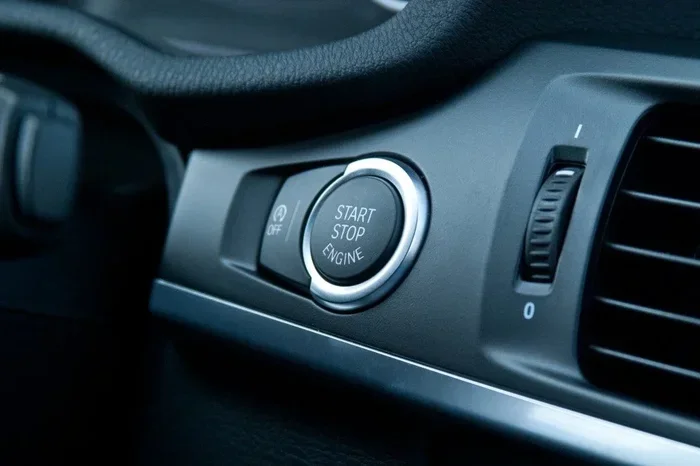
- Push button start systems: These cars need a specific type of remote start module that communicates with the push button start system. Not all modules are compatible.
- Transponder key systems: Modern cars with chip keys need a bypass module for the remote start to work. Without it, the car will not recognize the key and will not start.
- Factory alarm systems: Some factory alarms can interfere with aftermarket remote start systems. A professional installer can usually resolve this with a compatibility interface.
- Diesel engines: Diesel remote start systems are different from gasoline ones. They require glow plug control and a specialized module.
If you are not sure whether your car is compatible, check with a local remote start installer. Most offer free compatibility checks and can tell you right away if your vehicle can support the system.
Conclusion
Getting your remote start working again does not have to be a headache. In most cases, the problem is simple and fixable in minutes. Start with the key fob battery, move to reprogramming, check your car battery, and reset the module. These four steps solve the vast majority of remote start issues.
If those steps do not work, it is time to look at the bigger picture. Signal interference, a faulty module, or wiring issues might be the real problem. And in those cases, a professional remote start installer can diagnose and fix the issue quickly.
The best way to avoid problems in the future is simple maintenance. Swap out your fob battery yearly, keep your car battery healthy, and test your system regularly. A little care goes a long way toward making sure your remote engine starts every time you need it.
Now that you have the knowledge and the steps, go ahead and try fixing your remote start today. You might be surprised how fast it works again. And the next time you step out into the cold, your car will be warm and ready for you. That is the real power of a working remote start system.
Frequently Asked Questions
Why did my remote start suddenly stop working?
The most common reason is a dead key fob battery. Other causes include signal interference, a low vehicle battery, or the system needing to be reprogrammed. Start by replacing the fob battery and testing from a closer distance to narrow down the issue.
How much does it cost to fix a remote start system?
Simple fixes like a fob battery cost just a few dollars. Reprogramming is usually free if you do it yourself. More complex repairs like module replacement can cost $200 to $500. A full professional installation runs $300 to $800 depending on your vehicle and the system you choose.
Can I install a remote start system myself?
It is possible if you have basic car knowledge and the right tools. However, most people benefit from professional installation, especially for vehicles with push button start or transponder keys. A professional ensures the bypass module and wiring are installed correctly and safely.
How far can a remote start work?
Most remote start systems have a range of 500 to 1,500 feet. Some advanced systems with smartphone connectivity can work from virtually anywhere with cell service. Signal range can be affected by buildings, terrain, and interference from other electronics.
Is it safe to leave my car running with remote start?
Yes, modern remote start systems are designed with safety in mind. The car will not move without the key or fob present. Most systems also shut off automatically if someone tries to drive the car without the proper key. The doors stay locked, and the engine turns off if the hood is opened.
How often should I replace my remote start key fob battery?
Replace your fob battery every 12 to 18 months for best results. Cold weather shortens battery life, so if you live in a harsh climate, consider swapping it out before winter. Keeping a spare battery in your glove box ensures you are never caught off guard.
=== CONCLUSION ===
Your remote start is one of the most convenient features in your car, and when it stops working, it feels like a small emergency. But as we have covered, most problems are easy to fix. Replace the fob battery first, then try reprogramming, check your car battery, and reset the module. These four steps handle the vast majority of remote start issues quickly and affordably.
If the problem persists, do not hesitate to call a professional. A qualified remote start installer can diagnose wiring issues, module failures, and compatibility problems that are beyond a DIY fix. And remember, regular maintenance is your best defense against future problems. Keep that fob battery fresh, protect your car battery in cold weather, and test your system often.
Now you have everything you need to get your remote engine running again. Go ahead, press that button, and enjoy the comfort of a warm car waiting for you. Your remote start will be back in action before you know it.