How Do Car Keys Unlock Cars And What Makes Them Tick
How Do Car Keys Unlock Cars involves a mix of mechanical precision and electronic signals working together in seconds. From the basic lock cylinder to advanced transponder keys and smart key systems, each component plays a vital role in keeping your vehicle secure and accessible. Understanding this process empowers you to troubleshoot problems, maintain your keys, and make smarter decisions about key replacement and car security systems.
You press a button or turn a key, and your car door pops open. It feels like magic. But how do car keys unlock cars is actually a fascinating story of engineering and electronics. The process involves several components working together in a fraction of a second.
Every time you use your car key, a small lock mechanism engages with the door lock or ignition. Modern vehicles add layers of electronic security on top of the basic mechanical process. Understanding this system helps you stay prepared when things go wrong.
In this guide, we will walk through everything you need to know. We will cover the basics, explore how transponder keys and key fobs work, and share practical tips for keeping your keys in top shape. Whether you drive a classic car or a new model, this guide has something for you.
Key Takeaways
- Mechanical keys work with a lock cylinder: The ridges on your key push pins into place, allowing the cylinder to turn and release the lock.
- Transponder keys add electronic security: A small chip sends a unique signal to your car’s computer, and the immobilizer only disengages when the code matches.
- Key fobs use radio frequency signals: Pressing a button sends a coded radio frequency signal to your car, triggering the doors to unlock remotely.
- Smart keys offer hands-free convenience: Proximity sensors detect your smart key and allow push-button start without inserting the key.
- Regular maintenance prevents lockouts: Replacing your key battery every 12 to 18 months and keeping spare keys safe saves time and money.
- Professional help is needed for complex issues: Key programming, transponder key replacement, and ignition switch repair require specialized tools and expertise.
- Understanding your system builds confidence: Knowing how how do car keys unlock cars works helps you handle problems calmly and make informed decisions.
📑 Table of Contents
How Do Car Keys Unlock Cars: The Basic Mechanism
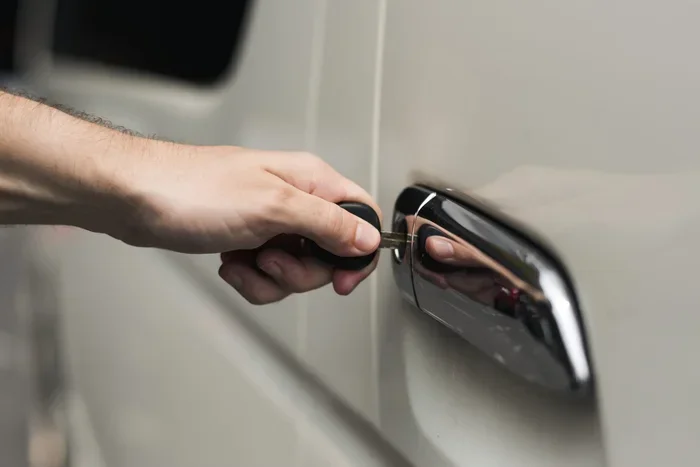
At its core, unlocking a car is a simple physical process. A mechanical key has ridges and cuts that match the lock cylinder inside your door. When you insert the key and turn it, those ridges push small pins into place. Once all the pins align, the cylinder rotates and the lock releases.
This same basic principle has been used for over a century. The difference today is that modern cars add electronic layers on top of this mechanical foundation. Let us break down the main components.
The Mechanical Lock Cylinder
The lock cylinder is the heart of your car door lock. It is a small cylindrical device that houses a set of spring-loaded pins. When you insert the correct mechanical key, the ridges push each pin to the right height. This creates a clear path for the cylinder to turn.
Think of it like a combination lock. Every pin must be in the exact right position. If even one pin is off, the cylinder will not rotate, and the door stays locked. This is why a worn or damaged key can fail to unlock your car.
Over time, pin springs can weaken, and the cylinder can wear down. This is one of the most common reasons drivers experience vehicle lockout situations. Regular maintenance can help prevent this.
How the Key Turns the Lock
When you turn your mechanical key, you are actually moving a cam or lever inside the lock. This cam pulls or releases the lock bolt. The bolt then retracts from the door frame, allowing the door to open.
The process happens very quickly. A well-maintained lock cylinder should turn smoothly with minimal resistance. If you feel stiffness or grinding, it is a sign that your lock mechanism needs attention. Ignoring these signs can lead to a complete lock failure.
For older vehicles, the mechanical key is the only way to unlock the doors. There is no electronic component involved. This makes car lock repair simpler but also less secure compared to modern systems.
The Role of the Ignition Switch
The ignition switch is another critical component. It is located on the steering column and controls the electrical systems of your car. When you insert your key and turn it to the “on” or “start” position, the switch completes an electrical circuit.
This circuit sends power to the starter motor, fuel system, and ignition coils. Without a working ignition switch, your car will not start even if the lock cylinder turns freely. The ignition switch and the lock cylinder work together as a team.
Worn ignition switches are a known issue in many vehicle models. If your car stalls or fails to start, the ignition switch might be the culprit. A qualified mechanic can test and replace it quickly.
The Evolution of Car Key Technology
The history of car keys tells a story of constant innovation. What started as a simple piece of metal has evolved into a high-tech security device. Understanding this evolution helps you appreciate the car security system in your vehicle today.
From Simple Metal Keys to Electronic Systems
For decades, cars used nothing but a basic mechanical key. These keys had unique cuts that matched the lock cylinder. The security came from the physical difficulty of copying the key pattern.
As car theft increased, manufacturers needed better solutions. The first major leap came with the introduction of double-sided keys. These keys had cuts on both sides, making them harder to pick or copy. But they still relied purely on mechanical means.
The real transformation began in the 1980s when manufacturers started adding electronic components to keys. This marked the beginning of the transponder key era. Suddenly, a car would not start without the correct electronic signal from the key.
The Birth of the Transponder Key
A transponder key contains a small electronic chip inside the plastic head. This chip sends a unique electronic signal to the car’s computer when inserted into the ignition. The car’s computer reads this signal and verifies it against a stored code.
If the signal matches, the immobilizer system disengages and the engine can start. If the signal does not match, the engine remains disabled. This anti-theft system has dramatically reduced car theft rates since its introduction.
Transponder keys are now standard on most vehicles sold today. Even if someone copies the mechanical cuts of your key, the car will not start without the correct transponder signal. This dual-layer security is a game changer.
Remote Keyless Entry Revolution
The remote keyless entry system arrived in the 1990s and changed everything. Drivers could now unlock their car doors from several feet away by pressing a button on a key fob. This convenience quickly became a standard feature.
The key fob sends a radio frequency signal to a receiver in the car. When the car receives the correct code, it unlocks the doors. The entire process takes less than a second.
Early remote systems used simple rolling codes. Modern systems use advanced encryption to prevent signal interception and cloning. This evolution shows how car security systems continue to adapt to new threats.
How Transponder Keys and Key Fobs Work
The transponder key and key fob represent two sides of the same coin. Both use electronic signals to communicate with your car, but they serve different purposes. Let us explore how each one operates.
Understanding the Immobilizer System
The immobilizer is an electronic security device built into your car. It works hand in hand with the transponder chip in your key. When you insert the key into the ignition, the car’s computer sends a request for identification.
The transponder chip responds with its unique code. The computer checks this code against its database. If the code is recognized, the immobilizer allows the engine to run. If not, the fuel system is blocked and the engine will not start.
This system operates silently in the background. You never see it working, but it is always active. The immobilizer has been one of the most effective tools in reducing vehicle theft worldwide.
Radio Frequency and RFID Technology
Transponder keys and key fobs use RFID technology, which stands for Radio Frequency Identification. The chip in your key does not need a battery to function. Instead, it draws power from the radio signal sent by the car’s reader.
When you insert the key, the car sends out a low-frequency radio signal. The transponder chip absorbs this energy, powers up, and sends back its unique identification code. This entire exchange happens in milliseconds.
RFID technology is not just used in car keys. It is also found in access cards, toll tags, and inventory tracking systems. The principle is the same: a reader sends a signal, and a tag responds with its unique code.
How Key Fobs Send Signals
When you press the unlock button on your key fob, it transmits a coded radio frequency signal. This signal travels through the air to a receiver antenna on your car. The car’s computer decodes the signal and sends a command to the door locks.
Each key fob is programmed with a unique code. This prevents someone nearby from unlocking your car with a generic signal. The rolling code system changes the access code every time you use it, adding another layer of protection.
The range of a typical key fob is about 20 to 30 feet. Some newer models can reach up to 100 feet. If your key fob stops working, the first thing to check is the key battery. A weak battery reduces the signal strength and range.
Smart Keys and Proximity Sensors
Modern vehicles often use smart key systems instead of traditional key fobs. A smart key does not need to be inserted into the ignition. Instead, the car detects the key through proximity sensors when you are within a certain range.
Once the car recognizes your smart key, you can start the engine with the push of a button. The proximity sensor continuously monitors the area around the vehicle for an authorized key. This creates a seamless and hands-free experience.
Smart key systems also include advanced security features. The key and the car communicate using encrypted signals that are very difficult to duplicate. This makes smart key systems among the most secure car security systems available today.
Push-Button Start Systems
Push-button start systems have replaced traditional ignition keys in many new cars. To start the engine, you simply press the start button while keeping your foot on the brake. The car verifies that the smart key is inside the vehicle before allowing the engine to start.
This technology relies on the same RFID technology and proximity sensors as remote entry. The main difference is that the authentication happens automatically when you approach the car. You do not even need to take the key out of your pocket.
While convenient, push-button start systems require the key battery to be in good condition. A dead battery in your smart key can leave you unable to start your car. Most vehicles have a backup method, such as placing the key against a specific spot on the steering column.
Common Car Key Problems and Solutions
Even the best car keys can develop problems over time. Knowing what to look for helps you address issues before they leave you stranded. Here are the most common problems and how to solve them.
Dead Key Battery Issues
The most common reason a key fob stops working is a dead key battery. Most key fobs use a small CR2025 or CR2032 coin cell battery. Replacing it is simple and inexpensive.
Signs of a dying key battery include reduced range, intermittent operation, and the need to press the button multiple times. If your smart key stops working, try replacing the battery before assuming something more serious is wrong.
Keep a spare battery in your glove box. This simple habit can save you from a vehicle lockout situation. Most battery replacements take less than five minutes and cost under five dollars.
Key Programming and Replacement
When you lose all your keys or need a key replacement, the process is more complex than it used to be. Modern transponder keys and smart keys must be programmed to match your car’s computer.
Key programming requires specialized equipment and knowledge. A dealership or a qualified locksmith can program a new key for you. The process typically takes 15 to 30 minutes and costs between 50 and 200 dollars depending on your vehicle.
Some newer vehicles require the car to be towed to a dealer for key replacement. This is because the programming process needs access to the car’s diagnostic port. Always keep at least one spare key programmed and stored in a safe place to avoid this hassle.
When to Call a Professional
Some key problems are beyond a simple battery replacement. If your key fob is physically damaged, the internal electronics may need repair. Similarly, if your transponder key is cracked or the chip is damaged, you will need a replacement.
A professional car lock repair specialist can diagnose and fix most key-related issues. They have the tools and expertise to handle key programming, lock cylinder replacement, and ignition switch repair. Trying to fix complex electronic issues yourself can cause further damage.
Quick Tips for Car Key Care
- Replace the battery in your key fob every 12 to 18 months.
- Avoid dropping your key on hard surfaces, as this can damage the internal chip.
- Store spare keys in a safe and accessible location away from your primary key.
- Keep your key away from strong magnetic fields and electronic devices.
- Clean the key contacts occasionally with a dry cloth to ensure good signal transmission.
Common Mistakes to Avoid
- Ignoring warning signs: If your key fob becomes unreliable, replace the battery or get it checked immediately.
- Using the wrong battery: Always use the battery type recommended by your car manufacturer.
- Attempting DIY programming: Incorrect key programming can lock you out of your vehicle entirely.
- Exposing keys to water: Water damage can destroy the electronic components inside your key fob.
- Copying transponder keys at cheap shops: Non-certified copies may not work with your car’s immobilizer system.
Keeping Your Car Keys Secure and Working
Your car keys are the gateway to your vehicle. Taking proper care of them ensures reliable performance and strong security. Here are some practical steps you can take to protect your investment.
Key Maintenance Tips
Regular maintenance keeps your car keys functioning smoothly. Start by cleaning your key fob with a soft, damp cloth. Avoid using harsh chemicals that can damage the plastic casing or internal electronics.
Check the key battery regularly. A weak battery not only reduces range but can also damage the internal circuitry if left unchecked. Replace batteries as soon as you notice reduced performance.
For mechanical keys, inspect the cuts for wear. A worn key will not engage the lock cylinder properly and can cause lockout situations. If your mechanical key looks shiny or smooth in the cut areas, it is time for a replacement.
Expert Insights on Car Key Security
Automotive security experts recommend a layered approach to car key security. This means combining physical security with electronic protection. A transponder key paired with a steering wheel lock provides excellent protection against most theft methods.
Experts also advise against leaving your key fob near windows or exterior doors at night. Thieves can use relay devices to capture your key fob signal from outside your home. Storing keys in a signal-blocking pouch or a metal box eliminates this risk.
According to the National Insurance Crime Bureau, vehicles with anti-theft systems including transponder keys are significantly less likely to be stolen. Investing in proper car security systems pays for itself in reduced theft risk and lower insurance premiums.
When to Replace Your Car Keys
Knowing when to replace your car keys can save you from unexpected vehicle lockout situations. Replace your key fob if the buttons stop responding even after a battery change. Replace your transponder key if the chip is visibly damaged or cracked.
If you have experienced a vehicle lockout more than once, consider upgrading to a smart key system or keeping a spare key programmed. Prevention is always better and cheaper than car lock repair or emergency locksmith services.
Regularly assess the condition of all your car keys. A proactive approach to key maintenance and replacement keeps your car security system strong and your daily routine hassle-free.
Comparing Car Key Types and Final Thoughts
Not all car keys are the same. Different types offer varying levels of security, convenience, and cost. Here is a comparison of the three main types of car keys used today.
| Feature | Mechanical Key | Transponder Key | Smart Key |
|---|---|---|---|
| Technology Used | Metal teeth cuts | Chip + metal key | Proximity sensor + RFID |
| Security Level | Basic | High | Very High |
| Battery Required | No | No | Yes |
| Replacement Cost | Low (10 to 30 dollars) | Medium (50 to 150 dollars) | High (100 to 400 dollars) |
| Remote Entry | No | Sometimes | Yes |
| Theft Prevention | Low | High | Very High |
| Common In | Older vehicles | Most modern cars | Premium and new models |
Each key type has its strengths. Mechanical keys are simple and affordable but offer the least security. Transponder keys provide a strong balance of cost and protection. Smart keys offer the highest convenience and security but come at a premium price.
When choosing a vehicle or planning key replacement, consider your budget, security needs, and how much convenience matters to you. Understanding these differences empowers you to make informed decisions about your car security system.
Conclusion
How do car keys unlock cars is a question with a rich and evolving answer. From the simple mechanical key to the advanced smart key, each generation of technology has made our vehicles more secure and convenient. The lock mechanism, transponder chip, key fob, and immobilizer system all work together seamlessly every time you access your car.
Understanding your car key unlock mechanism gives you confidence when problems arise. You will know when a simple key battery replacement will fix the issue and when to call a professional for car lock repair or key programming. This knowledge also helps you appreciate the sophisticated car security system that protects your vehicle every day.
Take care of your keys, keep spare batteries on hand, and store your keys safely. These small habits go a long way in preventing vehicle lockout situations and keeping your car secure. With the right knowledge and a little maintenance, your car keys will keep working reliably for years to come.
Frequently Asked Questions
What is a transponder key and how does it work?
A transponder key contains a small electronic chip inside the plastic head that sends a unique electronic signal to your car’s computer. When the signal matches the stored code, the immobilizer disengages and the engine can start. This technology adds a strong layer of anti-theft protection beyond the basic mechanical key cuts.
How long does a key fob battery last?
Most key fobs use a small coin cell battery that lasts between 12 and 18 months. Signs of a dying battery include reduced range, intermittent operation, and needing to press the button multiple times. Replacing the key battery is quick, easy, and costs just a few dollars.
Can I program a car key myself?
Some vehicles allow basic key programming through a sequence of button presses, but most modern cars require specialized diagnostic equipment. Attempting DIY programming without the right tools can lock you out of your vehicle. It is best to consult a dealership or a qualified locksmith for key replacement and programming.
What should I do if I lose all my car keys?
First, stay calm and check all your pockets, bags, and recent locations. If you have a spare key fob or mechanical key, use it to access your vehicle. If you have lost all keys, contact a professional locksmith or your dealership for emergency key programming and replacement services.
Why does my key fob stop working after getting a new battery?
A new battery may not seat properly, or the battery type may be incorrect. Make sure you are using the exact battery model recommended by your car manufacturer. If the problem persists, the key fob internal electronics may be damaged, or the key programming may need to be reset by a professional.
How much does car key replacement cost?
The cost varies widely depending on your vehicle and key type. A basic mechanical key replacement costs 10 to 30 dollars. A transponder key typically runs 50 to 150 dollars, while a smart key replacement can range from 100 to 400 dollars. Always get a quote from a trusted locksmith or dealership before proceeding.