How Much Is a New Engine for a Hyundai Tucson Breakdown
The cost of a new engine for a Hyundai Tucson typically ranges from $3,500 to $7,500, depending on the engine type, model year, and whether you choose a new, remanufactured, or used unit. Labor costs add another $1,000 to $2,500, bringing the total replacement cost to roughly $4,500 to $10,000. Understanding these numbers helps you make a smart, informed decision about your Tucson engine replacement.
Key Takeaways
- New engine costs: Expect to pay between $3,500 and $7,500 for a brand-new Hyundai Tucson engine.
- Labor adds up: Professional installation typically costs $1,000 to $2,500 depending on your location.
- Remanufactured options save money: A rebuilt engine can cut costs by 30 to 50 percent.
- Model year matters: Newer Tucson models with turbo engines cost more to replace than older naturally aspirated versions.
- Warranty protects you: Many engine replacements come with warranties covering parts and labor for 12 to 36 months.
- DIY is risky: Engine replacement is complex and requires specialized tools and expertise.
📑 Table of Contents
- How Much Is a New Engine for a Hyundai Tucson?
- Understanding Tucson Engine Options
- Breakdown of New Engine Costs
- Factors That Affect the Final Price
- Should You Choose New, Remanufactured, or Used?
- DIY Engine Replacement: Can You Do It Yourself?
- How to Save Money on Your Tucson Engine Replacement
- When to Replace vs. When to Repair
- Final Thoughts on Tucson Engine Replacement Cost
How Much Is a New Engine for a Hyundai Tucson?
If you own a Hyundai Tucson and your engine is giving you trouble, you are probably wondering about the cost. The truth is, replacing a Tucson engine is not cheap. But knowing what to expect helps you plan and avoid surprises. This guide breaks down every cost involved. We will look at new engines, used options, remanufactured units, and labor costs. By the end, you will have a clear picture of what you are facing.
The Hyundai Tucson is a popular compact SUV. It has been a reliable choice for many drivers since its launch. But like any vehicle, the engine can wear out over time. Whether you drive a 2015 Tucson or a 2023 model, engine replacement costs vary. The price depends on several key factors that we will explore in detail below.
Understanding Tucson Engine Options
The Hyundai Tucson has come a long way over the years. Different model years use different engines. Knowing which engine your Tucson has is the first step in figuring out replacement costs. Let us look at the main engine options available.
2.0 Liter Naturally Aspirated Engine
Many older Tucson models use a 2.0 liter four-cylinder engine. This engine is found in the Tucson SE and SEL trims. It produces around 164 horsepower. This engine is simpler and generally less expensive to replace. A new 2.0 liter engine typically costs between $3,500 and $4,500 from the dealership.
1.6 Liter Turbo Engine
The Tucson also offers a 1.6 liter turbocharged engine in higher trims. This engine delivers more power, around 201 horsepower. But it is also more complex. Replacing a 1.6 turbo engine costs more, usually between $5,000 and $7,500 for a new unit. The turbo components add to the overall price.
Hybrid Engine Options
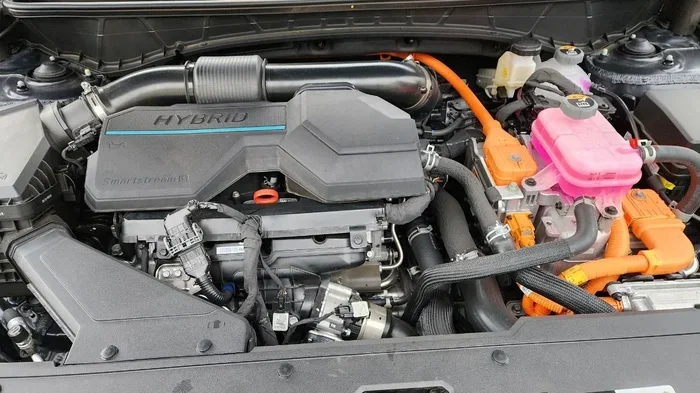
Newer Tucson Hybrid models use a different powertrain setup. The hybrid system combines a gasoline engine with an electric motor. Replacing the hybrid powertrain is more involved. Costs for hybrid engine work can be higher. Always confirm the exact powertrain type before getting quotes.
Breakdown of New Engine Costs
Let us get into the numbers. Understanding where your money goes helps you budget properly. Here is a detailed look at the costs involved in a Tucson engine replacement.
Parts Cost: New Engine
A brand-new Hyundai Tucson engine from the dealership is the most expensive option. For the 2.0 liter engine, you are looking at around $3,500 to $4,500. For the 1.6 turbo, expect $5,000 to $7,500. These prices include the full engine assembly. They also include all gaskets, seals, and mounting hardware.
Parts Cost: Remanufactured Engine
A remanufactured engine is a used engine that has been completely rebuilt to factory specifications. This option can save you 30 to 50 percent compared to a new engine. Remanufactured Tucson engines typically cost between $1,800 and $3,500. Many remanufactured engines come with a warranty. This makes them a smart choice for budget-conscious owners.
Parts Cost: Used Engine
You can also find used engines from salvage yards or online sellers. A used Tucson engine usually costs between $1,000 and $2,500. The downside is you do not know the full history. A used engine may have hidden issues. Always ask for a warranty when buying a used engine, even if it is a short one.
Labor Cost for Engine Replacement
Labor is a big part of the total cost. Replacing a Tucson engine takes several hours of skilled work. Most shops charge between $100 and $200 per hour. The job typically takes 10 to 15 hours. That puts labor costs at roughly $1,000 to $2,500. Dealerships often charge more for labor than independent shops.
| Engine Option | Parts Cost | Labor Cost | Total Estimate |
|---|---|---|---|
| New 2.0L Engine | $3,500 – $4,500 | $1,000 – $2,000 | $4,500 – $6,500 |
| New 1.6T Engine | $5,000 – $7,500 | $1,200 – $2,500 | $6,200 – $10,000 |
| Remanufactured Engine | $1,800 – $3,500 | $1,000 – $2,000 | $2,800 – $5,500 |
| Used Engine | $1,000 – $2,500 | $1,000 – $2,000 | $2,000 – $4,500 |
Factors That Affect the Final Price
Not every Tucson engine replacement costs the same. Several factors can push the price up or bring it down. Let us look at what matters most.
Model Year and Trim Level
Newer Tucson models have more advanced engines. The 2023 Tucson Hybrid, for example, uses a complex powertrain. Older models with simpler engines cost less to replace. Your trim level also matters. Higher trims may have engine components that are harder to access.
Your Location
Where you live affects labor rates significantly. Shops in big cities charge more than those in rural areas. Coastal states and major metros tend to have higher rates. Getting quotes from multiple shops in your area is always a good idea.
Dealership vs. Independent Shop
Hyundai dealerships charge a premium for parts and labor. They use genuine OEM parts and have factory-trained technicians. Independent shops often use quality aftermarket parts and charge less for labor. Many independent shops can match dealership quality at a lower price. However, if your Tucson is still under warranty, the dealership may be your best option.
Additional Repairs Needed
Sometimes engine problems cause damage to other parts. You might need a new water pump, alternator, or transmission mount. These extra repairs add to the total bill. Always ask for a full inspection before committing to the replacement.
Warranty Coverage
If your Tucson is still under the factory warranty, engine replacement may be covered. Check your warranty terms carefully. Some warranties cover the powertrain for 10 years or 100,000 miles. If your warranty is still active, you could save thousands of dollars.
Should You Choose New, Remanufactured, or Used?
This is one of the biggest decisions you will face. Each option has pros and cons. Let us break them down so you can choose with confidence.
New Engine Pros and Cons
A new engine gives you the best reliability. It comes with a full manufacturer warranty. You know exactly what you are getting. The downside is the high cost. A new engine is the most expensive option by far. But for many owners, the peace of mind is worth it.
Remanufactured Engine Pros and Cons
Remanufactured engines offer great value. They are rebuilt to meet factory standards. Many come with warranties of 12 to 36 months. The cost savings are significant compared to new engines. The downside is quality can vary between rebuilders. Always buy from a reputable supplier.
Used Engine Pros and Cons
Used engines are the cheapest option. You can sometimes find them for under $1,500. The problem is the unknown history. A used engine may have the same issues as your current one. Always request a warranty and have the seller provide details about the engine’s condition.
Quick Tips for Choosing Your Engine
- Ask for a warranty on any engine you buy, no matter the source.
- Get multiple quotes from at least three different shops.
- Check reviews of the supplier or rebuilder before buying.
- Ask if the price includes installation or if labor is separate.
- Verify the engine matches your Tucson model year exactly.
DIY Engine Replacement: Can You Do It Yourself?
Some car owners want to save money by doing the work themselves. Engine replacement is one of the most complex jobs you can do. It requires specialized tools, a lift, and deep mechanical knowledge. For most people, DIY engine replacement is not recommended.
You will need an engine hoist, socket set, torque wrench, and many other tools. The process involves disconnecting the transmission, removing the old engine, mounting the new one, and reconnecting everything. Mistakes can lead to serious and expensive damage. If you are not experienced, leave this job to the professionals.
However, if you are a skilled mechanic with a proper garage, you can save a lot on labor. Just make sure you have access to a reliable service manual for your specific Tucson model year. YouTube has many tutorials, but nothing replaces hands-on experience with this type of job.
How to Save Money on Your Tucson Engine Replacement
Engine replacement is expensive. But there are smart ways to reduce the cost without sacrificing quality. Here are some practical tips.
Get Multiple Quotes
Do not just accept the first quote you get. Visit at least three shops. Compare not just the price but what is included. Some shops offer a lower price but use lower-quality parts. Always ask what is included in the quote.
Consider an Independent Shop
Independent shops often charge 30 to 40 percent less than dealerships for labor. Many independent mechanics have years of experience with Hyundai vehicles. They may also offer flexible payment plans. Ask friends or check online reviews for trusted shops in your area.
Check for Recalls or Technical Service Bulletins
Hyundai occasionally issues recalls or service bulletins that cover engine-related issues. Check with your dealership or visit the NHTSA website to see if your Tucson qualifies for any coverage.
Ask About Payment Plans
Many repair shops understand that engine replacement is a big expense. They may offer payment plans or financing options. Ask before you commit. Some shops even partner with third-party financing companies that offer low-interest payment plans.
Maintain Your Engine to Avoid Future Problems
The best way to save money is to prevent engine problems in the first place. Regular oil changes, coolant flushes, and timely repairs keep your Tucson engine healthy. Follow the maintenance schedule in your owner’s manual. A well-maintained engine lasts longer and costs less to own.
When to Replace vs. When to Repair
Not every engine problem requires a full replacement. Sometimes a repair is enough. Here are some guidelines to help you decide.
Replace the engine if: The engine has major internal damage like a cracked block or thrown rod. The vehicle has high mileage and the engine is worn out. The cost of repairs exceeds 50 percent of the replacement cost.
Repair instead if: The issue is a minor component like a sensor or gasket. The engine is still relatively new with low mileage. The repair cost is well below the replacement cost. A trusted mechanic can help you decide which path makes the most sense.
If you are unsure, get a second opinion. A reputable independent shop will give you an honest assessment. They will tell you if a repair is worth it or if you need a full replacement. Do not let anyone pressure you into an expensive replacement when a simple fix will do.
Final Thoughts on Tucson Engine Replacement Cost
Replacing the engine in your Hyundai Tucson is a significant investment. The total cost typically falls between $4,500 and $10,000, depending on your choices. A new engine costs the most but offers the best reliability. Remanufactured and used engines can save you a lot of money. Labor costs add a substantial amount to the total bill.
Take your time when making this decision. Get multiple quotes. Ask questions. Understand what is included in each estimate. The cheapest option is not always the best option. Focus on quality, warranty, and the reputation of the shop or supplier.
Your Hyundai Tucson is a great vehicle. With the right engine replacement, it can keep running reliably for many more miles. Use the information in this guide to make a confident, informed choice. Your wallet and your Tucson will thank you.
Frequently Asked Questions
How long does a Hyundai Tucson engine replacement take?
A typical engine replacement takes between 8 and 15 hours. The exact time depends on the engine type, model year, and the shop’s experience. Simpler engines like the 2.0 liter take less time. Turbo engines and hybrid powertrains take longer. Always ask the shop for an estimated timeline before they start the work.
Can I drive my Tucson with the check engine light on?
It depends on the severity of the issue. If the check engine light is flashing, stop driving immediately and get your vehicle towed. A flashing light often indicates a serious problem that can cause further damage. If the light is steady, you may be able to drive a short distance to a repair shop. However, ignoring the light for too long can turn a small repair into a full engine replacement.
Is it cheaper to buy a remanufactured engine or a used engine?
Remanufactured engines usually cost more than used engines, but they also come with warranties and quality guarantees. A used engine is cheaper upfront, but you take a bigger risk on reliability. For most Tucson owners, a remanufactured engine offers the best balance of cost and quality. The extra money spent often pays off in long-term reliability.
Does Hyundai cover engine replacement under warranty?
Hyundai offers a comprehensive powertrain warranty that covers the engine. Most new Tucson models come with a 10-year or 100,000-mile powertrain warranty. If your vehicle is still within this coverage period, engine replacement may be fully covered. Check your warranty documents or contact your dealership to confirm your specific coverage details.
How can I reduce the cost of my Tucson engine replacement?
You can reduce costs by choosing a remanufactured or used engine over a new one. Getting quotes from multiple shops helps you find the best labor rate. Independent shops typically charge less than dealerships. Also, ask about any available rebates, recalls, or service bulletins that might cover part of the cost. Every dollar you save on parts or labor adds up.
What are the signs that my Tucson engine needs replacement?
Common signs include persistent knocking sounds from the engine, excessive smoke from the exhaust, loss of power during acceleration, and frequent overheating. You might also notice the check engine light staying on despite repairs. If you experience any of these symptoms, get your Tucson inspected by a qualified mechanic as soon as possible. Early detection can sometimes prevent a full replacement.
=== CONCLUSION ===
The cost of a new engine for a Hyundai Tucson is a significant expense, but understanding the breakdown helps you make the right choice. Whether you choose a new, remanufactured, or used engine, the key is to work with a trusted shop and get a clear, detailed quote. Take your time, ask questions, and do not rush into a decision. Your Tucson deserves a quality engine replacement that will keep it running smoothly for years to come.