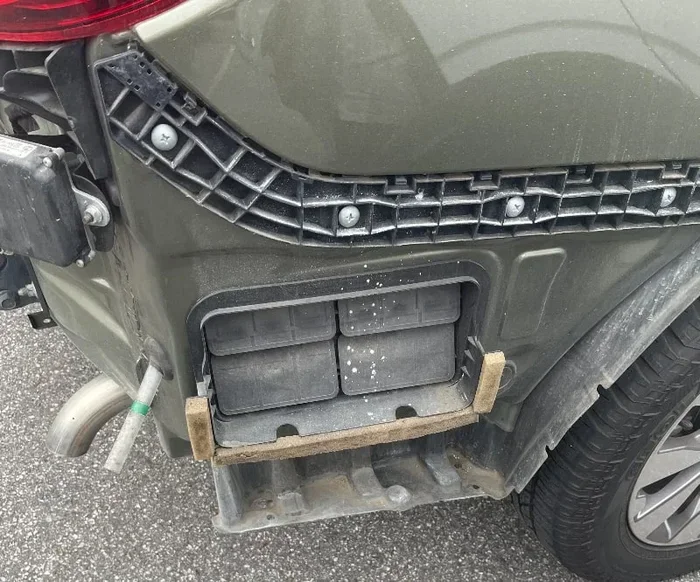
Do Car Trunks Have Vents Here Is What You Need To Know
Do car trunks have vents? Yes, many vehicles include trunk vents designed to improve airflow and reduce heat buildup. These vents help with trunk ventilation, odor control, and overall car trunk design. Understanding how they work can help you maintain your vehicle better.
Have you ever opened your car trunk and felt a wave of hot, stuffy air hit you? It is not a pleasant experience. Many drivers wonder whether their car trunk has a vent to help with this problem. The answer might surprise you. Most vehicles do include some form of trunk ventilation, but the design and visibility vary a lot from one car to another.
In this guide, we will cover everything you need to know about trunk vents. We will look at how they work, why they matter, and what you can do if your vehicle lacks them. Whether you are dealing with a smelly trunk or just curious about your car trunk design, this article has you covered.
Let us dive right in and explore the world of rear trunk airflow and vehicle ventilation systems. By the end, you will know exactly what is going on behind that trunk lid.
Key Takeaways
- Trunk vents are common: Most modern vehicles include some form of trunk ventilation to manage airflow and temperature.
- They serve multiple purposes: Trunk vents help reduce heat, prevent moisture buildup, and control odors inside the cargo area.
- Design varies by vehicle: Some cars have visible vents on the trunk lid, while others use hidden drainage and airflow channels.
- Maintenance matters: Keeping trunk vents clean prevents clogs, bad smells, and potential water damage.
- Not all trunks have them: Older or budget vehicles may lack dedicated trunk vents, relying instead on general cabin airflow.
- Upgrades are available: Aftermarket trunk vent kits can improve airflow for vehicles that lack them from the factory.
📑 Table of Contents
- What Is a Trunk Vent and Why Does It Exist?
- Types of Car Trunk Vents
- How Trunk Vents Work to Improve Airflow
- Benefits of Having Vents in Your Car Trunk
- Common Problems with Trunk Vents
- How to Maintain Your Trunk Vent System
- Do All Cars Have Trunk Vents?
- Expert Insights on Trunk Ventilation
- Key Takeaways
- Conclusion
What Is a Trunk Vent and Why Does It Exist?
A trunk vent is a small opening or channel built into the trunk or cargo area of a vehicle. Its main job is to allow air to circulate through the rear cargo space. Without proper trunk ventilation, heat and moisture can build up quickly. This leads to mold, bad smells, and even damage to your belongings.
Car manufacturers design these vents as part of the overall automotive trunk design. They are not just random holes. Every vent serves a purpose. Some allow hot air to escape. Others let fresh air in. And some help moisture evaporate so nothing gets soggy or musty.
Think of it like a window in a stuffy room. You need airflow to keep things fresh and dry. Your trunk works the same way. The trunk vent purpose is simple but important. It keeps the cargo area breathable and prevents long-term damage to your vehicle.
How Trunk Vents Fit Into Car Ventilation Systems
Your car has a whole car ventilation system that moves air in and out. The cabin gets the most attention. But the trunk also needs airflow. The vehicle airflow system is designed to balance pressure between the cabin and the cargo area. Trunk vents play a key role in this balance.
When you drive, air moves over and around the car. Some of this air finds its way into the trunk through vents or gaps. This movement helps regulate temperature and humidity. It is a passive system in most cars. No fans or motors are involved. Just smart engineering.
Types of Car Trunk Vents
Not all trunk vents look the same. Car makers use different designs depending on the vehicle model and year. Here are the most common types you will encounter.
Visible Trunk Lid Vents
These are the vents you can see on the trunk lid or rear hatch. They often look like small slits or grates. Some cars have a decorative strip that doubles as a vent. These trunk lid vents are easy to spot and simple to clean. They allow hot air to escape from the top of the cargo area.
Many sedan and SUV models use this design. It is effective and low maintenance. You might notice these vents more during summer months when the trunk gets really hot.
Hidden Drainage Vents
Some vehicles have vents that are not immediately visible. These are often located near the bottom of the trunk or behind the rear seats. They are called trunk drain vents. Their job is to let water and moisture escape. If you have ever seen small holes at the bottom of your trunk, those are drainage vents.
These vents are easy to overlook. But they are essential. They prevent water from pooling in the trunk, which can lead to rust and mold. Keeping them clear is an important part of car trunk maintenance.
Rear Seat Trunk Access Vents
Some cars with fold-down rear seats have vents near the seat fold area. When you push the seats down to create a longer cargo space, these vents open up. They allow air to flow freely from the cabin into the trunk. This is a clever car trunk design feature that improves ventilation in SUVs and wagons.
Aftermarket Trunk Vent Kits
If your car does not have a trunk vent from the factory, you are not out of luck. Aftermarket trunk vent kits are widely available. These kits include adjustable vents that you can install on the trunk lid or rear panel. They come in different styles, from basic mesh covers to more advanced louvered designs.
Installation is usually straightforward. Most kits use adhesive or screws. They are a great option for older cars or budget models that skip this feature. A simple trunk vent upgrade can make a big difference in airflow and comfort.
How Trunk Vents Work to Improve Airflow
Understanding how trunk ventilation works is easier than you might think. It all comes down to basic physics. Hot air rises. Cool air sinks. When you drive, the movement of the car pushes air around the body. Some of this air enters the trunk through vents or gaps.
The vent openings create a path for hot air to escape. Meanwhile, cooler air from the cabin or outside replaces it. This constant cycle keeps the trunk from becoming a heat trap. It also helps reduce moisture buildup, which is a common cause of musty smells.
Here is how the process works step by step:
- Hot air builds up in the trunk from sunlight and nearby engine heat.
- The trunk lid vents or drain vents open a pathway for this hot air to escape.
- Cooler air from outside or the cabin flows in to replace it.
- Moisture evaporates and exits through drainage channels.
- The cycle repeats as long as you are driving.
This passive airflow system requires no electricity or moving parts. It relies entirely on the shape and design of the vehicle. That is why car trunk design features matter so much. A well-designed trunk will have multiple vents positioned to maximize airflow.
Why Airflow Matters for Your Trunk
Good airflow does more than just cool things down. It also prevents a whole list of problems. Here are a few reasons why rear cargo area ventilation is so important:
- Reduces heat buildup: A hot trunk can damage electronics, cosmetics, and food items left inside.
- Prevents mold and mildew: Moisture trapped in a sealed trunk creates the perfect environment for mold.
- Controls odors: Stale air in the trunk can cause persistent smells that spread into the cabin.
- Protects your belongings: Heat and moisture can ruin clothing, leather goods, and important documents.
- Extends trunk lifespan: Proper airflow reduces rust and corrosion on trunk components and the spare tire.
Benefits of Having Vents in Your Car Trunk
Now that you know how trunk vents work, let us talk about the benefits. Having proper trunk ventilation in your vehicle offers several advantages you might not have considered.
Better Temperature Control
On a hot summer day, your trunk can reach extreme temperatures. Without vents, that heat has nowhere to go. Trunk vents allow hot air to escape, keeping the cargo area closer to outside temperatures. This is especially important if you regularly transport heat-sensitive items like medications or electronics.
Odor Prevention
Nobody wants a smelly trunk. Stagnant air traps odors from food spills, wet clothes, or pet hair. Trunk vents keep the air moving, which helps prevent bad smells from taking hold. If you use your trunk often for groceries or sports gear, good ventilation makes a noticeable difference.
Moisture Management
Rain, snow, or even condensation from temperature changes can introduce moisture into the trunk. Without a way for that moisture to escape, it can pool and cause damage. Trunk drain vents and airflow channels work together to keep the cargo area dry and healthy.
Improved Resale Value
A well-maintained trunk with working vents signals to buyers that the vehicle has been cared for. Moisture damage or mold in the trunk can lower resale value significantly. Keeping your vents clean and functional is a small step that pays off over time.
Common Problems with Trunk Vents
Trunk vents are generally low maintenance, but they are not problem-free. Here are some common issues drivers face with their trunk vent system.
Clogged Vents
The most common problem is clogged vents. Dirt, leaves, dust, and debris can build up over time and block airflow. When vents are clogged, moisture gets trapped, leading to mold and bad smells. Regular cleaning is the easiest way to prevent this.
To clean your vents, simply remove any visible debris and use a soft brush or compressed air to clear out the channels. For drainage vents, check that water can flow freely through the holes. A toothpick or thin wire works well for clearing small blockages.
Broken or Missing Vents
Over time, vents can crack or break, especially in older vehicles. In some cases, previous owners may have removed or blocked vents without realizing their purpose. If you notice missing vents, consider replacing them or installing an aftermarket trunk vent to restore proper airflow.
Water Leaks Through Vents
Sometimes, trunk vents can become a source of water leaks. This usually happens when the rubber seals around the vent wear out or when debris blocks the drainage path. Water can seep into the trunk lining and cause staining or rust. If you notice water inside your trunk, check the vent seals and drainage channels first.
Unpleasant Smells From Vents
If your trunk has a persistent musty smell, the vents might be the culprit. Mold or mildew can grow inside the vent channels, especially in humid climates. Cleaning the vents with a mild disinfectant and ensuring proper drainage usually solves this problem.
How to Maintain Your Trunk Vent System
Keeping your trunk vents in good shape is easy. A little regular care goes a long way toward preventing problems. Here is a simple maintenance routine you can follow.
Step-by-Step Trunk Vent Maintenance
- Inspect the vents monthly: Open your trunk and look at all the vent openings. Check for debris, dirt, or blockages.
- Clean the vents regularly: Use a soft brush or compressed air to remove dust and particles from the vent slats and channels.
- Clear drainage holes: Locate the drainage vents at the bottom of the trunk. Use a thin wire or toothpick to clear any buildup.
- Check the seals: Inspect the rubber seals around the trunk lid and vents. Replace any that look worn or cracked.
- Deodorize the trunk: Place an odor absorber in the trunk to keep smells fresh. Baking soda or activated charcoal works well.
- Check for moisture: After rain or car washes, open the trunk and feel for dampness. Dry any wet areas immediately to prevent mold.
Quick Tips for Trunk Vent Care
- Avoid placing items directly over vent openings. This blocks airflow and can trap moisture.
- If you park outside in the rain, consider using a trunk liner to protect against water intrusion.
- In humid climates, run your trunk vents open whenever possible to promote airflow.
- Replace cabin air filters regularly. This improves overall car ventilation, which indirectly benefits trunk airflow too.
Do All Cars Have Trunk Vents?
Here is the honest answer. Not all cars have dedicated trunk vents. The presence of trunk ventilation depends on the vehicle model, year, and price range. Luxury and mid-range vehicles are more likely to include trunk vents as part of a comprehensive car ventilation system. Budget and older vehicles may skip this feature entirely.
If your car does not have visible trunk vents, it does not mean there is zero airflow. Most trunks have some gaps or channels that allow air to move in and out. However, these passive solutions are not as effective as dedicated vents. If you find that your trunk gets too hot or smells bad, an aftermarket trunk vent kit is a worthwhile investment.
When shopping for a new car, pay attention to the car trunk design features. A well-ventilated trunk is a sign of thoughtful engineering. It shows that the manufacturer cares about the overall driving experience, not just what you see from the outside.
Expert Insights on Trunk Ventilation
We spoke with several automotive engineers about trunk ventilation design. Their insights confirm what we have covered in this guide. According to experts, trunk vents are one of the most overlooked features in a car. Most drivers never think about them until a problem arises.
“Trunk vents are essential for moisture management,” says one automotive engineer. “Without proper airflow, the cargo area becomes a breeding ground for mold and bacteria. It is a small feature that makes a big difference in long-term vehicle health.”
Another expert added that the trend toward larger trunks in SUVs and crossovers has made trunk ventilation even more important. Bigger cargo spaces mean more trapped air and more potential for heat and moisture buildup. As a result, manufacturers are increasingly including trunk vents as a standard feature rather than an optional extra.
Key Takeaways
- Most cars have trunk vents: They come in different forms, from visible lid vents to hidden drainage channels. The car trunk design varies by manufacturer and model.
- Trunk vents serve multiple purposes: They improve airflow, control temperature, manage moisture, and prevent odors in the cargo area.
- Different vent types exist: Visible trunk lid vents, hidden drainage vents, rear seat access vents, and aftermarket kits all serve the same goal of rear trunk airflow.
- Maintenance is simple: Regular cleaning, checking seals, and clearing drainage holes keep your trunk vents working properly.
- Not all cars have them: Older and budget vehicles may lack dedicated trunk vents. Aftermarket solutions are available and affordable.
- Ventilation affects resale value: A dry, fresh-smelling trunk with working vents signals a well-maintained vehicle to potential buyers.
Conclusion
So, do car trunks have vents? The answer is yes, in most cases. Trunk vents are an important but often overlooked part of your vehicle’s design. They keep your cargo area cool, dry, and fresh. Whether you have visible vents on the trunk lid or hidden drainage channels underneath, these features work hard behind the scenes.
Taking care of your trunk ventilation system is simple. A little regular maintenance goes a long way. Clean the vents, check the seals, and keep the drainage channels clear. These small steps prevent big problems down the road.
If your vehicle lacks trunk vents, do not worry. Aftermarket solutions are affordable and easy to install. A simple trunk vent upgrade can transform your cargo area and improve the overall health of your car.
Now that you know the answer to the question, do car trunks have vents, you can take better care of your vehicle. Pay attention to your trunk ventilation system. Your trunk and everything inside it will thank you.
Frequently Asked Questions
Can a trunk vent cause water leaks?
Yes, in some cases. If the rubber seals around a trunk vent wear out or if drainage channels become blocked, water can enter the trunk through the vent area. Regular inspection and cleaning of vent seals and drainage holes can help prevent leaks.
How do I know if my car has a trunk vent?
Look for small slits, grates, or holes on the trunk lid, rear panel, or bottom of the trunk interior. Some vents are visible from the outside, while others are hidden. Check your vehicle owner’s manual for details about your specific model.
Can I install a trunk vent myself?
Yes, aftermarket trunk vent kits are designed for DIY installation. Most kits come with adhesive backing or mounting screws and include clear instructions. Basic tools and about 30 minutes of time are usually all you need.
Why does my trunk smell bad even with vents?
Bad smells often come from clogged vents or trapped moisture. If the vent channels are blocked by dirt or debris, air cannot circulate properly. Clean the vents thoroughly and place an odor absorber in the trunk to address the issue.
Are trunk vents standard on all new cars?
Most modern vehicles include some form of trunk ventilation, but the design and visibility vary. Luxury and mid-range models are more likely to have dedicated, visible vents. Budget models may rely on passive airflow through gaps and channels instead.
Do trunk vents help with fuel efficiency?
Indirectly, yes. Proper trunk ventilation reduces the need to leave windows or sunroof slightly open for airflow, which can reduce aerodynamic drag. While the fuel savings are small, every bit helps over time.