How Long Do Alfa Romeo Giulia Models Typically Last
The Alfa Romeo Giulia can last between 150,000 and 200,000 miles with proper care. Regular maintenance, gentle driving, and timely repairs play a huge role in extending your Giulia’s life. Understanding common issues and staying on top of service intervals helps you get the most out of your Alfa Romeo Giulia.
Key Takeaways
- Average Lifespan: Most Alfa Romeo Giulia models last 150,000 to 200,000 miles with proper maintenance.
- Engine Reliability: The turbocharged 2.0-liter engine is sturdy when maintained on schedule.
- Maintenance Matters: Following the recommended service intervals is the single biggest factor in Giulia longevity.
- Common Issues: Electrical gremlins, suspension wear, and brake problems are the most frequent concerns.
- Resale Value: Giulia models hold moderate value, especially well-maintained examples.
- Driving Habits: Gentle warm-ups and avoiding hard acceleration extend engine life significantly.
📑 Table of Contents
- How Long Do Alfa Romeo Giulia Models Typically Last?
- Understanding Alfa Romeo Giulia Lifespan
- Engine and Powertrain Durability
- Common Alfa Romeo Giulia Problems to Watch For
- Maintenance Schedule for Maximum Longevity
- Giulia Resale Value and Long-Term Ownership Costs
- Tips to Make Your Giulia Last Longer
- Giulia Model Year Comparisons
- Conclusion
How Long Do Alfa Romeo Giulia Models Typically Last?
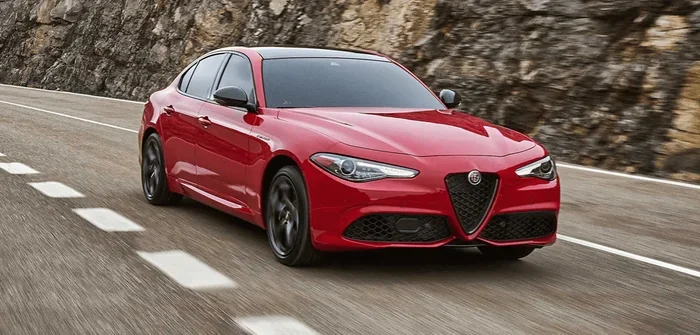
The Alfa Romeo Giulia is a stunning Italian sports sedan that turns heads wherever it goes. But beauty aside, buyers want to know one thing: how long will it actually last? The short answer is that a well-maintained Giulia can comfortably reach 150,000 to 200,000 miles. Some owners push well beyond that with careful ownership.
Like any car, the Giulia’s lifespan depends on several factors. Maintenance habits, driving style, climate, and model year all play a role. This guide breaks down everything you need to know about Giulia longevity. We’ll cover common problems, maintenance tips, and what you can do to maximize your car’s life.
If you are considering buying a Giulia or already own one, this article is for you. Let us dive into what makes these Italian machines tick and how to keep them running strong for years to come.
Understanding Alfa Romeo Giulia Lifespan
Average Mileage Expectations
Most Alfa Romeo Giulia models are engineered to last around 150,000 to 200,000 miles. This is a reasonable benchmark for a luxury sports sedan. At average annual mileage of 12,000 to 15,000 miles, that translates to roughly 10 to 13 years of reliable service.
However, these numbers are not set in stone. Some Giulia owners report exceeding 250,000 miles with diligent care. Others experience major issues well before the 100,000-mile mark. The difference usually comes down to maintenance and driving habits.
Compared to mainstream sedans like the Honda Accord or Toyota Camry, the Giulia may require more attention. But the driving experience and Italian styling make it worth the extra effort for enthusiasts.
Factors That Affect Giulia Longevity
Several key factors determine how long your Giulia will last. Understanding these helps you take proactive steps to protect your investment.
- Maintenance Schedule: Sticking to the factory-recommended service intervals is the most important factor. Oil changes, brake inspections, and fluid flushes keep everything running smoothly.
- Driving Style: Aggressive driving wears out engines, transmissions, and brakes faster. Smooth acceleration and gentle braking extend component life.
- Climate: Salt, humidity, and extreme temperatures accelerate rust and corrosion. Garage storage and regular washing help combat this.
- Model Year: Newer Giulia models benefit from improved engineering and updated parts. Early models may have more teething issues.
- Previous Ownership: A Giulia with a well-documented service history is far more reliable than one with unknown maintenance.
Engine and Powertrain Durability
The 2.0-Liter Turbocharged Engine
The standard Giulia comes with a 2.0-liter turbocharged four-cylinder engine producing 280 horsepower. This engine is based on a well-proven architecture and is generally reliable. The turbocharger adds performance but also introduces additional components that need attention over time.
With regular oil changes using quality synthetic oil, the engine internals stay well-lubricated. The turbo unit itself typically lasts the life of the car if oil changes are kept current. Neglecting oil changes is the fastest way to shorten turbo and engine life.
The 510-Horsepower Giulia Quadrifoglio
The top-of-the-line Giulia Quadrifoglio features a 2.9-liter twin-turbo V6 producing 510 horsepower. This engine is a Ferrari-derived masterpiece and is built to handle high stress. However, it demands premium care.
Quadrifoglio owners should use the highest quality fuel and follow strict maintenance schedules. The V6 is powerful but complex, and repairs can be expensive if problems are ignored.
Transmission Reliability
The Giulia uses an eight-speed automatic transmission that shifts smoothly and handles the engine’s torque well. In most cases, the transmission lasts the life of the car. However, rough shifting or delayed engagement can signal problems.
If you notice any unusual behavior, get it checked immediately. Ignoring transmission issues can lead to costly repairs. Regular fluid changes at the recommended intervals go a long way in preventing problems.
Common Alfa Romeo Giulia Problems to Watch For
Electrical Issues
Electrical gremlins are one of the most common complaints among Giulia owners. The infotainment system, sensors, and electronic modules can develop intermittent faults. These issues are frustrating but rarely dangerous.
Common electrical problems include flickering dashboard lights, unresponsive touchscreens, and sensor warning lights. Most of these are fixable with software updates or module replacements. Staying on top of recalls and technical service bulletins helps prevent lingering electrical issues.
Suspension and Steering Wear
The Giulia is a sports sedan, so it sits low to the ground with stiff suspension components. Over time, shocks, struts, and bushings wear out. This leads to a rougher ride and handling changes.
Suspension components typically need replacement between 60,000 and 100,000 miles depending on driving conditions. Potholes and rough roads accelerate wear. If you drive on rough roads frequently, inspect your suspension more often.
Brake System Concerns
Alfa Romeo Giulia models come with high-performance brakes that wear down faster than standard pads. The front brakes especially take a beating during spirited driving.
Brake pads typically last between 30,000 and 50,000 miles. Rotors may need resurfacing or replacement around the same interval. Using quality brake pads and avoiding riding the brake pedal helps extend brake life.
Coolant and Cooling System
The Giulia’s cooling system is critical for engine health. Coolant leaks can develop at hose connections and the water pump over time. Low coolant levels lead to overheating, which can cause serious engine damage.
Check your coolant level regularly and have the system inspected during every service. Flushing the coolant at the recommended interval prevents buildup and corrosion inside the cooling passages.
Maintenance Schedule for Maximum Longevity
Oil Changes and Fluid Services
Regular oil changes are the backbone of Giulia maintenance. The factory recommends oil changes every 7,500 to 10,000 miles depending on driving conditions. Use full synthetic oil that meets Alfa Romeo’s specifications.
Beyond oil, several other fluids need attention:
- Transmission Fluid: Change every 30,000 to 60,000 miles.
- Brake Fluid: Flush every 2 years or 30,000 miles.
- Coolant: Replace every 4 years or 60,000 miles.
- Power Steering Fluid: Check regularly and top off as needed.
Belt and Filter Replacement
The serpentine belt, air filter, and cabin filter all need periodic replacement. These are inexpensive services that prevent bigger problems down the road. A snapped serpentine belt can strand you and damage multiple engine components.
Replace the air filter every 15,000 to 30,000 miles. The cabin filter should be swapped out every 15,000 to 20,000 miles for optimal air quality inside the car.
Importance of Regular Inspections
Routine inspections catch small problems before they become expensive repairs. During every service, ask your technician to check belts, hoses, suspension components, and brake lines. A thorough inspection can reveal issues that are not yet visible to the naked eye.
Many dealerships offer car inspections as part of their service packages. These comprehensive checks cover all major systems and give you peace of mind. If you are buying a used Giulia, a pre-purchase inspection is absolutely essential.
Giulia Resale Value and Long-Term Ownership Costs
How Well Do Giulia Models Hold Their Value?
Alfa Romeo Giulia models hold moderate resale value compared to other luxury sedans. Well-maintained examples with low mileage command the best prices on the used market. The Italian brand’s exclusivity helps preserve value better than some mainstream competitors.
If you want to understand the fair market value of your Giulia at any point, several online tools can help. These resources factor in mileage, condition, and model year to give you an accurate estimate. Staying informed about your car’s value helps you make smart decisions about when to sell or trade in.
Estimated Ownership Costs Over Time
Owning a Giulia costs more than owning a mainstream sedan. Parts are pricier, and not every mechanic is familiar with Italian engineering. Here is a rough breakdown of expected costs over 10 years:
- Routine Maintenance: $8,000 to $12,000
- Major Repairs (Transmission, Turbo): $2,000 to $5,000
- Brake Jobs (3-4 replacements): $3,000 to $5,000
- Suspension Components: $2,000 to $4,000
- Electrical Repairs: $1,000 to $3,000
These numbers vary widely based on driving habits and whether you use a dealership or independent shop. Overall, the Giulia is not the cheapest car to own long-term, but the driving experience justifies the cost for many enthusiasts.
Insurance and Registration Considerations
Insurance costs for the Giulia fall in the moderate range for a luxury sports sedan. Rates depend on your location, driving record, and coverage level. If you live in an area with high insurance costs, shop around for the best quotes.
Registration fees also tend to be higher for luxury vehicles. Factor these ongoing costs into your budget before committing to a Giulia. Staying current on insurance and registration keeps you legally compliant and protects your investment.
Tips to Make Your Giulia Last Longer
Drive Gently During the Break-In Period
The first 1,000 to 2,000 miles are critical for any new car. During this period, avoid hard acceleration and keep speeds moderate. This allows engine components to seat properly and establishes a foundation for long-term reliability.
After the break-in period, you can enjoy the Giulia’s full performance capabilities. But even then, gentle warm-ups and smooth driving habits pay dividends over the years.
Store Your Giulia Properly
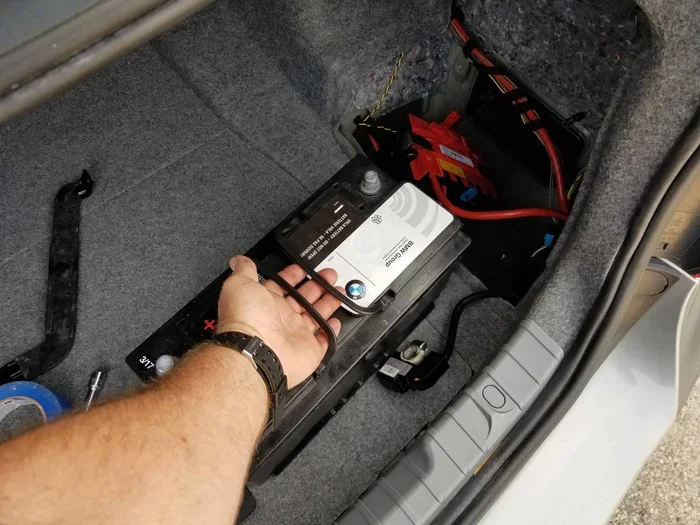
If you do not drive your Giulia every day, proper storage makes a big difference. Keep the car in a garage or covered area to protect the paint and interior from UV damage. Use a battery tender to prevent the battery from dying during extended periods of inactivity.
Long periods of sitting can cause flat spots on tires and fluid degradation. If you store the car for more than two weeks, start the engine and let it run for at least 15 minutes to circulate fluids.
Use Quality Parts and Fluids
Never cheap out on parts and fluids for your Giulia. Use manufacturer-recommended oil, coolant, and brake fluid. Aftermarket parts vary widely in quality, and low-quality components can cause cascading problems.
When replacing parts, opt for OEM (Original Equipment Manufacturer) components whenever possible. They are designed specifically for the Giulia and meet the same quality standards as parts used during manufacturing.
Find a Specialist Mechanic
Not every mechanic is equipped to work on an Alfa Romeo. General repair shops may lack the diagnostic tools and training specific to Italian cars. Finding a specialist or an Alfa Romeo-experienced independent shop saves you money and prevents misdiagnosis.
A good specialist knows the Giulia inside and out. They can spot potential problems early and recommend the right fixes. Building a relationship with a trusted mechanic is one of the best things you can do for your car’s longevity.
Giulia Model Year Comparisons
2017-2019 Models
The first-generation Giulia launched in 2017 and set the standard for Italian sports sedans. Early models had some teething issues, particularly with the infotainment system and electrical components. However, these were largely resolved through software updates and recalls.
The 2017-2019 models are now several years old and have settled into a reliable phase. Buyers looking at used models from this era should prioritize vehicles with complete service records.
2020-2023 Models
Later model years brought improvements in reliability and technology. Alfa Romeo addressed many of the early electrical issues and refined the overall driving experience. The 2020-2023 models are considered the most refined and reliable Giulia generations to date.
If longevity is your top priority, a newer model year offers the best combination of updated parts and improved engineering. These models also benefit from the latest safety features and driver-assistance technologies.
What to Look for When Buying Used
When shopping for a used Giulia, pay close attention to the vehicle history report. Look for consistent oil change records, accident-free titles, and evidence of regular maintenance. A Giulia with 80,000 miles and full service history is a better buy than one with 40,000 miles and unknown maintenance.
Have any used Giulia inspected by a qualified mechanic before purchase. This one step can save you thousands of dollars in unexpected repairs. A pre-purchase inspection reveals hidden issues that are not visible during a test drive.
Conclusion
The Alfa Romeo Giulia is a car that rewards attentive ownership. With a potential lifespan of 150,000 to 200,000 miles, it offers years of exhilarating driving and Italian style. The key to unlocking that longevity lies in consistent maintenance, gentle driving habits, and using quality parts.
Electrical issues, suspension wear, and brake problems are the most common concerns, but none are deal-breakers when caught early. Staying on top of service intervals and finding a specialist mechanic are the best investments you can make.
If you are willing to put in the extra care, the Giulia will reward you with a driving experience that few cars can match. Treat your Giulia well, and it will serve you faithfully for many miles to come. The journey is just as rewarding as the destination.
Frequently Asked Questions
How many miles can an Alfa Romeo Giulia last?
A well-maintained Alfa Romeo Giulia can last between 150,000 and 200,000 miles. Some owners have pushed their Giulia models well beyond 250,000 miles with consistent care and regular maintenance.
Is the Alfa Romeo Giulia reliable for daily driving?
Yes, the Giulia is reliable for daily driving when properly maintained. Following the recommended service schedule and addressing small issues promptly keeps the car running smoothly. Regular oil changes and fluid services are essential for daily reliability.
What is the most common problem with the Alfa Romeo Giulia?
The most common issues are electrical gremlins, suspension wear, and brake pad deterioration. These problems are manageable and not typically expensive to fix. Staying current with inspections helps catch them early before they worsen.
How often should I service my Alfa Romeo Giulia?
The factory recommends servicing your Giulia every 7,500 to 10,000 miles. This includes oil changes, fluid checks, and visual inspections. More frequent service is beneficial if you drive in harsh conditions or tow heavy loads.
Does the Giulia Quadrifoglio last as long as the standard Giulia?
The Quadrifoglio can last just as long, but it requires more attentive care. The twin-turbo V6 engine is powerful but complex, and it demands premium fuel and strict maintenance. Owners who follow the service schedule closely report excellent long-term reliability.
Should I buy a used Alfa Romeo Giulia?
Buying a used Giulia can be a great value if the car has a documented service history. Always get a pre-purchase inspection and review the vehicle history report carefully. A well-cared-for used Giulia offers years of reliable and enjoyable driving.