How Haval Handles Different Terrain Like a Champion
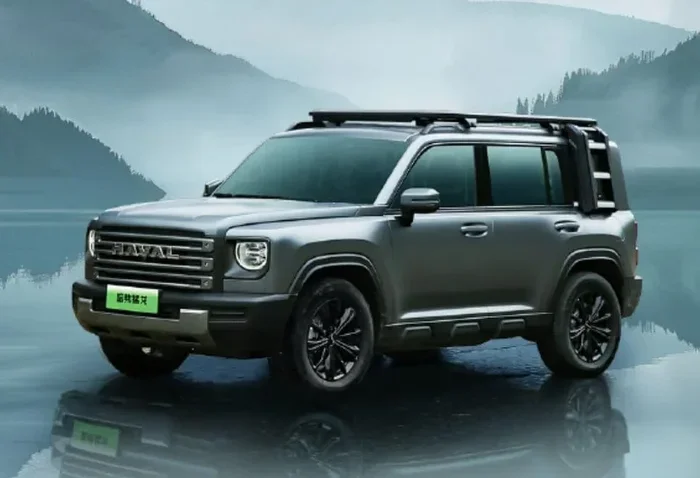
Haval vehicles are built to tackle rugged terrain with confidence. From muddy trails to sandy deserts and snowy roads, Haval SUVs deliver impressive performance thanks to smart drivetrain technology and strong suspension systems. In this guide, we break down exactly how Haval handles different terrain and what you can do to keep your vehicle running strong in any condition.
Haval has built a strong reputation for making SUVs that can go anywhere. Whether you are tackling a muddy trail or cruising through sand dunes, these vehicles are designed to perform. Many drivers wonder how Haval handles different terrain compared to other brands in the same price range.
The answer is simple. Haval combines smart engineering, powerful drivetrains, and rugged design to deliver a confident ride on almost any surface. In this article, we will explore exactly how Haval performs on various types of terrain. We will also share practical tips to help you get the most out of your vehicle.
If you love off-roading or simply want a car that handles unpredictable roads, this guide is for you. Let us dive into the world of Haval and see why these SUVs earn top marks for terrain performance.
Key Takeaways
- Haval SUVs excel on rugged terrain thanks to advanced all-wheel drive and terrain response systems.
- Muddy and rocky roads are no match for Haval’s ground clearance and approach angles.
- Snow and ice driving becomes safer with Haval’s intelligent traction control and drivetrain options.
- Sand and desert terrain require specific driving modes and tire choices that Haval supports well.
- Regular maintenance after off-road adventures keeps your Haval performing at its best.
- Haval models like the H9 and H6 offer different levels of off-road capability for various needs.
- Knowing your vehicle’s limits ensures safe and enjoyable terrain handling every time.
📑 Table of Contents
What Makes Haval Great on Different Terrain
Haval vehicles are not just ordinary SUVs. They are built with specific features that make them stand out when the road gets tough. Understanding these features helps you appreciate why Haval handles different terrain so well.
All-Wheel Drive Systems
Most Haval SUVs come equipped with all-wheel drive. This means power is sent to all four wheels at the same time. When one wheel loses traction, the system automatically shifts power to the wheels that grip the surface better.
This is incredibly useful on slippery or uneven ground. Whether you are driving on gravel, wet grass, or a muddy path, all-wheel drive keeps you moving forward. It also makes hill climbing much easier and safer.
Terrain Response Modes
Many Haval models include terrain response modes. These settings let you switch between different driving profiles based on the surface you are on. Common modes include normal, snow, mud, and sand.
Each mode adjusts the throttle response, transmission shifting, and traction control. For example, the mud mode reduces wheel spin and helps you power through soft ground. The sand mode adjusts the gearing to keep momentum on loose surfaces.
These features make Haval a versatile choice for drivers who face changing road conditions. You do not need to be a professional off-roader to handle tough terrain with confidence.
Ground Clearance and Approach Angles
Ground clearance is the distance between the lowest part of your vehicle and the ground. Haval SUVs typically offer generous ground clearance. This allows them to clear rocks, bumps, and uneven surfaces without scraping the undercarriage.
The approach angle and departure angle also matter. These angles determine how steep a hill or obstacle your vehicle can climb over without getting stuck. Haval models like the Haval H9 offer impressive angles that make rocky trails feel manageable.
If you want to learn more about keeping your vehicle in top shape after off-road trips, check out our guide on how to tighten a loose heat shield. Heat shields can become loose after rough terrain driving, and fixing them quickly prevents further damage.
How Haval Performs on Muddy and Rocky Roads
Mud and rocks are among the most challenging surfaces for any vehicle. Haval handles these conditions remarkably well, thanks to a combination of design and technology.
Mud Driving with Haval
Muddy roads are slippery and unpredictable. Your tires can lose grip quickly, leaving you stuck. Haval addresses this problem in several ways.
First, the all-wheel drive system distributes power evenly. Second, the mud terrain mode adjusts the throttle to prevent spinning. Third, many Haval models come with off-road tires that have deeper treads. These treads bite into the mud and provide better grip.
A helpful tip is to maintain steady momentum in mud. Stopping and starting too often can cause you to sink deeper. Haval’s responsive transmission makes it easier to keep a consistent speed on muddy paths.
Rocky Terrain Handling
Rocky surfaces demand a vehicle that can absorb impacts and maintain control. Haval’s suspension system is designed to handle exactly this. The independent front suspension and rear setup allow each wheel to move independently over obstacles.
This means your vehicle stays more stable when driving over large rocks or uneven boulders. The high ground clearance also prevents rocks from damaging the underbody.
One thing to watch for is your camber alignment after rocky drives. Rough terrain can knock your wheels out of alignment. If you notice your vehicle pulling to one side or uneven tire wear, it is time to check your alignment. You can read more about this in our article on how to know if camber is out of alignment.
Real-World Examples
Many Haval owners share stories of taking their vehicles on challenging trails. The Haval H9, in particular, has earned praise for its off-road prowess. It has been tested on rugged mountain paths, forest trails, and desert tracks.
Owners appreciate the vehicle’s durability and reliability. Even after long days of off-roading, Haval SUVs tend to hold up well. This is partly because of the strong build quality and partly because of the available maintenance features that protect key components.
Haval’s Snow and Ice Driving Capabilities
Driving on snow and ice requires extra caution and the right vehicle setup. Haval makes this easier with several helpful features.
Snow Mode and Traction Control
The snow driving mode is a game changer. When activated, it starts the vehicle in a higher gear to reduce wheel spin. It also softens the throttle response so you do not slip on icy patches.
Traction control works alongside snow mode. It monitors each wheel’s speed and applies braking to any wheel that starts to spin. This keeps you stable and in control on slippery surfaces.
All-Season Tires vs. Winter Tires
Haval vehicles work well with all-season tires in light snow. However, for heavy snow or icy conditions, winter tires make a big difference. Winter tires have special rubber compounds that stay flexible in cold temperatures. They also have deeper tread patterns that grip snow better.
If you live in an area with harsh winters, investing in a set of winter tires is worth it. Your Haval will handle snow and ice with much more confidence.
Hill Climbing in Snow
Climbing hills on snow can be intimidating. Haval’s all-wheel drive system makes this task much easier. The system sends power to the wheels that have the most grip, which is usually the ones facing uphill.
A quick tip is to avoid sudden acceleration on snowy hills. Gentle throttle input keeps the tires from losing traction. If you start to slide, ease off the gas and steer in the direction you want to go.
Sand and Desert Terrain Handling
Sand presents a unique challenge for vehicles. It is soft, shifting, and can cause you to sink quickly. Haval handles sand terrain surprisingly well with the right setup.
Sand Driving Mode
The sand driving mode is specifically designed for loose, granular surfaces. It increases throttle response and adjusts the transmission to keep momentum. This prevents the vehicle from digging into the sand and getting stuck.
Haval’s intelligent systems also manage traction in real time. If one wheel starts to sink, power is redirected to the wheels with better grip. This makes sand driving feel more natural and less stressful.
Tire Pressure Adjustments
One of the best tips for sand driving is to lower your tire pressure. Lower pressure increases the tire’s contact area with the sand. This creates more float and reduces the chance of sinking.
A typical pressure for sand driving is around 16 to 20 PSI, depending on the vehicle. Always reinflate your tires to the recommended pressure before driving on paved roads. You can find guidance on tire maintenance in our article about how to open the gas cap on a cylinder if you need help with general vehicle access.
Recovery Tips for Sand
Even with the best setup, you can get stuck in sand. Carry a sand mat or traction boards in your vehicle. These give your tires something to grip when the sand is too soft.
Also, try to drive on compacted sand near the waterline at beaches. This sand is firmer and provides better traction. Avoid driving on fresh, loose sand dunes if you are not experienced.
Maintaining Your Haval After Off-Road Adventures
Off-roading puts extra stress on your vehicle. Proper maintenance after each adventure keeps your Haval running strong for years to come.
Checking the Suspension
Rough terrain can affect your suspension components. After a big off-road trip, inspect your shocks, struts, and bushings for any signs of wear or damage. Listen for unusual noises when driving over bumps.
If something feels off, get it checked by a professional. Catching suspension issues early prevents more expensive repairs down the road.
Inspecting the Undercarriage
Rocks and debris can damage the undercarriage of your vehicle. After every off-road trip, look underneath for any dents, scratches, or fluid leaks. The exhaust system, transmission, and fuel lines are all vulnerable to damage from rough terrain.
Cleaning and Protecting
Mud, sand, and dirt can cause corrosion if left on the vehicle. Wash your Haval thoroughly after every off-road adventure. Pay special attention to the wheel wells, undercarriage, and lower body panels.
Applying a protective coating or wax also helps shield the paint and metal from damage. This simple step goes a long way in preserving your vehicle’s appearance and value.
Checking Alignment and Tires
Off-road driving can knock your wheels out of alignment. As mentioned earlier, checking your camber and alignment after rough trips is important. Uneven tire wear is a clear sign that your alignment is off.
Also, inspect your tires for cuts, bulges, or punctures. Off-road terrain is tough on tires, and catching damage early keeps you safe on the road.
If you are thinking about selling your Haval after years of off-road use, understanding its value is important. Check out our guide on how to find out the fair market value of your car to get an accurate estimate.
Tips for Maximizing Haval’s Terrain Performance
Getting the most out of your Haval on different terrains comes down to preparation and knowledge. Here are some practical tips to keep in mind.
Know Your Vehicle’s Limits
Every vehicle has limits. Even though Haval SUVs are capable off-road machines, they still have a maximum angle of approach and departure. Know these limits before you attempt a challenging trail. Pushing beyond your vehicle’s capabilities can lead to damage or dangerous situations.
Prepare a Recovery Kit
Always carry a recovery kit when heading off-road. Essential items include a tow strap, traction boards, a shovel, and an air compressor. These tools can help you get unstuck in almost any situation.
Drive at a Comfortable Speed
Speed is the enemy of off-road control. Drive at a speed that feels safe and manageable. On sand, momentum is your friend, but on rocks, slow and steady wins the race.
Use Spotters When Needed
When navigating difficult obstacles, having a spotter outside the vehicle is incredibly helpful. They can guide you through tight spots and warn you about hidden hazards.
Stay on Marked Trails
Whenever possible, stick to established trails. They are safer and better for the environment. Going off-trail can damage ecosystems and also increase your risk of getting lost or stuck.
Keep Your Vehicle Well-Maintained
A well-maintained Haval performs better on any terrain. Regular oil changes, tire rotations, and brake inspections keep your vehicle in top shape. If you ever need to work on basic maintenance yourself, understanding simple tasks like starting a keyless car without a key can be a lifesaver in remote areas where your key fob might not work properly.
Conclusion
Haval vehicles are truly built to handle different terrain like a champion. From muddy trails and rocky paths to snowy roads and sandy dunes, these SUVs deliver confidence and capability in every condition. The combination of all-wheel drive, terrain response modes, strong suspension, and smart technology makes Haval a top choice for drivers who want versatility.
By following the maintenance tips and driving techniques shared in this guide, you can keep your Haval performing at its best for many years. Whether you are a weekend adventurer or a daily driver who faces unpredictable roads, Haval has you covered.
Remember, knowing your vehicle and respecting its limits is the key to safe and enjoyable off-road experiences. Take care of your Haval, and it will take care of you on every journey.
Frequently Asked Questions
What Haval model is best for off-road terrain?
The Haval H9 is widely regarded as the best model for off-road terrain. It offers strong all-wheel drive, high ground clearance, and a rugged build. The Haval H6 is also a solid choice for light off-roading and mixed terrain driving.
Can Haval handle sand dunes?
Yes, Haval can handle sand dunes when equipped with the right tires and sand driving mode. Lowering tire pressure slightly also improves performance on sand. The vehicle’s all-wheel drive system helps maintain traction on loose surfaces.
How often should I check my alignment after off-roading?
You should check your alignment after every significant off-road trip. Rough terrain can shift your wheels out of alignment quickly. Regular checks prevent uneven tire wear and keep your vehicle driving straight.
Is Haval’s all-wheel drive system good for snow?
Yes, Haval’s all-wheel drive system performs very well in snow. The snow driving mode and traction control work together to keep you stable on icy and snowy roads. Adding winter tires improves performance even more.
What maintenance does a Haval need after off-road adventures?
After off-road adventures, you should inspect the undercarriage, check tire condition, clean the vehicle thoroughly, and verify alignment. Checking fluid levels and the suspension is also important. Regular maintenance prevents long-term damage from rough terrain use.
Can I use my Haval for daily driving and off-roading?
Absolutely. Haval SUVs are designed to be versatile. They offer comfortable rides for daily commuting and strong off-road capability for weekend adventures. This makes them a great choice for drivers who want one vehicle for all occasions.