70 Percent Window Tint Everything You Need to Know
70 percent window tint is one of the most popular choices for car owners who want sun protection without going too dark. This shade film offers excellent UV protection, reduces heat rejection, and cuts down on glare reduction while keeping your windows mostly clear. Whether you are looking for fading prevention or a subtle privacy glass upgrade, 70 percent window tint hits the sweet spot between style and function.
Key Takeaways
- 70 Percent Window Tint allows up to 70% of visible light to pass through, keeping your windows mostly clear while offering meaningful protection.
- UV protection and heat reduction are the top benefits, helping protect your skin and keep your car cooler.
- Legal tint limits vary by state, so always check local legal tint limits before installation.
- Professional tint installation ensures a bubble-free, long-lasting finish compared to DIY kits.
- 70 percent window tint costs between $100 and $400 for a full vehicle, depending on film quality and location.
- Ceramic tint and dyed film are the two most common options at this percentage level.
- Proper tint maintenance extends the life of your car window film by several years.
📑 Table of Contents
What Is 70 Percent Window Tint?
If you have ever walked past a car and noticed its windows look slightly shaded, you have probably seen 70 percent window tint in action. But what exactly does that number mean? The percentage refers to the visible light transmission, or VLT, of the window tint film. A 70 percent tint allows 70% of outside light to pass through the glass while blocking the remaining 30%.
This makes 70 percent window tint one of the lighter options available in the world of automotive tinting. It is not as dark as a 35 percent or 20 percent tint. Instead, it offers a subtle, nearly invisible shade that enhances your driving experience without dramatically changing the look of your vehicle. Many people choose this level because it provides real benefits without crossing into territory that might attract unwanted attention from law enforcement.
How Tint Percentages Work
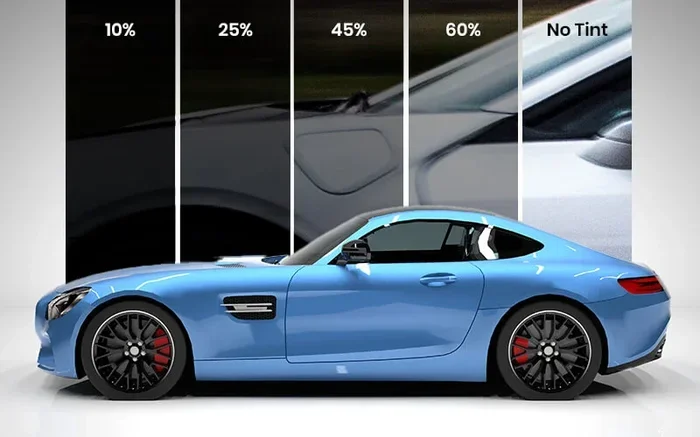
The tint percentage is a measure of how much light the film lets through. The lower the number, the darker the tint. Here is a quick breakdown of common tint levels:
- 90 percent tint – Nearly invisible, minimal shading.
- 70 percent tint – Light shade, noticeable but subtle.
- 50 percent tint – Moderate shade, blocks half of visible light.
- 35 percent tint – Darker look, popular for style.
- 20 percent tint – Very dark, often called “limo tint.”
- 5 percent tint – Nearly opaque, illegal in most places for front windows.
70 percent window tint sits in the lighter range. It is dark enough to make a difference but light enough to stay within most legal tint limits. This balance is exactly why so many car owners gravitate toward it.
What 70 Percent Means in Practice
In real-world terms, 70 percent window tint gives your windows a faint, elegant look. From the outside, people can still see into your car fairly easily. From the inside, you will notice reduced brightness and a more comfortable driving environment. The tint darkness is just enough to make a difference without sacrificing visibility.
For those who drive frequently during the day, this level of shade film works exceptionally well. You get the perks of automotive tinting without the trade-offs that come with darker films. It is a practical choice for daily drivers, family cars, and even work vehicles.
Benefits of 70 Percent Window Tint
There are many reasons why 70 percent window tint has become a go-to option for car owners. Let us break down the biggest benefits so you can decide if it is right for you.
UV Protection for Your Skin and Interior
One of the most important benefits of 70 percent window tint is UV protection. The sun emits harmful ultraviolet rays that can cause skin damage over time. Even through your car windows, UV exposure adds up, especially on long drives. A quality car window film blocks up to 99% of UV rays, protecting your skin and reducing the risk of long-term damage.
But it is not just about your skin. UV rays also fade your dashboard, seats, and trim over time. Fading prevention is a huge advantage of vehicle window tinting. With 70 percent window tint, your car’s interior stays looking newer for longer. You will notice less cracking and discoloration on leather and plastic surfaces.
Heat Rejection and Cooling
Nobody likes getting into a scorching hot car on a summer day. 70 percent window tint helps with heat rejection by blocking a significant portion of solar energy from entering your vehicle. Depending on the type of film you choose, you can reduce interior temperatures by 10 to 15 degrees Fahrenheit.
This heat reduction means your air conditioning system does not have to work as hard. Over time, that can even improve your fuel efficiency. A cooler cabin also makes driving more comfortable, especially during those brutal summer months. The infrared rejection capabilities of modern window tint film are impressive and make a real difference in your daily drive.
Glare Reduction for Safer Driving
Glare from the sun and headlights at night can be distracting and even dangerous. 70 percent window tint provides meaningful glare reduction without making your windows too dark. You will enjoy better visibility during bright, sunny conditions and a more comfortable night driving experience.
Less glare means less eye strain, which is especially helpful on long road trips. Whether you are driving east at sunrise or west at sunset, the shade film helps keep your windshield and side windows more manageable. This is one of those benefits that you might not think about until you experience it.
Privacy and Aesthetics
While 70 percent window tint is not as dark as some people prefer for privacy, it does offer a mild level of privacy glass. People outside cannot see into your car as easily as they can with completely clear windows. This adds a layer of security for your belongings, especially when you park in public areas.
Aesthetically, 70 percent window tint gives your vehicle a polished, finished look. It adds a touch of sophistication without making the car look overly modified. Many car owners appreciate this subtle enhancement because it boosts the overall appearance of their vehicle while staying tasteful and understated.
70 Percent Window Tint vs Other Tint Levels
Choosing the right tint percentage depends on your priorities. Here is how 70 percent window tint compares to other popular options.
Quick Comparison Table
| Tint Level | Light Transmission | UV Protection | Privacy Level | Legal in Most States? |
|---|---|---|---|---|
| 90 Percent | High | Moderate | Low | Yes |
| 70 Percent | Moderate-High | High | Low-Moderate | Yes |
| 50 Percent | Moderate | High | Moderate | Mostly Yes |
| 35 Percent | Moderate-Low | High | Moderate-High | Varies |
| 20 Percent | Low | High | High | Restricted |
| 5 Percent | Very Low | High | Very High | Rarely |
When to Choose 70 Percent Tint
70 percent window tint is ideal if you want a balance of protection and clarity. It works great for people who:
- Drive frequently and need clear visibility.
- Want UV protection without a dark look.
- Live in areas with strict legal tint limits.
- Prefer a subtle, professional appearance.
- Use their car for work or family purposes.
If you are the type of driver who values function over flash, 70 percent window tint is likely your best bet. It delivers real benefits without any of the downsides that come with darker films, such as reduced nighttime visibility or potential legal issues.
Legal Considerations and Regulations
Before you rush to get 70 percent window tint installed, it is important to understand the legal landscape. Legal tint limits vary widely from state to state and even from country to country.
Understanding State Laws
In most U.S. states, 70 percent window tint on the front side windows is legal. However, some states have stricter rules. For example, certain states require the front windshield to remain completely untinted except for a narrow strip at the top. Rear windows often have more relaxed rules, allowing darker tints.
Here are some general guidelines to keep in mind:
- Front side windows: Many states require at least 70% VLT on the driver and passenger side windows.
- Rear side windows: Often allow darker tints, sometimes as low as 35% VLT.
- Rear windshield: Usually more flexible, but check your local laws.
- Windshield: Most states do not allow any tint on the windshield except for a factory strip or medical exemption.
Always check your state’s specific legal tint limits before purchasing vehicle window tinting. Getting pulled over for an illegal tint can result in fines and even require you to remove the film entirely. Do your homework first.
Common Mistakes People Make
One of the biggest mistakes car owners make is assuming all states follow the same rules. Just because 70 percent window tint is legal where you live does not mean it is legal everywhere you drive. If you travel across state lines, be aware of different regulations.
Another common mistake is choosing a tint based solely on looks without considering the legal requirements. Some people buy dark films online and install them without checking local laws. This leads to unnecessary headaches and expenses. Always verify legal tint limits before making a purchase.
Medical exemptions are another factor worth knowing about. Some states allow darker tints for individuals with specific medical conditions that make them sensitive to sunlight. If this applies to you, look into the documentation and application process in your area.
Installation Tips and Best Practices
Installing 70 percent window tint is not overly complicated, but the results depend heavily on how it is done. Whether you choose to do it yourself or hire a professional, there are important factors to consider.
DIY vs Professional Installation
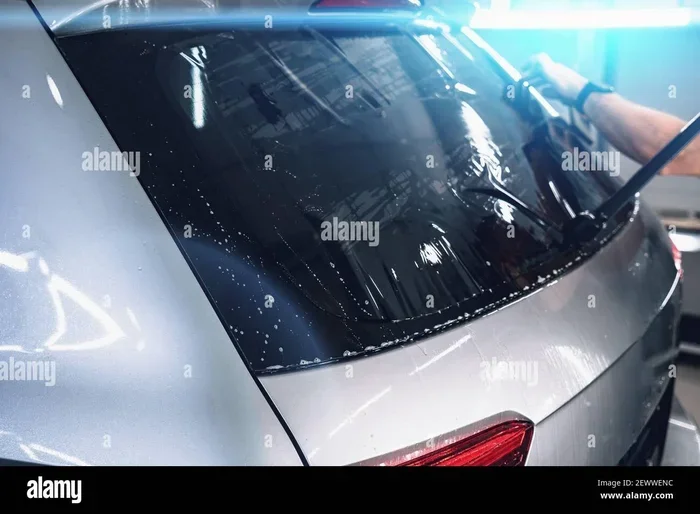
DIY tint installation kits are widely available and can save you money. However, they come with risks. Poor application often leads to bubbles, peeling, and uneven shading. If you are not experienced with car window film installation, the results may not look professional.
Professional tint installation offers several advantages:
- Cleaner application with no bubbles or wrinkles.
- Better film quality from trusted brands.
- Warranty coverage on both the film and the work.
- Faster completion with specialized tools and techniques.
- Expert advice on the best film for your needs.
For most car owners, hiring a professional is the smarter choice. The cost difference between DIY and professional is often small when you factor in the time, effort, and potential for mistakes. A professional will ensure your 70 percent window tint looks great and lasts for years.
Quick Tips for a Great Result
Whether you go DIY or professional, keep these tips in mind:
- Clean your windows thoroughly before application. Any dust or debris will show under the film.
- Choose a ceramic tint for the best heat rejection and clarity.
- Avoid rolling down your windows for at least 48 hours after installation.
- Use a soft cloth and ammonia-free cleaner to maintain the film.
- Ask about the safety film properties, which can help hold glass together in case of breakage.
Expert Insights on Tint Selection
Industry professionals often recommend ceramic tint for 70 percent window tint applications. Ceramic films offer superior infrared rejection without interfering with electronic signals like GPS, phone reception, or toll transponders. They also tend to have a more natural, non-reflective appearance compared to metallic films.
If budget is a concern, dyed film is a more affordable option. However, dyed films may fade over time and do not offer the same level of heat reduction as ceramic. For the best long-term value, many experts suggest investing in a quality ceramic tint at the 70% level.
Cost and Maintenance of 70 Percent Window Tint
Understanding the costs and upkeep involved with 70 percent window tint helps you make an informed decision. Nobody wants to surprise themselves with hidden expenses or unexpected maintenance.
Average Costs for Full Vehicle Tinting
The cost of vehicle window tinting varies based on several factors. On average, a full vehicle with 70 percent window tint will cost between $100 and $400. Here is what influences the price:
- Film quality: Ceramic films cost more than dyed films but offer better performance.
- Vehicle size: Larger vehicles like SUVs and trucks require more film and labor.
- Location: Prices vary by region and the reputation of the installation shop.
- Brand reputation: Well-known brands often charge a premium but come with better warranties.
For most car owners, spending around $200 to $300 for a quality 70 percent window tint job is a reasonable investment. The benefits in terms of comfort, protection, and interior preservation easily outweigh the cost over time.
How to Maintain Your Tint
Proper tint maintenance is key to making your car window film last as long as possible. Here are some simple steps you can follow:
- Wait 48 hours before rolling down your windows after installation.
- Clean with a soft cloth and a gentle, ammonia-free cleaner.
- Avoid abrasive sponges or rough materials that can scratch the film.
- Wipe down the edges regularly, as this is where peeling most often starts.
- Inspect annually for any signs of bubbling or lifting.
With proper care, a quality 70 percent window tint can last 5 to 10 years or even longer. The safety film properties also mean that if your window ever breaks, the film helps hold the glass pieces together, reducing the risk of injury from shards.
Key Takeaways
- 70 percent window tint is a versatile, practical choice for most car owners.
- UV protection and heat rejection are the standout benefits of this tint level.
- Always verify legal tint limits in your area before installation.
- Professional tint installation delivers the best results and longest durability.
- Ceramic tint offers the best performance but comes at a higher price point.
- Regular tint maintenance keeps your car window film looking great for years.
- The cost of 70 percent window tint is reasonable and pays for itself through comfort and protection.
Conclusion
70 percent window tint is one of the smartest upgrades you can make for your vehicle. It offers a perfect balance of sun protection, heat reduction, and glare reduction without going too dark or running into legal issues. Whether you are concerned about fading prevention for your car’s interior or simply want a more comfortable driving experience, this tint level delivers on all fronts.
The key is to choose the right film type, work with a reputable installer, and stay informed about your local legal tint limits. With the right approach, your 70 percent window tint will serve you well for many years. It is a small investment that pays big dividends in comfort, protection, and style.
Take the time to research your options, compare car window film brands, and find a trusted tint installation professional near you. Your car and your future self will thank you every time you get behind the wheel.
Frequently Asked Questions
Is 70 percent window tint legal in all states?
In most U.S. states, 70 percent window tint on front side windows is legal. However, laws vary by state and sometimes by vehicle type. Always check your local legal tint limits before getting any tint installed to avoid fines or removal requirements.
How much does 70 percent window tint cost for a full car?
The average cost ranges from $100 to $400 for a full vehicle, depending on the film quality, vehicle size, and installation location. Ceramic tint tends to cost more than dyed film but offers superior heat rejection and durability.
Can I install 70 percent window tint myself?
Yes, DIY tint installation kits are available, but professional installation typically yields better results. DIY kits carry a higher risk of bubbles, peeling, and uneven application. If you are new to vehicle window tinting, hiring a professional is recommended.
How long does 70 percent window tint last?
With proper maintenance, a quality 70 percent window tint can last between 5 and 10 years. The lifespan depends on the film type, installation quality, and how well you care for the tint. Regular cleaning with gentle products helps extend its life significantly.
Does 70 percent window tint block UV rays?
Yes, most quality car window film at the 70% level blocks up to 99% of harmful UV rays. This UV protection helps safeguard your skin and prevents interior fading. It is one of the most valuable benefits of automotive tinting at any percentage level.
What is the difference between ceramic and dyed 70 percent tint?
Ceramic tint offers better heat rejection, does not interfere with electronic signals, and tends to last longer. Dyed tint is more affordable but may fade over time and provides less infrared rejection. For the best long-term performance, ceramic is the preferred choice for 70 percent window tint.