Defogging a Car Windshield Effective Tips for Drivers
Defogging a car windshield is essential for safe driving, especially in cold or humid conditions. This guide covers proven methods like using your car defroster, air conditioning, and anti-fog spray to keep your windshield fog-free. You will learn quick fixes, long-term prevention tips, and expert advice to improve windshield clarity every time you drive.
There is nothing more frustrating than stepping into your car on a chilly morning and finding your windshield completely covered in fog. You turn the key, wait for the engine to warm up, and still cannot see the road ahead. Defogging a car windshield might seem like a small thing, but it matters a lot for your safety every time you drive.
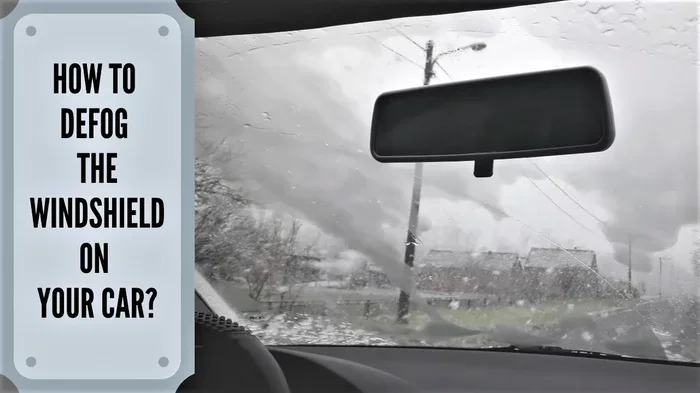
Foggy windows happen because of one simple science fact: warm, moist air meets a cold glass surface. The moisture in the air turns into tiny water droplets that cling to your windshield. This can happen in winter when the outside air is freezing, and it can also happen in summer when humidity is high. Either way, foggy windshield conditions reduce your visibility and make driving dangerous.
In this article, we will walk you through the best ways to defog your windshield quickly and effectively. We will also share long-term prevention tips so you spend less time wiping glass and more time focusing on the road ahead. Whether you are dealing with winter frost or summer humidity, these windshield defogging tips will help you stay safe and see clearly.
Key Takeaways
- Use your car defroster with A/C: This is the fastest way to clear fog and keep moisture out of your car.
- Balance temperature and airflow: Warm air and cold air both work, but knowing when to use each makes a big difference.
- Apply anti-fog spray or wipes: These products create a barrier that stops condensation from forming on your glass.
- Reduce moisture inside your car: Fix leaks, dry wet items, and use silica gel packs to prevent fog from returning.
- Replace your cabin air filter: A clean filter improves airflow and helps your defogging system work better.
- Keep a defogging kit in your car: Wipes, spray, and a microfiber cloth are must-haves for every driver.
📑 Table of Contents
Why Your Windshield Fogs Up
Before we jump into solutions, it helps to understand why fog forms in the first place. When you know the cause, it is much easier to prevent and fix the problem.
The Science Behind Foggy Windows
Fog on your windshield is really just condensation. Condensation happens when water vapor in the air cools down and turns back into liquid droplets. Your car glass is especially prone to this because it sits right between the warm air inside your car and the cold air outside.
Here are the main factors that cause condensation on windshield surfaces:
- Temperature differences: When the inside of your car is warm and the outside is cold, your windshield becomes a cold surface that attracts moisture.
- High humidity levels: Wet clothes, damp shoes, breath, and even plants inside your car add moisture to the air.
- Poor ventilation: If your car airflow is blocked or your cabin air filter is dirty, moisture stays trapped inside.
- Rain or snow: Wet weather brings extra moisture into your vehicle, even if you cannot see it.
Understanding these causes helps you pick the right defogging method for the situation. Now let us look at the best ways to clear your windshield fast.
Quick Methods to Defog Your Windshield
When fog hits while you are driving, you need fast results. These methods work in minutes or even seconds and give you the windshield clarity you need to stay safe.
Method 1: Use Your Car Defroster
Your car’s defroster is the built-in system designed specifically to clear fog and frost from your windshield. To use it effectively, follow these steps:
- Turn on your car heater and set it to the highest heat level.
- Point the airflow toward your windshield.
- Turn on the air conditioning (A/C) at the same time.
- Set the fan speed to high.
- Turn off the air recirculation mode so fresh, dry outside air flows in.
Many drivers are surprised to learn that using A/C with heat works best for defogging a car windshield. The A/C pulls moisture out of the air, while the warm air warms up the glass. Together, they clear fog faster than either one alone.
Method 2: Lower Your Windows
This is the simplest trick in the book. If your windshield is fogged up and you are not in a hurry, roll down your windows for a minute or two. This lets the moist air inside escape and lets drier outside air flow in.
This method works especially well when:
- You are parked and can wait a moment.
- The outside temperature is close to the inside temperature.
- You do not need to clear fog from all windows at once.
It is a free and zero-effort way to reduce moisture inside car spaces. However, it is not practical when you are driving in freezing rain or snow.
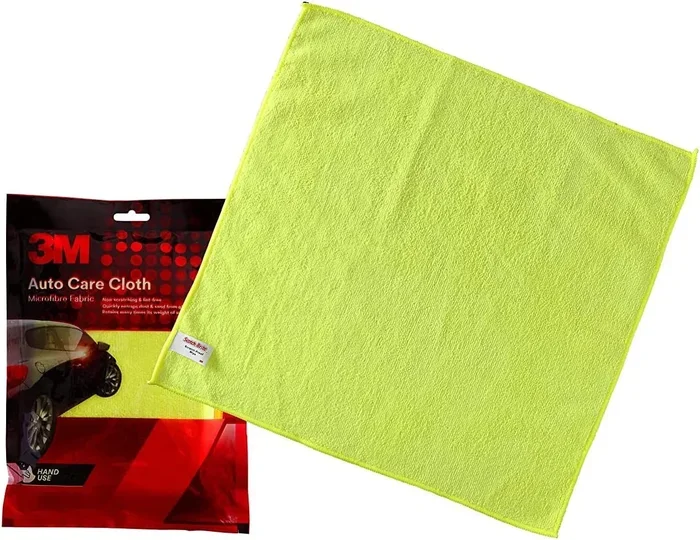
Method 3: Use a Microfiber Cloth
Keep a clean microfiber cloth in your car at all times. When fog appears, simply wipe the inside of your windshield with the dry cloth. This removes the water droplets and gives you temporary clear vision.
Quick tip: Do not use your sleeve or a paper towel. Microfiber cloths absorb moisture better and leave no streaks or lint behind. A streak-free windshield means better visibility and fewer distractions while driving.
Method 4: Apply Anti-Fog Spray
Anti-fog spray is one of the best long-term solutions for drivers who deal with foggy windows regularly. You spray a thin layer on the inside of your windshield, wipe it off gently, and the product creates a barrier that prevents condensation from forming.
Here is how to get the most out of anti-fog products:
- Clean your windshield first with a glass cleaner.
- Spray the anti-fog product evenly across the glass.
- Buff it gently with a soft microfiber cloth.
- Reapply every few days or before long trips.
Many drivers also use defogging wipes, which work on the same principle. These are pre-moistened towelettes that you wipe across your glass. They are compact and easy to store in your glove box or center console.
Preventing Fog Before It Forms
Prevention is always better than cure. If you take a few simple steps before you start driving, you can avoid windshield fogging up in the first place.
Keep Your Car Interior Dry
Moisture is the number one enemy of clear glass. The drier your car interior, the less likely fog will form. Here are practical steps to keep moisture levels low:
- Dry your shoes and umbrella before getting into the car.
- Remove wet floor mats and seat covers and let them air out.
- Do not leave damp towels or clothing inside your vehicle.
- Use a small portable dehumidifier or place silica gel packs under your seats.
These small habits make a big difference over time. Your car defogger will not have to work as hard, and you will enjoy clearer glass throughout your drive.
Check Your Cabin Air Filter
Your cabin air filter catches dust, pollen, and moisture before they enter your car’s interior. When this filter gets clogged, airflow decreases and moisture builds up faster. A dirty filter also makes your defrost system less effective.
Most cabin air filters should be replaced every 12,000 to 15,000 miles. Check your owner’s manual for the exact schedule. Replacing a clogged filter is an inexpensive fix that improves your entire car’s air quality and helps with defogging a car windshield.
Use Weather-Appropriate Settings
Different weather conditions call for different approaches to preventing foggy windshield issues:
- Cold and dry weather: Use warm air from the heater with A/C on. This warms the glass and dries the air simultaneously.
- Cold and humid weather (rain, snow): Use the defroster on high with fresh air mode. Avoid recirculating the moist air inside.
- Warm and humid weather: Use A/C alone or set the temperature to cool. Cool air holds less moisture, so fog clears quickly.
- Transitional weather (spring, fall): Crack a window slightly to balance the temperature inside and outside your car.
Knowing which setting to use in each situation saves you time and keeps your windshield clarity at its best all year round.
Common Mistakes Drivers Make When Defogging
Even experienced drivers sometimes make mistakes that make fog worse or waste time. Here are the most common errors to avoid:
Turning On Air Recirculation
When your windshield fog up problem starts, many drivers switch to recirculate mode by mistake. Recirculation keeps the same moist air inside your car, which makes fog worse. Always switch to fresh air mode when defogging.
Using Only Cold Air in Winter
Blowing cold air on a freezing windshield might feel like it is working, but it does not address the root cause. Cold air can actually make condensation worse because it does not warm the glass enough. Use warm or hot air for the best results in cold weather.
Ignoring Leaks or Water Damage
If you notice fog forming even when conditions are dry, you might have a water leak. Check your weather stripping, door seals, and sunroof seals regularly. A leak lets moisture seep into your car’s interior and creates persistent condensation on windshield problems.
Skipping Regular Cleaning
Dirt and oils on your windshield make it easier for fog to stick. Clean your glass regularly with a proper glass cleaner. A clean surface is less likely to attract and hold moisture droplets.
Expert Insight: “The best drivers prepare for fog before it happens. A simple routine of checking your defrost system, keeping your glass clean, and managing interior moisture can save you from dangerous visibility issues every single time you get behind the wheel.”
Essential Tools for Defogging Your Windshield
Having the right tools in your car makes defogging a car windshield faster and easier. Here is what every driver should keep on hand:
| Tool | What It Does | Why You Need It |
|---|---|---|
| Microfiber cloth | Wipes away moisture and condensation | Leaves no streaks and works on all glass surfaces |
| Anti-fog spray | Creates a barrier against condensation | Provides long-lasting fog prevention |
| Defogging wipes | Pre-moistened towelettes for quick cleaning | Compact and easy to store in your car |
| Glass cleaner | Removes dirt, oils, and residue from glass | Keeps your windshield clean for better fog resistance |
| Silica gel packs | Absorbs moisture from the air inside your car | Reduces humidity and prevents fog buildup over time |
| Squeegee | Removes water and frost from exterior glass | Useful for clearing frost and rain before driving |
Keeping these items in your car ensures you are always ready to handle foggy conditions. A small investment in these tools pays off in safer and more comfortable drives.
Long-Term Tips for Clear Visibility
Beyond quick fixes and daily habits, there are longer-term steps you can take to keep your windshield clear and your car defogger working at its best.
Replace Old Wiper Blades
Worn wiper blades do not clear rain or snow effectively, and they can leave streaks that attract moisture. Replace your windshield wipers every six to twelve months. New blades give you cleaner glass and better visibility in all weather conditions.
Check Your Heating System
If your car heater is not blowing warm air or your defroster vents seem weak, there may be a problem with your heating system. A mechanic can check your heater core, thermostat, and blower motor to make sure everything is working properly.
Park Smart
Where you park affects how much fog you deal with. Whenever possible, park in a garage or covered area. This keeps rain and snow off your windshield and reduces the moisture that enters your car overnight.
If you must park outside, try to position your car so the wind can blow across the windshield. Moving air helps evaporate moisture and reduces morning fog buildup.
Seasonal Defogging Guide
Different seasons bring different challenges for defogging a car windshield. Here is a quick seasonal guide to keep you prepared:
- Winter: Frost and cold air create heavy condensation. Always use your defroster with A/C and warm air. Keep a scraper and a microfiber cloth in your car.
- Spring: Rain and melting snow increase humidity. Use fresh air mode and keep your windows cracked open slightly when parked.
- Summer: High humidity and warm air can fog your windshield from the outside. Use A/C and keep your exterior glass clean.
- Fall: Cool mornings and damp leaves create ideal fog conditions. Prepare by checking your cabin air filter and anti-fog supplies.
By adjusting your approach with the seasons, you stay ahead of fog before it becomes a problem.
Final Thoughts
Defogging a car windshield is a simple but critical skill for every driver. Whether you use your car’s defroster, apply anti-fog spray, or follow the prevention tips in this guide, the goal is the same: clear glass and safe driving.
Remember that fog is not just an inconvenience. It is a safety hazard that can slow your reaction time and hide important details on the road. Taking a few minutes to prepare your car and your glass before each drive can make a real difference.
Start by keeping a microfiber cloth, anti-fog spray, and a clean cabin air filter in your routine. These small steps add up to big improvements in your daily driving experience. The next time your windshield fogs up, you will know exactly what to do and how to prevent it from happening again.
Stay safe, stay prepared, and keep your glass clear. Your visibility depends on it.
Frequently Asked Questions
What is the fastest way to defog a car windshield?
The fastest way is to turn on your car heater at full heat, engage the air conditioning, point the airflow at your windshield, and set the fan to high. This combination warms the glass while the A/C pulls moisture from the air. Most drivers see results within one to two minutes.
Why does my windshield fog up even when the weather is dry?
Even in dry weather, moisture from your breath, wet clothing, or damp floor mats can create enough humidity to fog your windshield. If this happens frequently, check your cabin air filter and look for any leaks or water damage in your car that might be trapping moisture inside.
Can I use homemade solutions to prevent fog on my windshield?
Yes. A simple mixture of equal parts vinegar and water sprayed on the inside of your windshield and wiped dry can help prevent fog. Some drivers also swear by shaving cream or dish soap applied in a thin layer. These home remedies create a barrier that reduces condensation from forming on your glass.
Is it safe to use the defroster while driving?
Absolutely. Your car’s defroster is designed to be used while driving. In fact, it is one of the safest tools you have for maintaining clear visibility. Just make sure your car heater and A/C are working properly before you need them on a cold or humid morning.
How often should I replace my cabin air filter?
Most manufacturers recommend replacing your cabin air filter every 12,000 to 15,000 miles, or at least once a year. A clean filter improves airflow, reduces moisture buildup, and helps your defogging system work more effectively. Check your owner’s manual for the specific schedule for your vehicle.
Do anti-fog products really work?
Yes, anti-fog sprays and wipes work well for most drivers. They create a thin hydrophobic layer on your glass that prevents water droplets from forming. For the best results, clean your windshield first and reapply the product every few days or before trips in humid or cold conditions.
=== CONCLUSION ===
Defogging a car windshield does not have to be a daily struggle. With the right techniques, tools, and prevention habits, you can keep your glass clear and your driving safe in any weather. Use your defroster with A/C, keep your car interior dry, apply anti-fog products, and replace your cabin air filter on schedule. These steps take just a few minutes but deliver lasting results every time you get behind the wheel.
Start today by picking up a microfiber cloth and a bottle of anti-fog spray. Small changes in your routine lead to big improvements in visibility and confidence on the road. Drive safe, stay clear, and enjoy every journey with a fog-free windshield.