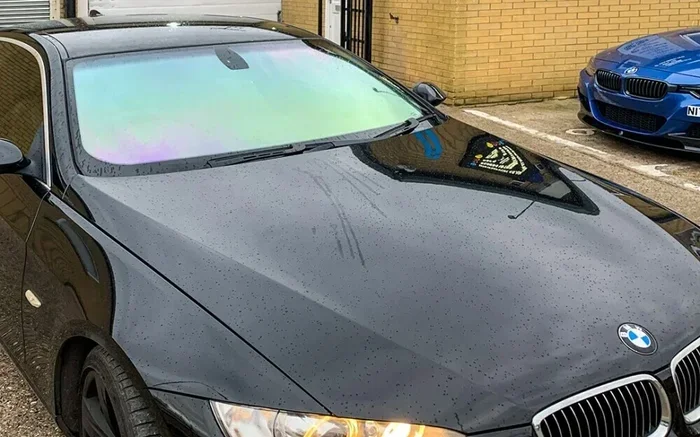
Everything About Chameleon Tint for Vehicles Explained
Chameleon tint for vehicles is a revolutionary color-shifting car window tint that changes hue based on light angle. This automotive window film offers superior UV protection, heat rejection, and a bold custom look. Whether you want privacy tint or a head-turning finish, this guide covers everything you need to know.
You have probably seen cars on the road with windows that seem to change color as they catch the light. One moment they look green. The next moment they shift to blue or purple. That is the magic of chameleon tint for vehicles. This innovative automotive window film has taken the car world by storm.
If you are thinking about tinting your car, you owe it to yourself to learn about this option. Chameleon tint is not just about looks. It also delivers real benefits like UV protection, heat rejection, and enhanced privacy. In this guide, we will break down everything you need to know. From how it works to how much it costs, we have you covered.
By the end of this article, you will understand whether chameleon film is the right choice for your ride. You will also learn about installation, maintenance, and the legal side of things. Let us dive in.
Key Takeaways
- Color-Shifting Magic: Chameleon tint changes color depending on viewing angle and lighting conditions.
- Real Protection: It blocks harmful UV rays and reduces cabin heat significantly.
- Multiple Shades Available: You can choose from green, blue, purple, and rainbow shifts.
- Professional Installation Matters: Proper application ensures longevity and a bubble-free finish.
- Know Your Local Laws: Legal tint limits vary by state and country.
- Worth the Investment: Quality chameleon film lasts 5-10 years with proper care.
📑 Table of Contents
- What Is Chameleon Tint for Vehicles?
- Benefits of Chameleon Tint for Your Car
- Chameleon Tint vs. Traditional Window Tints
- How to Choose the Right Chameleon Tint
- Installation and Maintenance Tips
- Legal Considerations for Chameleon Tint
- Frequently Asked Questions About Chameleon Tint
- Final Thoughts on Chameleon Tint for Vehicles
What Is Chameleon Tint for Vehicles?
Chameleon tint for vehicles is a special type of car window tint that shifts colors depending on the angle of light. Unlike traditional color shift tint that stays one shade, chameleon film creates a dynamic, eye-catching effect. It gets its name from the way a chameleon changes its skin color.
This type of window film is made using advanced ceramic tint technology and multi-layer dye processes. The result is a film that looks different from every angle. When parked under sunlight, your car might glow with a deep blue or vibrant green. From another angle, it could shift to a rich purple or golden hue.
How Does the Color-Shifting Effect Work?
The science behind this is fascinating. Chameleon film contains multiple thin layers of dyes and metals. Each layer reacts differently to light wavelengths. When light hits the film at one angle, certain wavelengths are absorbed and others are reflected. Change the angle, and the reflected wavelengths change too.
This is called interference color technology. It is the same principle used in soap bubbles and oil slicks on water. The layers in the film are so thin that they interact with visible light in unique ways. This creates the stunning color shifts you see on tinted vehicles.
Most chameleon tint products come in single-shift or dual-shift options. Single-shift changes between two colors. Dual-shift offers a broader range of hues. Some premium options even show three or more colors as you move around the vehicle.
Benefits of Chameleon Tint for Your Car
Sure, the looks are incredible. But chameleon tint for vehicles offers much more than a cool appearance. Here are the real-world benefits that make this auto tinting choice stand out.
UV Protection That Matters
One of the biggest advantages of quality window tint is UV protection. Harmful ultraviolet rays can cause skin damage and accelerate interior fading. Chameleon film blocks up to 99 percent of UV rays. This means you and your passengers stay safer during every drive.
Your dashboard, seats, and steering wheel also stay in better condition. Without UV protection, interior materials crack and fade over time. Chameleon tint helps preserve the look and value of your car’s interior.
Heat Rejection for Comfort
Driving in a hot car is no fun. Chameleon tint provides excellent heat rejection by blocking infrared rays. Quality ceramic tint options can reduce cabin temperature by 30 to 40 degrees Fahrenheit. This means your air conditioning works less and you stay more comfortable.
Less heat also means less strain on your vehicle’s cooling system over time. That can lead to better fuel efficiency and fewer repairs down the road. It is a win-win situation for your comfort and your wallet.
Glare Reduction and Eye Comfort
Glare from the sun and other vehicles can be dangerous. It causes eye strain and reduces visibility. Chameleon film naturally reduces glare without making your windows too dark. You get a clearer view of the road, especially during bright daylight hours.
This glare reduction is especially helpful during long road trips or drives through bright, open areas. Your eyes stay fresher, and you arrive at your destination less fatigued.
Enhanced Privacy and Security
Let us be honest. One reason many people tint their windows is for privacy. Chameleon tint for vehicles offers a unique advantage here. Because the film shifts colors, it is harder for people to see inside your car from outside. This adds an extra layer of security for your belongings.
When your windows have a dynamic, shifting appearance, it is very difficult for anyone to peer through clearly. This is especially useful when you park in busy areas or leave valuables in your vehicle.
Chameleon Tint vs. Traditional Window Tints
Not all window tint products are the same. Let us compare chameleon film with the most common traditional options. This will help you understand what makes chameleon tint special.
Dyed Tint
Dyed tint percentage films are the most affordable option. They use layers of dye to darken windows. However, dyed tint fades over time and offers limited heat rejection. It also does not provide the color-shifting effect that makes chameleon tint so popular.
Metalized Tint
Metalized automotive window film contains tiny metallic particles. These particles reflect heat and add strength to the window. The downside is that metalized tint can interfere with phone signals and GPS. Chameleon film uses ceramic or nano-tech materials instead, so it does not cause signal issues.
Carbon Tint
Carbon window film is known for its matte black finish and solid heat rejection. It does not fade like dyed tint. However, carbon film stays one color. It does not offer the dynamic, color-shifting look that makes chameleon tint for vehicles so unique.
Ceramic Tint
Ceramic tint percentage films are the premium choice. They offer the best heat rejection and UV protection without signal interference. Chameleon tint often uses ceramic-based technology to achieve its color-shifting properties. This makes it one of the highest-performing options on the market.
Quick Comparison Table
Here is a side-by-side look at how chameleon tint stacks up against other popular options:
- Dyed Tint: Low cost, fades over time, minimal heat rejection, no color shift.
- Metalized Tint: Good durability, may block signals, no color shift effect.
- Carbon Tint: No fading, good heat rejection, matte finish, single color only.
- Ceramic Tint: Best performance, no signal issues, premium price, can include color shift.
- Chameleon Tint: Dynamic color effect, excellent protection, premium look, higher cost.
How to Choose the Right Chameleon Tint
Not all chameleon film products are created equal. Choosing the right one for your vehicle requires some thought. Here are the key factors to consider before you make a purchase.
Consider the Color Shift Range
Different chameleon tint for vehicles products offer different color ranges. Some shift from green to blue. Others go from purple to pink. Some premium films show a full rainbow effect. Think about what color palette matches your car’s style and your personal taste.
If you want a subtle look, go with a single-shift film. If you want maximum impact, choose a dual-shift or rainbow option. Visit a local auto tinting shop to see samples in person. The colors look different on film compared to a phone screen.
Check the Tint Percentage
The tint percentage refers to how much light the film allows through. A lower percentage means a darker window. For chameleon film, most products fall in the 20 to 35 percent range for side and rear windows.
Keep in mind that visible light transmission laws vary by location. Always check your local legal tint laws before choosing a percentage. The front windshield usually has stricter limits than side and rear windows.
Quality of the Film
Not all chameleon tint is made the same way. Cheap films may use low-quality dyes that fade quickly. Premium ceramic tint options use advanced nano-ceramic particles for lasting performance. Look for brands with warranties and good customer reviews.
A quality chameleon film should last between 5 and 10 years with proper care. If a price seems too good to be true, it probably is. Invest in a reputable product to avoid bubbling, peeling, or fading down the road.
Think About Your Budget
The chameleon tint cost varies depending on several factors. The type of film, the brand, the tint percentage, and your location all play a role. On average, expect to pay more than you would for a standard dyed or carbon tint.
Professional window tint installation typically costs between $200 and $500 per vehicle, depending on the number of windows and the film quality. The chameleon tint cost tends to be on the higher end because of the specialized materials involved. But the results are well worth the investment for most car enthusiasts.
Installation and Maintenance Tips
Getting the most out of your chameleon tint for vehicles comes down to proper installation and care. Here is what you need to know.
Professional vs. DIY Installation
While some car owners attempt DIY window tint installation, chameleon film is best left to professionals. The multi-layer structure of chameleon film requires precision and experience to apply correctly. A professional ensures there are no bubbles, creases, or misaligned edges.
A skilled auto tinting technician also knows how to handle the film without damaging it. The color-shifting properties can be affected if the film is scratched or improperly cut. Trust the experts for the best results.
Aftercare and Curing
After installation, your window film needs time to cure. This usually takes 3 to 7 days. During this period, avoid rolling down your windows. Do not clean the tinted surfaces or place any objects against them.
You may notice some haze or water bubbles right after installation. This is completely normal. It will clear up as the film cures. If issues persist after a week, contact your installer for a check-up.
Cleaning Your Chameleon Tint
Proper cleaning extends the life of your chameleon film significantly. Use a soft microfiber cloth and a gentle, ammonia-free cleaner. Avoid abrasive sponges or rough towels that can scratch the film surface.
Wait at least 30 days after installation before cleaning your tinted windows for the first time. After that, clean them regularly to prevent dirt buildup. A clean tint looks better and performs better over time.
Common Mistakes to Avoid
Here are some mistakes that can damage your chameleon tint for vehicles:
- Using household glass cleaners that contain ammonia.
- Scrubbing the tint aggressively with rough materials.
- Rolling down windows before the film has fully cured.
- Parking in direct sunlight for extended periods during the first week.
- Choosing the cheapest film available without checking quality.
- Ignoring local legal tint laws and tint percentage requirements.
Legal Considerations for Chameleon Tint
Before you tint your windows with chameleon film, you need to understand the legal side. Legal tint laws vary widely from one jurisdiction to another. What is perfectly legal in one state might get you a ticket in another.
Most regions regulate tint percentage based on visible light transmission levels. This measures how much light passes through the tinted window. Front side windows usually need to allow more light than rear side windows and the back windshield.
Some areas have specific rules about reflective tint or tint color. Because chameleon tint shifts colors, it could fall into a gray area legally. Always check with your local Department of Motor Vehicles or transportation authority before installing.
Getting a medical exemption for darker tint is an option in some states. This allows individuals with certain skin conditions to use darker privacy tint than the standard legal limit. Research your local regulations thoroughly to avoid fines or having to remove your tint.
Frequently Asked Questions About Chameleon Tint
How long does chameleon tint last on a vehicle?
High-quality chameleon tint for vehicles typically lasts between 5 and 10 years. The lifespan depends on the film quality, installation method, and how well you maintain it. Premium ceramic tint options tend to last longer than budget alternatives. Regular cleaning and proper aftercare make a big difference in longevity.
Is chameleon tint legal in all states?
No, legal tint laws vary by location. Some states have strict rules about tint color and tint percentage. Because chameleon film shifts colors, it may not be explicitly addressed in some local regulations. Always check with your local DMV or transport authority before installation to ensure compliance.
Does chameleon tint affect nighttime visibility?
Most chameleon tint products use a moderate tint percentage that maintains good visibility at night. However, darker films can reduce visibility in low-light conditions. Choose a tint percentage that balances your style preferences with safety. If you drive frequently at night, consider a lighter shade for your front windows.
How much does chameleon tint cost for a full vehicle?
The chameleon tint cost for a full vehicle typically ranges from $300 to $800, depending on the film quality, brand, and number of windows. Professional window tint installation adds to the cost but ensures a flawless finish. Premium ceramic chameleon film will be on the higher end of that range.
Can chameleon tint be removed and reapplied?
Yes, chameleon film can be removed, but professional removal is recommended. Improper removal can leave adhesive residue or damage the window glass. A skilled installer can remove the old film and apply new chameleon tint cleanly. Keep in mind that each removal and reapplication shortens the overall lifespan of the window surface.
Does chameleon tint bubble or peel over time?
Quality chameleon tint for vehicles should not bubble or peel when installed and maintained correctly. Bubbling usually occurs due to poor installation, cheap film quality, or premature window rolling after application. Choosing a reputable installer and following aftercare instructions prevents these issues. A good warranty also protects you against manufacturing defects.
Final Thoughts on Chameleon Tint for Vehicles
Chameleon tint for vehicles is more than just a trendy accessory. It is a smart investment in your car’s appearance, comfort, and protection. The stunning color shift tint effect turns heads wherever you go, while the practical benefits of UV protection, heat rejection, and glare reduction make every drive more enjoyable.
Whether you are a car enthusiast looking for a custom look or a daily driver wanting better comfort, chameleon film delivers on both fronts. The key is choosing a quality product, getting professional window tint installation, and following proper maintenance practices.
Take the time to research your options, understand your local legal tint laws, and pick a tint percentage that fits your needs. With the right approach, your vehicle will look incredible and perform better for years to come. Chameleon tint for vehicles is truly one of the best upgrades you can make.