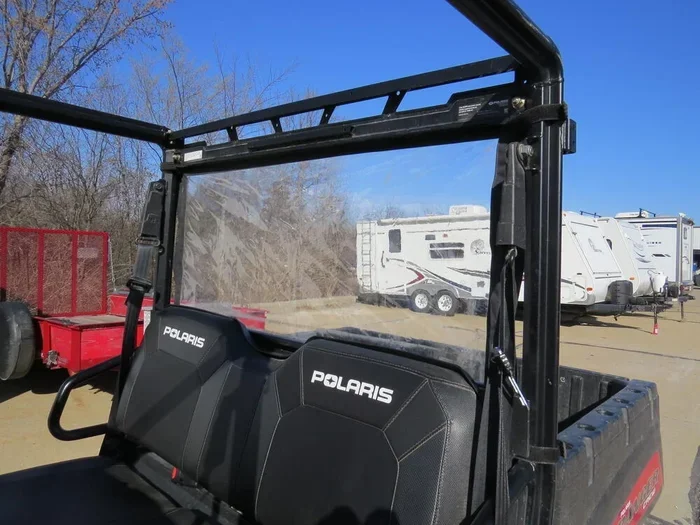
Can You Trailer a Side-by-Side With a Windshield Yes
Yes, you can trailer a side-by-side with a windshield on, but you need to take a few extra precautions. Many riders keep the windshield attached during transport, and it is perfectly fine when done correctly. You must secure the unit properly, check weight limits, and use the right tie-down methods. Trailering a side-by-side with a windshield saves time and protects your machine. This guide covers everything you need to know to do it safely and confidently.
Trailering a side-by-side can feel like a big job. And if you have a windshield on your machine, you might wonder if it is even safe to keep it attached. The short answer is yes. You absolutely can trailer a side-by-side with a windshield. Many owners do it every single day without any problems. But doing it the right way matters a lot. This guide walks you through everything you need to know.
Whether you are heading to a trailhead or moving your machine across state lines, trailer a side-by-side with a windshield is a practical choice. It saves you time. It protects your dash and gauges. And it keeps your windshield safe from road debris during transport. But there are a few important steps you must follow. We will cover them all in detail below.
Key Takeaways
- Yes, you can trailer with a windshield: It is safe and common when you follow proper steps.
- Secure the windshield firmly: Use brackets, straps, and padding to prevent damage during transport.
- Check your trailer weight capacity: Make sure your trailer and hitch can handle the combined weight safely.
- Avoid common mistakes: Loose straps, wrong hitch size, and ignoring tongue weight are top errors to avoid.
- Know when to remove the windshield: For long trips or high-speed highway driving, removal may be safer.
- Follow towing regulations: Stay compliant with local laws on trailer lights, brakes, and width limits.
📑 Table of Contents
- Why You Might Want to Keep the Windshield On
- How to Properly Secure a Side-by-Side With a Windshield on a Trailer
- Common Mistakes People Make When Trailering With a Windshield
- Safety Tips for Trailering a Side-by-Side With a Windshield
- When Should You Remove the Windshield Before Trailering?
- Expert Insights on Trailering a Side-by-Side With a Windshield
- Key Takeaways
- Conclusion
Why You Might Want to Keep the Windshield On
Some riders remove the windshield before trailering. But keeping it on has real benefits. Let us look at why many owners choose to do it this way.
Protection During Transport
Your windshield shields the cab area from dust, dirt, and road grime. When your side-by-side sits on a trailer, it is fully exposed to the road. Bugs, gravel, and debris can hit the machine hard. A windshield helps absorb some of that impact. It keeps your gauges, controls, and seat cleaner during the drive.
Saving Time and Effort
Removing a windshield takes time. You have to unbolt it, store it safely, and then reattach it at your destination. For many riders, that is just an extra hassle. Trailering a side-by-side with a windshield means fewer steps before and after each trip. You load up and go. That convenience adds up fast, especially if you trailer often.
Preserving the Windshield Frame
Frequent removal and reinstallation can wear out the frame and fasteners over time. Every time you unbolt the windshield, you risk stripping threads or loosening fittings. Keeping it attached reduces that wear. It keeps everything snug and secure in its original position.
How to Properly Secure a Side-by-Side With a Windshield on a Trailer
Now that you know it is safe, let us talk about how to do it right. Proper securing is the most important part of the whole process. A loose side-by-side on a trailer is a serious danger.
Step 1: Choose the Right Trailer
Not every trailer works for a side-by-side. You need a utility trailer or a dedicated ATV trailer with enough weight capacity. Check your side-by-side manual for the exact vehicle weight. Then add the weight of any accessories, gear, and the windshield itself. Your trailer should handle at least 20 percent more weight than your total load.
Here are key specs to look for in a trailer:
- Tongue weight rating that matches your setup
- Heavy-duty hitch receiver, ideally Class III or IV
- Non-slip deck surface for tire grip
- Proper tie-down anchor points built into the trailer frame
- Working trailer lights and reflectors
Step 2: Position the Side-by-Side Correctly
Drive your side-by-side straight onto the trailer. Center it as much as possible. The front wheels should sit near the front of the trailer deck. This placement helps balance the tongue weight. Too much weight at the back can make the tow vehicle hard to control. Too little weight at the front can cause sway.
Use wheel chocks on both sides of the tires. This prevents any rolling while you secure the load. Never skip this step, even for short trips.
Step 3: Use Quality Tie-Down Straps
You need at least four tie-down straps for a secure hold. Two straps go around the front. Two go around the rear. Use ratchet straps with a working load limit that matches your machine’s weight. Each strap should be tight but not so tight that it bends or cracks the frame.
Here is a quick checklist for tie-downs:
- Attach straps to designated anchor points on the trailer
- Loop straps around frame members, never around plastic or glass
- Tighten each strap until there is zero play in the machine
- Double-check all connections before driving
Step 4: Secure the Windshield
This is the step that makes trailer a side-by-side with a windshield different from regular transport. The windshield adds height and a slightly different center of gravity. Make sure the windshield is fully latched and locked in place. If your model uses fasteners, give each one a final tightening.
For extra safety, place a soft blanket or moving pad over the windshield. This protects it from scratches if any debris kicks up during the drive. It also prevents wind vibration from causing micro-fractures over long distances.
Step 5: Connect Trailer Lights and Safety Chains
Never skip the lights. Your trailer needs working brake lights, turn signals, and tail lights. Connect safety chains in a crisscross pattern under the trailer tongue. These are your backup if the hitch ever fails. They keep the trailer attached to your vehicle even in a worst-case scenario.
Common Mistakes People Make When Trailering With a Windshield
Even experienced riders make mistakes. Knowing what to avoid can save you time, money, and serious injury.
Using the Wrong Hitch Size
A common error is mismatching the hitch receiver size with the trailer ball. A 1-7/8 inch ball will not work with a 2 inch receiver, and vice versa. Always check both sizes before you hit the road. An incompatible hitch can disconnect on the highway. That is a dangerous and costly mistake.
Overloading the Trailer
Every trailer has a maximum weight limit. Going over that limit strains the axle, tires, and hitch. It also makes braking harder for the tow vehicle. Weigh your side-by-side with all accessories before loading. If you are close to the limit, remove unnecessary gear before you tow.
Ignoring Tongue Weight
Tongue weight is the downward force the trailer puts on the hitch. Too much tongue weight lifts the back of the tow vehicle. Too little causes trailer sway. The ideal tongue weight is about 10 to 15 percent of the total trailer weight. Use a tongue weight scale to check this before every trip.
Skipping the Winch Strap
Tie-down straps alone are not always enough. A winch strap added to the front of the machine adds an extra layer of security. It prevents forward movement during sudden braking. Many trailer setups benefit from a front-mounted winch point connected directly to the trailer frame.
Safety Tips for Trailering a Side-by-Side With a Windshield
Safety should always come first when towing anything. Here are the most important tips to keep in mind.
Check Tire Pressure on Both the Trailer and the Side-by-Side
Underinflated trailer tires are a leading cause of blowouts. Check pressure before every trip. Also make sure the side-by-side tires are properly inflated. Uneven pressure can cause the machine to shift on the trailer during transport.
Drive Slower Than Normal
towing changes how your vehicle handles. Allow more space for stopping. Take turns wider. Avoid sudden lane changes. A side-by-side on a trailer has a higher profile, which can catch crosswinds on the highway. Reducing speed helps you stay in control.
Do a Walk-Around Before Every Trip
Walk around the trailer and the side-by-side before you pull away. Check that all straps are tight. Confirm the windshield is secure. Make sure nothing is dragging or hanging loose. This simple habit takes two minutes and prevents a world of trouble.
Know Your Local Towing Laws
Towing regulations vary by state and country. Some areas require trailer brakes for loads over a certain weight. Others have width limits that could affect your setup with a windshield on. Check your local Department of Motor Vehicles website or call their office. Staying legal keeps you safe and avoids fines.
Use a Weight Distribution Hitch for Heavy Loads
If your side-by-side is on the heavier side, a weight distribution hitch can make a big difference. It spreads the tongue weight evenly across all axles of the tow vehicle. This improves steering control and reduces wear on your vehicle’s rear suspension. It is a worthwhile investment for regular trailering.
When Should You Remove the Windshield Before Trailering?
While you can keep the windshield on, there are situations where removal makes more sense. Understanding these helps you make smart decisions.
Long-Distance Highway Driving
For trips over several hundred miles on the highway, removing the windshield can reduce wind drag and lower fuel costs. The higher profile with a windshield on creates more air resistance. Over long distances, this adds up. If fuel efficiency matters for your trip, consider taking the windshield off.
Transporting Through Narrow Spaces
Some trails, forest roads, or parking areas are too narrow for a side-by-side with a windshield on a trailer. The added width can make navigation difficult or even impossible. In these cases, removing the windshield gives you more clearance and safer transport.
When the Windshield Is Damaged
If your windshield already has cracks or chips, trailering can make the damage worse. Vibration and wind pressure can cause a damaged windshield to shatter completely. Remove it, store it safely, and replace it at your destination. Never risk a broken windshield flying off during transport.
Expert Insights on Trailering a Side-by-Side With a Windshield
We spoke with experienced side-by-side owners and trailer specialists to get their top advice. Here is what they had to say.
Mark T., a side-by-side enthusiast from Utah: “I have been trailering my RZR with the windshield on for three years. I always use four ratchet straps and a winch strap on the front. The windshield has never caused a problem. I keep it on because it protects the dash from road grime.”
Jake R., a trailer specialist in Colorado: “The biggest issue I see is people not checking tongue weight. A side-by-side with a windshield is taller, which changes the airflow dynamics. Make sure your trailer is stable before you drive. A quick sway test at low speed can save you from a serious accident.”
Linda S., an off-road park ranger: “I see a lot of side-by-sides on trailers every season. My number one tip is to always use wheel chocks. Even on a flat trailer deck, a side-by-side can shift during sharp turns on the road. Chocks are cheap insurance.”
Key Takeaways
- You can trailer a side-by-side with a windshield on: It is safe, common, and practical when done correctly.
- Use the right trailer and hitch setup: Match weight capacities and hitch sizes to your machine.
- Secure the windshield and the machine: Tighten all fasteners, use quality straps, and add padding for protection.
- Avoid common mistakes: Overloading, wrong hitch sizes, and ignoring tongue weight are top errors.
- Follow safety best practices: Check tire pressure, do walk-arounds, and know your local laws.
- Remove the windshield when needed: For long highway trips, narrow spaces, or damaged windshields, removal is the smarter choice.
Conclusion
So, can you trailer a side-by-side with a windshield? Absolutely, yes. It is a safe and practical option that many riders use regularly. The key is doing it the right way. Secure your machine properly. Check your trailer setup. Follow all safety guidelines. And know when removal makes more sense than keeping the windshield on.
Trailering a side-by-side with a windshield does not have to be complicated. With the right preparation and a little attention to detail, you can transport your machine safely and confidently. Take the extra time to double-check everything before you pull onto the road. Your side-by-side, your windshield, and everyone else on the road will thank you.
Now that you have all the information you need, get out there and hit the trails. Your next adventure is just a trailer ride away. Happy riding!
Frequently Asked Questions
Can I leave the windshield on when trailering my side-by-side?
Yes, you can leave the windshield on. Just make sure it is fully latched and secured. Use padding to protect it from road debris. Check all fasteners before every trip to ensure nothing has loosened during transport.
Do I need a special trailer to haul a side-by-side with a windshield?
You need a utility trailer or ATV trailer with enough weight capacity. The trailer should have proper tie-down anchor points and a hitch receiver that matches your tow vehicle. The windshield adds height, so make sure the trailer is wide enough and stable for the extra profile.
How many straps do I need to secure a side-by-side on a trailer?
Use at least four ratchet straps. Two go around the front and two around the rear. Add a winch strap at the front for extra security. Each strap should be rated for the weight of your machine and tightened until there is no movement.
Is it legal to trailer a side-by-side with a windshield on?
In most areas, it is legal as long as you follow towing regulations. Check your local laws for weight limits, trailer brake requirements, and width restrictions. Working trailer lights and safety chains are required in nearly all jurisdictions.
Should I remove the windshield for long highway trips?
Removing the windshield for long highway trips can reduce wind drag and improve fuel economy. It also lowers the center of gravity, which can improve stability. If you keep it on, drive slower and be mindful of crosswinds that can affect the taller profile.
What is the best way to protect the windshield during trailering?
Place a soft moving pad or blanket over the windshield to protect it from scratches and debris. Make sure all windshield fasteners are tight. Avoid driving on rough roads at high speeds, as vibration can stress the glass over time. Inspect the windshield before and after each trip.