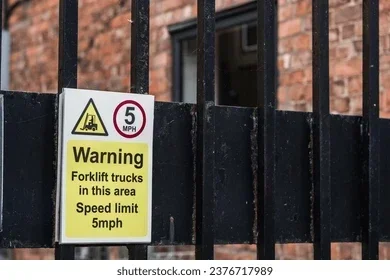
Can You Limit the Speed of a Forklift in the Workplace
Yes, you can limit the speed of a forklift in the workplace using mechanical speed limiters, electronic controllers, or fleet management software. Setting forklift speed limits reduces accidents, protects operators, and improves overall workplace safety. This guide covers every method, regulation, and best practice you need to know.
Can you limit the speed of a forklift? The answer is a clear and resounding yes. If you manage a warehouse, a construction site, or any facility where powered industrial trucks are in use, controlling how fast these machines move is one of the most impactful safety steps you can take. Forklift speed limits are not just a nice-to-have. They are a critical part of workplace safety that protects operators, nearby workers, and your bottom line.
Every year, forklift accidents cause thousands of injuries in the United States alone. Many of these incidents are directly tied to excessive speed. When a forklift moves too fast, operators lose control. Loads shift. Pedestrians get hurt. Equipment gets damaged. The good news is that limiting the speed of a forklift is both possible and practical. Whether you choose a simple mechanical governor or a sophisticated electronic controller, there is a solution that fits your needs. In this article, we will explore every angle of forklift speed management, from the technology behind it to the regulations that govern it and the best practices that make it work in real-world settings.
Key Takeaways
- Speed limiters are real and effective: You can physically or electronically cap how fast a forklift moves using controllers, governors, or software.
- OSHA has clear expectations: While OSHA does not set a single speed limit, it requires safe operation and compliance with posted speed rules.
- Multiple solutions exist: From simple mechanical governors to smart fleet management systems, there is a speed control option for every budget.
- Training matters just as much as technology: Operators need to understand why speed limits exist and how to follow them every day.
- Speed limits reduce costs: Slower forklifts mean fewer accidents, less equipment wear, and lower insurance premiums over time.
- Customization is key: Different zones in your facility may need different speed caps for maximum safety and efficiency.
📑 Table of Contents
- What Is a Forklift Speed Limiter and How Does It Work?
- Why Limiting Forklift Speed Matters for Workplace Safety
- OSHA and Regulatory Standards for Forklift Speed
- Types of Speed Limiting Systems for Forklifts
- Best Practices for Setting and Enforcing Forklift Speed Limits
- Common Challenges When Implementing Forklift Speed Limits
- Key Takeaways on Limiting Forklift Speed
What Is a Forklift Speed Limiter and How Does It Work?
A forklift speed limiter is a device or system that restricts how fast a forklift can travel. Think of it like a governor on a car engine. It does not stop the forklift from moving. It simply sets a maximum speed that the machine cannot exceed, no matter how hard the operator presses the accelerator. This simple concept has a big impact on safety.
There are several types of speed limiting systems available today. Each one works differently and suits different types of facilities and budgets. Let us break them down.
Mechanical Speed Governors
A mechanical speed governor is one of the oldest and most straightforward methods. It is a physical device attached to the forklift’s engine or drivetrain. When the forklift reaches a set speed, the governor automatically restricts fuel flow or power delivery. This prevents the machine from going any faster. Mechanical governors are reliable, require no electricity, and are relatively inexpensive to install. They are a popular choice for older forklift models and smaller operations.
Electronic Speed Controllers
Electronic speed controllers use sensors and microprocessors to monitor and regulate forklift speed. These systems can be programmed with specific speed caps for different operating modes. For example, a forklift might be set to travel at 5 miles per hour when carrying a load and 8 miles per hour when empty. Some advanced controllers can even adjust speed based on the tilt angle of the mast or the weight of the load being carried.
Fleet Management and Telematics Systems
Modern fleet management software takes speed limiting to the next level. These systems use GPS, wireless connectivity, and cloud-based dashboards to monitor every forklift in real time. Managers can set speed limits remotely, receive alerts when a forklift exceeds the cap, and review historical speed data. Telematics systems also track other metrics like idle time, fuel consumption, and maintenance schedules, making them a powerful tool for overall forklift speed monitoring.
Programmable Logic Controllers (PLCs)
For larger operations with automated or semi-automated forklifts, programmable logic controllers offer precise speed control. PLCs can be integrated into the forklift’s existing systems and programmed with complex speed profiles. These systems are commonly used in automated warehouses where forklifts follow fixed routes and must adhere to strict speed parameters for safety and efficiency.
Why Limiting Forklift Speed Matters for Workplace Safety
The connection between forklift speed and workplace injuries is well documented. Faster forklifts mean longer stopping distances. They mean less time for operators to react to obstacles or pedestrians. They mean greater force in the event of a collision. Limiting forklift speed directly addresses all of these risks.
Reducing Pedestrian Accidents
Warehouses and industrial facilities are busy places. Pedestrians walk through forklift zones every day. When a forklift is moving at a high speed, pedestrians may not hear it coming or may misjudge how quickly it is approaching. Setting a warehouse speed limit of 5 miles per hour or less in pedestrian-heavy areas gives everyone more time to react and stay safe.
Preventing Load Shifts and Tip-Overs
Forklifts are top-heavy machines. When they move too fast, especially around turns, the load can shift or the forklift can tip over. Speed cap forklift settings help prevent these dangerous situations by keeping the machine moving at a pace that the design can safely handle. Many tip-over accidents could be avoided entirely with proper forklift speed reduction strategies.
Protecting Equipment and Inventory
Speeding forklifts do more than hurt people. They also damage racking, walls, floors, and the goods being transported. A forklift that crashes into a racking system at high speed can cause thousands of dollars in damage. It can also destroy inventory and create hazards that take hours to clear. Forklift speed management protects your equipment and your product, saving money over the long run.
Lowering Insurance and Liability Costs
Insurance companies look at your safety record when setting premiums. Facilities that implement forklift speed limits and enforce them consistently tend to have fewer accidents. Fewer accidents mean lower insurance costs. They also mean less exposure to liability claims, which can be financially devastating for small and mid-sized businesses.
OSHA and Regulatory Standards for Forklift Speed
When it comes to OSHA forklift regulations, many operators wonder whether there is a specific speed limit written into the rules. The answer is more nuanced than you might expect.
What OSHA Actually Requires
OSHA does not set a single, universal speed limit for forklifts. Instead, the agency requires that forklifts be operated at a safe speed at all times. Under OSHA standard 1910.178, operators must drive at a speed that allows them to stop safely. This means the safe operating procedures for your facility should include clearly posted speed limits based on your specific environment, traffic patterns, and foot traffic.
General Industry Speed Guidelines
While OSHA does not mandate a specific number, industry best practices and many state regulations point to common speed ranges:
- Indoor warehouses: 5 to 8 miles per hour
- Outdoor industrial yards: 8 to 15 miles per hour
- Pedestrian-heavy zones: 3 to 5 miles per hour
- Loading docks: 3 to 5 miles per hour
- Corners and intersections: 3 to 5 miles per hour
These are general guidelines. Your facility may need different limits based on your layout, the type of forklifts you use, and your specific material handling safety requirements.
State and Local Regulations
Some states and municipalities have their own rules for forklift speed in industrial settings. It is important to check with your local OSHA office and review any applicable state regulations. Staying informed ensures that your forklift speed policy is not only safe but also legally compliant.
Types of Speed Limiting Systems for Forklifts
Choosing the right system depends on your budget, the age of your forklifts, and your operational needs. Here is a closer look at the options available.
Aftermarket Speed Limiter Kits
Aftermarket speed limiter kits are add-on devices that can be installed on existing forklifts. They are a cost-effective way to add speed control without purchasing new equipment. Most kits include a controller unit, a speed sensor, and a display panel. Installation typically takes a few hours and can be done by a qualified technician. These kits work well for facilities that want to upgrade their current fleet without a major investment.
Factory-Installed Speed Limiters
Many new forklifts come with factory-installed speed limiters built into the engine control unit. These systems are integrated from the start and are generally more reliable and seamless than aftermarket options. If you are purchasing new forklifts, it is worth asking the manufacturer about available speed control features. Some brands even offer configurable speed settings that can be adjusted by the fleet manager through a simple interface.
Wireless Speed Control Systems
Wireless speed control systems take a modern approach to forklift speed adjustment. These systems use radio frequency or Bluetooth technology to communicate with each forklift. A central control unit can adjust speed limits for individual machines or entire fleets from a single dashboard. This is especially useful for large facilities with multiple zones that require different speed settings.
Speed Alarm Systems
A forklift speed alarm does not physically limit speed. Instead, it alerts the operator when they exceed a set threshold. The alarm is typically an audible beep or a flashing light on the dashboard. While alarms do not enforce speed limits on their own, they are a valuable addition to any forklift speed monitoring strategy. They create awareness and encourage operators to self-regulate their speed.
Comparison Table: Speed Limiting Options
| System Type | Cost Range | Installation Time | Best For |
|---|---|---|---|
| Mechanical Governor | $200 – $800 | 1-2 hours | Older forklifts, tight budgets |
| Electronic Controller | $500 – $2,000 | 2-4 hours | Medium-sized fleets, configurable needs |
| Fleet Management/Telematics | $1,000 – $5,000+ | 1-2 days (fleet-wide) | Large operations, real-time monitoring |
| Factory-Installed Limiter | Included in purchase | None | New forklift purchases |
| Wireless Speed Control | $1,500 – $4,000+ | 1-3 days | Multi-zone facilities, large fleets |
| Speed Alarm Only | $100 – $500 | 30 min – 1 hour | Budget-conscious awareness tool |
Best Practices for Setting and Enforcing Forklift Speed Limits
Installing a speed limiter is only half the battle. The other half is making sure your team actually follows the rules. Forklift speed policy enforcement requires a combination of technology, training, and management commitment.
Conduct a Facility Risk Assessment
Before setting speed limits, walk through your facility and identify high-risk areas. Where do pedestrians cross forklift paths? Where are the blind corners? Where is the flooring uneven or slippery? Use this assessment to set zone-specific speed limits. A loading dock may need a 3-mile-per-hour cap, while a long straight aisle might safely allow 8 miles per hour.
Post Clear Speed Limit Signs
Visibility matters. Post forklift speed limits signs at the entrance of every zone. Use bright colors and large fonts so they are easy to read from a distance. Include the speed limit number prominently and add a reminder about workplace accident prevention. Signs alone are not enough, but they are an important part of a layered safety approach.
Train Every Operator Thoroughly
Operators need to understand why speed limits exist and how to follow them. During forklift operator safety training, cover the following topics:
- The stopping distance at different speeds
- How load weight affects stability at higher speeds
- The importance of slowing down at corners and intersections
- How to use the speed limiter or controller on their specific forklift
- Consequences of speeding, including disciplinary action
Refresher training should happen at least once a year. New operators should complete a full training program before they ever touch a forklift.
Use Data to Drive Accountability
If you have invested in a telematics or fleet management system, use the data it provides. Review speed reports weekly. Identify operators who consistently exceed limits and address the issue through coaching or additional training. Forklift speed monitoring creates accountability and reinforces the importance of safe driving habits.
Lead by Example
Management sets the tone. If supervisors and managers follow the speed limits themselves, operators are more likely to do the same. Industrial equipment safety is a team effort, and leadership commitment is one of the most powerful motivators for change.
Regularly Review and Update Your Speed Policy
Your facility changes over time. New equipment, new layouts, and new processes all affect what speed limits are appropriate. Review your forklift speed policy at least once a year and make adjustments as needed. Involve operators in the review process. They are on the floor every day and can provide valuable insights about what works and what does not.
Common Challenges When Implementing Forklift Speed Limits
Implementing forklift speed reduction strategies is not always smooth. Here are some common challenges and how to overcome them.
Operator Resistance
Some operators may resist speed limits, feeling that they slow down productivity. Address this concern head-on by explaining the benefits. Slower forklifts mean fewer accidents, fewer shutdowns caused by incidents, and lower repair costs. In the long run, forklift speed management actually improves productivity by keeping operations running without interruptions from accidents or equipment damage.
Balancing Safety with Efficiency
Finding the right balance between safety and efficiency is an ongoing challenge. Set speed limits that are safe but still allow operators to do their jobs effectively. Use data from your fleet management system to identify the optimal speed for each zone. You may find that operators can complete their routes just as quickly at a lower speed as they would at a higher one, especially when you factor in the time lost to accidents and equipment repairs.
Equipment Compatibility
Not all forklifts are compatible with every speed limiting system. Older models may require aftermarket kits, while newer ones may have built-in capabilities. Work with your forklift dealer or a qualified technician to find the right solution for each machine in your fleet. Forklift speed adjustment should be tailored to the specific equipment you are working with.
Maintaining and Calibrating Speed Limiting Systems
Like any technology, speed limiting systems need regular maintenance. Sensors can drift, controllers can malfunction, and software can need updates. Build forklift speed limiter maintenance into your regular equipment inspection schedule. A system that is not working properly provides a false sense of security and can be worse than having no system at all.
Key Takeaways on Limiting Forklift Speed
Limiting the speed of a forklift is one of the most effective steps you can take to improve workplace safety and protect your team. From mechanical governors to advanced telematics systems, there are solutions available for every type of facility and budget. OSHA forklift regulations require safe operation, and setting clear speed limits is a key part of meeting that requirement. By combining the right technology, thorough training, consistent enforcement, and regular policy reviews, you can create a safer, more efficient workplace for everyone.
Remember, forklift speed management is not a one-time fix. It is an ongoing commitment to safety and continuous improvement. Start with a risk assessment, choose the right system for your needs, train your team, and monitor your results. Every step you take toward controlling forklift speed is a step toward preventing accidents and protecting the people who keep your operation running every day.
Take action today. Review your current forklift speed policy, talk to your team about their concerns and suggestions, and explore the speed limiting options that are available. Your workers deserve a safe environment, and your business deserves the protection that comes from proactive industrial equipment safety practices. Can you limit the speed of a forklift? Absolutely. The real question is, why would you wait to do it?
Frequently Asked Questions
What is the typical forklift speed limit in a warehouse?
Most warehouses set forklift speed limits between 5 and 8 miles per hour indoors. Areas with heavy pedestrian traffic, such as loading docks and intersections, often have lower limits of 3 to 5 miles per hour. The exact limit depends on your facility layout, foot traffic, and the type of forklifts in use.
Does OSHA require forklifts to have a speed limiter installed?
OSHA does not specifically require forklifts to have a speed limiter installed. However, OSHA does require that forklifts be operated at a safe speed at all times under standard 1910.178. Many facilities choose to install speed limiters as part of their workplace accident prevention strategy to meet this general requirement.
Can you adjust forklift speed limits by zone within a facility?
Yes, many modern fleet management and telematics systems allow you to set different speed limits for different zones. This is especially useful in large facilities where pedestrian areas, loading docks, and open aisles each require different speed caps for optimal safety.
How much does a forklift speed limiter cost to install?
The cost varies depending on the type of system. Mechanical governors can be installed for as little as $200 to $800. Electronic controllers typically range from $500 to $2,000. Advanced telematics systems can cost $1,000 to $5,000 or more for a full fleet rollout. Aftermarket kits are generally the most affordable option for existing forklifts.
Do speed limiters reduce forklift productivity?
While slower speeds may seem like they would reduce productivity, the opposite is often true. Fewer accidents mean fewer shutdowns, less equipment damage, and lower repair costs. Operators also spend less time dealing with incidents and more time on productive work. Overall, forklift speed management tends to improve operational efficiency rather than hinder it.
What should I include in my forklift speed policy?
A strong forklift speed policy should include posted speed limits for each zone, consequences for speeding, regular training requirements, a schedule for equipment inspection and maintenance, and a process for reviewing and updating the policy annually. Involving operators in the policy creation process helps ensure buy-in and compliance.
=== CONCLUSION ===
Can you limit the speed of a forklift? Yes, and you should. Limiting the speed of a forklift in the workplace is one of the most effective ways to protect your workers, reduce accidents, and keep your operations running smoothly. Whether you choose a simple mechanical governor or a comprehensive telematics system, the key is to take action and enforce your forklift speed limits consistently. Combine technology with training, clear signage, and management commitment, and you will build a safer workplace that benefits everyone. Start today, and make forklift speed management a core part of your material handling safety strategy.