Can You Drive With Steering Assist Fault And Stay Safe
A steering assist fault means your power steering system has a problem. You might still be able to drive short distances, but it can be risky. This guide explains the dangers, causes, and safe steps to take.
Have you ever seen a steering assist fault warning on your dashboard and felt a knot in your stomach? You’re not alone. Many drivers face this message and wonder if they can keep going. The short answer is: it depends, but caution is key. A steering assist fault means your power steering system has detected a problem. This system helps you turn the wheel with ease. When it fails, steering can become heavy and unpredictable.
You might be tempted to ignore the light and just get home. That’s a natural reaction. But driving with a steering assist fault can be risky, especially at low speeds or in tight spaces. This guide will walk you through everything you need to know. We’ll cover what the fault means, why it happens, and the safest steps to take. By the end, you’ll feel confident about handling this situation.
Let’s break it down in simple terms. You’ll learn how steering assist works, what to do when the warning appears, and how to prevent it in the future. No jargon, no fluff—just clear, practical advice. So let’s get started.
Key Takeaways
- Steering assist fault warning: This light signals a problem with your power steering system, which can make the steering wheel suddenly heavy.
- You can drive short distances: In many cases, you can still move the car, but the steering effort increases and control becomes harder.
- Common causes: Low battery voltage, faulty sensors, damaged wiring, or worn mechanical parts often trigger the fault.
- Immediate steps matter: Pull over safely, check the battery, and scan for error codes before continuing to drive.
- Prevention helps: Regular maintenance, battery health checks, and addressing small warning signs can prevent steering assist faults.
- Expert insight: If the warning flashes or the steering becomes very stiff, stop driving and call for help.
📑 Table of Contents
What Is a Steering Assist Fault?
A steering assist fault is a warning from your car’s electronic system. It tells you that the power steering assist is not working correctly. Most modern cars use electric power steering (EPS). A small motor helps you turn the wheel. Sensors monitor your steering input and speed. When something goes wrong, the system shuts down the assist to protect you. The result is a steering wheel that feels much heavier than normal.
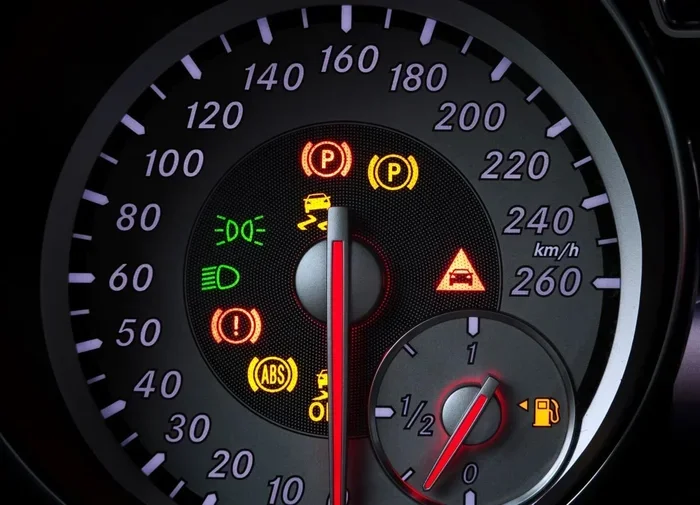
This fault is different from a complete steering failure. Your car can still steer, but it requires more physical effort. The dashboard will show a yellow or red warning light. Sometimes it says “Steering Assist Fault” or shows a steering wheel icon with an exclamation mark. The light is your cue to pay attention. Ignoring it can lead to a sudden loss of steering help while driving.
How Does the Steering Assist System Work?
Understanding the system helps you grasp the fault. In an electric power steering setup, a motor sits on the steering column or rack. When you turn the wheel, sensors detect the torque. The system then adds power to make the turn smooth. A control module manages this process. It relies on electrical signals, sensors, and software. If any part of this chain fails, the steering assist fault light comes on.
Hydraulic power steering systems use fluid pressure instead of an electric motor. A pump pushes fluid to help you turn. These systems can also develop faults, but the warning is often different. The basic idea is the same: your car tries to keep you safe by alerting you to a problem.
Can You Drive With Steering Assist Fault?
The big question everyone asks: can you still drive? The honest answer is yes, but with limits. You can often drive a short distance if the steering is still responsive. However, the effort required increases. At parking speeds, turning into a tight spot becomes a workout. On the highway, a sudden steering assist fault can make lane changes dangerous. The car might not respond as quickly as you expect.
Let’s look at two scenarios. First, the light is steady and the steering feels slightly heavier. You might be able to drive to a safe spot or a nearby mechanic. Second, the light flashes, and the steering suddenly locks or becomes extremely stiff. In that case, you must stop immediately. Continuing to drive could cause an accident.
What Happens When Steering Assist Fails?
When the assist fails, the electric motor stops adding power. You still have mechanical steering, but it’s manual. At low speeds, like in a parking lot, the wheel can feel like it’s turned to stone. At higher speeds, the road feel changes. You might notice vibrations or a lack of feedback. The car might also trigger other safety systems, like stability control, to compensate.
Some drivers report that the steering feels normal at highway speeds but heavy at slow speeds. This is because the system adds more assist at low speeds. When the fault occurs, you lose that extra help. The car doesn’t stop working, but it requires more attention and strength.
How Does the Warning Affect Your Driving?
A steering assist fault changes the driving experience. You might feel tired more quickly, especially on long trips. The extra effort can distract you from the road. In an emergency, you need quick steering inputs. Heavy steering can slow your reaction time. That’s why it’s important to address the fault as soon as possible.
Quick Tip: If you notice the steering getting heavier, pull over safely. Turn the engine off and on again. Sometimes a temporary glitch clears the light. But if it returns, do not ignore it.
Common Causes of a Steering Assist Fault
Knowing the root cause helps you understand the risk. A steering assist fault can stem from several sources. Most are electrical, but some are mechanical. Let’s explore the most common reasons.
Electrical and Sensor Issues
The electric power steering system relies on sensors and wiring. A loose connection can break the communication between the steering column and the control module. Corrosion on connectors is another culprit. Water can seep into the steering column, especially after driving through deep puddles. That moisture can short out sensors or damage the wiring harness.
Faulty torque sensors are a frequent cause. These sensors measure how hard you’re turning the wheel. If they send wrong signals, the system shuts down the assist. A damaged clock spring, which allows the steering wheel to rotate while keeping electrical connections, can also trigger the fault.
Low Battery Voltage and Power Supply Problems
Electric power steering draws a lot of electrical power. Your car battery must be in good health. A weak or old battery can cause voltage drops. The steering control module detects low voltage and disables the assist to protect the system. This is one of the most common and easiest-to-fix causes of a steering assist fault.
Common Mistake: Many drivers assume the battery is fine because the car starts. But a battery with low cold cranking amps can still cause steering faults. A simple voltage test at a parts store can reveal the problem.
Mechanical Wear and Tear
While less common, mechanical issues can also lead to a fault. The steering rack itself can develop internal leaks or binding. In hydraulic systems, a failing power steering pump or low fluid level can cause problems. The system may interpret the pressure loss as a fault. Even worn tie rods or a misaligned steering angle sensor can trigger the warning light.
Expert Insight: If you hear a whining noise when turning, that’s often a sign of a hydraulic pump struggling. Address it early to avoid a full steering assist fault.
Step-by-Step: What to Do When the Warning Appears
Finding the steering assist fault light on your dash can be stressful. Follow these steps to stay safe and diagnose the issue.
- Pull over safely. Find a flat, straight stretch of road or a parking lot. Turn on your hazard lights.
- Check the steering effort. Is the wheel slightly heavier or completely stiff? If it’s hard to turn, do not continue driving.
- Restart the engine. Turn the key off, wait ten seconds, and restart. This can reset the system and clear a temporary glitch.
- Inspect the battery. Look for corroded terminals or loose cables. A jump start can sometimes fix a voltage-related fault.
- Scan for error codes. If you have an OBD-II scanner, plug it in. Look for codes related to the power steering control module or torque sensor.
- Book a mechanic. If the light stays on after a restart, schedule a professional diagnostic. Do not delay.
Immediate Safety Checks
Before you do anything else, assess your surroundings. Are you on a busy highway or a quiet residential street? Your safety comes first. If the steering feels normal and the light is steady, you can carefully drive to the nearest safe location. Keep your speed low. Avoid sudden turns. If you’re on a highway, exit at the next opportunity.
Quick Tip: Keep your phone charged. If you need to call for roadside assistance, you’ll want it ready. A steering assist fault can turn a routine drive into a stressful event, so stay calm.
Diagnostic Steps You Can Take
Once you’re in a safe spot, you can start some basic checks. First, look at the battery voltage. Most cars need at least 12.4 volts to run the power steering system properly. A multimeter is a handy tool. Next, check the steering fluid level if your car uses hydraulic assist. Low fluid can cause a fault code. Finally, inspect the under-hood fuse box. A blown fuse related to the power steering circuit can cause the light to come on.
Common Mistake: Don’t keep cycling the ignition on and off hoping the light will go away. Repeated resets can confuse the control module. If the fault persists, it needs a real fix.
Steering Assist Fault in Different Vehicle Types
The way a steering assist fault affects you can vary by car type. Electric power steering is now standard in most new vehicles. These systems are more prone to electrical gremlins but require less maintenance. Hydraulic power steering, found in older cars and trucks, relies on fluid and a pump. The fault symptoms differ, but the outcome is similar: you lose the help that makes steering easy.
Electric Power Steering vs Hydraulic Systems
Let’s compare the two systems side by side.
| Aspect | Electric Power Steering (EPS) | Hydraulic Power Steering |
|---|---|---|
| Common Fault Cause | Sensor failure, wiring issues, low battery voltage | Low fluid, pump failure, belt slip |
| Warning Light | Steering assist fault message or icon | Power steering warning light or fluid pressure light |
| Steering Feel at Fault | Very heavy, especially at low speeds | Stiff with a possible whining noise |
| Repair Complexity | Often electrical, may need module or sensor replacement | Fluid top-up, pump, or belt replacement |
| Can You Still Drive? | Yes, but with heavy effort | Yes, but steering is stiff and may leak fluid |
No matter which system your car uses, the rule is the same. A steering assist fault means you should get the car checked soon. Driving long distances with a heavy steering wheel is tiring and unsafe.
How to Prevent Steering Assist Faults
Prevention is always better than repair. A few simple habits can keep your steering system healthy and avoid a steering assist fault altogether.
Maintenance Habits That Help
- Check your battery regularly. A healthy battery is the heart of the electric steering system. Replace it every 4-5 years or when voltage drops below 12.4V.
- Keep connectors clean. Inspect the steering column connectors for corrosion. A simple wipe with electrical contact cleaner can prevent many faults.
- Top up fluid on time. If your car has hydraulic steering, check the fluid level monthly. Use the manufacturer-recommended fluid type.
- Avoid deep water crossings. Water can damage sensors and wiring. If you must drive through water, do it slowly and dry the connectors afterward.
- Listen to your car. A slight click, a whine, or a bit more effort when turning is worth investigating. Catching small signs early prevents a full steering assist fault.
When to See a Mechanic
You should visit a mechanic as soon as the warning light appears and a restart doesn’t clear it. If the steering feels heavy, even slightly, a professional diagnostic scan can reveal hidden issues. Delaying a repair can lead to a complete loss of steering assist, which is dangerous. Trust your instincts. If something feels off, it probably is.
Expert Insight: Many drivers wait until the steering becomes impossible to turn. By then, a simple sensor fix has turned into a costly rack or module replacement. Early action saves money and keeps you safe.
Conclusion
Driving with a steering assist fault is possible in the short term, but it comes with real risks. The fault means your power steering has a problem, and the system has disabled the assist to protect you. You can still steer, but it takes more effort and attention. The safest approach is to address the fault quickly. Follow the steps we covered: pull over, check the battery, restart the system, and seek professional help if the light stays on.
Prevention plays a huge role. Keep your battery healthy, inspect connectors, and listen for unusual sounds. These small steps can prevent a steering assist fault from interrupting your day. Remember, your steering system is one of the most important safety features in your car. Treat it with care, and it will serve you well on every journey.
Stay alert, stay safe, and never ignore a warning light. Your car is trying to tell you something. Listening early is the best way to stay safe on the road.
Frequently Asked Questions
What does a steering assist fault mean?
A steering assist fault means the power steering system has detected a problem and has turned off the electric or hydraulic assist. Your steering wheel will feel heavier than normal, especially at low speeds.
Can I keep driving if the steering assist fault light is on?
You can drive a short distance if the steering is still responsive. However, it’s not safe for long trips. The heavy steering can tire you out and reduce your ability to react quickly in an emergency.
What causes a steering assist fault?
Common causes include a weak battery, faulty torque sensors, damaged wiring, corrosion, or low hydraulic fluid in older systems. A blown fuse or a failing power steering module can also trigger the warning.
How do I reset a steering assist fault?
Try turning the engine off and on again. If that doesn’t work, check the battery voltage and clean any corroded connectors. If the light remains, a diagnostic scan tool is needed to clear the fault code and identify the root cause.
Is a steering assist fault expensive to fix?
The cost varies widely. A simple battery replacement might cost around $100. A faulty sensor or wiring repair could run $200-$500. Replacing the entire power steering control module can be $500 or more, depending on the vehicle.
Can cold weather cause a steering assist fault?
Yes, cold weather can reduce battery performance and increase fluid viscosity in hydraulic systems. These changes can temporarily trigger a steering assist fault warning. Once the car warms up, the light may clear on its own.