Can You Bug Bomb a Car Here Is What You Should Know
Bug bombing a car is possible but comes with serious risks that many drivers overlook. While foggers can kill pests in your vehicle, the chemical residue left behind poses health dangers to you and your passengers. This guide covers everything you need to know about using bug bombs in cars safely, the alternatives that work better, and how to prevent future infestations.
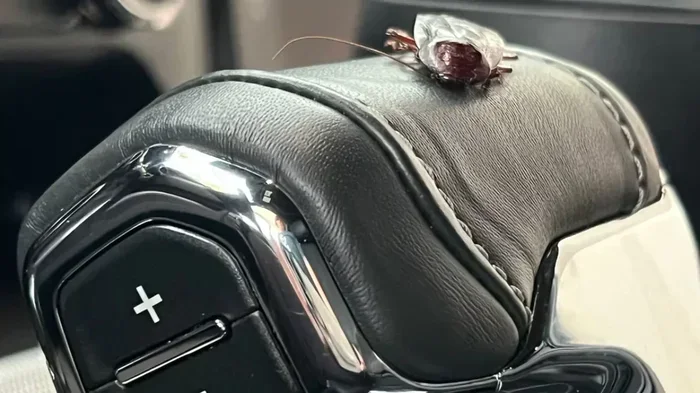
Have you ever opened your car door and been greeted by a swarm of tiny bugs? It is a frustrating and honestly kind of gross experience. Whether you are dealing with roaches, ants, fleas, or even wasps, the thought of reaching for a bug bomb might seem like the easiest fix. But here is the big question: can you bug bomb a car?
The short answer is yes, you can. But the longer answer is a lot more complicated. Bug bombing a vehicle comes with real risks, tricky preparation steps, and potential health concerns that many people do not think about. In this article, we are going to walk through everything you need to know. We will cover how car pest control with foggers works, what the dangers are, what safer alternatives exist, and how to keep bugs out of your car for good.
Whether you are dealing with a minor ant problem or a full-on pest infestation in your vehicle, this guide has you covered. Let us dive in.
Key Takeaways
- Bug bombs can work in cars: but only under very specific conditions and with proper preparation.
- Health risks are real: chemical residue in a confined car space can be harmful if not handled correctly.
- Preparation is critical: you must clean, seal, and ventilate your vehicle before and after treatment.
- Safer alternatives exist: professional extermination and DIY sprays may be better options than foggers.
- Prevention beats treatment: regular cleaning and sealing entry points keeps pests out of your car for good.
- Never sleep in a treated car: give it adequate time to air out before driving or sitting inside.
- Know when to call a pro: severe infestations like wasp nests or bed bugs need expert intervention.
📑 Table of Contents
- What Is a Bug Bomb and How Does It Work?
- Can You Actually Bug Bomb a Car?
- How to Bug Bomb a Car Safely
- Risks and Dangers of Bug Bombing a Car
- Better Alternatives to Bug Bombing a Car
- How to Prevent Pests From Getting Into Your Car
- Common Mistakes People Make When Bug Bombing a Car
- Expert Insights on Car Pest Control
- Conclusion
What Is a Bug Bomb and How Does It Work?
A bug bomb, also called a fogger, is a handheld canister that releases a fine mist of insecticide into an enclosed space. When you activate it, the spray spreads quickly and settles on surfaces, cracks, and crevices. The chemicals in the fog are designed to kill insects on contact and leave a residual effect that continues working for days.
Most foggers use pyrethrin or pyrethroid-based chemicals. These are synthetic versions of natural compounds found in chrysanthemum flowers. They attack the nervous system of insects and cause paralysis and death. Bug bombs are commonly used in homes, apartments, and garages to treat roaches, ants, fleas, and other crawling pests.
How Foggers Spread Through a Space
When you place a fogger and activate it, the canister releases a pressurized cloud of insecticide. The mist floats through the air and lands on every surface it can reach. In a small room, this works well. But a car is different from a house. The confined space means the chemicals are more concentrated, and the surfaces are different. Fabric seats, plastic dashboards, and rubber seals all absorb pesticides differently than walls and floors in a home.
This is why using a fogger in a car requires extra care. You cannot just set it off and drive away. There are steps you must follow to make sure the treatment works and does not put your health at risk.
Can You Actually Bug Bomb a Car?
The answer is technically yes, but it is not as simple as grabbing a fogger and going to town. Bug bombing a car comes with unique challenges that homeowners face when treating a house. Let us break down what makes car pest control different and what you need to know before you try it.
Why Cars Are Tricky for Fogger Treatments
Cars are small, enclosed spaces with lots of soft surfaces. The fabric in your seats and carpet acts like a sponge, soaking up chemicals. This means pesticide residue can linger long after the fogging is done. In a house, you can open windows and doors to ventilate. In a car, you have a much smaller airspace to work with, and the ventilation system can spread chemicals throughout the entire interior.
Here are the main challenges of bug bombing a car:
- Limited space: The chemicals concentrate quickly in a small area, which increases exposure risk.
- Fabric absorption: Seats, floor mats, and headliners trap pesticides, making them hard to remove.
- Ventilation system: Your car’s HVAC system can circulate chemical residue through the vents for weeks.
- Surface sensitivity: Plastic and vinyl surfaces in cars can be damaged by harsh chemicals.
- Health concerns: Sitting in a recently fogged car exposes you to pesticide levels that are not safe.
When Bug Bombing a Car Makes Sense
Despite the challenges, there are situations where car fumigation with a fogger is a reasonable option. If you have a mild to moderate pest infestation and you have tried other methods without success, a bug bomb might be the right move. Common scenarios include:
- You notice roaches or ants crawling inside your car regularly.
- You recently had a flea problem and bugs are still lingering in the seats.
- You found a small nest of pests under the dashboard or in the trunk.
- You have tried sprays and traps but the problem keeps coming back.
However, if you are dealing with a severe infestation, a wasp nest, or bed bugs, a fogger alone is probably not enough. In those cases, you should consider calling a professional exterminator who specializes in vehicle pest control.
How to Bug Bomb a Car Safely
If you have decided that fogging your car is the right approach, it is critical to do it safely. Rushing through the process can leave you with a car full of chemicals and a health risk every time you get behind the wheel. Follow these steps carefully.
Step 1: Deep Clean Your Car First
Before you even think about setting off a fogger, give your car a thorough cleaning. Vacuum every seat, the floor mats, the trunk, and all the crevices. Remove any trash, food wrappers, or debris that might be attracting pests. The cleaner your car is, the more effective the pest control treatment will be. Pests thrive in dirty environments, and if you do not remove the source of the problem, you may find yourself fogging again in a few weeks.
Step 2: Remove All Personal Items
Take out everything from your car. This includes floor mats, seat covers, phone chargers, bags, and anything else you have stored inside. Pesticide residue can settle on these items, and you do not want to bring chemicals into your home. Place removed items in a sealed bag or wash them if possible.
Step 3: Park in a Well-Ventilated Area
Never fog your car in an enclosed garage. The fumes are dangerous and can be explosive in a small, sealed space. Park outside in an open area with good airflow. Make sure the area is away from children, pets, and neighbors. Wind direction matters too, so try to position your car so the breeze carries fumes away from you.
Step 4: Protect Your Car’s Interior
Cover sensitive surfaces like the dashboard and steering wheel with plastic sheeting if you want to minimize chemical contact. While this is not always practical, it can help reduce residue on surfaces you touch frequently. Roll down all windows slightly to allow some airflow during and after treatment.
Step 5: Set Off the Fogger
Place the fogger on a flat surface, ideally on the center console or floor. Follow the instructions on the label exactly. Most foggers recommend you activate them, leave the car, and close all doors and windows. The treatment time usually ranges from 10 to 15 minutes. Do not stay in the car or nearby during this time.
Step 6: Ventilate Thoroughly
After the fogger has done its job, open all the doors and windows wide. Let the car air out for at least 30 minutes to an hour before you even think about getting back in. If you can, leave the car parked with the doors open for several hours. The longer you let it air out, the better. Pesticide safety should always be your top priority.
Step 7: Wipe Down and Vacuum
Once the car has aired out, wipe down all hard surfaces with a damp cloth. Vacuum the seats, carpets, and floor mats again. This helps remove any remaining chemical residue and dead pests. You may want to repeat the cleaning process a day or two later to make sure everything is gone.
Quick Tips for Safe Car Fogging
- Always read the fogger label before use and follow all instructions.
- Wear gloves and a mask when handling foggers and cleaning treated surfaces.
- Never use more than one fogger in a car at a time.
- Keep pets and children away from the treated vehicle for at least 24 hours.
- Wash your hands thoroughly after touching any treated surface.
Risks and Dangers of Bug Bombing a Car
While bug bombs can be effective, they are not without risks. The chemicals in foggers are designed to kill insects, and they can be harmful to humans and pets too. Understanding these risks is essential before you decide to treat your car.
Chemical Residue in a Confined Space
The biggest concern with bug bombing a car is chemical residue. Because a car is a small, enclosed space, the concentration of pesticides is much higher than in a room at home. The residue settles on every surface, including your steering wheel, dashboard, door handles, and seats. Every time you touch these surfaces, you are potentially exposing yourself to pesticides.
Studies have shown that chemical residue from foggers can linger in fabric and upholstery for days or even weeks. If you have children who ride in the back seat or pets that travel with you, this is a serious concern. Young children and animals are especially sensitive to pesticide exposure.
Health Effects of Pesticide Exposure
Short-term exposure to fogger chemicals can cause headaches, dizziness, nausea, and eye irritation. In more severe cases, it can lead to difficulty breathing, skin rashes, and allergic reactions. If you have asthma or other respiratory conditions, the risks are even higher. The ventilation in a car is limited compared to a house, which means fumes stay trapped longer.
Some foggers also contain flammable propellants. This is why you should never smoke or use open flames near a fogger or a recently treated car. The risk of fire or explosion is real, especially in enclosed spaces like garages.
Damage to Car Surfaces
The harsh chemicals in pest control products can damage the interior of your car. Plastic dashboards can become discolored or cracked. Vinyl seats may develop a strange texture or smell. The chemical residue can also be difficult to fully remove, leaving your car smelling like pesticides for days.
Better Alternatives to Bug Bombing a Car
If the risks of fogging your car have you second-guessing the idea, you are not alone. Many pest control experts recommend against using bug bombs in vehicles. The good news is that there are several alternatives that are safer and often just as effective.
Option 1: Use a Car-Specific Insecticide Spray
Instead of a fogger, try a targeted insect spray designed for use in vehicles. These sprays are formulated to be safer on car interiors and leave less residue. You can spray directly into cracks, crevices, and areas where you see pests. This method gives you more control over where the chemicals go and reduces overall exposure.
Look for sprays that are labeled safe for use in cars or around fabrics. Always test a small, hidden area first to make sure the product does not damage your interior.
Option 2: Call a Professional Exterminator
If the infestation is serious, the best move is to call a professional exterminator. Many pest control companies offer vehicle treatment services. They have access to commercial-grade products and the expertise to apply them safely. A pro will know exactly how to treat your car without damaging the interior or putting your health at risk.
This is especially important for infestations involving wasps, bed bugs, or termites. These pests require specialized treatment that a standard fogger cannot handle effectively.
Option 3: Try Natural or DIY Remedies
For mild pest problems, natural remedies can work surprisingly well. Some options include:
- Diatomaceous earth: A natural powder that kills insects by dehydrating them. Sprinkle it in cracks and under seats.
- Essential oils: Peppermint, tea tree, and eucalyptus oils repel many pests. Mix with water and spray in your car.
- Baking soda and vinegar: A cleaning solution that helps remove pest attractants from surfaces.
- Cedar chips or sachets: Natural insect repellents that can be placed in the trunk or under seats.
These methods are not as powerful as chemical treatments, but they are much safer for daily use and do not leave harmful residue behind.
Option 4: Use Sticky Traps and Baits
For ants and roaches, sticky traps and bait stations can be placed inside the car. These target specific pests without flooding the entire interior with chemicals. Place traps under seats, in the trunk, and near areas where you have seen activity. Check and replace them regularly.
How to Prevent Pests From Getting Into Your Car
The best way to deal with a pest problem in your car is to prevent it from happening in the first place. Car pest prevention is much easier than treating an infestation, and it saves you time, money, and the hassle of dealing with chemicals.
Keep Your Car Clean
The number one reason pests get into cars is food. Crumbs, spilled drinks, and food wrappers attract ants, roaches, and even mice. Make it a habit to vacuum your car regularly and avoid eating inside. If you must eat on the go, clean up immediately and do not leave food wrappers sitting around.
Seal Entry Points
Check the weather stripping on your doors and windows for gaps or tears. Pests can squeeze through surprisingly small openings. If you notice any damage, replace the stripping as soon as possible. Also, check your trunk seal and the area where your windshield meets the car body.
Store Your Car in a Secure Location
If possible, park your car in a garage or covered area. This reduces the chance of pests making their way inside. Avoid parking near trash cans, compost piles, or areas with heavy pest activity.
Regular Inspections
Make it a habit to inspect your car regularly for signs of pests. Look under seats, in the trunk, and along the dashboard. Early detection makes treatment much easier and less expensive. If you catch a problem early, a simple spray or trap is usually all you need.
Common Mistakes People Make When Bug Bombing a Car
Even with the best intentions, people make mistakes when treating their cars with foggers. Here are the most common ones and how to avoid them.
Skipping the Cleaning Step
Many people set off a fogger without cleaning the car first. This is a big mistake. Food debris and clutter give pests a place to hide and continue thriving even after treatment. Always clean thoroughly before fogging.
Not Ventilating Long Enough
Some drivers try to use their car just an hour after fogging. This is not enough time. Pesticide fumes can still be present and harmful. Always give your car at least several hours of ventilation, and ideally leave it open overnight if possible.
Using Too Many Foggers
More foggers do not mean better results. Using multiple foggers in a car can over-saturate the interior with chemicals. Stick to the recommended number on the label, which is usually one fogger per room or enclosed space.
Ignoring the HVAC System
After fogging, your car’s air vents can still circulate residual chemicals. Turn off the HVAC system during treatment and leave it off for a while after. Consider having the vents professionally cleaned if you are concerned about lingering residue.
Expert Insights on Car Pest Control
We spoke with licensed pest control professionals about their thoughts on bug bombing a car. Here is what they had to say.
“Foggers can be effective for mild infestations, but they are a blunt instrument,” says a pest control specialist with over 15 years of experience. “In a car, the risks often outweigh the benefits. I recommend targeted sprays and professional treatment for most vehicle pest problems.”
Another expert adds, “The biggest mistake we see is people using foggers and then getting back in the car too soon. The chemical exposure in that small space is no joke. Always air out your vehicle for at least 24 hours before using it again.”
Professionals also emphasize that pest removal in cars is often a multi-step process. A single treatment is rarely enough. You may need to repeat the process, combine it with cleaning, and take preventive measures to keep pests from coming back.
Conclusion
So, can you bug bomb a car? Yes, you can, but it is not the simplest or safest option. Foggers can kill pests, but they also leave behind chemical residue that can be harmful in a confined space like a vehicle. If you do decide to use a fogger, follow every safety step carefully, ventilate thoroughly, and clean your car well before using it again.
For most people, safer alternatives like targeted sprays, professional treatment, or natural remedies are the better choice. And of course, the best pest control strategy is prevention. Keep your car clean, seal entry points, and inspect regularly. These simple habits can save you from dealing with infestations in the first place.
Your car is a space you spend a lot of time in, and it should feel safe and comfortable. Whether you choose to use a fogger or go with a different method, make sure your approach prioritizes your health and the longevity of your vehicle’s interior. A pest-free car is a happy car, and with the right approach, you can have one.
Frequently Asked Questions
Can bug bombs damage my car’s interior?
Yes, the chemicals in foggers can damage plastic, vinyl, and fabric surfaces in your car. They may cause discoloration, cracking, or lingering odors. Always test a small hidden area first and consider using car-specific pest control products instead of standard household foggers.
How long should I wait before driving my car after fogging it?
You should wait at least 24 hours before driving a fogged car. Open all doors and windows to ventilate the vehicle thoroughly. If you can smell any chemicals or fumes, give it more time. Your health and safety should always come first.
Are bug bombs safe for pets that ride in the car?
No, bug bombs are not safe for pets. Pesticide residue in a car can be harmful to dogs and cats, especially those with respiratory sensitivities. Keep pets away from a treated vehicle for at least 24 to 48 hours and wash any pet bedding or carriers that were inside during treatment.
What is the best alternative to bug bombing a car?
The best alternative depends on the type of pest. For ants and roaches, targeted insecticide sprays and sticky traps work well. For fleas, thorough vacuuming and washing of seat covers can help. For severe infestations, hiring a professional exterminator is the safest and most effective option.
Can I use a bug bomb in my car if I have asthma?
If you have asthma or any respiratory condition, it is best to avoid bug bombs entirely. The chemical fumes in a confined car space can trigger serious asthma attacks and breathing difficulties. Opt for natural remedies or professional treatment instead, and always consult your doctor if you are unsure.
How can I keep bugs out of my car permanently?
Prevention is the key to keeping bugs out of your car for good. Avoid eating inside, clean up spills immediately, vacuum regularly, and seal any gaps in your doors or windows. Parking in a covered area and keeping your car clutter-free also reduces the chances of a pest problem returning.