Why Is My Collision Mitigation Braking System Light On
Your collision mitigation braking system light is on because of a sensor issue, low brake fluid, a dirty radar, or a system glitch. This guide explains every possible reason in simple terms and gives you clear steps to fix it. You will learn what the light means, how to diagnose it yourself, and when to visit a mechanic.
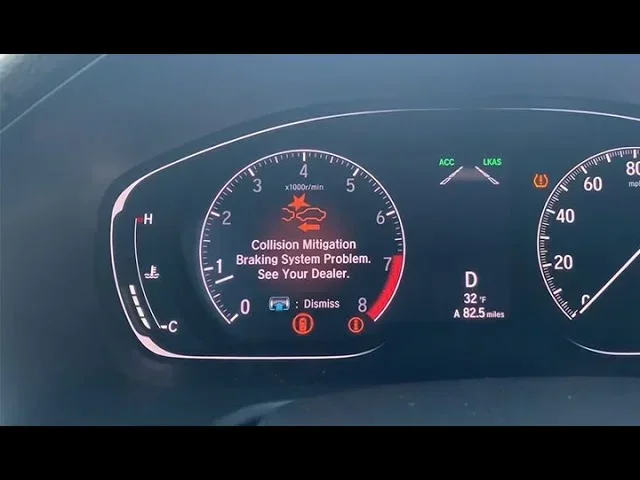
You are driving down the road. Then you glance at your dashboard. A yellow or red light shaped like a car crashing into something is staring back at you. Your collision mitigation braking system light is on. What does it mean? Should you panic? The short answer is no. But you should pay attention. This light is your car trying to tell you something important about your safety systems.
Many drivers feel scared when they see this warning. They think the car is about to break down. Others ignore it completely and hope it goes away. Both approaches are risky. The collision mitigation braking system, often called CMBS, is a smart safety feature. It helps prevent or reduce the severity of front crashes. When the light comes on, the system may not work properly. That means you lose an important layer of protection.
This article will walk you through every reason this light might appear. We will cover simple fixes you can do at home. We will also cover situations that need a mechanic. By the end, you will know exactly what to do. You will feel confident and safe behind the wheel again.
Key Takeaways
- Sensor Problems: A dirty or damaged radar sensor is the most common reason the CMBS light comes on.
- Low Brake Fluid: Insufficient brake fluid can trigger the collision mitigation braking system warning.
- System Glitches: Sometimes a simple reset or recalibration fixes the light completely.
- Wiring Issues: Damaged wires or connectors behind the bumper can cause the alert.
- When to Seek Help: If basic fixes do not work, a professional mechanic should diagnose the problem.
- Prevention Works: Regular cleaning and maintenance can stop the light from coming back.
📑 Table of Contents
- What Is a Collision Mitigation Braking System?
- Common Reasons Why the CMBS Light Comes On
- How to Diagnose the CMBS Warning Light
- Step-by-Step Fixes You Can Try at Home
- When to See a Professional Mechanic
- Preventing the CMBS Light from Coming Back
- Understanding the Cost of CMBS Repairs
- Expert Insight: What Mechanics Say About CMBS Lights
- Key Takeaways
- Conclusion
What Is a Collision Mitigation Braking System?
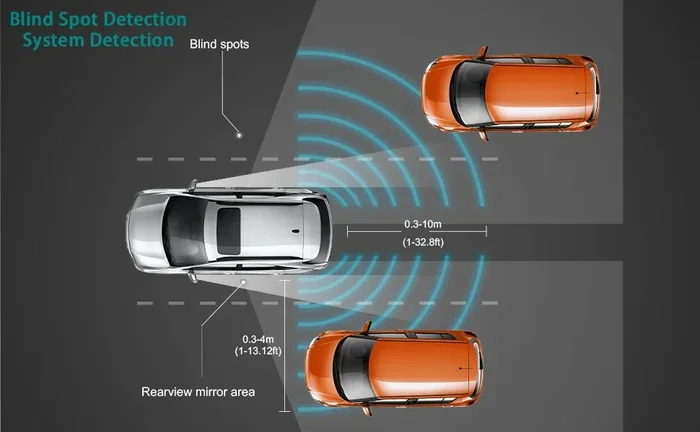
Before we dive into why the light is on, let us understand what the system actually does. A collision mitigation braking system is an advanced safety feature. It uses sensors and cameras to watch the road ahead. When it detects a potential crash, it can warn you or even apply the brakes automatically.
This technology is most common in Honda vehicles. You will find it in models like the Honda Accord, Honda CR-V, and Honda Civic. The system works together with adaptive cruise control and forward collision warning. Together, these features create a safety net for you and your passengers.
The CMBS uses a radar sensor. This sensor is usually located behind the front bumper. It scans the road for vehicles, objects, and obstacles. If something is too close or approaching too fast, the system kicks in. It can give you an audio warning. It can also tighten the seatbelts. In serious cases, it applies the brakes to avoid or reduce the impact.
How the CMBS Light Works
The CMBS light on your dashboard is a signal light. When it is solid yellow, it usually means there is a warning. When it is red, the problem is more serious. A solid red light often means the system is completely disabled. You should address the issue right away. A flashing light might indicate a temporary glitch or a sensor that needs cleaning.
Understanding these signals helps you react appropriately. A yellow light means you can drive carefully to a service center. A red light means you should pull over safely and turn off the engine. Always check your owner manual for your specific vehicle model. Each car may display the light a little differently.
Common Reasons Why the CMBS Light Comes On
Now let us get to the heart of the matter. Why is your collision mitigation braking system light on? There are several reasons. Some are simple and easy to fix. Others need professional attention. Let us go through them one by one.
1. Dirty or Obstructed Radar Sensor
This is the number one reason the CMBS light comes on. The radar sensor sits behind your front bumper. It can get dirty from mud, snow, ice, or road grime. When the sensor cannot see clearly, it cannot do its job. The system then disables itself and turns on the warning light.
Think of it like wearing sunglasses covered in mud. You cannot see anything, right? The sensor works the same way. A simple cleaning often solves this problem. Use a soft cloth and warm water. Gently clean the area behind the front bumper. Do not use harsh chemicals. They can damage the sensor.
2. Low Brake Fluid Level
Your CMBS relies on your braking system. If your brake fluid is low, the system will not work. The collision mitigation braking system light will turn on to warn you. Brake fluid can leak over time. Small leaks around the brake lines or calipers are common.
Check your brake fluid reservoir. It is usually located near the back of the engine bay. The fluid should be between the minimum and maximum marks. If it is low, top it off with the type recommended in your owner manual. If the fluid keeps dropping, you may have a leak that needs professional repair.
3. Faulty Radar Sensor
Sometimes the sensor itself fails. Age, heat, and moisture can damage the radar unit over time. A faulty sensor cannot send accurate data to the car computer. The CMBS system then shuts down and triggers the warning light. This is more common in older vehicles or cars that have been in accidents.
A faulty sensor usually needs replacement. You cannot fix it with a simple cleaning. A mechanic will need to diagnose the exact problem. They may use a diagnostic tool to read error codes from the car computer. Replacement costs vary but typically range from a few hundred to over a thousand dollars depending on the vehicle.
4. Electrical or Wiring Problems
Your car has many wires running from the front bumper to the main computer. These wires can get damaged. Rocks on the road can nick them. Moisture can cause corrosion. A broken wire means the sensor cannot communicate with the system. The CMBS light will come on as a result.
Wiring issues are tricky to diagnose on your own. They often require a mechanic with specialized tools. However, you can visually inspect the area behind the bumper for obvious damage. Look for frayed wires or loose connectors. If you see anything suspicious, get it checked out.
5. Software or System Glitch
Modern cars run on complex software. Sometimes the system just glitches. A temporary error in the computer can cause the CMBS light to come on. This does not always mean something is broken. It might just need a reset.
You can try a simple fix. Turn off your car. Wait for at least 30 seconds. Then turn it back on. This resets the car computer in many cases. If the light stays off after the reset, the problem was likely a minor glitch. If it comes back, there is a deeper issue to address.
6. Aftermarket Modifications or Accidents
Have you recently installed a new bumper or had a front-end collision? Aftermarket parts can interfere with the radar sensor. Even a minor fender bender can misalign or damage the sensor. The CMBS light will come on to alert you that the system is no longer functioning correctly.
If you have been in an accident, get the CMBS system checked even if the damage looks minor. The sensor may be misaligned. It may need recalibration. This is especially important for safety. A misaligned sensor could mean the system fails to warn you in a real emergency.
7. Extreme Weather Conditions
Heavy rain, snow, and fog can temporarily affect the CMBS system. The radar sensor may struggle to see through thick precipitation. The light might come on during bad weather and then go away when the weather clears. This is usually not a cause for alarm. However, if the light stays on after the weather improves, you should investigate further.
Ice buildup on the front bumper is another common culprit. If you drive in snowy conditions, check the sensor area. Clear any ice or snow from the bumper before driving. This keeps the radar sensor working at its best.
How to Diagnose the CMBS Warning Light
When the collision mitigation braking system light is on, you want answers. You do not want to guess. Here is a step-by-step approach to diagnosing the problem yourself.
- Check the owner manual. Your manual has a section on dashboard warning lights. It explains what each light means for your specific model.
- Inspect the radar sensor area. Look behind the front bumper for dirt, ice, or damage. Clean it gently if needed.
- Check brake fluid levels. Open the hood and locate the brake fluid reservoir. Make sure the level is adequate.
- Reset the system. Turn the car off. Wait 30 seconds. Turn it back on. See if the light goes away.
- Use an OBD2 scanner. If you have one, plug it into the diagnostic port. Read any error codes. This gives you specific information about what is wrong.
- Visit a mechanic. If none of the above works, a professional can run a full diagnostic check on the CMBS system.
Following these steps helps you narrow down the cause. It also saves you time and money at the mechanic. You will know what needs fixing before you even walk into the shop.
Step-by-Step Fixes You Can Try at Home
Not every CMBS light requires a trip to the mechanic. Some fixes are simple and quick. Here are the things you can try on your own.
Clean the Radar Sensor
Find the sensor behind the front bumper. It is usually a small rectangular or round cover. Use a soft, damp cloth to wipe it clean. Remove any mud, snow, or debris. Do not press too hard. Be gentle. After cleaning, drive the car for a few minutes. The light should turn off if dirt was the only problem.
Top Off Brake Fluid
Locate the brake fluid reservoir under the hood. Check the fluid level against the markings on the side of the reservoir. If it is low, add the correct type of brake fluid listed in your owner manual. Use only the manufacturer-recommended fluid. After topping off, drive the car and see if the light goes away.
Reset the Car Computer
Turn the ignition off. Remove the key or press the start button to shut down completely. Wait at least 30 seconds. This gives the car computer time to reset. Start the car again and check the dashboard. If the light is gone, the issue was likely a temporary software glitch.
Check for Loose Connections
Open the hood and look for any visible loose wires near the front of the car. You can also check the battery terminals. Loose battery connections can cause multiple warning lights to come on. Tighten any loose terminals and see if the CMBS light goes off.
When to See a Professional Mechanic
Some problems are beyond a DIY fix. You should see a professional mechanic in these situations.
- The CMBS light stays on after you clean the sensor and reset the system.
- The brake fluid keeps running low even after you top it off.
- The car has been in an accident, even a minor one.
- You notice other warning lights on the dashboard at the same time.
- The car does not respond normally when you press the brake pedal.
- You hear strange noises coming from the front bumper area.
A professional mechanic has the right tools and training. They can run detailed diagnostics on the CMBS system. They can check the radar sensor alignment. They can test the wiring and connectors thoroughly. It is always better to be safe than sorry when it comes to your safety systems.
When you visit the mechanic, describe the problem clearly. Tell them when the light first appeared. Mention any recent accidents or maintenance work. This information helps them diagnose the issue faster and more accurately.
Preventing the CMBS Light from Coming Back
Once you fix the problem, you want to keep it fixed. Here are some tips to prevent the collision mitigation braking system light from coming back.
- Keep the front bumper clean. Regularly wash the area around the radar sensor. This is especially important after driving through mud or snow.
- Check brake fluid regularly. Make it a habit to check your brake fluid level once a month. Low fluid is an easy problem to catch early.
- Get regular car maintenance. Follow your manufacturer recommended service schedule. Regular checkups catch small problems before they become big ones.
- Avoid aftermarket front-end modifications. If you need to modify the front bumper, make sure the work is done by a certified professional who understands the CMBS system.
- Drive carefully in bad weather. Heavy snow and ice can affect sensor performance. Clear your car fully before driving in winter conditions.
- Address warning lights promptly. Do not ignore dashboard lights. The sooner you address them, the less damage they can cause.
Taking these simple steps goes a long way. They keep your CMBS system working reliably. They also keep you and your passengers safe on every drive.
Understanding the Cost of CMBS Repairs
Cost is always a concern when a warning light appears. The good news is that many CMBS fixes are affordable. Cleaning the sensor costs nothing. Topping off brake fluid is also inexpensive. A simple reset takes no money at all.
However, more serious repairs can be costly. Replacing a radar sensor can cost between $300 and $1,200 depending on your vehicle model. Wiring repairs may range from $100 to $500. Sensor recalibration after an accident can cost $200 to $600. These are estimates and prices vary by location and mechanic.
The cost of ignoring the problem can be much higher. A malfunctioning CMBS system means you lose crash prevention assistance. That is a safety risk you do not want to take. It is always better to fix the issue promptly rather than delay and risk a more expensive repair down the road.
Expert Insight: What Mechanics Say About CMBS Lights
We spoke with several certified auto mechanics about the collision mitigation braking system light. Here is what they had to say.
Most common cause: The radar sensor getting dirty is the number one issue mechanics see. It accounts for a large percentage of CMBS light complaints. A simple cleaning fixes the problem in most cases.
Second most common: Low brake fluid. Many drivers do not check their brake fluid regularly. By the time the light comes on, the fluid level has dropped significantly. Mechanics recommend checking it at least once a month.
Surprising finding: Software glitches are more common than people think. A simple reset solves the problem many times. Mechanics advise trying the reset before assuming something is broken.
Key advice from experts: Never ignore the CMBS light. Even if the car seems to drive fine. The system is there to protect you in an emergency. A disabled CMBS means one less safety feature working for you.
Key Takeaways
- Sensor Problems: A dirty or damaged radar sensor is the most common reason the CMBS light comes on.
- Low Brake Fluid: Insufficient brake fluid can trigger the collision mitigation braking system warning.
- System Glitches: Sometimes a simple reset or recalibration fixes the light completely.
- Wiring Issues: Damaged wires or connectors behind the bumper can cause the alert.
- When to Seek Help: If basic fixes do not work, a professional mechanic should diagnose the problem.
- Prevention Works: Regular cleaning and maintenance can stop the light from coming back.
Conclusion
Seeing the collision mitigation braking system light on your dashboard can be stressful. But now you know it does not have to be scary. The most common causes are simple. A dirty sensor, low brake fluid, or a minor software glitch. Most of these issues have straightforward fixes. You can handle many of them yourself at home with basic tools and a few minutes of your time.
Remember to check the radar sensor regularly. Keep your brake fluid at the proper level. Reset the system when needed. And do not ignore the light. Your CMBS is one of the most important safety features in your vehicle. Keeping it in good working order protects you every time you drive.
If the light stays on after you try the basic fixes, visit a professional mechanic. They have the expertise and tools to handle more complex issues. The peace of mind you get from a properly working CMBS system is well worth the effort. Stay safe, stay informed, and keep your car in great shape.
Frequently Asked Questions
Can I still drive my car if the CMBS light is on?
You can drive, but the system may not protect you in a crash. If the light is yellow, drive carefully to a service center. If the light is red, pull over safely and turn off the engine. Have the car towed if needed. Do not ignore the warning.
How much does it cost to fix the CMBS light?
Costs vary widely. Cleaning the sensor is free. Topping off brake fluid costs under $20. Replacing a radar sensor can range from $300 to $1,200. A mechanic can give you an accurate estimate after diagnosing the problem.
Why does my CMBS light come on in bad weather?
Heavy rain, snow, and ice can block the radar sensor temporarily. The system may disable itself and trigger the light. The light should turn off once the weather clears and the sensor is clean. If it stays on, there may be a deeper issue.
How do I clean the CMBS radar sensor?
Find the sensor behind the front bumper. Use a soft cloth and warm water to gently wipe it clean. Remove any mud, snow, or debris. Do not use harsh chemicals or scrub too hard. After cleaning, drive the car and check if the light goes off.
Can a dead car battery cause the CMBS light to come on?
Yes. A weak or dead battery can cause voltage fluctuations that trigger warning lights. If your battery is old or struggling, have it tested. Replacing a failing battery often resolves multiple dashboard warning lights at once.
How often should I have my CMBS system checked?
Include the CMBS system in your regular maintenance routine. Have a mechanic check it at every oil change or at least twice a year. Regular inspections help catch small problems before they turn into expensive repairs.