What to Do When Your Car Overheats and How to Fix It
Knowing what to do when your car overheats can save you hundreds of dollars in repairs and keep you safe on the road. This guide walks you through the immediate steps to take, the common causes behind engine overheating, and simple prevention tips that every driver should know. Whether you are stuck on the highway or dealing with a recurring problem, you will find practical solutions here.
There is nothing more stressful than seeing steam billow from under your hood. Your heart races, your hands tighten on the steering wheel, and you wonder if your engine is about to fail. What to do when your car overheats is a question every driver should know the answer to, because it can happen to anyone, at any time, on any road.
Car overheating is more than just an inconvenience. It can lead to serious engine damage, costly repairs, and even dangerous situations if you are not prepared. The good news is that most overheating problems are manageable when you know the right steps to take. This guide will walk you through everything you need to know, from immediate emergency response to long-term prevention.
Whether you are a new driver or have been behind the wheel for years, understanding your vehicle’s cooling system is essential. You do not need to be a mechanic to handle an overheating situation. You just need the right information and a calm approach. Let us dive in and make sure you are fully prepared.
Key Takeaways
- Pull over safely and turn off the engine: This is the first and most important step when your car starts overheating.
- Never open the radiator cap while hot: Hot coolant can cause serious burns and injuries.
- Check for coolant leaks: A low coolant level is one of the most common reasons cars overheat.
- Know the warning signs: Steam from the hood, a rising temperature gauge, and unusual smells all signal trouble.
- Call for professional help when needed: Some overheating problems require a trained mechanic to diagnose and fix.
- Prevent future overheating: Regular maintenance of your cooling system can save you from unexpected breakdowns.
📑 Table of Contents
Recognizing the Signs of an Overheating Car
Spotting the early warning signs of an overheating car can make all the difference between a simple fix and a major engine repair. Most vehicles give you plenty of clues before things get serious. You just need to know what to look for.
Warning Lights and Temperature Gauges
Your dashboard is your first line of defense. The temperature gauge on your instrument panel shows your engine’s current heat level. When the needle starts climbing into the red zone, that is a clear signal something is wrong. Many modern cars also have an overheating warning light shaped like a thermometer or a temperature gauge icon.
Do not ignore these warnings. Some drivers tend to glance at their dashboard and then look away. That habit can be expensive. If you see the temperature gauge rising or a warning light flashing, take action immediately. Pull over safely and turn off the air conditioning to reduce the load on your engine.
Physical Signs Like Steam and Unusual Smells
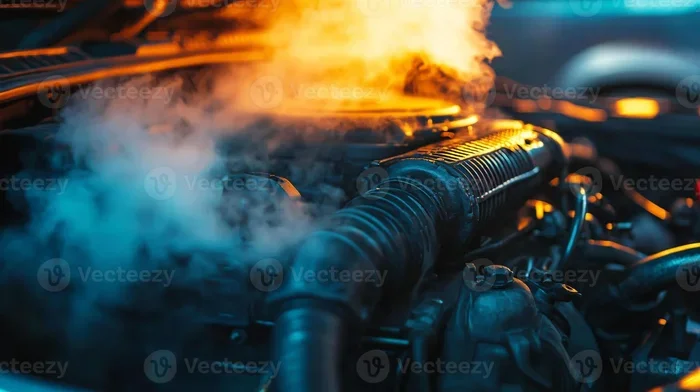
Steam or smoke rising from under your hood is one of the most obvious overheating car symptoms. This usually means coolant is leaking onto hot engine parts and turning to vapor. The smell can be sweet, almost like maple syrup, which comes from the coolant itself.
Another sign is a hot smell coming from the engine area. This might smell like burning rubber or hot metal. Both of these smells indicate that components are overheating and could be damaged. Trust your nose. If something smells wrong, it probably is.
Quick Tip: Keep a pair of sunglasses in your glove box. If steam starts coming from under the hood, protect your eyes before you open anything. This small habit can prevent painful burns.
What to Do When Your Car Overheats: Immediate Emergency Steps
When your car starts overheating, every second counts. Knowing the right steps can protect your engine and keep you safe. Here is exactly what you should do in an overheating emergency.
Step-by-Step Emergency Response
Follow this numbered sequence when your car starts to overheat:
- Turn off the air conditioning: This reduces the strain on your engine right away. Your AC system adds heat to the engine, so turning it off gives your cooling system a chance to catch up.
- Turn on the heater: This might feel uncomfortable, but blasting the heat helps pull hot air away from the engine. It acts as a secondary cooling method when your main system is struggling.
- Pull over safely: Find a flat, safe spot away from traffic. Turn on your hazard lights and come to a complete stop. Do not stop on a bridge or narrow road where you could be in danger.
- Turn off the engine: Let the engine idle for about 30 seconds before shutting it off completely. This allows the water pump and fan to keep circulating coolant for a short time after you kill the ignition.
- Open the hood carefully: Wait at least 15 to 20 minutes before opening the hood. Press the hood release and stand back. Steam from the hood can cause severe burns.
- Check the coolant level: Only open the radiator cap when the engine has cooled significantly. Use a towel or cloth to slowly turn the cap counterclockwise. Release it slowly to let pressure escape.
What NOT to Do During an Overheating Emergency
There are several things that can make an overheating situation much worse. Avoid these common mistakes at all costs.
- Do not open the radiator cap while the engine is hot. The pressurized coolant can spray out and cause serious burns to your face and hands.
- Do not pour cold water directly onto a hot engine. The sudden temperature change can crack the engine block and warp metal components, leading to overheating car damage that is far more expensive than the original problem.
- Do not keep driving. Continuing to drive an overheating car can cause the engine to seize, leading to a total replacement rather than a repair.
- Do not ignore the problem. Even if the temperature seems to drop after you pull over, the underlying issue is still there. It will likely return and get worse.
Common Mistakes: Many drivers make the mistake of immediately popping the hood and radiator cap. This is the most dangerous thing you can do. The pressurized, superheated coolant can cause third-degree burns in seconds. Always wait for the engine to cool down significantly first. If you are dealing with an emergency car overheating situation on a highway, turn on your hazard lights and call for roadside assistance if you feel unsafe.
Common Causes of Car Overheating
Understanding engine overheating causes helps you prevent future problems. Most overheating issues come down to a few common culprits within the cooling system. Let us break them down so you know what to watch for.
Low Coolant Levels and Coolant Leaks
Coolant, also called antifreeze, is the lifeblood of your car’s cooling system. It absorbs heat from the engine and carries it away through the radiator. When your coolant level drops too low, your engine cannot regulate its car engine temperature properly.
A coolant leak is often the reason levels drop. Leaks can occur in several places:
- Radiator hoses: These rubber hoses become brittle over time and can crack or develop holes.
- Radiator itself: Road debris can puncture the radiator, or corrosion can create small leaks.
- Water pump seals: A failing water pump seal allows coolant to seep out.
- Heater core: A leaking heater core can cause coolant to leak inside your car, often onto the passenger floor.
- Head gasket: A head gasket failure can allow coolant to enter the combustion chambers.
If you notice a puddle of green, orange, or pink fluid under your car after it has been parked, you likely have a coolant leak. Check your coolant temperature regularly and top off the reservoir as needed with the correct type of coolant for your vehicle.
Thermostat Failure
The thermostat is a small valve that regulates the flow of coolant through your engine. When the engine is cold, the thermostat stays closed to help the engine warm up quickly. When the engine reaches operating temperature, the thermostat opens to allow coolant to flow through the radiator.
A thermostat failure can lock the valve in the closed position. When this happens, coolant cannot reach the radiator to release heat. The engine overheats quickly, even on short drives. Thermostat replacement is usually inexpensive and straightforward, which makes it a common overheating car fix.
Water Pump Problems
The water pump is responsible for circulating coolant throughout the engine block and radiator. When the water pump fails, coolant stops moving, and heat builds up rapidly. Water pump problems can be caused by worn bearings, damaged impellers, or leaking seals.
Signs of a failing water pump include a grinding noise near the front of the engine, coolant leaks around the pump housing, and steam coming from the engine area. A cooling system repair that addresses the water pump early can prevent much more expensive damage down the road.
Radiator and Cooling Fan Issues
The radiator cools the hot coolant as it passes through its tubes. The cooling fan then draws air through the radiator to help dissipate heat. When either component fails, your engine can overheat, especially at low speeds or while idling.
Radiator hose deterioration is a common issue. The hoses can crack, swell, or collapse over time, restricting coolant flow. The cooling fan can fail due to a bad motor, faulty fuse, or broken relay. Both of these problems are manageable when caught early.
Below is a comparison table of common cooling system components, their typical problems, and estimated repair costs:
| Component | Common Problem | Symptom | Estimated Repair Cost |
|---|---|---|---|
| Coolant Hoses | Cracks, leaks, collapse | Coolant puddle, overheating | $30 – $100 |
| Thermostat | Stuck closed | Rapid overheating | $100 – $250 |
| Water Pump | Bearing failure, leak | Grinding noise, steam | $300 – $750 |
| Radiator Fan | Motor failure, relay issue | Overheating at idle | $150 – $400 |
| Head Gasket | Blowout or failure | White smoke, overheating | $1,000 – $2,500 |
Expert Insight: “The cost of cooling system maintenance is a tiny fraction of what you will pay for an engine replacement. A simple coolant flush every 30,000 miles can add years to your engine’s life.” – ASE Certified Automotive Technician
How to Diagnose the Root Cause of Overheating
Once the immediate emergency is handled, you need to figure out what caused the problem. Diagnosing the root cause helps you avoid the same issue in the future and saves money on unnecessary repairs.
Checking the Coolant System Yourself
You do not need to be a professional mechanic to perform some basic checks on your cooling system. Start with these simple steps:
- Check the coolant reservoir: Look at the side of the coolant overflow tank. The level should be between the minimum and maximum marks when the engine is cool.
- Inspect the hoses: Squeeze the radiator hoses gently (when the engine is cold). They should feel firm but flexible. If they feel hard, cracked, or spongy, they need to be replaced.
- Look for visible leaks: Check under your car for any puddles. Green, orange, or pink fluid indicates a coolant leak.
- Check the radiator cap: A worn radiator cap cannot hold the proper pressure in the system. These are inexpensive and easy to replace at any auto parts store.
- Test the cooling fan: Start your car and let it idle until it reaches normal operating temperature. The cooling fan should kick on automatically when the engine reaches a certain heat threshold.
If all of these checks come back normal but your car still overheats, it is time to visit a professional mechanic. Some issues, like internal head gasket failure or a cracked engine block, require specialized diagnostic equipment to identify.
When to See a Mechanic
Some overheating problems are beyond DIY fixes. You should see a mechanic if you experience any of the following:
- The temperature gauge reads hot even after adding coolant
- You see white smoke coming from the exhaust pipe
- Your coolant disappears frequently with no visible external leak
- The engine makes unusual knocking or pinging sounds
- You notice oil in the coolant or coolant in the oil
These symptoms often point to serious internal damage that requires professional diagnosis and repair. Ignoring them can lead to a complete engine failure and a bill that runs into thousands of dollars.
Preventing Future Overheating Problems
The best way to deal with an overheating car is to prevent it from happening in the first place. Regular maintenance and smart driving habits go a long way in keeping your engine at the right temperature. Car overheating prevention is much easier and cheaper than dealing with the aftermath.
Regular Maintenance Checklist
Follow this simple checklist to keep your cooling system in top shape year-round:
- Check coolant levels monthly: Make it a habit to glance at the coolant reservoir once a month. Top it off if needed with the correct type of coolant for your vehicle.
- Flush and replace coolant every 30,000 miles: Old coolant loses its effectiveness over time. Fresh coolant has better heat transfer properties and protects against corrosion.
- Inspect hoses and belts every oil change: Look for cracks, swelling, or soft spots in the hoses. Check that belts are tight and show no signs of fraying.
- Test the radiator cap annually: A radiator cap tester is inexpensive and can tell you if your cap is holding the correct system pressure.
- Keep the radiator clean: Remove bugs, debris, and dirt from the front of the radiator. A clogged radiator cannot exchange heat efficiently.
- Replace the thermostat every 100,000 miles: This is a cheap insurance policy against thermostat failure at an inconvenient time.
Driving Habits That Help Prevent Overheating
Your driving style can also impact how hard your engine works. Consider these tips for keeping your engine cool:
- Avoid heavy traffic when possible: Stop-and-go driving puts extra strain on the cooling system because there is not enough airflow through the radiator at low speeds.
- Use the heater on hot days: If your AC is struggling, turning on the heater can help draw excess heat away from the engine.
- Watch your load: Towing heavy loads or carrying excessive weight makes the engine work harder and generate more heat.
- Give your car time to warm up in winter: Letting the engine reach operating temperature before driving hard reduces thermal stress on all components.
Key Takeaways for Prevention: Think of your cooling system like your own body’s ability to regulate temperature. Just like you drink water and sweat to stay cool, your car needs the right fluids, working parts, and regular care to keep everything running smoothly.
Conclusion
Dealing with an overheating car can be scary, but it does not have to be overwhelming. When you know what to do when your car overheats, you can handle the situation with confidence and protect your engine from serious damage. Remember to pull over safely, turn off the engine, and never open a hot radiator cap.
Understanding the common causes of overheating, from low coolant to thermostat failure and water pump problems, empowers you to take action before small problems become big expenses. Regular maintenance of your cooling system is the single best investment you can make in the long-term health of your vehicle.
Keep this guide saved on your phone or printed in your glove box. You never know when you might need it. Stay calm, follow the steps, and you will get back on the road safely. Your car depends on you to take care of it, and now you have the knowledge to do just that.
Frequently Asked Questions
Can I keep driving my car if it starts to overheat?
No, you should never keep driving an overheating car. Continuing to drive can cause the engine to seize, warp the cylinder head, or crack the engine block. Pull over safely, turn off the engine, and let it cool down before taking any further action.
How long should I wait before opening the hood of an overheated car?
Wait at least 15 to 20 minutes before opening the hood. The engine and coolant system are under extreme pressure and heat, and opening the hood too soon can result in burns from hot steam and coolant spray.
What should I put in my car if it overheats and I have no coolant?
If you have no coolant available, you can add clean water to the radiator as a temporary measure. Water will help cool the engine short-term, but you should get the system flushed and refilled with proper coolant as soon as possible. Water does not have the same anti-corrosion and heat protection properties as coolant.
How much does it cost to fix an overheating car?
The cost varies widely depending on the cause. A simple coolant top-off or thermostat replacement might cost between $100 and $250. More serious issues like a water pump or head gasket failure can range from $300 to $2,500 or more. Regular maintenance is the best way to avoid expensive repairs.
Can low oil cause a car to overheat?
Yes, low engine oil can contribute to overheating. Oil lubricates engine parts and helps carry away heat. When oil levels are too low, friction increases and heat builds up faster than the cooling system can handle. Always check your oil level regularly along with your coolant.
Is it safe to drive after the car has cooled down from overheating?
It is not recommended to drive far after an overheating episode, even once the engine has cooled. The underlying problem that caused the overheating is still present. Have a mechanic inspect the cooling system before driving long distances again to prevent further damage.