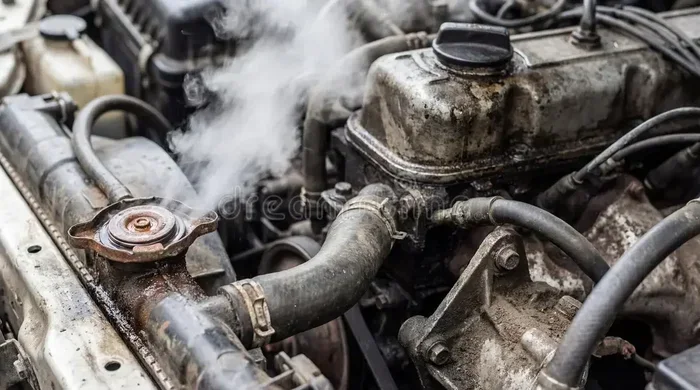
Why Is My Car Overheating Common Causes and Warning Signs
Your car overheats when the cooling system fails to regulate engine temperature properly. Common causes include low coolant, a broken thermostat, a faulty water pump, or a leaking radiator hose. Recognizing early warning signs like steam from the hood or a rising temperature gauge can save you from expensive engine damage. In this guide, we break down every cause, symptom, and fix in simple, actionable terms.
There are few things more alarming than seeing steam curl up from under your car hood. Your heart races. You pull over. And you wonder, “Why is my car overheating?”
The truth is, engine overheating is one of the most common car problems drivers face. It can strike anyone, anywhere, at any time. Whether you are stuck in summer traffic or climbing a steep hill on a road trip, an overheating engine can turn a good day into a stressful one.
But here is the good news. Most overheating issues are preventable. And when they do happen, many causes are easy to fix if you catch them early. This guide walks you through every common cause, every warning sign, and every practical fix. By the end, you will know exactly what to do when your car starts running hot.
Key Takeaways
- Low coolant is the #1 culprit: Even a small drop in coolant level can cause your engine to overheat quickly.
- Warning signs are easy to spot: Steam, a hot hood, a rising temperature gauge, and strange smells all point to overheating.
- DIY fixes exist for simple issues: Topping off coolant or replacing a radiator hose are jobs most car owners can handle.
- Some problems need a mechanic: Water pump failure, head gasket leaks, and thermostat issues require professional diagnosis.
- Prevention saves money: Regular cooling system flushes and coolant checks keep your engine running cool for years.
- Never ignore the temperature gauge: Driving with an overheating engine can lead to catastrophic and costly damage.
- Summer heat makes it worse: Hot weather puts extra strain on your cooling system, so stay extra vigilant in warm months.
📑 Table of Contents
- What Happens When Your Car Overheats
- Common Causes of Car Overheating
- Warning Signs Your Car Is Overheating
- How to Diagnose the Problem
- How to Fix an Overheating Car
- How to Prevent Your Car From Overheating
- Quick Tips for When Your Car Overheats on the Road
- Common Mistakes Drivers Make When Their Car Overheats
- Expert Insights on Car Overheating
- Comparison Table: Common Overheating Causes
- Conclusion
What Happens When Your Car Overheats
Your engine runs hot. Really hot. It operates best at around 195 to 220 degrees Fahrenheit. The cooling system keeps it in that safe range. When something goes wrong, temperatures can spike past 230 degrees and higher.
At those temperatures, metal parts start to expand. Gaskets warp. Seals crack. And in the worst cases, your engine block can actually crack. That is a repair that can cost thousands of dollars. Sometimes it means a full engine replacement.
The Role of Your Cooling System
Your cooling system is a network of parts working together. Coolant (also called antifreeze) flows through engine passages and absorbs heat. It then travels to the radiator, where air cools it down. The water pump pushes the coolant through the system. The thermostat regulates the flow based on temperature.
When any one of these parts fails, the whole system suffers. Heat builds up. Your engine suffers. Understanding this basic setup helps you make sense of why things go wrong.
Common Causes of Car Overheating
There is no single reason a car overheats. In most cases, it is a combination of factors or one specific failure point. Let us break down the most common engine overheating causes you will encounter.
Low Coolant Levels
This is the number one reason cars overheat. Coolant leaks happen over time. A tiny crack in a hose, a loose radiator cap, or a worn gasket can all let coolant escape. When the level drops too low, there is not enough fluid to absorb and carry away heat.
Check your coolant reservoir regularly. If the level is below the minimum line, top it off. But also look for the source of the leak. Simply refilling without fixing the leak is a temporary band-aid.
Thermostat Failure
Your thermostat is a small valve that opens and closes to regulate coolant flow. When the engine is cold, it stays closed to help the engine warm up faster. When it gets hot, it opens to let coolant flow through the radiator.
If the thermostat gets stuck closed, coolant cannot reach the radiator. Heat builds up fast. Thermostat failure is very common in older vehicles and is a relatively inexpensive repair.
Water Pump Problems
The water pump is the heart of your cooling system. It circulates coolant through the engine and radiator. When the pump fails, coolant stops moving. Heat has nowhere to go.
Water pump failures often happen because of a worn-out seal or a broken impeller. You might hear a whining noise from the front of the engine. In some cases, you will see coolant leaking from the pump itself. This repair requires a mechanic in most cases.
Radiator Issues
Your radiator does the heavy lifting of cooling the hot coolant. But radiators can develop problems too. Internal clogs prevent proper coolant flow. External debris like dirt and bugs can block airflow through the fins.
A damaged radiator cap can also cause issues. The cap maintains pressure in the system, which raises the boiling point of the coolant. A weak cap means the coolant boils at a lower temperature and turns to steam too early.
Radiator Fan Malfunction
The radiator fan pulls air through the radiator when you are sitting still or moving slowly. Without it, your car can overheat in traffic or at idle.
Fan problems can come from a faulty fan motor, a bad fan relay, or a blown fuse. In some vehicles, the fan is controlled by a temperature sensor. If that sensor fails, the fan may never turn on. This is a common cause of overheating in stop-and-go traffic.
Head Gasket Failure
A head gasket sits between the engine block and the cylinder head. It seals the combustion chambers and keeps coolant and oil in their proper channels. When a head gasket blows, coolant can leak into the cylinders or combustion chambers.
Signs of a blown head gasket include white smoke from the exhaust, a milky residue under the oil cap, and persistent overheating even after adding coolant. This is a serious and expensive repair. If you suspect a head gasket issue, get to a mechanic right away.
Coolant Hose Leaks
The rubber hoses that carry coolant are exposed to extreme heat and pressure every time you drive. Over time, they crack, swell, and develop pinhole leaks. A cracked radiator hose can dump most of your coolant onto the ground in minutes.
Inspect your hoses regularly. Look for soft spots, cracks, or coolant stains around the connections. Replacing a hose is cheap and easy. It is one of the best overheating car prevention steps you can take.
Blocked Cooling System
Old coolant can turn into a sludge that clogs passages in the engine and radiator. This restricts flow and prevents proper heat transfer. A cooling system flush removes this buildup and restores proper flow.
Most manufacturers recommend flushing the cooling system every 30,000 to 50,000 miles. Check your owner’s manual for the specific interval for your vehicle. If you have not flushed your system in a long time, this could be the hidden cause of your overheating.
Warning Signs Your Car Is Overheating
Catching the signs of an overheating car early can save you from a major repair bill. Your car gives you plenty of warning. You just need to know what to look for.
The Temperature Gauge
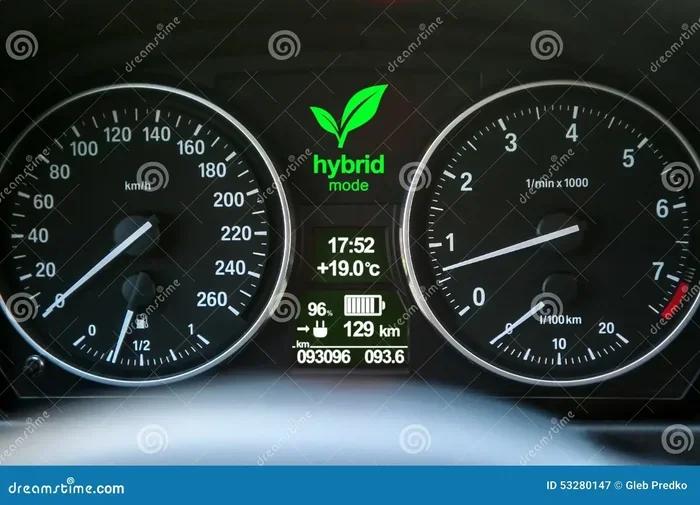
Your dashboard temperature gauge is your first line of defense. It shows the current engine temperature at all times. Most gauges have a normal range in the middle. When the needle starts climbing toward the red zone, pay attention.
Do not ignore a gauge that creeps upward. Many drivers see the needle rise and keep driving, hoping it will come back down. That is the worst thing you can do.
Steam or Smoke From the Hood
If you see steam or smoke coming from under your hood, pull over immediately. This usually means coolant has leaked onto a hot engine component and is boiling off. It is one of the most obvious overheating car symptoms.
Do not open the hood right away. Hot steam can cause severe burns. Let the engine cool for at least 15 to 20 minutes before you pop the hood. Then approach carefully.
Unusual Smells
Your nose can tell you a lot about what is going on under the hood. A sweet, syrupy smell usually means coolant is leaking and hitting hot surfaces. A burning or rubbery smell could indicate a slipping belt or an overheating component.
Trust your instincts. If something smells wrong, it probably is. Pull over and investigate.
Loss of Power or Strange Sounds
An overheating engine may run rough, lose power, or make knocking or pinging sounds. These noises happen because the fuel mixture ignites incorrectly due to excessive heat. This is called detonation, and it can damage pistons and bearings over time.
If your engine starts sounding different while the temperature gauge rises, do not keep driving. Shut it off and let it cool.
Coolant Puddles Under the Car
Finding a puddle of colorful fluid under your parked car is a clear sign of a coolant leak. Coolant is usually green, orange, or pink and has a slightly slippery feel. A small puddle can become a big problem quickly if the leak continues.
If you notice a puddle, check your coolant level before you drive again. Top it off if needed, and get the leak repaired as soon as possible.
How to Diagnose the Problem
When your car is overheating, figuring out the cause is the first step to fixing it. You do not need to be a mechanic to do some basic detective work.
Step 1: Check the Coolant Level
With the engine cool, open the coolant reservoir and look at the level. If it is low, that is your first clue. But low coolant is a symptom, not the root cause. Something is leaking. You need to find where.
Look under the car for puddles. Check around hoses and connections. Inspect the radiator cap for cracks. Sometimes the leak is obvious, and sometimes it takes a closer look.
Step 2: Inspect the Radiator Fan
Start the engine and let it idle until it reaches normal operating temperature. Watch the radiator fan. It should kick on when the temperature rises. If it does not, the fan motor, relay, or sensor may be faulty.
This test is simple and can save you a trip to the mechanic for a fan-related issue.
Step 3: Feel the Upper Radiator Hose
With the engine warm (but not hot), feel the upper radiator hose. It should be hot and firm. If it is cool and soft, the thermostat may be stuck closed and not allowing coolant to flow to the radiator.
If the hose is hot but the lower hose stays cool, there may be a blockage in the radiator or a failed thermostat that is not opening properly.
Step 4: Look for External Leaks
Walk around the car and look for wet spots, stains, or dripping coolant. Focus on the radiator, hoses, water pump, and heater core connections. Even a small drip tells you something is wrong.
Use a flashlight if needed. Some leaks are tiny and hard to see at first glance.
How to Fix an Overheating Car
Once you know the cause, fixing the problem becomes much easier. Some repairs you can do yourself. Others need a professional.
Quick Fixes You Can Do at Home
- Top off the coolant: If the level is low, add the right type of coolant or a 50/50 mix of coolant and distilled water.
- Replace a radiator hose: If you find a cracked hose, clamp off the leak and replace the hose. It costs under $20 and takes about 30 minutes.
- Tighten or replace the radiator cap: A faulty cap is cheap and easy to swap out.
- Flush the cooling system: If the coolant looks dirty or sludgy, a flush can clear out blockages and restore proper flow.
- Replace the thermostat: This is a simple part swap that costs between $15 and $50 for the part alone.
Repairs That Need a Mechanic
- Water pump replacement: This involves removing the belt and pump assembly. It requires tools and mechanical knowledge.
- Radiator repair or replacement: A damaged radiator may need professional soldering or full replacement.
- Head gasket replacement: This is one of the most labor-intensive engine repairs. It requires removing the cylinder head.
- Cooling system flush and refill: While some DIYers handle this, a mechanic can do it thoroughly with the right equipment.
Overheating Car Repair Cost
The cost to fix an overheating car varies widely depending on the cause. A thermostat replacement might cost $100 to $200 total. A water pump repair could run $300 to $700. A head gasket job can easily exceed $1,000 to $2,000. A radiator replacement typically falls between $300 and $900.
The key takeaway is this. The longer you ignore an overheating problem, the more expensive the repair becomes. A $50 thermostat fix today prevents a $2,000 engine replacement tomorrow.
How to Prevent Your Car From Overheating
Prevention is always better than repair. A few simple habits can keep your cooling system in great shape and prevent overheating before it starts.
Check Coolant Levels Monthly
Make it a habit to check your coolant level once a month. It takes less than two minutes and can catch a small leak before it becomes a big problem. Do this when the engine is cool to avoid burns.
Flush the Cooling System on Schedule
Old coolant loses its effectiveness over time. It becomes acidic and can corrode metal parts inside the cooling system. Follow your manufacturer’s recommended flush interval. If you are unsure, a good rule of thumb is every 30,000 miles.
Inspect Hoses and Belts Regularly
Look at your coolant hoses and serpentine belts every few months. Replace any that show cracks, swelling, or wear. A belt that slips can cause the water pump and fan to underperform.
Keep the Radiator Clean
Debris like leaves, bugs, and dirt can block airflow through the radiator. Periodically hose down the front of the radiator to keep it clear. This is especially important if you drive on gravel roads or in dusty conditions.
Monitor Your Temperature Gauge While Driving
Make a habit of glancing at your temperature gauge during your drive. If it starts climbing, take action early. Pull over safely, turn off the air conditioning, and turn the heat to maximum. This helps draw heat away from the engine while you find a safe place to stop.
Use the Right Coolant
Not all coolants are the same. Using the wrong type can cause corrosion and reduce cooling efficiency. Check your owner’s manual for the recommended coolant type for your vehicle. When in doubt, use a universal coolant that is compatible with most systems.
Quick Tips for When Your Car Overheats on the Road
Sometimes overheating happens at the worst possible moment. Here is what to do when it happens to you.
- Turn off the air conditioning: The A/C puts extra load on the engine. Turning it off reduces heat immediately.
- Turn on the heater: This sounds counterintuitive, but the heater core acts as a secondary radiator and pulls heat out of the engine.
- Pull over safely: Find a safe spot to stop. Do not keep driving if the temperature gauge is in the red.
- Turn off the engine: Let the engine cool down for at least 15 minutes.
- Do not open the radiator cap right away: The system is under pressure. Opening it too soon can cause hot coolant to spray out and burn you.
- Call for help if needed: If you cannot identify or fix the problem, call a tow truck. Driving a severely overheating engine can destroy it completely.
Common Mistakes Drivers Make When Their Car Overheats
When panic sets in, drivers often make mistakes that make things worse. Here are the most common ones to avoid.
- Ignoring the temperature gauge: Many drivers see the needle rise and keep going. This is how engines get destroyed.
- Adding cold water to a hot engine: Pouring cold water into an overheated engine can cause the block to crack due to sudden temperature changes.
- Continuing to drive after the gauge hits red: Even a few more minutes of driving at high temperature can warp engine components.
- Topping off coolant without finding the leak: This just masks the problem. The leak will continue and the engine will overheat again.
- Using the wrong type of coolant: Mixing incompatible coolants can create a gel-like substance that clogs the cooling system.
Expert Insights on Car Overheating
We asked experienced mechanics about the most overlooked causes of overheating. Here is what they had to say.
“Most drivers check the coolant but forget about the radiator cap,” says a veteran auto technician with over 20 years of experience. “A weak cap cannot hold proper pressure, and that drops the boiling point of the coolant. It is a five-dollar part that causes hundreds of dollars in damage.”
Another mechanic adds, “People often overlook the importance of airflow. If your car sits low to the ground, the front bumper can block air from reaching the radiator. This is especially common after front-end collisions or when aftermarket body kits are installed.”
These insights highlight something important. Overheating is not always about the big parts. Sometimes it is the small, overlooked details that cause the biggest problems.
Comparison Table: Common Overheating Causes
| Cause | Severity | DIY Fixable? | Typical Repair Cost |
|---|---|---|---|
| Low Coolant | Low to Medium | Yes | Free to $20 |
| Thermostat Failure | Medium | Yes | $100 to $200 |
| Radiator Hose Leak | Medium | Yes | $15 to $50 |
| Radiator Fan Failure | Medium to High | Sometimes | $100 to $400 |
| Water Pump Failure | High | No | $300 to $700 |
| Head Gasket Failure | Very High | No | $1,000 to $2,000+ |
| Radiator Blockage | Medium to High | Sometimes | $100 to $500 |
This table gives you a quick reference for understanding how serious each cause is and whether you can handle it yourself. Use it as a starting point when diagnosing your overheating problem.
Conclusion
Why is my car overheating? The answer usually comes down to one part of the cooling system failing to do its job. Whether it is low coolant, a stuck thermostat, a broken water pump, or a blown head gasket, the result is the same. Heat builds up, and your engine suffers.
The good news is that most overheating problems are fixable. And many are preventable with simple maintenance. Check your coolant regularly. Inspect your hoses and belts. Flush your cooling system on schedule. Pay attention to your temperature gauge.
Do not wait until steam is pouring from under your hood to take action. Your cooling system works hard every time you drive. Give it the attention it deserves, and it will keep your engine running cool for miles and miles to come.
Remember, a few minutes of prevention today can save you thousands of dollars in repairs tomorrow. Your car depends on you to keep it in good shape. And now you have the knowledge to do just that.
Frequently Asked Questions
Can I keep driving if my car is overheating?
No. Driving an overheating car can cause permanent engine damage. Pull over safely, turn off the engine, and let it cool down. Continuing to drive risks cracking the engine block or warping critical components. Call for roadside assistance if you cannot fix the problem on the spot.
How much does it cost to fix an overheating car?
The cost depends entirely on the cause. Simple fixes like topping off coolant or replacing a thermostat cost under $200. More serious repairs like a water pump or head gasket can range from $300 to $2,000 or more. Getting an early diagnosis saves you money in the long run.
What should I do if I see steam coming from my hood?
Pull over immediately and turn off the engine. Do not open the hood right away. Wait at least 15 to 20 minutes for the engine to cool. Then carefully check the coolant level and look for visible leaks. If you cannot identify the problem, call a tow truck.
How often should I flush my cooling system?
Most manufacturers recommend flushing the cooling system every 30,000 to 50,000 miles. Check your owner’s manual for the specific interval. If you are unsure or your car has high mileage, a flush is a smart preventive step that costs very little.
Can low oil cause a car to overheat?
Yes, in a way. Oil lubricates engine parts and helps carry away heat. When oil levels are too low, friction increases, and heat builds up. While low oil is not the most common cause of overheating, it can contribute to the problem, especially in engines that are already running hot.
Is it safe to add coolant while the engine is hot?
No. Adding coolant to a hot engine is dangerous. The system is under pressure, and opening it can cause hot coolant to spray out and cause burns. Always let the engine cool down completely before checking or adding coolant.