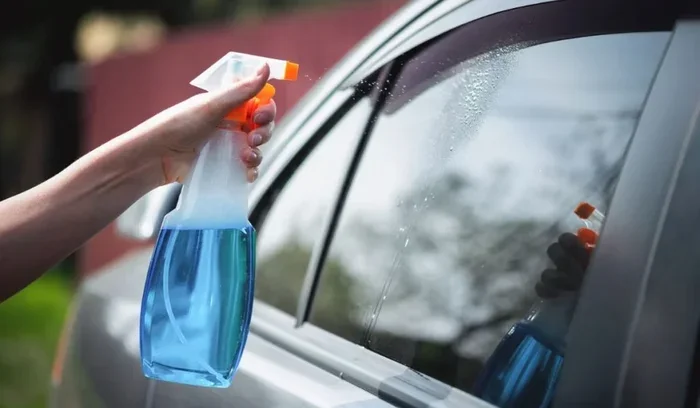
How to Remove Salt Stains From Car Glass Without Damage
Learning how to remove salt stains from car glass without damage is essential for every driver who faces winter roads. Salt residue from deicing can etch and dull your windshield over time, but the right approach makes all the difference. This guide covers safe, proven methods using household items and professional-grade products that protect your glass. You will learn step-by-step cleaning techniques, prevention strategies, and common mistakes to avoid for crystal-clear visibility all season long.
Winter driving comes with its own set of challenges, and one of the most frustrating is dealing with salt residue on your car glass. Every winter, road crews spread salt and sand on highways and streets to melt ice and improve traction. This salt, along with dirt, grime, and road chemicals, gets kicked up by your tires and settles on every surface of your car, including the glass. If you have been wondering how to remove salt stains from car glass without damage, you are in the right place.
Salt stains are more than just a cosmetic problem. Over time, they can eat into the glass surface and cause clear coat damage on surrounding paint, leading to permanent etching and reduced visibility. The key is to act quickly and use the right approach. Harsh scrubbing or aggressive chemicals will only make things worse. In this article, we will walk you through safe, proven methods to clean your car glass effectively. We will also share winter car care tips on prevention so you can protect your vehicle all winter long.
Whether you are a seasoned winter driver or new to cold-weather car care, this guide will give you everything you need. From simple homemade solutions to professional-grade products, there is a method here for everyone. Let us get started and bring back the clarity of your car glass.
Key Takeaways
- Act Fast: The sooner you address salt stains, the easier they are to remove and the less damage they cause to your car glass.
- Use Gentle Methods: Avoid harsh chemicals and abrasive tools that can scratch or damage your car glass surface.
- Prevention Is Key: Applying protective coatings and washing your car regularly can prevent salt buildup before it starts.
- Household Items Work: Vinegar, baking soda, and distilled water are effective and affordable solutions for most salt stains.
- Dry Properly: Always dry your glass with a clean microfiber cloth to prevent water spots and further residue buildup.
- Seek Help When Needed: Deep or permanent stains may require professional detailing to restore clarity safely.
📑 Table of Contents
Why Salt Stains Appear on Car Glass
Understanding why salt stains form is the first step toward preventing and removing them effectively. When winter storms hit, cities and towns spread salt on roads to melt ice and improve safety. This salt, along with dirt, grime, and other road chemicals, gets kicked up by your tires and settles on every surface of your car, including the glass. This winter driving residue builds up over time and creates stubborn white marks that seem impossible to get rid of.
How Winter Roads Affect Your Car Glass
Every time you drive on salted roads, a thin layer of salt spray coats your car glass. Unlike dirt that you can easily wipe away, salt bonds to the surface and creates a chalky white residue. This residue builds up over days and weeks, especially if you do not wash your car regularly during the winter months.
The problem gets worse when the salt mixes with moisture. Each time your car goes through a puddle or gets hit by rain, the salt dissolves slightly and seeps into the tiny pores of the glass. When the water evaporates, it leaves behind concentrated salt deposits that are much harder to remove than fresh salt spray. This is why deicing salt damage is such a common concern for car owners in cold climates.
The Science Behind Salt Corrosion on Glass
Salt is hygroscopic, meaning it attracts and holds moisture. When salt sits on your car glass, it pulls moisture from the air and keeps the surface damp. This constant cycle of wetting and drying causes salt crystals to grow and embed deeper into the glass surface. Over time, this process leads to salt corrosion on glass that dulls the finish and creates permanent marks.
For car glass cleaning enthusiasts, this is why timing matters so much. The longer salt sits on your glass, the deeper it penetrates and the harder it becomes to remove without causing damage. This is why winter car care tips always emphasize regular washing during the cold months. Catching salt buildup early makes the entire cleaning process much easier and safer for your glass.
Tools and Products You Will Need
Before you start cleaning, gather the right supplies. Using the wrong tools can scratch your glass or leave behind new residue. Having everything ready will make the process faster and more effective.
Essential Supplies for Safe Cleaning
Here is a list of what you will need for DIY car glass cleaning:
- Distilled water – Tap water contains minerals that can create new water spots on your glass.
- White vinegar – A natural acid that breaks down salt deposits without harming the glass.
- Baking soda – A gentle abrasive that helps lift stubborn stains from the surface.
- Microfiber cloth for glass – These are soft and non-abrasive, making them perfect for drying and polishing car glass.
- Spray bottle – For mixing and applying your cleaning solution evenly.
- Automotive glass cleaner – A dedicated product designed for car windows and windshields.
- Clay bar for glass – This tool lifts embedded contaminants from the glass surface without scratching.
What to Avoid When Cleaning Car Glass
Not all cleaning products are safe for car glass. Using the wrong ones can cause more harm than good. Here are some things to avoid:
- Household glass cleaners with ammonia – These can damage tint films and leave streaks on automotive glass.
- Abrasive sponges or steel wool – These will scratch the glass surface and create micro-scratches that catch light.
- Paper towels – They are too rough and can leave lint behind. Always use a microfiber cloth for glass instead.
- Hot water – Sudden temperature changes can cause glass to crack, especially in freezing weather.
Comparison of Cleaning Methods
| Cleaning Method | Effectiveness | Safety for Glass | Cost |
|---|---|---|---|
| Vinegar and Water Solution | High for light to moderate stains | Very Safe | Low |
| Baking Soda Paste | High for stubborn stains | Safe with Gentle Application | Low |
| Commercial Automotive Glass Cleaner | High for routine cleaning | Very Safe | Medium |
| Clay Bar Treatment | Very High for embedded residue | Safe When Used Correctly | Medium |
| Professional Detailing Service | Very High for severe staining | Very Safe | High |
This table shows how different methods compare in terms of effectiveness, safety, and cost. For most drivers, a combination of a vinegar solution and a clay bar treatment will handle salt stains effectively without breaking the bank.
Step-by-Step Guide to Remove Salt Stains
Now that you have your supplies ready, it is time to start cleaning. Follow these steps carefully for the best results. This process works for all car glass surfaces, including the windshield, side windows, and rear window.
Pre-Rinse and Initial Cleaning
Start by rinsing your car glass with cool water. This removes loose salt, dirt, and debris that could scratch the surface during cleaning. Use a gentle stream of water and avoid high-pressure washers directly on the glass edges, as extreme pressure can cause stress cracks.
Next, mix a simple cleaning solution. Combine one part white vinegar with three parts distilled water in your spray bottle. Shake it gently to blend. This vinegar solution for glass is one of the most effective and safest ways to break down salt deposits naturally. Spray the solution generously onto the affected glass and let it sit for about three to five minutes. This gives the vinegar time to dissolve the salt crystals. You will often see the white residue start to loosen and fade during this time.
Applying the Cleaning Solution and Scrubbing
After the solution has had time to work, take a clean microfiber cloth and gently wipe the glass in circular motions. Do not press too hard. Let the cloth do the work. For stubborn stains that do not come off easily, make a paste of baking soda and a small amount of distilled water. Apply this paste to the stain and rub very gently with a damp microfiber cloth.
If the stains are deep or widespread, consider using a clay bar for glass. Spray a lubricant like the clay bar solution or a mix of water and vinegar onto the glass, then glide the clay bar across the surface. The clay picks up embedded salt particles and contaminants without scratching the glass. This is one of the best ways to remove road salt from glass effectively and safely.
Final Rinse and Drying
Once you have removed the stains, rinse the glass thoroughly with cool distilled water. This washes away any remaining vinegar, baking soda, or loosened salt particles. Dry the glass immediately with a fresh, clean microfiber cloth. Drying promptly prevents new water spots on car windows, which is a common issue after cleaning. For an extra-clear finish, spray a dedicated automotive glass cleaner onto the glass and wipe it down with a dry microfiber cloth. This removes any remaining film and leaves the glass streak-free and crystal clear.
Quick Tips for Best Results:
- Always work in the shade. Cleaning glass in direct sunlight causes the solution to dry too quickly and leaves streaks.
- Use separate cloths for washing and drying to avoid re-depositing salt onto the glass.
- Clean your glass every three to five days during heavy winter salt use for the best results.
- Keep a dedicated set of microfiber cloths for your car glass. Never use the same cloth for your paint or interior.
- Keep an emergency cleaning kit in your trunk with a spray bottle, microfiber cloth, and small container of vinegar solution for quick touch-ups.
Preventing Salt Stains in the Future
Removal is important, but prevention is even better. Taking a few simple steps before winter hits can save you hours of cleaning time and protect your car glass from long-term damage.
Protective Coatings and Sealants
One of the best ways to protect your car glass is by applying a protective coating for car windows. These products create a hydrophobic barrier that causes water and salt to bead up and roll off the glass rather than sticking to it. Glass sealant products are easy to apply and last for several weeks. Simply clean your glass thoroughly, apply a thin layer of sealant with a microfiber cloth, and buff it off after it dries.
You can also use paint protection film on the front windshield and side windows for an extra layer of defense against road salt and debris. This clear film acts as a shield, absorbing the impact of salt particles and preventing them from bonding with the glass surface. It is one of the most effective long-term solutions for drivers who face harsh winter conditions regularly.
Winter Driving Habits That Help
Your driving habits play a big role in how much salt ends up on your glass. Here are some habits that make a real difference:
- Keep a safe distance from salt trucks and other vehicles that spray salt water.
- Wash your car regularly during winter, ideally once a week. Focus on the glass and undercarriage.
- Use a car cover when parking outdoors overnight to shield the glass from overnight salt spray and frost.
- Clean your car after every snowstorm to remove fresh salt before it has time to bond with the glass surface.
- Apply protective wax for windows at the start of winter and reapply every few weeks for continuous protection.
These simple habits, combined with a good protective coating for car windows, can dramatically reduce salt buildup and keep your car looking great all winter.
When to Seek Professional Help
Most salt stains can be removed at home with the methods described above. However, some situations call for professional attention. Knowing when to seek help can save you from making the problem worse and causing additional damage.
Signs of Permanent Damage
Watch for these signs that your glass may need professional treatment:
- Cloudy or hazy patches that do not improve after repeated cleaning attempts. This could indicate deep etching in the glass surface from prolonged salt exposure.
- Scratches that catch light when you run your fingernail across the glass. These may have been caused by abrasive salt particles or improper cleaning tools.
- Tint bubbling or peeling around the edges of your windows. Salt residue can degrade adhesive and tint quality over time, requiring professional repair.
- Reduced visibility at night due to light scattering from surface damage. This is a safety concern that should be addressed promptly.
If you notice any of these signs, a professional detailer or auto glass specialist can assess the damage and recommend the right treatment. In some cases, a glass polish for cars can restore clarity to mildly etched surfaces. For more severe damage, a professional windshield maintenance service may be necessary to fully restore your glass to its original condition.
Expert Insight: Professional detailers recommend cleaning your car glass at least twice a week during winter months. They also suggest applying a fresh coat of glass sealant at the start of the season and again midway through. This consistent approach prevents salt from bonding to the glass in the first place and makes each cleaning session quick and easy.
Common Mistakes and Expert Tips
Even with the best intentions, it is easy to make mistakes when cleaning car glass. Here are some expert insights to help you get the best results every time.
Common Mistakes to Avoid
- Using hot water to melt ice and salt. The sudden temperature change can cause the glass to crack or shatter, especially in older vehicles or those with existing chips. Always use cool or lukewarm water.
- Scrubbing too aggressively. Heavy pressure does not remove salt faster and increases the risk of scratching the glass surface. Let the cleaning solution do the work.
- Skipping the rinse. Leaving cleaning solution residue on the glass creates a film that attracts more dirt and salt. Always rinse thoroughly after cleaning.
- Using household cleaners not designed for automotive glass. These products often contain chemicals that can damage tint, seals, and coatings on your car.
- Ignoring the rubber seals around the glass. Salt buildup on window seals can cause them to deteriorate, leading to leaks and wind noise. Clean your seals regularly too.
Avoiding these mistakes will help you maintain clear, undamaged glass throughout the winter season and beyond. A little extra care goes a long way in preserving the life of your car glass.
Conclusion
How to remove salt stains from car glass without damage is a skill every winter driver should have. With the right tools, the right approach, and a little consistency, you can keep your car glass looking brand new even in the harshest winter conditions. Remember to act quickly when you notice salt buildup, use gentle cleaning methods, and always dry your glass thoroughly after cleaning.
Prevention plays an equally important role. Applying protective coatings, washing your car regularly, and adopting smart winter driving habits will go a long way in keeping salt stains at bay. Your car glass is an investment, and taking care of it properly will extend its life and keep you safe on the road.
Start implementing these tips today, and you will notice a difference in your car’s appearance and visibility. Clear glass means clear vision, and clear vision means safer driving. Take charge of your winter car care routine and enjoy a spotless, streak-free windshield all season long.
Frequently Asked Questions
Can salt stains permanently damage car glass?
Yes, if left untreated for a long time, salt can cause permanent etching on car glass. The salt attracts moisture and creates a corrosive cycle that damages the glass surface. This is why it is important to address salt stains quickly using safe car glass cleaning methods before the damage becomes irreversible.
What is the best homemade solution for removing salt from car windows?
A mixture of one part white vinegar and three parts distilled water is the most effective homemade solution. This vinegar solution for glass safely breaks down salt deposits without scratching or damaging the glass. Apply it, let it sit for a few minutes, and wipe it off gently with a microfiber cloth.
How often should I clean salt off my car glass during winter?
You should clean your car glass at least once a week during heavy winter salt use, and ideally every three to five days if you drive on salted roads frequently. Regular winter car care tips like this prevent salt from bonding deeply with the glass and causing long-term deicing salt damage.
Is it safe to use a clay bar on car glass?
Yes, a clay bar for glass is safe and highly effective when used correctly. It lifts embedded salt particles and contaminants from the glass surface without scratching. Always use a clay bar with a proper lubricant like a vinegar and water mix, and glide it gently across the glass in straight motions.
Can I prevent salt stains from forming on my windshield?
Absolutely. Applying a protective coating for car windows or a hydrophobic glass sealant creates a barrier that causes salt and water to bead up and roll off. Regular washing, parking in a garage when possible, and using paint protection film on the windshield are also excellent prevention strategies.
When should I take my car to a professional for salt stain removal?
You should seek professional help if you notice cloudy or hazy patches that do not improve after repeated cleaning, deep scratches on the glass surface, or tint bubbling around the edges. A professional windshield maintenance service or detailer can assess the damage and recommend the right treatment, such as a specialized glass polish for cars to restore clarity safely.