Why Does My Keyless Car Have a Key You Need to Know About
Your keyless car has a physical key for safety, backup, and security reasons you might not expect. Most modern vehicles with push button start still include a hidden key blade inside the key fob. This backup key serves as an emergency entry tool and a failsafe when technology fails. Understanding why keyless cars include traditional keys helps you stay prepared for any situation on the road.
You just bought a sleek new car with keyless entry and push button start. You feel like you are living in the future. Then one day, you need to park in a tight underground garage. The key fob battery dies. You reach into your pocket and find a tiny metal blade hidden inside the fob. You think to yourself, why does my keyless car have a key? It feels confusing. It feels unnecessary. But that little key blade is there for a very good reason.
The truth is, every keyless car on the road today comes with a physical backup. This is not a design oversight. It is not a cost-cutting move. It is a carefully planned safety feature built into your vehicle by the manufacturer. Whether you drive a Toyota, Honda, Ford, or BMW, your smart key system includes a hidden physical key. And understanding why can save you a lot of frustration down the road.
In this article, we will explore the real reasons behind the physical key in your keyless car. We will look at how smart key technology works. We will talk about vehicle security and anti-theft systems. And we will share practical tips to help you get the most out of your keyless entry system. By the end, you will never look at that tiny key blade the same way again.
Key Takeaways
- Hidden Backup: Every keyless car key fob contains a concealed physical key blade for emergencies.
- Security First: The physical key works with a transponder and immobilizer system to prevent theft.
- Technology Fails: Dead key fob batteries or electronic glitches make the backup key essential.
- Smart Key Basics: Keyless entry and push button start rely on proximity sensors and radio signals.
- Maintenance Matters: Regular key fob battery replacement keeps your keyless system running smoothly.
- Know Your Car: Every manufacturer hides the emergency key differently. Learn where yours is located.
📑 Table of Contents
- The Surprising Truth About Keyless Car Keys
- How Keyless Entry and Smart Key Technology Works
- The Hidden Key Blade: What Most Owners Don’t Know
- Keyless Car Key Security and Anti-Theft Features
- Key Maintenance and Replacement Tips
- Common Mistakes Keyless Car Owners Make
- Expert Insights on Keyless Car Key Design
- Conclusion
The Surprising Truth About Keyless Car Keys
Most car buyers never think about the physical key hidden inside their key fob. They assume keyless means key-free. But that is not how modern automotive technology works. There is always a backup plan built into every keyless car system.
What Exactly Is a Keyless Car?
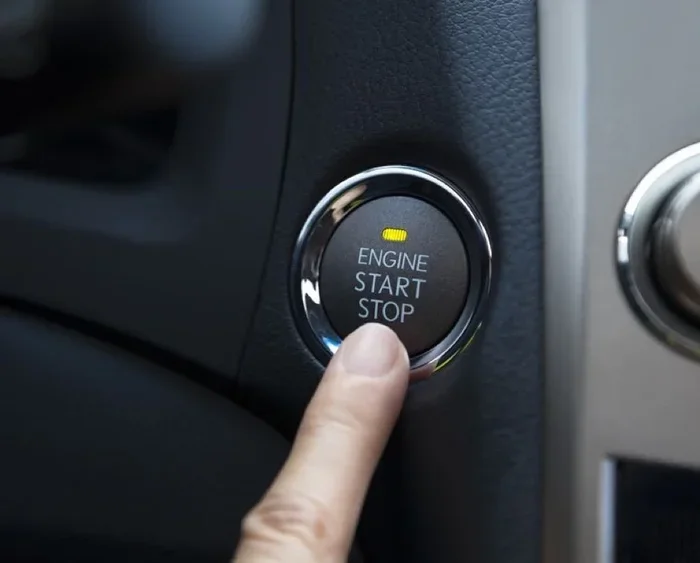
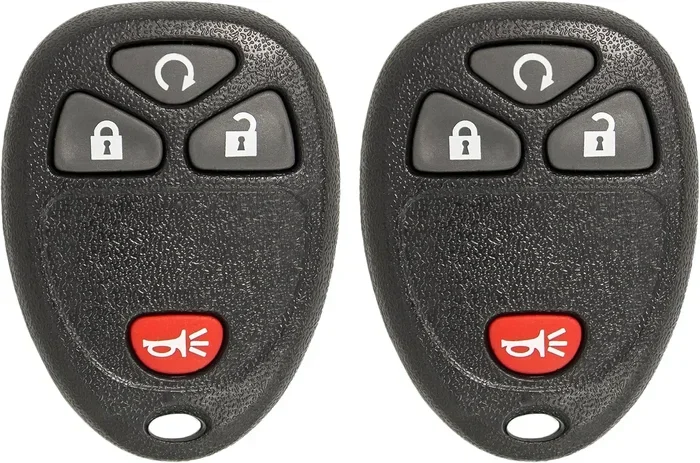
A keyless car uses electronic systems to unlock doors and start the engine without inserting a traditional key into an ignition slot. Instead, you use a key fob that communicates with your vehicle through radio frequency signals. You simply press a button on the door handle to lock or unlock. You press another button on the dashboard to start the engine. It is fast. It is convenient. It feels futuristic.
But here is the thing. A keyless car is not completely without a physical key. The key fob itself contains a hidden key blade. This is the backup key that comes into play when the electronic system fails. It is a small metal blade tucked inside the fob housing. You have to press a button or slide a panel to release it. Once you do, you can use it to manually unlock the driver door.
Why Manufacturers Still Include a Physical Key
Car manufacturers include a physical key for several important reasons. First, it provides a failsafe. Electronic systems can fail. Batteries die. Sensors malfunction. When that happens, you need a way to get into your car and start it. The hidden key blade is that failsafe.
Second, it is a legal and regulatory requirement in many countries. Vehicle safety standards mandate that cars must have a reliable way to be entered and started. Even if the primary system is electronic, there must be a mechanical backup. This ensures that owners are never completely locked out of their vehicles.
Third, it adds a layer of vehicle security. The physical key works together with a transponder key system. The transponder chip inside the key fob sends a unique coded signal to the car’s computer. If the code does not match, the engine will not start. This electronic immobilizer system prevents thieves from hotwiring your car. The physical key blade is just one part of this layered security approach.
How Keyless Entry and Smart Key Technology Works
Understanding how your keyless car works helps you appreciate why the physical key is still there. The technology behind modern smart keys is impressive. But it is also complex. And like all complex systems, it can sometimes fail.
The Role of the Key Fob
Your key fob is the remote control for your car. It contains a small battery, a microchip, and in most cases, a hidden key blade. When you approach your car with the fob in your pocket or bag, the proximity sensor detects the fob. The car recognizes the unique signal and allows you to unlock the doors. This is what people mean when they say keyless entry.
The fob also communicates with the car’s engine control unit. When you press the push button start, the system checks the fob’s signal. If the signal is valid, the engine starts. This entire process happens in milliseconds. You barely notice it is happening. But behind the scenes, there is a lot going on.
Push Button Start Explained
The push button start system replaced the traditional ignition key slot. Instead of turning a key, you simply press a button. The car verifies that the correct smart key is inside the vehicle. Then it allows the engine to start. This system is convenient and modern. But it depends entirely on the electronic signal from your key fob.
If the fob battery dies, the system may not recognize the key. Some cars have a backup receptacle inside the steering column or center console. You place the fob against this receptacle, and the car reads the chip directly. But if that does not work, or if the fob itself is damaged, you need the hidden key blade to manually unlock the door. Then you can usually place the fob on a specific spot to start the engine.
| Key System Type | How It Works | Backup Method | Common In |
|---|---|---|---|
| Keyless Entry + Push Start | Fob signal unlocks doors and starts engine | Hidden key blade + fob receptacle | Most modern cars |
| Remote Keyless Entry | Fob sends signal to lock/unlock | Physical key blade in fob | Sedans and SUVs |
| Smart Key System | Proximity sensor detects fob automatically | Hidden blade + manual fob placement | Luxury and premium models |
| Traditional Keyless | Remote lock/unlock, key in ignition | Physical key blade | Older models and some budget cars |
The Hidden Key Blade: What Most Owners Don’t Know
The hidden key blade is one of the most overlooked features in modern cars. Most owners do not even know it exists until they need it. And when they need it, they are often frustrated and confused.
Where Is the Emergency Key Hidden?
The location of the hidden key varies by manufacturer. In most Toyota and Lexus models, you will find a small button on the side of the key fob. Press it, and a slim metal blade slides out. In Honda and Acura vehicles, the emergency key is often hidden behind a small panel on the fob. You pop off the panel with a fingernail or a small tool, and the key blade emerges.
Ford and Lincoln vehicles typically have the hidden key on the underside of the fob. You slide a release latch, and the blade pops out. BMW key fobs often have the emergency key stored inside the fob housing itself. You press a small button on the side to release it. Mercedes-Benz keys usually have a retractable blade that slides out from the bottom of the fob.
No matter the brand, the principle is the same. There is always a mechanical backup hidden inside the electronic key fob. It is designed to be compact and unobtrusive. But it is there, and it works.
When You Will Need the Physical Key
There are several real-world situations where you will need that hidden key blade. The most common is a dead key fob battery. Key fob batteries typically last between two and four years. When the battery dies, the fob cannot send a signal to the car. You cannot unlock the doors remotely. You cannot start the engine with push button start. But you can still use the hidden key blade to unlock the driver door manually.
Another situation is electronic failure. Water damage, extreme temperatures, or a manufacturing defect can cause the key fob to stop working. In these cases, the physical key blade becomes your lifeline. You can use it to get into the car and then place the fob near the start button to bypass the signal issue.
You might also need the physical key when the proximity sensor fails. Some cars have trouble detecting the fob if it is buried deep in a bag or placed in a certain position. In rare cases, the sensor simply stops working. The hidden key blade gives you a way to manually operate the locks and gain access to the vehicle.
Here are common scenarios where the backup key saves the day:
- Dead key fob battery in a parking lot or garage
- Electronic system failure after water exposure or impact
- Proximity sensor malfunction preventing key detection
- Car battery death requiring a jump start with fob inside
- Lost or damaged key fob requiring temporary manual access
- Frozen or blocked door locks in extreme weather conditions
Keyless Car Key Security and Anti-Theft Features
The physical key in your keyless car is not just a backup tool. It is also part of a sophisticated anti-theft system. Modern cars use multiple layers of security to protect against theft and unauthorized access.
Transponder Technology
Every modern car key contains a transponder chip. This is a small electronic chip embedded in the key head or fob housing. When you insert the key or place the fob near the start button, the transponder sends a unique identification code to the car’s computer. The computer checks this code against its stored database. If the code matches, the engine is allowed to start. If it does not match, the engine stays locked.
This transponder key technology has been around since the 1990s. It has dramatically reduced car theft rates. Today, the transponder chip works wirelessly through the key fob in most keyless ignition systems. You do not need to insert the key at all. The proximity sensor reads the chip through the fob housing.
Immobilizer Systems
The immobilizer system works hand in hand with the transponder. When the car detects an unauthorized key, the immobilizer disables the fuel injection system and the ignition. This means the engine simply will not start, even if someone manages to get inside the car. The electronic immobilizer is one of the most effective anti-theft devices in modern vehicles.
Some cars also feature a manufacturer security system that goes beyond the basic immobilizer. These systems can track the vehicle’s location, send alerts to your phone, and even prevent the car from being started remotely. The physical key blade works within this entire security framework. It is not just a simple mechanical backup. It is part of a comprehensive vehicle security ecosystem.
| Security Feature | What It Does | Role of Physical Key |
|---|---|---|
| Transponder Chip | Sends unique coded signal to car computer | Key blade houses or connects to transponder |
| Electronic Immobilizer | Disables engine if unauthorized key detected | Physical key must be recognized by immobilizer |
| Proximity Sensor | Detects key fob within range of vehicle | Backup key blade used when sensor fails |
| Remote Alarm System | Alerts owner of unauthorized access attempts | Key blade provides manual override access |
| Rolling Code Technology | Changes access code with each use | Physical key provides static backup access |
Key Maintenance and Replacement Tips
Taking care of your keyless car key system is essential. A well-maintained key fob and key fob battery will keep your keyless ignition working reliably for years. And knowing how to handle key replacement can save you time and money.
Replacing a Keyless Car Key
When your key fob stops working, the first thing to check is the battery. Most key fobs use a small coin-cell battery, usually a CR2032. Replacing it is simple. Use a small flathead screwdriver to pry open the fob housing. Remove the old battery. Insert a new one, matching the positive and negative sides. Snap the housing back together. Your keyless system should work again.
If replacing the battery does not solve the problem, you may need a new key fob. You can order a replacement from your car dealer or from an aftermarket supplier. Some fobs need to be programmed to your specific vehicle. The dealer can usually do this for you. In some cases, you can program the fob yourself using the car’s onboard menu system. Check your owner’s manual for specific instructions.
Keep in mind that car key replacement can be expensive, especially for luxury brands. A smart key fob from a dealer can cost anywhere from 200 to 500 dollars or more. Always keep a backup fob if possible. And never throw away an old fob without removing the hidden key blade first.
Keeping Your Key System Running Smoothly
There are several simple steps you can take to keep your keyless system in top shape. First, replace the key fob battery every two to three years. Do not wait until the fob stops working. Proactive replacement prevents unexpected lockouts. Second, keep your fob away from water and extreme heat. These can damage the electronic components. Third, store a spare fob in a safe place at home. If your primary fob fails, you will have a backup ready.
Quick Tips
- Carry a spare key fob battery in your glove box at all times
- Test your key fob signal strength regularly by standing at the edge of your parking spot
- Learn where the hidden key blade is on your specific model before you need it
- Keep the fob away from other electronic devices that might interfere with the signal
- Program a spare fob while you still have a working one
Common Mistakes Keyless Car Owners Make
Even though keyless cars are convenient, owners often make mistakes that lead to frustration. Being aware of these common errors can help you avoid them.
One of the biggest mistakes is ignoring the key fob battery warning. Most cars give you a warning on the dashboard when the fob battery is low. But many owners ignore it. When the battery dies completely, they are stranded. Checking and replacing the battery proactively is a simple habit that prevents this problem.
Another common mistake is not knowing where the hidden key blade is. Many owners buy a keyless car and never discover the mechanical backup inside the fob. When the electronic system fails, they are completely stuck. Take five minutes to open your fob and find the hidden blade. Practice releasing it. Know exactly how your specific model works.
Some owners also make the mistake of placing the fob too far from the start button when trying to start the car manually. Each vehicle has a specific location where you must place the fob for backup starting. This might be a slot in the steering column, a pad on the center console, or a specific area near the cup holder. Check your owner’s manual to find this spot.
Finally, some owners neglect to replace a damaged fob housing. A cracked or broken fob case can expose the internal electronics to moisture and dust. This leads to signal problems and eventual failure. Replace a damaged fob housing promptly to keep your system working properly.
Expert Insights on Keyless Car Key Design
Automotive engineers design keyless car systems with redundancy in mind. The inclusion of a physical key blade is not an afterthought. It is a deliberate design choice backed by years of testing and real-world experience.
According to automotive safety experts, the layered security approach is what makes modern keyless cars so reliable. The electronic system handles daily use with speed and convenience. The physical key provides a mechanical fallback for emergencies. Together, they create a system that is both user-friendly and secure. This dual approach is why keyless cars have keys and why they will continue to do so for the foreseeable future.
Experts also emphasize the importance of understanding your specific vehicle’s backup systems. Every car is different. The location of the hidden key, the position for manual fob placement, and the method for battery replacement all vary by model and brand. Taking the time to learn these details for your specific car pays off when you need them most.
Conclusion
So why does my keyless car have a key? The answer is clear. That hidden physical key is a backup system, a security feature, and a failsafe all in one. It ensures you are never completely locked out of your vehicle. It works with the transponder chip and immobilizer system to protect your car from theft. And it provides peace of mind when electronic systems fail.
The next time you use your keyless entry system or start your engine with the push of a button, take a moment to appreciate the hidden key blade inside your fob. It is a small but vital part of your vehicle’s design. Know where it is. Learn how to use it. And keep your key fob battery fresh. These simple steps will keep your keyless car running smoothly for years to come.
Understanding your car’s systems makes you a smarter, more prepared driver. And that is something every car owner should strive for.
Frequently Asked Questions
Can I drive my keyless car if the key fob battery dies completely?
Yes, you can still drive your car if the key fob battery dies. Most keyless cars have a backup system that allows you to place the fob against a specific spot on the dashboard or steering column. The car reads the transponder chip directly through the fob housing. If that does not work, you can use the hidden key blade to manually unlock the door and then place the fob near the start button.
How do I find the hidden key blade in my key fob?
The hidden key blade location varies by car brand. Look for a small button, slider, or latch on the side or bottom of the fob. Press or slide it, and the blade will pop out. Check your owner’s manual for the exact location and release method for your specific model. It is a good idea to learn this before you actually need it.
How often should I replace my key fob battery?
Most key fob batteries last between two and four years. It is a good idea to replace the battery proactively every two to three years. This prevents unexpected failures. Some cars give a low battery warning on the dashboard. Do not ignore this warning. Replace the battery as soon as you see it.
Can I replace the key fob battery myself?
Yes, replacing a key fob battery is usually a simple DIY task. You need a small flathead screwdriver and a replacement CR2032 battery (the most common type). Pry open the fob carefully, swap the old battery for the new one, and snap the fob back together. Make sure the positive side faces up when you insert the new battery.
Is the hidden physical key in a keyless car the same as a traditional car key?
No, the hidden key blade in a keyless car fob is not the same as a traditional car key. It is a slim metal blade designed only to manually unlock the driver door. It does not have a transponder chip and cannot start the engine on its own. You will still need the fob (or place it on a backup receptacle) to start the engine after using the hidden blade to enter the car.
What should I do if my key fob is completely damaged and the hidden key blade is lost?
If both the key fob and the hidden key blade are lost or damaged, contact your car dealer immediately. They can order a replacement fob programmed specifically for your vehicle. This process can be expensive, which is why it is wise to keep a spare fob and never discard a damaged fob without removing the hidden blade first. Some locksmiths also specialize in key fob replacement and programming.