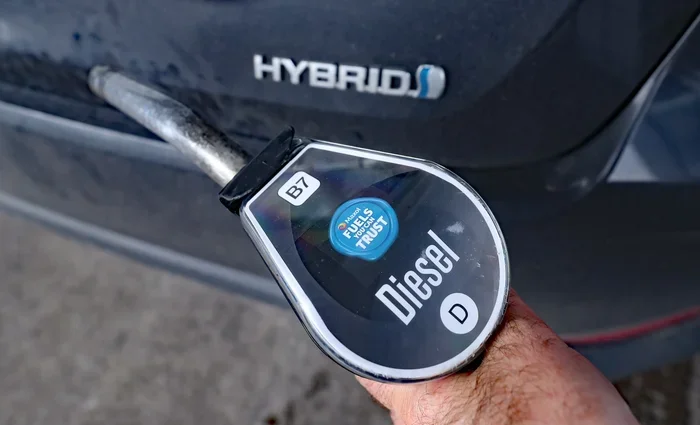
Why Hybrid Uses Too Much Gas and What You Should Know
Why Hybrid Uses Too Much Gas is a real concern for many drivers who expected better fuel economy. This guide reveals the true reasons behind excessive gas use, from driving habits to technical issues, and offers practical solutions to regain your hybrid fuel economy. Hybrid vehicles are designed to sip gas, but they can guzzle it if something goes wrong. Understanding these causes helps you save money and drive smarter.
You bought a hybrid vehicle hoping to save gas. But your trip to the pump tells a different story. You see the gas gauge drop faster than expected. You wonder, Why Hybrid Uses Too Much Gas? This question puzzles many drivers. Hybrid cars promise great fuel economy, yet some models drink fuel like a traditional car. The truth is not one single cause. Several factors play a role. Your driving style matters. The health of your hybrid battery matters. Even the weather matters. This article breaks down every reason in plain language. You will learn what makes your hybrid burn gas and how to fix it. Let us explore the real causes and simple solutions.
A hybrid vehicle uses two power sources. It has a gas engine and an electric motor. The system blends them to save fuel. In theory, this setup should cut fuel consumption dramatically. In practice, many hybrids use more gas than expected. The gas mileage can drop when the system relies too much on the engine. You might notice the gas engine runs constantly. Or you see the battery charge stays low. These signs point to a problem. The good news is that most causes are fixable. You do not need a mechanic for every issue. Small changes in how you drive can bring big savings. Let us look at the main reasons your hybrid uses too much gas.
Key Takeaways
- Driving habits matter most: Aggressive acceleration and high speeds force the gas engine to work harder, hurting your hybrid fuel economy.
- Hybrid battery health is critical: A weak or degraded battery makes the gas engine run more often, increasing fuel consumption.
- Stop-start technology can backfire: If the system malfunctions, the gas engine stays on when it should shut off, wasting gas.
- Maintenance gaps add up: Low tire pressure, dirty air filters, and old spark plugs reduce gas mileage significantly.
- You can fix it: Simple changes in driving style and regular upkeep can restore your hybrid vehicle to its expected fuel efficiency.
- Know when to seek help: Persistent high gas use often signals a mechanical problem that needs professional diagnosis.
📑 Table of Contents
- Why Hybrid Uses Too Much Gas: The Surprising Truth
- Common Reasons Your Hybrid Is Burning Too Much Gas
- Stop-Start Technology: A Blessing and a Curse
- Hybrid vs. Traditional Gas Cars: Fuel Economy Reality Check
- How to Improve Your Hybrid’s Gas Mileage
- When to Suspect a Mechanical Problem
- Conclusion: Take Control of Your Hybrid’s Fuel Use
Why Hybrid Uses Too Much Gas: The Surprising Truth
The label “hybrid” makes you think of ultra-low fuel use. But real-world results vary. Your hybrid might use more gas than a similar-sized traditional car. This happens for several reasons. The hybrid system is not magic. It depends on how you use it. The electric motor helps the gas engine, but it cannot do all the work. When the battery is low, the gas engine takes over completely. This is called “engine assist.” If the battery stays low, the engine runs all the time. That is when Why Hybrid Uses Too Much Gas becomes a daily frustration.
How the Hybrid Powertrain Works
A hybrid vehicle uses a small gas engine and one or more electric motors. The hybrid battery stores energy for the electric motor. When you slow down, the system captures energy through regenerative braking. This energy recharges the battery. At low speeds, the electric motor can drive the car alone. This is where fuel efficiency shines. But when you accelerate hard or climb a hill, the gas engine joins in. The system switches between power sources automatically. If the battery cannot hold a charge, the gas engine must do more work. This raises your fuel consumption.
When the Gas Engine Takes Over
Sometimes the gas engine runs even when you do not need power. This happens if the hybrid battery is weak. A degraded battery cannot store enough energy from regenerative braking. The system then calls on the gas engine to recharge it. This creates a loop. The engine burns gas to make electricity, which then powers the car. It wastes fuel. You lose the hybrid fuel economy you expected. The gas engine also runs during high electrical loads, like running the air conditioning at full blast. In hot weather, this can spike your gas mileage loss.
Common Reasons Your Hybrid Is Burning Too Much Gas
Several everyday habits and issues cause high fuel use. Some are easy to fix. Others need a closer look at your car. Let us break them down.
Driving Habits That Kill Fuel Economy
How you drive has the biggest impact on hybrid fuel economy. Aggressive acceleration forces the gas engine to work hard. Speeding on highways also hurts. The electric motor is most efficient at low speeds. When you drive fast, the gas engine stays on longer. Stop-and-go traffic can be good for hybrids because of regenerative braking. But if you brake too hard, you waste the energy you could have captured. Smooth, gentle driving is the key to low fuel consumption.
Hybrid Battery Health and Its Impact
The hybrid battery is the heart of the system. Over time, batteries lose their ability to hold a full charge. This is called battery degradation. A weak battery means the gas engine runs more often. You will see your gas mileage drop. Extreme temperatures speed up battery wear. Hot climates can reduce battery capacity faster. If your hybrid is older, battery health could be the main reason Why Hybrid Uses Too Much Gas. You can test the battery state of charge with a scan tool. Many shops offer this check for free.
Tire Pressure and Maintenance Issues
Underinflated tires create rolling resistance. The engine must push harder to move the car. This increases fuel consumption in any vehicle, but hybrids feel it more because they rely on efficient rolling. Check your tire pressure monthly. Keep tires at the pressure listed on the driver door jamb. Dirty air filters restrict airflow to the engine. Old spark plugs cause incomplete combustion. Both issues make the gas engine work harder. Simple maintenance keeps your hybrid vehicle running at its best fuel efficiency.
Quick Tip: The 80/20 Rule for Hybrid Driving
Drive at steady speeds 80% of the time. Avoid hard acceleration 80% of the time. This simple rule can improve your gas mileage by up to 20%. Use cruise control on highways. Coast to decelerate instead of braking hard. These habits let the electric motor do more work and save gas.
Stop-Start Technology: A Blessing and a Curse
Many hybrids use a stop-start system. It shuts off the gas engine when you stop at a light. The electric motor then moves the car forward quietly. This saves fuel in city driving. But the system can malfunction. If the engine does not shut off properly, it idles and wastes gas. You might notice the engine runs even when the car is stopped for a long time. This is a common reason Why Hybrid Uses Too Much Gas in urban areas. The stop-start system depends on the hybrid battery having enough charge. A weak battery can disable the system entirely. The gas engine then stays on at every stoplight.
Why the Gas Engine Kicks In More Than Expected
The stop-start system needs a healthy battery and a working starter motor. If the battery cannot provide the burst of power needed to restart the engine quickly, the system may skip the shutdown. It keeps the gas engine running to avoid slow restarts. This defeats the purpose of the hybrid design. You end up using more gas than a regular car in stop-and-go traffic. If you notice the engine never shuts off in city driving, have the battery and stop-start system checked. A simple repair can restore the fuel-saving benefit.
Hybrid vs. Traditional Gas Cars: Fuel Economy Reality Check
Not all hybrids save gas equally. Some models use more fuel than a well-designed traditional car. This surprises many buyers. The hybrid fuel economy depends on the car’s size, engine power, and how the system is tuned. A heavy hybrid SUV may use more gas than a lightweight traditional sedan. The electric motor helps, but it cannot overcome a large, powerful engine. Here is a comparison of common hybrid and gas-only models to show the difference in real-world fuel consumption.
| Vehicle Type | Combined MPG | City MPG | Highway MPG | Why Gas Use Varies |
|---|---|---|---|---|
| Compact Hybrid Sedan | 52 MPG | 54 MPG | 50 MPG | Small engine, light weight, electric motor does most city work |
| Mid-Size Hybrid SUV | 38 MPG | 36 MPG | 40 MPG | Heavier body, larger engine, electric assist helps but does not dominate |
| Traditional Gas Compact Sedan | 35 MPG | 32 MPG | 38 MPG | No electric motor, relies entirely on gas engine efficiency |
| Plug-In Hybrid (short trips) | 100+ MPGe | 55 electric only | 42 gas only | Uses electric motor for short trips, gas engine only when battery is empty |
The table shows that a hybrid vehicle can still use more gas than a traditional car if it is a large model. The gas mileage gap narrows on highways because the gas engine runs at a steady pace. In city driving, hybrids usually win. But if your hybrid SUV uses more gas than the table suggests, something is wrong. The fuel efficiency should match or beat a traditional car. When it does not, you need to investigate.
How to Improve Your Hybrid’s Gas Mileage
You can take action to reduce fuel consumption. Most fixes cost nothing. Others need a small investment. Here are the best ways to improve your hybrid fuel economy.
Simple Driving Tips That Save Fuel
- Accelerate gently: Press the pedal slowly. Let the electric motor handle the first push. The gas engine kicks in later and uses less fuel.
- Use cruise control: On highways, cruise control keeps a steady speed. This prevents the gas engine from hunting for power and saves gas mileage.
- Anticipate stops: Look ahead and coast to red lights. This charges the battery through regenerative braking and avoids wasted fuel from hard braking.
- Limit air conditioning: AC puts a heavy load on the engine. Use it sparingly. At low speeds, roll down the windows instead. At high speeds, AC is more efficient than open windows.
- Remove excess weight: Extra cargo makes the engine work harder. Clean out your trunk and back seat. Every 100 pounds can reduce fuel efficiency by up to 1%.
Maintenance Habits That Save Fuel
Regular upkeep keeps your hybrid running lean. Follow the maintenance schedule in your owner’s manual. Here are the key items that affect hybrid fuel economy.
- Check tire pressure monthly: Proper inflation reduces rolling resistance. This is the easiest way to improve gas mileage.
- Replace air filters on time: A clean filter lets the engine breathe. A clogged filter makes the gas engine work harder.
- Use the recommended oil: Low-viscosity synthetic oil reduces engine friction. This helps both the gas engine and the electric motor work efficiently.
- Inspect the hybrid battery: Ask your dealer or mechanic to check the battery state of health. A failing battery can double your fuel consumption.
- Keep the brakes clean: Dragging brakes create resistance. This forces the engine to use more gas to maintain speed.
Expert Insight: The Hybrid Battery Is Not Forever
Hybrid batteries typically last 8 to 15 years. After that, capacity drops. If your car is older and you see a big drop in hybrid fuel economy, the battery may be the culprit. Replacing a hybrid battery is expensive, but it can restore your gas mileage to original levels. Consider a refurbished battery to save money. Always get a second opinion before committing to a full replacement.
When to Suspect a Mechanical Problem
Sometimes high gas use points to a fault. You cannot fix these with driving changes alone. Watch for these warning signs.
- The check engine light is on: This light can signal a problem with the hybrid system. A faulty oxygen sensor or misfiring spark plug can raise fuel consumption by up to 30%.
- The battery charge never reaches full: If the hybrid battery stays at a low state of charge, the gas engine runs constantly. This is a clear sign of a battery or charging system issue.
- Unusual engine noise: A grinding or whining sound when the gas engine starts may mean a bad starter or motor. The engine may run rough and waste gas.
- Reduced electric-only driving: If your car no longer moves on electric power at low speeds, the system is not working correctly. The gas engine takes over more often.
If you notice any of these signs, visit a qualified hybrid specialist. They can run diagnostic tests on the hybrid system. Early repairs prevent further damage and save you money on fuel. Ignoring these problems makes Why Hybrid Uses Too Much Gas a permanent issue.
Common Mistakes That Increase Gas Use
Many drivers unknowingly hurt their hybrid fuel economy. Here are the most common errors.
- Leaving the car in “Ready” mode too long: This keeps the gas engine idling. Turn the car off if you will wait more than a minute.
- Ignoring the EV mode: Many hybrids have an EV drive button. Use it in low-speed situations like parking lots. It runs only on the electric motor and uses zero gas.
- Overusing the heater or AC: These systems put a load on the engine. Pre-cool the car while it is still plugged in if you have a plug-in hybrid. For regular hybrids, use the fan on low and the AC on auto.
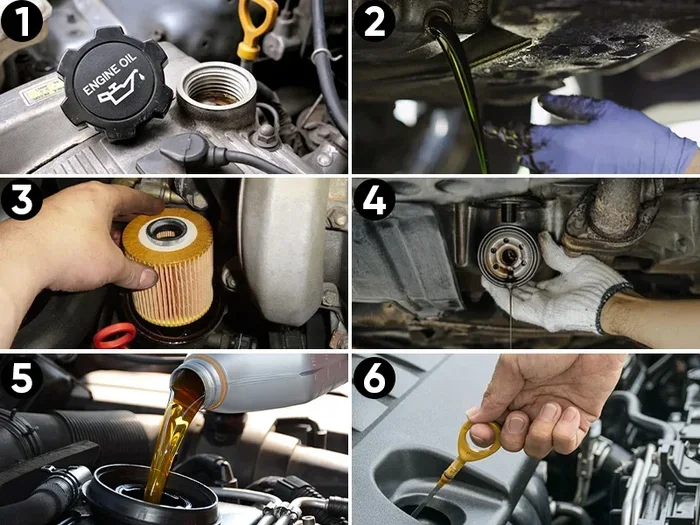
- Skipping oil changes: Dirty oil increases engine friction. This makes the gas engine burn more fuel to do the same work.
Conclusion: Take Control of Your Hybrid’s Fuel Use
Why Hybrid Uses Too Much Gas is a question with many answers. The causes range from simple driving habits to serious mechanical faults. The good news is that you have the power to improve your fuel economy. Start by checking your driving style. Be gentle with the accelerator. Use cruise control on highways. Keep your tires properly inflated. Follow the maintenance schedule. These steps alone can bring your hybrid vehicle back to its expected fuel efficiency. If the problem persists, check the hybrid battery and the stop-start system. Do not ignore warning lights or unusual noises. With the right care, your hybrid will deliver the gas savings you wanted. You will spend less at the pump and enjoy a cleaner drive. Take action today and feel the difference at your next fill-up.
Frequently Asked Questions
Why does my hybrid use more gas than expected?
Your hybrid may use more gas due to aggressive driving, a weak hybrid battery, or low tire pressure. The gas engine works harder when the electric motor cannot assist properly. Check your driving habits and basic maintenance first.
Can a bad hybrid battery cause high fuel consumption?
Yes. A degraded battery cannot store enough energy for the electric motor. This forces the gas engine to run more often. Replacing or refurbishing the battery can restore your hybrid fuel economy and lower fuel consumption.
Is it normal for a hybrid to use gas on the highway?
Yes, hybrids use the gas engine at steady highway speeds. The electric motor is less effective at high speeds. However, if your highway gas mileage drops far below the rated MPG, check for engine faults or battery issues.
How can I improve my hybrid’s gas mileage?
Drive smoothly, avoid hard braking, use cruise control, and keep tires properly inflated. Regular maintenance like oil changes and air filter replacements also helps. Use EV mode in low-speed situations to save gas.
Does stop-start technology always save gas?
Not if it malfunctions. A faulty stop-start system may keep the engine running at stops. This wastes gas. If you notice the engine never shuts off in traffic, have the battery and stop-start system inspected.
When should I worry about my hybrid’s gas use?
Worry if your fuel consumption rises suddenly, the check engine light appears, or the battery charge stays low. These signs often indicate a mechanical problem. Early diagnosis can prevent costly repairs and restore your hybrid vehicle‘s efficiency.