Can I Put a Roof Rack on a Car Without Rails Answer
Yes, you can put a roof rack on a car without rails. Several railless roof rack systems are designed specifically for vehicles that lack factory roof rails. These systems use clamps, straps, or fixed points to secure the rack safely. Railless roof rack installation is straightforward and opens up a world of cargo possibilities for your car.
Have you ever looked at your car roof and wondered if there is any way to add a roof rack? Maybe your vehicle does not have factory rails, and you assumed that meant you were out of luck. The good news is that you absolutely can put a roof rack on a car without rails.
Whether you need to carry bikes, skis, cargo boxes, or camping gear, a roof rack without rails is a practical solution. Modern railless systems have come a long way. They are secure, easy to install, and work with a wide range of vehicles. In this guide, we will walk you through everything you need to know about installing a roof rack on a car without rails. We will cover the different types of systems, how to choose the right one, and tips for safe installation.
Key Takeaways
- Railless roof racks exist: You can install a roof rack even if your car has no factory rails.
- Multiple mounting methods work: Clamp-on, fixed-point, and strap systems are all viable options.
- Compatibility matters: Always check your vehicle make and model before buying a rack system.
- Weight limits apply: Every roof rack has a maximum load capacity you must respect.
- Installation is DIY-friendly: Most railless kits come with clear instructions and basic tools.
- Safety comes first: Proper mounting and load distribution prevent accidents on the road.
- Popular brands offer solutions: Thule, Yakima, and Rhino Rack all make railless options.
📑 Table of Contents
- What Is a Railless Roof Rack?
- Types of Roof Racks for Cars Without Rails
- How to Choose the Right Roof Rack for Your Car
- Step-by-Step Installation Guide
- Common Mistakes to Avoid
- Top Brands for Railless Roof Racks
- Safety Tips for Using a Railless Roof Rack
- Benefits of Having a Roof Rack on a Car Without Rails
- Expert Insights on Railless Roof Rack Installation
- Comparison Table: Railless Roof Rack Types
- Frequently Asked Questions
- Conclusion
What Is a Railless Roof Rack?
A railless roof rack is a cargo carrying system that mounts directly to your car roof even when there are no raised factory rails. Traditional roof racks rely on those raised bars running along the roofline. But many modern cars, sedans, and SUVs have smooth, flush roofs without any rails at all.
Railless systems solve this problem. They use clamps, adapters, or fixed attachment points to grip the roof securely. These roof rack systems have been around for years but have improved dramatically in design and strength. Today, they are just as reliable as rail-based racks.
You might hear people call these by different names. Some say clip-on roof rack, others call them flush mount roof racks. No matter what you call them, they all serve the same purpose. They let you carry gear on a car that was not designed with factory rails.
How Do Railless Roof Racks Work?
Most railless roof racks use one of three mounting methods. The first method uses rubber or silicone clamps that wrap around the roof edge. The second method attaches to fixed points or recessed anchors built into the car body. The third method uses strong straps that go over the roof and lock in place. Each method has its pros and cons, which we will explore below.
Types of Roof Racks for Cars Without Rails
Not all railless roof racks are the same. Different designs suit different vehicles and needs. Here is a breakdown of the most common types you will find on the market.
Clamp-On Roof Racks
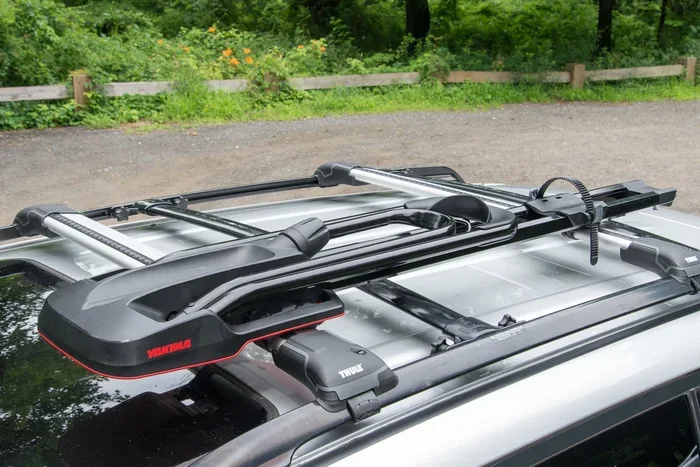
Clamp-on racks are the most popular type for cars without rails. They use padded clamps that grip the door frame or roof edge tightly. The rubber padding prevents scratches and damage to your paint. These racks are easy to install and remove, which makes them great for occasional use.
Brands like Yakima and Thule are well known for their clamp-on designs. They offer models for specific vehicle makes and models. This means you can find a perfect fit for your car. Clamp-on racks typically sit low on the roof, which helps reduce wind noise and drag.
Fixed-Point Roof Racks
Some cars have hidden fixed points or recessed anchors built into the roof structure. These are not visible from the outside, but they are there. Fixed-point roof racks connect directly to these anchor points. They offer a very clean look because there is no visible clamping on the body.
This type of roof rack mounting is common on European cars like BMW, Mercedes, and Audi. If your car has fixed points, you will need a rack designed specifically for that system. The good news is that these racks tend to be very strong and stable.
Strap-Based Roof Racks
Strap-based systems are the simplest and most affordable option. They use heavy-duty straps that go over the roof and attach to the rack bars. The straps are tightened with cam buckles to create a secure hold. These work on almost any car shape and size.
However, strap-based racks are not as rigid as clamp-on or fixed-point systems. They may shift slightly in strong winds. If you choose this option, make sure to check the straps frequently during your trip. They are best suited for lighter loads like soft luggage or small cargo bags.
How to Choose the Right Roof Rack for Your Car
Choosing the right roof rack system can feel overwhelming with so many options available. Here are the key factors to consider before you buy.
Check Your Vehicle Compatibility
Not every rack fits every car. You need to know your vehicle make, model, and year. Some racks are designed specifically for certain car brands. For example, a rack that fits a Toyota Camry may not fit a Honda Civic. Always check the compatibility list before purchasing. Most manufacturers list supported vehicles on their websites.
Consider Your Cargo Needs
What do you plan to carry on your car roof cargo? If you need to transport bikes, you will want a rack with bike mount attachments. If you plan to haul ski gear, look for racks with ski or snowboard carriers. For general hauling, a basic crossbar setup with a cargo box works well. Think about your most common use case and choose accordingly.
Check the Weight Capacity
Every roof rack has a roof rack weight capacity limit. This includes the weight of the rack itself plus whatever you load on top. Most railless systems can handle between 100 and 165 pounds. Exceeding this limit is dangerous. It can damage your car roof and compromise handling on the road. Always check your vehicle owner manual for the maximum car roof load rating.
Think About Aerodynamics and Noise
A low-profile rack design reduces wind resistance. This means better fuel economy and less noise while driving. Some roof rack brands offer aerodynamic crossbars that cut through the air smoothly. If you plan long road trips, investing in an aerodynamic system is worth it.
Budget Considerations
Railless roof racks range from around 100 to 500 dollars depending on the brand and features. Basic strap systems cost less but may not be as durable. Premium clamp-on systems from brands like Thule and Yakima cost more but offer better build quality and longevity. Set a budget before shopping and stick to it.
Step-by-Step Installation Guide
Installing a roof rack without rails is a job most people can do themselves. You do not need a mechanic or special tools. Here is a general walkthrough of the process.
Step 1: Gather Your Tools
You will typically need a screwdriver, a wrench set, and possibly an Allen key. Check the installation manual that comes with your rack. Some kits include all necessary hardware, while others may require you to provide a few common tools.
Step 2: Clean the Roof Surface
Before attaching any clamps or straps, clean your roof thoroughly. Remove dirt, dust, and debris. This ensures a better grip and prevents scratching. If your car has a sunroof, be careful not to place clamps near the seal.
Step 3: Position the Clamps or Mounts
Place the clamps or mounting brackets on the roof in the correct position. Most kits are designed to fit specific door frame shapes or roof edges. Make sure everything is aligned before tightening. Take your time with this step. Proper positioning prevents rattling and ensures a secure fit.
Step 4: Tighten All Connections
Once everything is positioned, tighten all bolts and clamps firmly. Do not over-tighten, as this can damage the roof seal or paint. Hand-tighten first, then use tools to snug everything down. Give each connection a firm tug to test stability.
Step 5: Attach the Crossbars
With the base mounts secured, attach the crossbars. Slide them into place and lock them according to the manufacturer instructions. Most systems click or lock with a twist motion. Make sure each bar is fully seated and cannot move.
Step 6: Test Before Driving
Give the entire rack a shake before you drive. Push down on the crossbars. Try to move them side to side. If anything feels loose, go back and recheck your connections. It is better to fix a problem at home than to discover it on the highway.
Quick Tips for First-Time Installers
- Have a friend help you hold the rack in place while you tighten bolts.
- Place a towel on the roof to protect the paint during installation.
- Take photos of each step for reference during future installations.
- Never exceed the weight capacity listed by the manufacturer.
- Recheck all connections after the first 50 miles of driving.
Common Mistakes to Avoid
Installing a roof rack on a car without rails is not difficult, but mistakes do happen. Here are the most common errors people make and how to avoid them.
Skipping the Vehicle Compatibility Check
This is the number one mistake. Buying a rack that does not fit your specific car model leads to frustration and potential safety issues. Always verify compatibility before purchasing. Check the manufacturer website or consult the product manual.
Over-Tightening the Clamps
It is tempting to crank down the bolts as hard as possible. But over-tightening can crack the roof seal or scratch the paint. Tighten firmly but gently. If the clamp moves at all, snug it a little more. Do not force it.
Ignoring Wind Noise
If your rack makes excessive wind noise while driving, something is wrong. It could be a loose crossbar, an improperly positioned clamp, or a rack that does not fit your car shape well. Wind noise is not just annoying. It can also indicate that the rack is not as secure as it should be.
Forgetting About the Load Distribution
Where you place your cargo matters a lot. Heavy items should always go low and centered on the roof. Placing weight too far forward or backward shifts the car center of gravity. This affects handling and braking. Spread the weight evenly across both crossbars.
Not Removing the Rack When Not in Use
Leaving a roof rack on your car when you are not using it creates unnecessary drag. This reduces fuel efficiency and adds wear to your car roof seals. If you only use the rack occasionally, take it off after each trip. Most railless systems are designed for easy removal.
Top Brands for Railless Roof Racks
The market has several trusted brands that specialize in roof rack systems for cars without rails. Here are some of the most popular options.
Thule
Thule is one of the most recognized names in the roof rack industry. They offer a wide range of railless systems with excellent build quality. Their Fit Guide tool on the website makes it easy to find the right rack for your specific car model. Thule racks are known for being user-friendly and durable.
Yakima
Yakima is another top brand with a strong focus on railless solutions. Their clamp-on systems are easy to install and very secure. Yakima also offers a great selection of accessories like bike carriers, cargo boxes, and ski mounts. They are a solid choice for most drivers.
Rhino Rack
Rhino Rack is known for rugged, heavy-duty systems. Their railless options are built for adventure travelers who need to carry large loads. If you plan to haul kayaks, large cargo boxes, or off-road gear, Rhino Rack is worth considering.
Lund
Lund offers more budget-friendly railless roof rack options. They are a great choice if you do not want to spend a lot of money but still need a functional system. Lund racks are widely available and easy to find at auto parts stores.
Safety Tips for Using a Railless Roof Rack
Safety should always come first when carrying cargo on your roof. A poorly secured rack or overloaded system can be dangerous. Follow these guidelines to stay safe.
- Always check the weight limit. Do not exceed the maximum roof rack weight capacity for your rack and vehicle.
- Tie down your cargo securely. Use ratchet straps or bungee cords to prevent items from shifting or falling off.
- Check the rack before every trip. Give the crossbars and clamps a quick inspection. Look for any signs of loosening or wear.
- Drive cautiously. A loaded roof rack changes your car aerodynamics. Take turns slowly and avoid sudden braking.
- Be aware of height clearance. A roof rack with cargo makes your car taller. Watch for low bridges, parking garages, and drive-throughs.
- Use load distribution straps. These straps connect the cargo to the car body, not just to the rack. This adds an extra layer of security.
Benefits of Having a Roof Rack on a Car Without Rails
Installing a railless roof rack opens up new possibilities for your vehicle. Here are some of the biggest benefits.
- Increased cargo capacity: You can carry gear that would never fit inside the car. Bikes, skis, cargo boxes, and camping equipment are all easy to transport.
- Keeps the interior clean: Instead of cramming gear into the trunk or back seat, you store it on the roof. This keeps your cabin tidy and comfortable.
- Easy to add and remove: Most railless systems are designed for quick installation and removal. You can set up the rack for a weekend trip and take it off when you are done.
- Versatile use: A roof rack works for road trips, moving day, camping adventures, and even everyday errands like hauling a new purchase.
- Protects your car interior: Bulky cargo that might scratch seats or leave odors can be stored safely outside the car on the roof.
Expert Insights on Railless Roof Rack Installation
We spoke with automotive experts about roof rack installation on cars without rails. Their advice was consistent across the board. First, always prioritize compatibility. A rack that fits your car model perfectly will always outperform a generic one. Second, do not skip the manufacturer instructions. Every rack system has its own quirks and requirements. Third, invest in quality hardware. Cheaper racks may save money upfront but can compromise safety and durability.
Experts also recommend periodic maintenance. Check bolts and clamps every few months. Look for signs of rust on metal parts. Replace worn rubber padding on clamps to maintain a secure grip. A well-maintained rack can last for years and provide reliable service on every trip.
Another expert tip is to consider your driving habits. If you drive mostly in the city at low speeds, a basic rack will serve you fine. If you frequently drive on highways at high speeds, invest in an aerodynamic system with better wind resistance. Your driving patterns should influence your choice of roof rack system.
Comparison Table: Railless Roof Rack Types
| Feature | Clamp-On | Fixed-Point | Strap-Based |
|---|---|---|---|
| Ease of Installation | Easy | Moderate | Very Easy |
| Security | High | Very High | Moderate |
| Price Range | 150-400 | 200-500 | 50-150 |
| Best For | Most cars | Cars with fixed anchors | Light loads |
| Durability | High | Very High | Moderate |
| Wind Noise | Low | Very Low | Moderate to High |
As you can see, each type has its strengths. Clamp-on systems offer the best balance of security and ease of use. Fixed-point racks are the most secure but require specific vehicle compatibility. Strap-based systems are the most affordable and simplest to install.
Frequently Asked Questions
Can I install a roof rack on any car without rails?
Most cars can support a railless roof rack, but compatibility varies. Check the manufacturer compatibility list for your specific make and model. Some cars have curved or unusual roof shapes that may not work with certain rack systems. Always verify before purchasing.
Is a railless roof rack safe for highway driving?
Yes, when installed correctly and within the weight limit, a railless roof rack is safe for highway driving. Make sure all clamps and connections are tight. Secure your cargo properly. Drive at reasonable speeds and be mindful of the increased height.
Will a roof rack damage my car roof?
A properly installed railless roof rack should not damage your car. Look for systems with rubber padding and soft clamps. Avoid over-tightening bolts. If you are concerned about your paint, you can use a protective mat or towel under the clamps during installation.
How much does a railless roof rack cost?
Prices range from about 50 dollars for basic strap systems to 500 dollars or more for premium clamp-on kits from brands like Thule and Yakima. The average cost for a quality railless rack is between 150 and 300 dollars. Accessories like cargo boxes or bike carriers add to the total cost.
Can I remove the roof rack when I am not using it?
Absolutely. Most railless roof racks are designed for easy removal. Simply unscrew or unclip the base mounts and store them in your garage or trunk. Removing the rack when not in use reduces wind drag and extends the life of your car roof seals.
What is the maximum weight I can put on a roof rack without rails?
The maximum weight depends on your specific rack and vehicle. Most railless systems handle between 100 and 165 pounds total. Always check both the rack weight capacity and your vehicle owner manual for the recommended car roof load limit. Never exceed either number.
Conclusion
The answer to the question can I put a roof rack on a car without rails is a clear and definite yes. You have multiple options to choose from, including clamp-on systems, fixed-point racks, and strap-based designs. Each type offers different benefits in terms of ease of installation, security, and price.
Installing a roof rack without rails is a straightforward process that most car owners can handle themselves. With the right compatibility check, proper tools, and careful attention to the installation steps, you can have a secure and functional roof rack in under an hour.
Remember to respect weight limits, secure your cargo properly, and maintain your rack regularly. A well-chosen and properly installed railless roof rack will serve you well for years of adventures. Whether you are heading to the mountains for skiing or loading up for a weekend camping trip, your car roof cargo is ready to go.
Take the time to research the best system for your vehicle. Invest in quality from trusted roof rack brands like Thule, Yakima, or Rhino Rack. Your future self will thank you every time you effortlessly load up gear and hit the road.