What Causes the VSC Light to Stay On and How to Fix It
The VSC light stays on when your car’s stability or traction control system detects a problem. Common causes include a faulty wheel speed sensor, low brake fluid, or a damaged ABS sensor. Use an OBD-II scanner to read fault codes, and follow our step-by-step fixes to get the light off quickly.
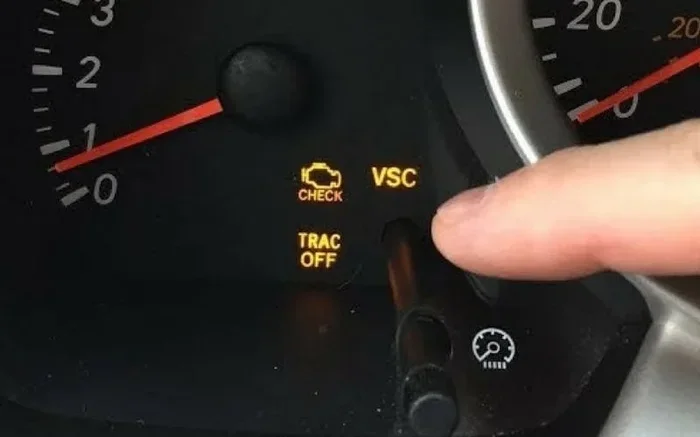
You are driving down the road, and suddenly a yellow or red warning light pops up on your dashboard shaped like a car with squiggly lines behind it. That is your VSC light, and it means your Vehicle Stability Control system has detected something is wrong. For many drivers, this light can feel confusing and even a little scary. You might wonder if your car is about to break down or if it is safe to keep driving.
The good news is that a VSC light staying on does not always mean a major repair. In many cases, the cause is simple and fixable. A bad sensor, low fluid, or a loose connection can all trigger this warning. This guide will walk you through every possible reason your VSC light won’t turn off, and we will give you clear steps to fix it yourself or know when to call a pro.
Whether you drive a Toyota, Honda, Ford, or any other brand, the VSC light works the same way. It is part of your car’s stability control system, which helps you keep control during slippery conditions or sudden swerves. When this system detects a problem, it turns on the light to warn you. Let’s dive into what is really going on under the hood and how to get it resolved.
Key Takeaways
- VSC light basics: The VSC light means your vehicle stability control system has found a fault that needs attention.
- Top causes: Bad wheel speed sensors, low brake fluid, and steering angle sensor issues are the most common triggers.
- DIY fixes work: Many VSC light problems can be resolved at home with basic tools and an OBD-II scanner.
- Don’t ignore it: Driving with the VSC light on reduces safety, especially on wet or icy roads.
- Professional help: Complex issues like a failing steering rack or catalytic converter need a certified mechanic.
- Prevention matters: Regular brake service and sensor cleaning keep the VSC system running smoothly.
📑 Table of Contents
- What the VSC Light Actually Means
- Common Causes of the VSC Light Staying On
- How to Diagnose the VSC Light Problem
- How to Fix the VSC Light Yourself
- When to See a Professional Mechanic
- How to Prevent the VSC Light from Coming Back
- Is It Safe to Drive with the VSC Light On?
- VSC Light Fixes by Vehicle Brand
- Key Takeaways
- Conclusion
What the VSC Light Actually Means
The VSC light is part of your car’s Vehicle Stability Control and traction control systems. These systems work together to keep your car stable, especially when the road is wet, icy, or uneven. When the system works normally, you never notice it. But when something goes wrong, the light comes on to tell you.
Think of the VSC system as your car’s safety net. It uses sensors to watch your steering angle, wheel speed, and yaw rate. If the car starts to slide or lose grip, the system steps in by reducing engine power or applying individual brakes. When a sensor or component fails, the whole system gets disabled, and the light turns on to let you know.
VSC Light vs. Check Engine Light
People often confuse the VSC light with the check engine light. They are related but not the same. The check engine light covers a wide range of engine and emissions issues. The VSC light specifically relates to your car’s stability and traction systems. However, a check engine light can sometimes trigger the VSC light too, because the systems share data.
VSC Light vs. ABS Light
The ABS light and the VSC light often appear together. Your Anti-lock Braking System prevents your wheels from locking up during hard braking. Since the VSC system relies on the ABS to apply individual brakes, a problem with ABS will almost always cause the VSC light to come on as well.
Common Causes of the VSC Light Staying On
Understanding what triggers the VSC light is the first step to fixing it. Below are the most common reasons this warning light stays illuminated on your dashboard.
Faulty Wheel Speed Sensor
The wheel speed sensor is one of the most common culprits. Each wheel has a sensor that measures how fast it is spinning. If one sensor gets dirty, damaged, or wears out, it sends wrong data to the stability control system. The system cannot calculate your car’s grip accurately, so it shuts down and turns on the VSC light.
Wheel speed sensors are exposed to road debris, mud, and moisture every single day. Over time, they can corrode or lose their signal. A cracked sensor ring on the hub or a damaged wiring harness can also cause the same problem. Replacing a wheel speed sensor is usually affordable and straightforward.
Low Brake Fluid Level
Your car’s brake system and the VSC system are closely connected. When your brake fluid drops below the minimum level, the VSC system loses pressure and cannot operate properly. This almost always triggers the VSC light.
Low brake fluid can mean a leak somewhere in the system. Check your brake lines, calipers, and the master cylinder for any signs of dripping. Even a small leak can cause the fluid level to drop over time. Topping off the fluid may turn the light off temporarily, but you should always find and fix the source of the leak.
Bad Steering Angle Sensor
The steering angle sensor tells the VSC system how much you are turning the steering wheel. If this sensor becomes misaligned or fails, the system cannot determine your intended direction. The result is a lit VSC light and, in some cases, a heavy or stiff steering feel.
After a steering or alignment service, the steering angle sensor sometimes needs to be recalibrated. A simple OBD-II scanner reset or a calibration procedure through your dashboard can fix this. But if the sensor itself is damaged, you will need to replace it.
Damaged ABS Sensor or Module
Since the VSC system depends heavily on the ABS system, any problem with the ABS sensor or module will cause the VSC light to stay on. The ABS sensor reads the speed of each wheel, and the ABS module controls the brake pressure. A fault in either one disables both systems.
Common ABS problems include a cracked sensor tip, corroded wiring, or a failing ABS pump motor. These issues are more serious than a simple sensor replacement and may require professional diagnosis and repair.
Faulty Yaw Rate Sensor
The yaw rate sensor measures how fast your car is rotating around its vertical axis. In plain terms, it tells the computer whether your car is spinning or sliding. If this sensor goes bad, the VSC system cannot detect a loss of control, so it disables itself and lights up the VSC warning.
The yaw rate sensor is usually located under the center console or near the steering column. Replacement costs can vary depending on your vehicle make and model, but it is generally a mid-range repair.
Catalytic Converter Issues
Surprisingly, a failing catalytic converter can also trigger the VSC light. The catalytic converter is part of your emissions system, but it affects engine performance. If the converter becomes clogged, your engine runs poorly, and the VSC system may detect irregular data that causes it to shut down.
Signs of a bad catalytic converter include reduced fuel economy, a rotten egg smell from the exhaust, and the check engine light coming on alongside the VSC light. This is a more expensive repair, so early diagnosis is important.
Ignition Coil or Spark Plug Problems
Misfires caused by a bad ignition coil or worn spark plugs can also lead to the VSC light staying on. When the engine misfires, the computer detects uneven power delivery and may disable the stability control system as a safety measure.
Replacing spark plugs is one of the cheapest and easiest maintenance tasks. Ignition coils cost a bit more but are still a common and affordable fix. Always check these components first when the VSC light appears alongside a rough-running engine.
Mass Airflow Sensor Failure
The mass airflow sensor (MAF) measures the amount of air entering the engine. If this sensor gets dirty or fails, the engine runs too rich or too lean. This imbalance can cause the VSC system to flag an error and illuminate the VSC light.
Cleaning the MAF sensor with a dedicated cleaner spray is often all it takes. If cleaning does not work, replacing the sensor is a quick and inexpensive job that most DIYers can handle.
Wiring and Electrical Issues
Sometimes the problem is not a specific sensor at all. Damaged wiring, loose connectors, or a blown fuse can interrupt the communication between the VSC system components. This causes the VSC light to come on even when no single part is bad.
Corrosion under the car is a common cause of wiring issues, especially in areas where roads are salted in winter. A thorough inspection of the wiring harness and connectors under your vehicle can reveal the problem.
How to Diagnose the VSC Light Problem
Figuring out exactly why your VSC light is on starts with a proper diagnosis. You do not need to be a mechanic to do this. A few basic tools and some patience will get you far.
Use an OBD-II Scanner
An OBD-II scanner is the single best tool for diagnosing a VSC light issue. This small device plugs into the diagnostic port under your steering column. Once connected, it reads the fault codes stored in your car’s computer. Each code tells you exactly which system or sensor triggered the warning.
You can buy an OBD-II scanner for under $50 at most auto parts stores or online. Some basic models plug in once and display the code on a small screen. More advanced Bluetooth or Wi-Fi scanners send the codes to your phone through an app. Either type works great for reading VSC fault codes.
Read the Fault Codes
Once you have your scanner connected, write down every code it shows. Common codes related to the VSC light include:
- C0034 – Wheel speed sensor circuit malfunction
- C0040 – ABS actuator circuit problem
- C1200 – Steering angle sensor fault
- C1234 – Yaw rate sensor error
- P0300 – Random engine misfire (can trigger VSC)
Look up each code online or in your vehicle’s service manual. The code will point you toward the specific component that needs attention. This saves you from replacing parts randomly and wasting money.
Visual Inspection
Before you even grab the scanner, do a quick visual check. Look under your car for any fluid leaks. Check your brake fluid reservoir to see if the level is low. Inspect the battery terminals for corrosion, because a weak electrical connection can cause multiple warning lights to come on at once.
Also check the area around your wheel speed sensors. Are they caked with mud or metal debris? Cleaning them off might be all it takes to clear the VSC light.
How to Fix the VSC Light Yourself
Many VSC light problems can be resolved at home with basic tools. Here are the most common fixes you can try yourself.
Reset the System After a Repair
Once you have fixed the underlying issue, you need to reset the VSC light to turn it off. The easiest way is to use your OBD-II scanner to clear the fault codes. Plug the scanner in, select “Clear Codes,” and the light should go off.
If you do not have a scanner, you can try disconnecting your car battery for about 15 minutes. This resets the computer and often turns off the VSC light. Just be aware that disconnecting the battery may also reset your radio presets and clock.
Replace a Wheel Speed Sensor
Replacing a wheel speed sensor is one of the most common DIY fixes for a VSC light. The sensor is usually located near the wheel hub or brake rotor. Here is how to do it:
- Lift your car with a jack and secure it on jack stands.
- Locate the sensor and unplug the electrical connector.
- Remove the single bolt or clip holding the sensor in place.
- Pull the old sensor out and compare it to the new one.
- Install the new sensor, reconnect the wiring, and bolt it in.
- Lower the car and clear the codes with your scanner.
This repair typically costs between $20 and $100 for the part, and it takes about 20 to 30 minutes per wheel.
Top Off Brake Fluid
If your brake fluid is low, topping it off is a simple fix. Open the brake fluid reservoir under the hood on the driver’s side. The cap is usually labeled and has a yellow or black cap. Add the correct type of brake fluid for your vehicle, which you can find in your owner’s manual. Fill it to the “MAX” line and check if the VSC light turns off.
Remember, if the fluid keeps dropping, you have a leak that needs professional attention. Never just keep topping it off without finding the source of the problem.
Clean or Replace the MAF Sensor
A dirty mass airflow sensor can be cleaned without replacing it. Locate the MAF sensor in the air intake duct between the air filter and the throttle body. Spray it with a dedicated MAF cleaner and let it air dry. Do not touch the delicate wires inside. Once it is dry, reinstall it and see if the VSC light clears up.
When to See a Professional Mechanic
While many VSC light issues are fixable at home, some problems require a professional mechanic. You should seek expert help if:
- The VSC light stays on even after you clear the codes and fix the obvious issues.
- You have multiple warning lights on at the same time, including the check engine light and ABS light.
- You notice your car pulling to one side, having difficulty braking, or feeling unstable while driving.
- The repair involves the steering rack, ABS module, or catalytic converter, which are complex and costly components.
- You are not comfortable working under your car or do not have the right tools.
A certified mechanic has access to advanced diagnostic equipment and factory-specific repair guides. They can pinpoint the exact cause of your VSC light quickly and accurately. In many cases, a professional diagnosis costs between $80 and $150, which is money well spent if it saves you from replacing the wrong parts.
How to Prevent the VSC Light from Coming Back
Once you have fixed the VSC light, you want to keep it off. Regular maintenance is the best way to do that. Here are some simple steps to keep your stability control system working properly.
Stick to a Regular Service Schedule
Follow your vehicle’s recommended maintenance schedule. Regular oil changes, brake inspections, and fluid flushes keep all your car’s systems running smoothly. Your VSC system depends on healthy brakes, a strong engine, and clean sensors to function correctly.
Keep Sensors Clean
Your car’s sensors are exposed to the elements every day. After driving through mud, snow, or salty roads, take a moment to rinse the wheel area and undercarriage. Clean sensors send accurate data and are far less likely to trigger the VSC light.
Address Warning Lights Promptly
Never ignore a warning light on your dashboard. Even if your car seems to be driving fine, a lit light means something is wrong. The longer you wait, the worse the problem can get. A small sensor issue today can turn into a major repair tomorrow if left unchecked.
Use Quality Parts and Fluids
When replacing sensors or fluids, use quality parts that meet or exceed your vehicle’s specifications. Cheap aftermarket parts may fail sooner and cause the VSC light to return. Investing in reliable components saves you time and money in the long run.
Is It Safe to Drive with the VSC Light On?
This is one of the most common questions drivers ask when they see the VSC light on their dashboard. The short answer is: it depends on the situation. In normal driving conditions on dry roads, your car will likely still drive okay. The VSC system is a safety aid, not a requirement for basic operation. However, you lose the benefits of traction control and stability control, which can be critical in emergencies.
On wet, icy, or uneven roads, driving with the VSC light on is much riskier. Without stability control, your car is more likely to skid or slide out of control. If you must drive with the light on, reduce your speed, increase your following distance, and avoid sudden steering or braking. As soon as possible, get the problem diagnosed and fixed.
If the VSC light is flashing rather than staying solid, this usually means the system is actively intervening to keep you stable. This can happen when the system detects a severe traction loss. In this case, slow down immediately and avoid aggressive driving until you can get the car inspected.
VSC Light Fixes by Vehicle Brand
Different vehicle brands have their own quirks when it comes to the VSC light. Here are some common patterns to be aware of.
Toyota and Lexus vehicles are well known for the VSC light issue. The most common cause is a faulty wheel speed sensor or a problem with the stability control actuator. Toyota owners should also check for recalls or technical service bulletins related to the VSC system for their specific model year.
Honda and Acura models often trigger the VSC light due to a bad steering angle sensor or low brake fluid. Honda vehicles also have a reputation for ABS sensor issues that tie directly into the VSC system. A simple recalibration of the steering angle sensor after a battery replacement often resolves the problem.
Ford and other American brands may see the VSC light triggered by ignition coil failures or mass airflow sensor problems. Ford trucks and SUVs are particularly prone to ABS sensor issues due to their heavy use and rough-road exposure.
Key Takeaways
- VSC light basics: The VSC light means your vehicle stability control system has found a fault that needs attention.
- Top causes: Bad wheel speed sensors, low brake fluid, and steering angle sensor issues are the most common triggers.
- DIY fixes work: Many VSC light problems can be resolved at home with basic tools and an OBD-II scanner.
- Don’t ignore it: Driving with the VSC light on reduces safety, especially on wet or icy roads.
- Professional help: Complex issues like a failing steering rack or catalytic converter need a certified mechanic.
- Prevention matters: Regular brake service and sensor cleaning keep the VSC system running smoothly.
Conclusion
A VSC light staying on is not something you should panic about, but it is also not something you should ignore. The Vehicle Stability Control system plays a vital role in keeping you safe on the road, especially during challenging driving conditions. Whether the cause is a simple wheel speed sensor, low brake fluid, or a more complex issue like a failing ABS module, the key is to diagnose it early and fix it promptly.
By using an OBD-II scanner, performing visual inspections, and following the DIY fixes outlined in this guide, you can tackle many VSC light problems yourself. For more serious issues, a trusted mechanic can get the job done right. The most important takeaway is this: pay attention to your dashboard warnings, act quickly, and keep your car well-maintained. A working VSC system gives you confidence and safety every time you hit the road.
Now that you know what causes the VSC light to stay on and how to fix it, you are better equipped to handle this common car problem. Do not let a yellow warning light keep you up at night. Grab your scanner, check the codes, and get your car back to running smoothly and safely.
Frequently Asked Questions
Can I drive my car if the VSC light is on?
You can usually drive a short distance if the VSC light is on, but you should exercise caution. Your car’s traction and stability control systems are disabled, which means you have less control on slippery roads. Drive slowly and avoid sudden maneuvers until you can get the problem diagnosed.
How much does it cost to fix the VSC light?
The cost depends entirely on what is causing the VSC light to stay on. Replacing a wheel speed sensor typically costs $50 to $150. More complex repairs like an ABS module or catalytic converter replacement can range from $300 to $1,500 or more. Always get a diagnostic code first so you know exactly what to fix.
Will disconnecting the battery reset the VSC light?
Disconnecting the battery for 10 to 15 minutes can reset the VSC light temporarily. However, if the underlying problem is not fixed, the light will come back on. This method works best after you have already repaired the faulty component and just need to clear the code.
What does VSC stand for in a car?
VSC stands for Vehicle Stability Control. It is a safety system that helps prevent your car from sliding or losing traction. The system works with your ABS and traction control to keep the vehicle stable during sudden maneuvers or poor road conditions.
Can a bad spark plug cause the VSC light to come on?
Yes, a bad spark plug or failing ignition coil can cause engine misfires, which may trigger the VSC light. When the engine runs unevenly, the stability control system detects irregular data and may shut down as a precaution. Replacing worn spark plugs is an easy and affordable fix.
How do I know if my VSC sensor is bad?
A failing VSC sensor usually triggers the warning light on your dashboard and may cause your car to feel unstable during turns or on slippery surfaces. Using an OBD-II scanner to read the fault codes is the most reliable way to confirm a bad sensor. Common codes starting with C0xxx or C1xxx point to sensor-related issues.