How Long Does Car Tinting Last And What Affects It
How long does car tinting last? Most quality tints last between 5 and 10 years, but the exact lifespan depends on film type, installation quality, and climate. Dyed tints fade faster, while ceramic and carbon films hold up much longer. Proper care and maintenance can push your tint well past the average window film lifespan.
So you just got your car tinted. Or maybe you are thinking about doing it. Either way, one question keeps popping up: how long does car tinting last? It is a fair question. After all, tinting is not cheap, and nobody wants to waste money on something that fades or peels after a year or two.
The truth is, there is no single answer. Your tint lifespan depends on several factors. The type of film you choose matters a lot. So does the quality of installation. Even where you live and how you care for your windows plays a role. In this guide, we will break it all down. You will learn about different tint materials, what shortens or extends your tint durability, and how to get the most out of your investment.
By the end, you will know exactly what to expect from your car window tint and how to keep it looking great for years. Let us get into it.
Key Takeaways
- Average tint lifespan ranges from 5 to 10 years depending on film type and care
- Ceramic tint lasts the longest, often 10+ years with proper maintenance
- Dyed window film fades fastest, typically lasting only 3 to 5 years
- Professional installation greatly extends tint durability compared to DIY kits
- Climate, UV exposure, and cleaning habits all impact how long your tint stays in good shape
- Bubbling, peeling, and discoloration are clear signs your tint needs replacement
- Regular gentle cleaning and avoiding harsh chemicals helps preserve your investment
📑 Table of Contents
How Long Does Car Tinting Last? Understanding the Basics
When people ask about how long does car tinting last, they usually want a simple number. And that makes sense. But the honest answer is that it varies. A basic dyed film might start fading in just a few years. A top-tier ceramic tint can easily go a decade or more without any issues.
Here is a general breakdown of what you can expect from common tint types:
- Dyed tint film: 3 to 5 years. This is the most affordable option, but it also has the shortest lifespan. The dye breaks down under UV exposure, leading to fading and bubbling over time.
- Metalized tint: 5 to 7 years. These films contain tiny metal particles that reflect heat. They are more durable than dyed tints but can interfere with electronics.
- Carbon tint: 6 to 8 years. Carbon films do not fade as quickly as dyed options. They offer excellent heat rejection without the signal interference issues.
- Ceramic tint: 10+ years. This is the gold standard of tint durability. Ceramic films block heat and UV rays without affecting your car’s electronics. They resist fading and discoloration better than any other type.
As you can see, the window film lifespan varies quite a bit. Your choice of material sets the foundation. But it is not the only factor that matters.
What to Expect From Different Tint Grades
Not all tints are created equal, even within the same category. A premium dyed film from a reputable brand will outlast a cheap one from a gas station auto shop. Similarly, a low-grade ceramic film will not perform as well as a top-shelf option.
When shopping for car window tint, always check the manufacturer’s warranty. Many quality brands offer 5- to 10-year warranties. Some even cover fading, bubbling, and peeling. A strong warranty is a good sign that the manufacturer stands behind the tint durability of their product.
Also, pay attention to the VLT (Visible Light Transmission) rating. This tells you how much light the tint blocks. Lower VLT means darker tint. Interestingly, the darkness level does not directly affect how long the tint lasts. But very dark tints can trap more heat, which may impact adhesive quality over time.
What Affects Tint Durability? The Key Factors
You might be wondering what really determines how long your car tint lasts. Several factors come into play, and understanding them helps you make smarter choices. Let us look at the biggest ones.
Film Quality and Material
This is the biggest factor. A ceramic tint made from high-quality materials will naturally last longer than a budget dyed film. The manufacturing process matters too. Premium films use advanced adhesives that bond better to glass. They also include UV inhibitors that slow down fading.
Cheap tints often use lower-grade dyes and weaker adhesives. They might save you money upfront, but they cost more in the long run because you will need to replace them sooner. Think of it this way: spending a little more on quality window film quality pays off over time.
Installation Quality
Even the best car window tint will fail if it is not installed correctly. A poor installation can lead to air bubbles, moisture trapped under the film, and uneven edges. Over time, these problems cause the tint to peel, bubble, and look terrible.
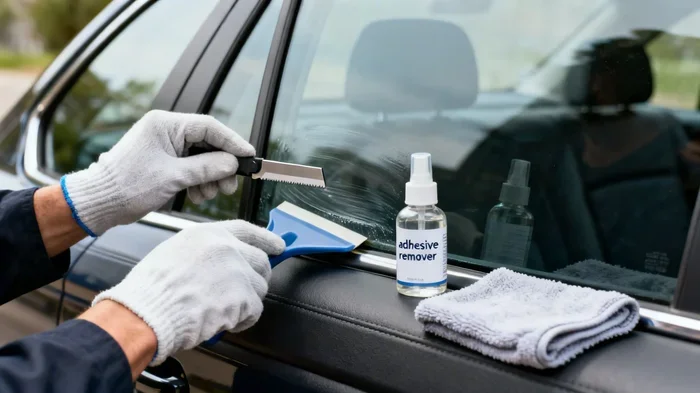
Professional installers have the tools, experience, and clean environments to do the job right. They prep the glass properly, cut the film precisely, and squeegee out all the moisture. A tint installation done by a pro can add years to your tint’s lifespan.
If you go the DIY route, take your time. Clean your windows thoroughly. Use a quality application kit. And be patient. Rushing the process almost always leads to problems that shorten your tint’s life.
Climate and Weather Conditions
Where you live has a huge impact on your tint’s longevity. If you live in a sunny, hot climate, your tint gets hit with UV rays every single day. Over time, this breaks down the dye and weakens the adhesive.
On the other hand, extreme cold can also cause problems. Cold weather makes the film brittle, and frequent temperature swings can cause the tint to expand and contract. This stress can lead to cracking or peeling at the edges.
Humidity is another factor. Moisture can get under the edges of the tint if the installation is not perfect. Over time, this moisture causes bubbling and separations. If you live in a humid area, make sure your tint installation is done in a controlled environment.
Adhesive Quality and Type
The adhesive is what holds your tint to the window. Not all adhesives are the same. Lower-quality adhesives break down faster when exposed to sunlight and heat. They also degrade when you clean the windows with harsh chemicals.
Premium tints use advanced adhesive systems that are more resistant to UV damage and temperature changes. These adhesives maintain a strong bond for many years. When evaluating tint durability, always ask about the adhesive type. It is one of those details that most people overlook but matters a lot.
Signs Your Tint Is Wearing Out
Knowing the warning signs of a failing tint helps you catch problems early. The sooner you address them, the better your chances of fixing the issue or planning a replacement.
Bubbling and Peeling
Bubbles are one of the most common signs of tint wear. Small bubbles might not look like a big deal at first. But they grow over time. Air and moisture get trapped between the film and the glass, creating unsightly blisters.
Peeling usually starts at the edges. You might notice the tint lifting away from the glass, especially around the corners. Once peeling begins, it tends to spread. At this point, the tint cannot be repaired. You will need a full replacement.
Discoloration and Fading
Dyed tints are especially prone to discoloration. You might notice the tint turning purple or brownish over time. This happens when the dye breaks down from UV exposure.
Fading also reduces the effectiveness of your UV protection tint. A faded tint blocks less heat and lets in more harmful rays. This means your car’s interior gets more sun damage too. Your dashboard, seats, and steering wheel all age faster when the tint is not doing its job.
Scratches and Film Degradation
Over time, tiny scratches from cleaning or debris can build up on the surface of your tint. These scratches scatter light and create a hazy or cloudy appearance. While light scratching does not usually affect the tint’s function, heavy scratching can weaken the film and speed up further degradation.
One thing to watch for is the tint turning cloudy or milky. This is a sign that the film material itself is breaking down. No amount of cleaning will fix this. It is time to start looking at replacement options.
How to Extend the Life of Your Car Tint
The good news is that you can take steps to make your car window tint last longer. Proper care and smart habits go a long way toward maximizing your tint lifespan.
Here are some practical tips to keep your tint in great shape:
- Wait at least 4 days before rolling down your windows. This gives the adhesive time to cure fully. Rolling windows down too early can cause the tint to peel at the edges.
- Clean your windows with a soft microfiber cloth. Avoid abrasive sponges or rough towels. They create micro-scratches that dull the tint over time.
- Use ammonia-free cleaners. Ammonia breaks down the adhesive and can cause the tint to bubble or peel. Stick to gentle, tint-safe cleaning solutions.
- Park in the shade when possible. Less direct sun exposure means less UV damage. Your tint will age more slowly if you give it a break from constant sun beating.
- Avoid tinting your car in winter. Cold temperatures slow the curing process and can lead to moisture problems. Spring and summer are the best seasons for tint installation.
- Get regular inspections. Have a professional check your tint once a year. They can catch small issues before they become big problems.
These simple habits might seem minor, but they add up. Over the years, they can mean the difference between a tint that lasts 5 years and one that lasts 10 or more.
Quick Tips for Daily Tint Care
Making tint care part of your routine is easier than you might think. Here are a few quick habits to adopt:
- Wipe down your windows weekly with a tint-safe cleaner
- Use a sunshade on hot days to reduce interior heat buildup
- Wipe up any spills on the windows immediately
- Avoid using rubber squeegees or rough paper towels on tinted windows
- Check the edges of your tint monthly for any lifting
Tint Types Compared for Longevity
Not sure which tint type is right for you? Let us compare the most popular options side by side. This will help you choose based on both performance and how long you can expect the tint to last.
| Tint Type | Average Lifespan | Heat Rejection | UV Protection | Signal Interference | Cost Level |
|---|---|---|---|---|---|
| Dyed Film | 3-5 years | Moderate | Good | None | Low |
| Metalized Film | 5-7 years | High | Good | Yes | Medium |
| Carbon Film | 6-8 years | High | Excellent | None | Medium-High |
| Ceramic Film | 10+ years | Excellent | Excellent | None | High |
As the table shows, ceramic tint is the clear winner for longevity. It also offers the best heat rejection and UV protection without interfering with your phone or GPS signals. However, it comes at a higher price point.
If budget is a concern, carbon tint strikes a great balance. It lasts longer than dyed or metalized options and does not interfere with electronics. For those on a tight budget, a quality dyed tint can still do the job for a few years before needing replacement.
Expert Insights on Choosing the Right Tint
Industry professionals consistently recommend ceramic or carbon tints for anyone who wants the best return on investment. Yes, they cost more upfront. But when you factor in the tint durability and the fact that you will not need to replace them for a decade or more, the cost per year is actually quite reasonable.
Many installers also suggest getting a tint with a strong warranty. A lifetime or 10-year warranty gives you peace of mind. If the tint fails prematurely, the manufacturer will typically replace it at no cost. Always read the warranty terms carefully, though. Some warranties only cover certain types of damage.
When Should You Replace Your Car Tint?
Even with the best care, every tint eventually needs replacing. The question is how do you know when the time has come? Here are the clear signs that it is time for a new car window tint:
- Heavy bubbling: If bubbles cover more than a small area, the tint is likely beyond repair.
- Significant peeling: When large sections of the tint are lifting off the glass, replacement is the only option.
- Severe discoloration: A tint that has turned noticeably purple or brown has lost most of its UV protection and heat rejection capabilities.
- Cloudy or hazy appearance: This indicates the film material is breaking down at a molecular level.
- Loss of heat rejection: If your car feels hotter than usual inside, your tint may no be doing its job effectively.
Replacing your tint is an investment, but it is one that pays off. A fresh tint improves your car’s appearance, protects your interior, and keeps you more comfortable while driving. Plus, modern tint films are better than ever, so you can get a product that outperforms what you had before.
Before scheduling a replacement, take time to research your options. Look into different window film quality levels and talk to multiple installers. Getting quotes from at least three professionals helps you find the best value. And always ask about the warranty before you commit.
Legal Considerations for Tint Replacement
When replacing your tint, keep in mind that every state has legal tint limits. These laws regulate how dark your tint can be and which windows it can be applied to. If you are replacing old tint, make sure the new film meets your state’s requirements.
Some states also require a visible light transmission sticker on the driver’s side window. This sticker shows that your tint is within the legal range. Failing to comply can result in fines or even a ticket to remove the tint. It is worth checking your local laws before you book your appointment.
Common Mistakes That Shorten Tint Lifespan
Many people unknowingly do things that reduce their tint durability. Avoiding these common mistakes can add years to your tint’s life:
- Rolling windows down too soon after installation: This is the number one mistake. Wait at least 4 days, and ideally a full week.
- Using harsh chemical cleaners: Ammonia-based window cleaners are a tint killer. They break down the adhesive and discolor the film over time.
- Using abrasive cleaning tools: Rough sponges, paper towels, and scrub brushes create scratches that degrade the tint’s appearance and integrity.
- Skipping the curing period: The adhesive needs time to fully bond to the glass. Driving in heavy rain or washing your car too soon can introduce moisture under the film.
- Choosing the cheapest option: Budget tints often use inferior materials and adhesives. They fade, bubble, and peel much faster than quality films.
By steering clear of these mistakes, you give your car window tint the best possible chance of lasting a long time. It is simple advice, but it makes a real difference.
Final Thoughts
So, how long does car tinting last? The answer really comes down to the type of film you choose, the quality of installation, and how well you take care of it. A quality ceramic or carbon tint installed by a professional and maintained with care can easily last 10 years or more. Even a budget dyed tint can serve you well for 3 to 5 years with basic maintenance.
The key is to be intentional about your choices from the start. Pick the right film type for your needs and budget. Invest in professional tint installation. And take a few minutes each week to care for your windows properly. These steps ensure that your car window tint delivers the heat rejection, UV protection, and privacy you need for years to come.
Your tint is an investment in your comfort and your car’s value. Treat it well, and it will reward you with long-lasting performance. Now that you know what affects tint durability, you are equipped to make smart decisions and enjoy your tinted windows for a long time.
Frequently Asked Questions
What is the average lifespan of car window tint?
Most quality car tints last between 5 and 10 years. Dyed tints tend to last 3 to 5 years, while ceramic tints can go 10 years or more. The exact lifespan depends on the film type, installation quality, and how well you maintain it.
Can a car tint last 20 years?
It is rare but possible for a high-quality ceramic tint to last 20 years with excellent care. Most tints, however, will need replacement between 5 and 15 years. Ceramic films have the best chance of reaching that 20-year mark because they resist fading and adhesive breakdown better than other materials.
Does tint bubble mean it is failing?
Small bubbles right after installation are normal and usually disappear as the adhesive cures. However, bubbles that appear months or years later indicate a problem. They are often caused by moisture intrusion or adhesive failure. Large or growing bubbles are a sign that your tint needs to be replaced.
How can I make my car tint last longer?
Wait at least 4 days before rolling down your windows, clean with ammonia-free products, use a soft microfiber cloth, park in the shade when possible, and avoid harsh chemicals. These simple habits significantly extend your tint durability and keep your film looking great for years.
Is it worth replacing old car tint?
Yes, if your tint is bubbling, peeling, or severely discolored, replacement is worth it. Old tint loses its UV protection and heat rejection capabilities. A fresh tint improves comfort, protects your car’s interior, and enhances your vehicle’s appearance. Plus, modern tint films offer better performance than older options.
Does the darkness of the tint affect how long it lasts?
No, the darkness level does not directly impact tint lifespan. However, very dark tints can trap more heat against the glass, which may affect the adhesive over time in extreme conditions. The film material and installation quality matter far more for longevity than the tint shade.