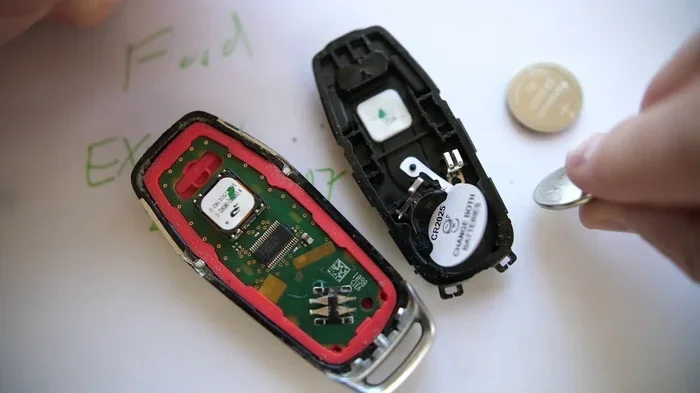
Do I Have to Reprogram My Key Fob After Battery Change
Do I have to reprogram my key fob after battery change? In most cases, the answer is no. However, some vehicles — especially those with advanced security systems — do require key fob reprogramming after a car battery replacement. Whether your remote key fob keeps working depends on your car’s make, model, and year. This guide walks you through everything you need to know about key fob synchronization, immobilizer systems, and DIY reprogramming steps.
This is a comprehensive guide about Do I Have to Reprogram My Key Fob After Changing the Car Battery?.
Key Takeaways
- Most cars keep working: The majority of vehicles do not require key fob reprogramming after a battery swap.
- Some models do need reprogramming: Luxury and newer vehicles with advanced security may require dealer-level programming.
- DIY reprogramming is possible: Many cars let you sync your key fob at home using simple button sequences.
- Disconnecting the battery matters: How you disconnect and reconnect your car battery can affect your key fob.
- Watch for warning signs: If your key fob stops working, check the fob battery first before assuming a bigger problem.
- Professional help is available: When DIY methods fail, a locksmith or dealer can handle the programming for you.
[FEATURED_IMAGE_PLACEHOLDER]
What Happens When You Change Your Car Battery?
Changing your car battery is one of those maintenance tasks everyone faces eventually. Whether your old battery is dead or you are doing a scheduled replacement, the process is usually straightforward. But once you reconnect everything, you might notice something unexpected. Your remote key fob does not work. Or your push button start system fails to recognize the key. This can feel alarming, but it is more common than you think.
When you disconnect your car battery, you cut power to the entire electrical system. This includes the onboard computer, the ECU, and the anti-theft system. These components store memory settings, radio presets, and in some cases, key fob pairings. Once you reconnect the battery, the system boots back up and checks for communication with your transponder key or keyless entry fob. If the handshake fails, your fob will not start the car or unlock the doors.
The good news is that this does not happen on every vehicle. Many cars retain their key fob synchronization even after a full power loss. Understanding why some cars lose the connection and others do not is the first step to solving the problem.
Why Does the Battery Change Affect Key Fobs?
Your car’s vehicle security system relies on a small computer called the ECU, or Engine Control Unit. This computer stores pairing information for each registered key fob. When you disconnect the battery, the ECU may reset to factory defaults. This wipes the stored fob data in some models but not others.
Think of it like a phone that forgets saved Wi-Fi passwords after a restart. Your car’s computer does something similar with your key fob battery and pairing codes. The difference is that some cars have a backup power source that keeps the ECU memory alive during a battery swap. Others do not.
Do You Always Need to Reprogram Your Key Fob After a Battery Change?
The short answer is no. The long answer depends on several factors, including your vehicle’s age, brand, and security features. Let us break this down so you know exactly what to expect.
Cars That Do NOT Require Reprogramming
Most standard vehicles from the last 15 years will keep your key fob working after a battery change. This includes many popular models from brands like Toyota, Honda, Ford, and Chevrolet. These cars use a simple rolling code system that does not store permanent pairing data in the ECU. Instead, the fob and the car negotiate a new code each time you use it.
If your car has a basic keyless entry system with lock and unlock buttons on the fob, there is a very high chance it will keep working after you swap the battery. You do not need to do anything special. Just reconnect the battery, get in, and try your fob.
Cars That DO Require Reprogramming
Luxury vehicles and newer models with advanced security are more likely to need key fob reprogramming after a battery change. Brands like BMW, Mercedes-Benz, Audi, and Lexus often use more sophisticated immobilizer systems. These systems store encrypted key fob data directly in the ECU. When the power drops, that data can be lost.
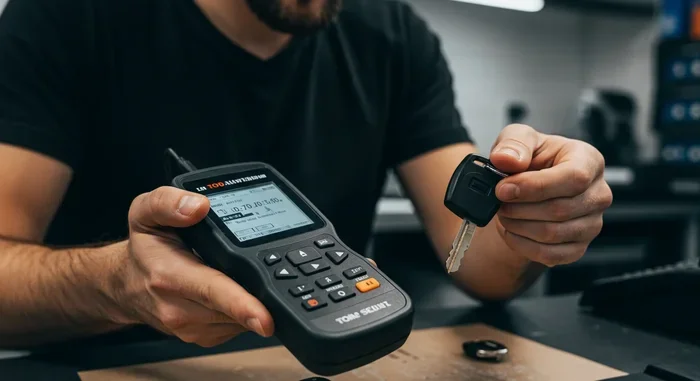
Some European cars require a OBD-II scanner to re-pair the fobs after a battery disconnect. In these cases, you cannot simply press buttons on the fob to resync. You need specialized diagnostic equipment that only a dealer or certified locksmith has.
Which Vehicles Commonly Need Key Fob Reprogramming?
Not all cars react the same way to a battery disconnect. Here is a closer look at vehicle categories and how they typically handle key fob synchronization after a power loss.
Domestic Brands
Most American-made vehicles from the past decade handle battery changes gracefully. Ford, Chevrolet, and GMC models usually retain their remote key fob programming. However, some newer models with proximity key systems may require a resync. Always check your owner manual for the specific procedure.
Japanese Brands
Toyota and Honda vehicles are generally reliable when it comes to keeping key fob functions intact after a battery swap. Most models do not require any reprogramming. However, certain luxury trims or hybrid models with smart key systems may need a quick resync. This usually involves sitting in the driver seat and following a simple button sequence.
European Luxury Brands
This is where things get tricky. BMW, Audi, and Mercedes vehicles often have complex security modules that lose their key fob pairings during a battery disconnect. If you own one of these vehicles, plan ahead before changing your battery. You may need to visit a dealer or locksmith for key fob programming.
| Vehicle Category | Reprogramming Needed? | DIY Possible? |
|---|---|---|
| Standard domestic models | Rarely | Usually not needed |
| Japanese mainstream brands | Occasionally | Often yes |
| European luxury brands | Frequently | Rarely |
| New models with smart keys | Sometimes | Depends on the model |
| Older vehicles (pre-2010) | Almost never | Not needed |
How to Reprogram Your Key Fob Yourself
If your car requires key fob reprogramming after a battery change, you might be able to do it yourself. Many vehicles have a simple procedure that does not require expensive tools. Here is how to approach it.
Step-by-Step Reprogramming Process
Before you start, make sure you have all the key fobs you want to reprogram. You will also need your vehicle’s ignition key. Follow these general steps:
- Sit in the driver seat and close all doors.
- Turn the ignition to the “On” position without starting the engine.
- Press the lock button on the fob within a specific time window (usually 5 seconds).
- Turn the ignition off, then back to “On” within a few seconds.
- Press the lock button again to confirm the new pairing.
- Repeat the process for any additional fobs you want to register.
- Turn the ignition off and test all fobs to confirm they work.
These steps vary by vehicle, so always refer to your owner manual or a trusted online source for the exact procedure for your specific model.
Quick Tips for Successful Reprogramming
- Work quickly: The timing windows for reprogramming are often tight. Hesitating too long will cause the process to fail.
- Replace the fob battery first: A weak key fob battery can cause reprogramming attempts to fail. Swap it out before you start.
- Stay within range: Keep the fob close to the onboard computer during the process, ideally on the center console.
- Try the factory reset method: Some vehicles have a hidden reset procedure involving the driver door switch or the glove box.
When Should You See a Professional?
Not every key fob reprogramming situation is DIY-friendly. There are clear signs that you should take your car to a professional. Knowing when to call for help saves you time, frustration, and potentially costly mistakes.
Signs You Need Professional Help
- None of your fobs work after the battery change, even after trying the DIY method.
- The immobilizer light stays on on your dashboard and will not turn off.
- Your car will not start even with a working fob and a new battery.
- You own a luxury vehicle that requires dealer-level diagnostic tools for programming.
- The onboard computer throws an error code related to the security module or immobilizer system.
Dealer vs. Locksmith: Who Should You Call?
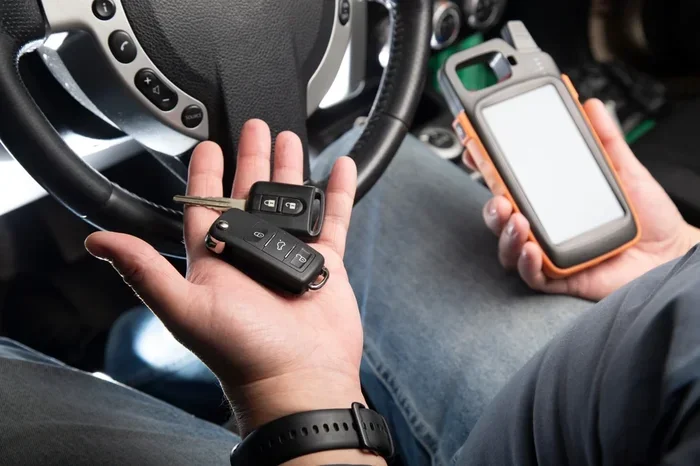
When professional help is needed, you have two main options. Your car dealer has access to the latest diagnostic software and manufacturer-specific programming tools. However, dealer programming can be expensive. A certified automotive locksmith often provides the same service at a lower cost. Many locksmiths carry portable OBD-II programmers that can handle most key fob synchronization tasks on the spot.
Before choosing either option, call ahead and ask about pricing. Some locksmiths charge a flat fee for key fob programming, while dealers bill by the hour. Getting a quote upfront helps you make the best decision for your budget.
Preventing Key Fob Issues After Battery Replacement
You can take steps to avoid key fob problems altogether when changing your car battery. A little preparation goes a long way toward keeping your remote key fob paired and ready to go.
Tips to Protect Your Key Fob During Battery Change
- Keep the fobs inside the car while you work on the battery. This prevents the anti-theft system from fully losing power.
- Use a memory saver device that plugs into your OBD-II port. It keeps the ECU powered during a battery swap and preserves all stored settings.
- Never disconnect both terminals at once if you can avoid it. Disconnect the negative terminal first and reconnect it last to minimize power loss.
- Take a photo of your battery before removing it. This ensures you reconnect everything in the correct orientation.
- Replace the fob battery proactively. A fresh key fob battery makes reprogramming much smoother if it becomes necessary.
Common Mistakes to Avoid
Many people make simple mistakes during a battery change that lead to key fob issues. Here are the most common ones:
- Leaving the fob in the glove box or center console while working under the hood. The fob should be inside the car to maintain its connection to the vehicle security system.
- Forgetting to reset the clock and radio presets after reconnecting. While this does not affect the fob, it is a common post-battery-change task.
- Reconnecting the battery too quickly after disconnecting. Wait at least 30 seconds to let the onboard computer fully discharge.
- Ignoring the immobilizer warning light after reconnecting. If the light stays on, address it immediately rather than trying to start the car.
Understanding Key Fob Technology and Why It Matters
To fully grasp why key fob reprogramming happens after a battery change, it helps to understand how these devices work. Modern keyless entry systems use a combination of radio frequency signals and encrypted codes to communicate with your car.
When you press a button on your remote key fob, it sends a unique coded signal to the car’s receiver module. The car checks this code against a list of authorized codes stored in its memory. If the code matches, the doors unlock or the engine starts. This process happens in milliseconds and keeps your vehicle secure from unauthorized access.
The transponder key takes this a step further. These keys contain a small chip that communicates with the immobilizer system. Even if someone hotwires the car, the engine will not start without the correct transponder signal. This technology has dramatically reduced car theft, but it also means that key fob synchronization is critical. Losing that connection through a battery disconnect can temporarily lock you out.
The Role of the ECU in Key Fob Operation
The ECU acts as the brain of your car’s key fob system. It stores the list of authorized fobs and validates every signal it receives. When you disconnect the battery, the ECU loses its temporary memory. In most cars, this does not affect the stored fob list. In others, the ECU resets completely and forgets which fobs are authorized.
This is why some vehicles need key fob reprogramming after a battery change while others do not. The design of the ECU and how it handles power loss varies widely across different manufacturers and model years. Newer cars with more advanced vehicle security systems tend to be more sensitive to power interruptions.
Key Fob Battery vs. Car Battery: What’s the Difference?
It is easy to confuse the key fob battery with the car battery, but they serve completely different purposes. The car battery powers the entire vehicle, including the engine, lights, and electronics. The key fob battery is a small coin cell that powers the remote buttons and, in some cases, the proximity sensor.
Changing your car battery does not affect the key fob battery. However, if your key fob stops working after a car battery change, the issue is not the fob battery itself. It is the lost communication between the fob and the car’s computer. Replacing the fob battery will not fix this type of problem. You need to restore the pairing through reprogramming.
Key Takeaways
- Most vehicles do not need reprogramming: Standard cars from the last 15 years typically keep working after a battery swap.
- Luxury and newer models may require it: European brands and vehicles with smart key systems are more likely to need key fob programming.
- DIY reprogramming works on many models: Try the button sequence method before spending money on a dealer or locksmith.
- Prevention is your best tool: Use a memory saver device and keep fobs inside the car during the battery change.
- Professional help is available when needed: A locksmith or dealer can handle complex reprogramming with the right tools.
Conclusion
So, do you have to reprogram your key fob after battery change? For most drivers, the answer is a reassuring no. Your remote key fob will likely keep working just fine after you swap out the old battery and reconnect the terminals. However, if you drive a luxury vehicle or a newer model with advanced security features, you may need to go through a key fob reprogramming process to restore the connection.
The key is preparation. Knowing what to expect before you start the battery change gives you confidence and saves you from unexpected surprises. Keep your fobs inside the car, consider using a memory saver device, and have your owner manual handy for the specific reprogramming steps if needed.
If the key fob synchronization does not restore on its own, do not panic. Try the DIY method first, and then reach out to a professional locksmith or dealer if that does not work. With the right approach, you will be back on the road in no time. The key fob reprogramming process is manageable, whether you handle it yourself or seek expert help. You have got this.
Frequently Asked Questions
Will my key fob stop working if I disconnect my car battery?
Not necessarily. Most vehicles retain their key fob pairing even after a full battery disconnect. However, some cars with advanced security systems may lose the connection and require key fob reprogramming. Check your owner manual or look up your specific model online to know what to expect.
How much does it cost to reprogram a key fob at the dealer?
The cost varies depending on the vehicle brand and the complexity of the key fob programming. On average, dealer programming ranges from $50 to $300. Independent locksmiths often charge less, typically between $30 and $150 for the same service. Always ask for a quote before committing to any service.
Can I reprogram my key fob without going to a dealer?
Yes, in many cases you can reprogram your remote key fob at home. Most vehicles with standard keyless entry systems have a built-in reprogramming sequence. You will need to follow the specific steps for your car model, which are usually found in the owner manual or online.
How long does key fob reprogramming take?
DIY reprogramming typically takes between 5 and 15 minutes once you know the steps. Professional programming at a dealer or locksmith usually takes about 20 to 45 minutes, depending on the vehicle and the number of fobs being programmed.
What should I do if none of my key fobs work after a battery change?
First, check the key fob battery and replace it if needed. Next, try the DIY reprogramming sequence for your vehicle. If neither of these steps works, take your car to a qualified locksmith or dealer. They can diagnose whether the ECU or immobilizer system needs professional attention.
Do hybrid and electric vehicles need key fob reprogramming after a battery change?
Some hybrid and electric vehicles have more sensitive vehicle security systems that may require key fob synchronization after a battery disconnect. However, many models handle the power loss without any issues. Check your specific vehicle manual or contact the manufacturer to confirm the procedure for your model.