Why Do New Cars Not Have Gas Caps Anymore Explained
Modern vehicles have ditched the traditional gas cap in favor of capless fuel systems that make refueling faster, safer, and more convenient. These electronic fuel caps use advanced EVAP systems to control emissions and prevent fuel vapor leaks. If you’re wondering why do new cars not have gas caps, the answer comes down to smarter engineering, stricter EPA regulations, and better fuel efficiency standards.
You probably noticed it the first time you pulled up to a gas station in a brand-new car. You reach for the fuel cap, and there’s nothing there. No twist-off lid. No screw-on seal. Just an open hole staring back at you. It can feel a little strange at first.
But here’s the thing. This design isn’t a mistake. It’s not a flaw. Car manufacturers intentionally removed the traditional gas cap from most new vehicles. And there’s a really good reason behind it. Why do new cars not have gas caps? The answer is simpler than you might think, and it involves some pretty clever engineering.
In this article, we’ll walk you through everything you need to know about capless fuel systems. We’ll cover how they work, why automakers made the switch, and what it means for you as a driver. Whether you just bought a new car or you’re curious about modern vehicle design, this guide has you covered.
Key Takeaways
- No More Traditional Gas Caps: Most new cars now use capless fuel systems that seal automatically during refueling.
- Better Emissions Control: The EVAP system traps fuel vapors more effectively than old-style caps ever could.
- Faster Refueling: You just pop the fuel filler door and insert the pump nozzle directly.
- Reduced Theft Risk: Without a removable cap, fuel siphoning becomes much harder for thieves.
- Fewer Maintenance Issues: No cap means no lost, broken, or forgotten gas cap replacement needs.
- Environmental Benefits: Stricter environmental standards drove the shift away from traditional caps.
- Warning Lights Still Exist: If something goes wrong, your car will alert you with a fuel cap warning light on the dashboard.
📑 Table of Contents
- The Rise of the Capless Fuel System
- Why Automakers Made the Switch
- Common Concerns About Capless Fuel Systems
- The Environmental Impact of Going Cap-Less
- Maintenance Tips for Capless Fuel Systems
- Comparison: Traditional Gas Caps vs. Capless Systems
- Expert Insights on the Future of Fuel Systems
- Key Takeaways
- Conclusion
The Rise of the Capless Fuel System
The shift away from traditional gas caps didn’t happen overnight. It was a gradual process driven by technology, regulations, and consumer demand. Understanding this history helps explain why why do new cars not have gas caps is such a common question today.
A Brief History of the Gas Cap
For decades, every car had a removable gas cap. You twisted it off, filled up, and put it back. Simple enough. But as automotive design evolved, engineers started looking for ways to improve the car fuel system. The old cap had real limitations. It could be left off accidentally. It could get lost. And it wasn’t great at preventing fuel vapors from escaping into the air.
By the 1990s, the Environmental Protection Agency started tightening rules around vehicle emissions. The EVAP system, which stands for Evaporative Emission Control, became standard on most new cars. This system captures fuel vapors and prevents them from releasing into the atmosphere. The traditional cap wasn’t up to the task of working seamlessly with this new technology.
How Capless Systems Work
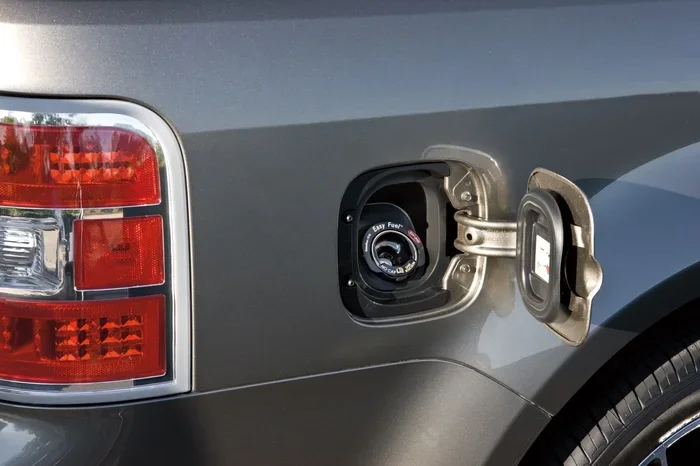
A capless fuel system uses a spring-loaded seal inside the fuel filler neck. When you insert the gas pump nozzle, the seal opens to allow fuel in. When you remove the nozzle, the seal closes automatically. There’s no cap to lose, no threading, and no hassle.
Here’s how the refueling process typically works:
- You open the fuel filler door, usually with a button or lever inside the car.
- You insert the pump nozzle directly into the fuel inlet.
- The spring-loaded seal opens and fuel flows in.
- When the tank is full, the pump clicks off.
- You remove the nozzle, and the seal closes on its own.
That’s it. No cap. No fuss. The entire car technology behind this system is designed to be foolproof.
Why Automakers Made the Switch
The decision to remove gas caps wasn’t made lightly. Automakers weighed several factors before making the change. Let’s break down the main reasons why do new cars not have gas caps anymore.
Stricter Emissions Regulations
EPA regulations and environmental standards around the world became much stricter over the past two decades. Cars needed to meet tighter limits on hydrocarbon emissions. A traditional gas cap can allow small amounts of fuel vapor to escape, especially if it’s worn or not sealed properly.
Capless systems eliminate this problem almost entirely. The automatic seal provides a much tighter closure than most people ever realized their old cap offered. This helps automakers meet emissions control requirements without extra effort from the driver.
Improved Fuel Efficiency
Every little bit counts when it comes to fuel efficiency. Fuel vapors that escape through a loose or damaged cap represent lost fuel and wasted money. The capless fuel system keeps those vapors contained and redirects them back into the fuel tank through the EVAP system.
Over time, this adds up. While you might not notice a huge difference day to day, the cumulative effect across millions of vehicles is significant. Better fuel efficiency also means lower emissions, which benefits everyone.
Enhanced Safety Features
Car safety features have come a long way. The capless fuel system is part of that evolution. Without a removable cap, there’s less risk of fuel spills during refueling. The automatic seal also prevents fuel from sloshing out in hot weather or during sharp turns.
Additionally, removing the cap eliminates a potential entry point for water, dirt, and debris into the fuel tank. This leads to cleaner fuel delivery and fewer contaminants in the system.
Reduced Theft and Vandalism
Gas cap theft is more common than you’d think. Thieves can siphon fuel quickly with a removable cap. Some cars even had caps that could be opened with a universal key. Removing the cap entirely makes fuel theft much harder and less attractive to criminals.
This is a small but meaningful benefit. It also means fewer instances of cap-related vandalism, like caps being stolen or fuel filler necks being damaged.
Common Concerns About Capless Fuel Systems
Even though capless systems have been around for over a decade, many drivers still have questions and concerns. Let’s address the most common ones.
Can You Still Put the Wrong Fuel In?
Yes, you can still put the wrong type of fuel in your tank. The capless design doesn’t prevent diesel from being put into a gasoline tank or vice versa. However, most modern vehicles have fuel filler necks shaped differently for different fuel types. This physical difference makes it harder to accidentally use the wrong fuel.
If you’re ever unsure, check your owner’s manual. It will tell you the correct fuel type for your specific vehicle. Taking a few seconds to confirm can save you from expensive repairs.
What Happens If the Seal Gets Stuck?
Rarely, the spring-loaded seal inside a capless fuel system can get stuck. This might happen if dirt or debris gets into the fuel inlet. If the seal doesn’t open during refueling, fuel might overflow or the pump might keep clicking off.
In most cases, a quick cleaning solves the problem. You can use a soft cloth to wipe around the fuel inlet. If the issue persists, a visit to a mechanic is a good idea. Regular vehicle maintenance helps prevent most seal-related issues.
Does the Fuel Cap Warning Light Mean Something’s Wrong?
You might see a fuel cap warning light on your dashboard even though your car doesn’t have a traditional cap. Don’t panic. This light can come on for several reasons:
- The fuel filler door isn’t fully closed.
- The internal seal is dirty or damaged.
- There’s a leak in the EVAP system.
- The gas cap (if your model has one) isn’t tightened properly.
In most cases, the light is a minor issue. Try closing the fuel filler door firmly. If the light stays on, have a professional check the EVAP system. Ignoring it could lead to reduced fuel efficiency and failed emissions tests.
Is There a Backup Way to Open the Fuel Door?
Yes. Most modern vehicles have a backup release mechanism for the fuel door release. If the electronic button fails, there’s usually a lever or cable inside the trunk or behind the seat that you can pull. Check your owner’s manual to find the backup release for your specific car.
This is a great example of how car safety features are built into every part of the vehicle, even something as simple as the fuel door.
The Environmental Impact of Going Cap-Less
The environmental benefits of removing gas caps are real and measurable. Let’s take a closer look at how capless fuel systems help the planet.
Every year, millions of gallons of fuel vapor escape from vehicles with traditional caps. These vapors contain harmful hydrocarbons that contribute to smog and air pollution. The EVAP system in a capless car captures these vapors and routes them back into the engine, where they get burned as fuel.
This might seem like a small change. But when you multiply it by the millions of new cars sold every year, the impact is enormous. Environmental standards set by governments around the world have pushed automakers to adopt cleaner technologies. The capless fuel system is one of the simplest and most effective solutions they’ve implemented.
Beyond emissions, going cap-less also reduces plastic waste. Traditional gas caps are made of plastic and rubber, both of which wear out over time and need to be replaced. Fewer caps in circulation means less plastic ending up in landfills.
Maintenance Tips for Capless Fuel Systems
Even though capless fuel systems require less maintenance than traditional caps, they still need some care. Here are a few tips to keep your system running smoothly.
Keep the Fuel Inlet Clean
Dirt and grime can build up around the fuel inlet over time. Once a month, wipe the area with a clean, damp cloth. This prevents debris from interfering with the spring-loaded seal.
Don’t Overfill the Tank
It’s tempting to keep pumping after the nozzle clicks off. Resist that urge. Overfilling can cause fuel to enter the EVAP system, which can lead to costly repairs. Let the automatic shut-off do its job.
Address Warning Lights Promptly
If your fuel cap warning light comes on, don’t ignore it. Even though there’s no traditional cap, the light indicates a potential issue with the emissions system. Getting it checked early can prevent bigger problems down the road.
Use Quality Fuel
Cheap or contaminated fuel can damage your car fuel system over time. Stick with reputable gas stations and the fuel grade recommended by your manufacturer. This small habit pays off in the long run.
Know Your Backup Release
Familiarize yourself with the fuel door release backup mechanism. In an emergency or if the electronic release fails, you’ll be glad you know where it is. Your owner’s manual is the best place to find this information.
Comparison: Traditional Gas Caps vs. Capless Systems
Let’s put the two systems side by side to see how they compare.
| Feature | Traditional Gas Cap | Capless System |
|---|---|---|
| Seal Type | Removable screw-on cap | Spring-loaded automatic seal |
| Emissions Control | Moderate | Excellent |
| Refueling Speed | Standard | Slightly faster |
| Maintenance Needs | Regular cap inspection | Minimal |
| Theft Risk | Higher | Lower |
| Risk of Loss | Yes, caps get lost | No removable parts |
| Environmental Impact | Moderate vapor loss | Minimal vapor loss |
| Warning Systems | Basic | Advanced dashboard alerts |
As you can see, the capless fuel system wins in almost every category. The only real downside is the slight learning curve for drivers used to traditional caps. But once you get used to it, you’ll probably prefer the simplicity.
Expert Insights on the Future of Fuel Systems
Automotive engineers predict that capless fuel systems will continue to evolve. Some manufacturers are experimenting with even more advanced designs. For example, some modern vehicles now feature automatic fuel dispensing systems that don’t even require you to hold the nozzle.
As electric vehicles become more popular, the concept of a “fuel cap” may become completely obsolete. EVs don’t need gas at all. But for hybrid and traditional gasoline cars, the capless system represents a smart bridge between old technology and new standards.
Experts also note that vehicle maintenance for capless systems will become even simpler as the technology matures. Self-cleaning seals and advanced diagnostics are already in development. The future of automotive design looks bright, and it all starts with something as simple as removing a gas cap.
Key Takeaways
- No More Traditional Gas Caps: Most new cars now use capless fuel systems that seal automatically during refueling.
- Better Emissions Control: The EVAP system traps fuel vapors more effectively than old-style caps ever could.
- Faster Refueling: You just pop the fuel filler door and insert the pump nozzle directly.
- Reduced Theft Risk: Without a removable cap, fuel siphoning becomes much harder for thieves.
- Fewer Maintenance Issues: No cap means no lost, broken, or forgotten gas cap replacement needs.
- Environmental Benefits: Stricter environmental standards drove the shift away from traditional caps.
- Warning Lights Still Exist: If something goes wrong, your car will alert you with a fuel cap warning light on the dashboard.
Conclusion
Why do new cars not have gas caps? The answer is a combination of smarter technology, stricter environmental rules, and a design that simply works better. Capless fuel systems offer cleaner emissions, improved fuel efficiency, better safety, and less hassle for drivers.
The shift might feel unusual at first, especially if you’ve spent years twisting off a gas cap. But once you experience the convenience of a capless fuel system, you’ll wonder why it took so long. The refueling process is faster, the fuel filler door is simpler, and there’s one less thing to lose or forget.
If you drive a new car without a gas cap, embrace it. You’re part of a smarter, cleaner, and more efficient future of automotive design. And if you ever need to check on your EVAP system or address a fuel cap warning light, you now know exactly what to look for.
Keep your fuel inlet clean, use quality fuel, and don’t ignore dashboard warnings. Your car fuel system will thank you for it. And who knows? Maybe one day, the concept of a gas cap will seem as outdated as a hand-cranked engine. Until then, enjoy the simplicity of the capless fuel system and the peace of mind that comes with it.
Frequently Asked Questions
Can I still lose my gas cap if my car has a capless system?
No. Capless systems don’t have a removable cap, so there’s nothing to lose. The spring-loaded seal stays in place and closes automatically after refueling. This is one of the biggest advantages of the capless fuel system over traditional designs.
Is it bad to drive without a gas cap on a capless system?
You don’t need to worry about driving without a cap because there isn’t one. But if your fuel filler door is damaged or doesn’t close properly, it can trigger the fuel cap warning light on your dashboard. Always make sure the fuel door is fully closed after refueling.
Do all new cars have capless fuel systems?
Most new cars from major manufacturers now use capless fuel systems. However, some models and brands still use traditional caps. If you’re unsure, check your owner’s manual or look at the fuel filler area when you open the fuel door release. You’ll quickly see whether your car has a cap or a capless design.
Can a capless fuel system cause the check engine light to come on?
Yes. If the EVAP system detects a leak or malfunction, it can trigger the check engine light. Common causes include a dirty fuel inlet, a damaged seal, or a loose fuel filler door. Regular vehicle maintenance helps prevent these issues.
Are capless systems more expensive to repair than traditional gas caps?
Generally, no. Capless fuel systems have fewer moving parts and no cap to replace. However, if the internal seal or fuel filler door mechanism fails, repairs can be more involved than replacing a simple gas cap. Routine cleaning and care help avoid most problems.
Will the government require all cars to use capless systems in the future?
While there’s no current mandate requiring all cars to use capless fuel systems, tightening EPA regulations and environmental standards make this design the clear direction for the industry. Most automakers have already adopted capless systems across their lineup, and the trend is likely to continue as emissions control requirements become even stricter.