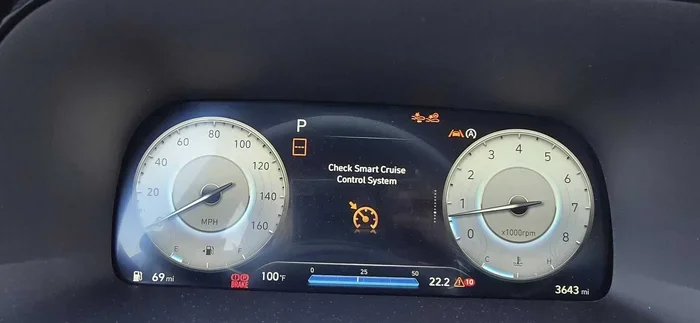
What to Do If Cruise Control Is Stuck While Driving
Knowing what to do if cruise control is stuck can save your life on the road. A stuck cruise control system can cause your car to maintain or increase speed unexpectedly, which is dangerous and stressful. This guide walks you through the exact steps to disengage cruise control, troubleshoot common causes, and prevent future malfunctions. Whether your throttle is stuck or the system won’t cancel, you will find clear, actionable advice here.
You are cruising down the highway, relaxed, maybe even enjoying the scenery. Then something feels off. Your foot isn’t on the accelerator, but the car keeps speeding up. Or worse, you try to slow down and the cruise control just will not let go. This is a scary situation, but it happens more often than you might think. The good news is that you have options. What to do if cruise control is stuck is a question every driver should know the answer to. This guide gives you the exact steps, the common causes, and the prevention tips you need to stay safe.
Cruise control is one of those features we love on long road trips. It reduces fatigue, keeps a steady vehicle speed, and makes driving more comfortable. But when the system malfunctions, it can turn a pleasant drive into a nerve-wracking experience. A stuck throttle or a faulty cruise control system can cause unintended acceleration, failure to slow down, or complete loss of speed regulation. Understanding how to respond in these moments is not just helpful, it is essential for every driver on the road.
Key Takeaways
- Tap the brake or clutch pedal immediately to disengage cruise control in most vehicles.
- Use the cancel button on the steering wheel as your first line of defense.
- Check the fuse and wiring if cruise control fails to engage or disengage repeatedly.
- Do not panic or turn off the ignition while driving, as this locks the steering wheel.
- Regular maintenance prevents cruise control problems like faulty speed sensors and worn cables.
- Know your vehicle-specific override methods for different makes and models.
- Seek professional help if the throttle itself is physically stuck.
📑 Table of Contents
- What to Do If Cruise Control Is Stuck Right Now
- Common Reasons Why Cruise Control Gets Stuck
- How to Troubleshoot a Stuck Cruise Control System
- Preventing Cruise Control Problems Before They Happen
- When to Seek Professional Help
- Cruise Control Safety Tips Every Driver Should Know
- Key Takeaways
- Conclusion
What to Do If Cruise Control Is Stuck Right Now
If your cruise control is stuck while you are driving, the most important thing is to stay calm. Panic leads to bad decisions. Follow these steps in order. They work for most vehicles on the road today.
Step 1: Tap the Brake Pedal
The easiest and most reliable way to disengage cruise control is to press the brake pedal. This works on virtually every car, truck, and SUV made in the last 20 years. When you press the brake, the system instantly cancels the set speed. Your foot is already near the brake when you are driving, so this should be your reflex action.
Do not pump the brake aggressively. A firm, steady press is enough. The brake signal tells the cruise control module that you want to slow down, and the system responds immediately. Once the brake is pressed, the cruise control light on your dashboard should turn off.
Step 2: Press the Cancel Button
Most steering wheels have a dedicated cancel button for the cruise control system. Look for a button labeled “Cancel” or marked with a symbol that looks like a speedometer with a line through it. Pressing this button disengages the system without applying the brakes.
This is useful if you need to slow down slightly but do not want to fully cancel the system. However, if the cruise control is truly stuck, the cancel button alone may not work. In that case, move to the brake pedal immediately.
Step 3: Try the Off Switch
Some vehicles have an on/off switch for cruise control, usually located on the steering column or the dashboard. If the brake pedal and cancel button do not work, flip this switch to the off position. This is a hard cutoff that disables the entire system.
On older vehicles with a cable-operated cruise control, you may also find a clutch pedal switch. Pressing the clutch pedal in a manual transmission vehicle will disengage cruise control the same way the brake pedal does in an automatic.
Step 4: Shift to Neutral
If the throttle is physically stuck and nothing else is working, shift the transmission into neutral. This disconnects the engine from the wheels and allows the car to slow down naturally. You will lose engine braking power, but you will regain control of your speed.
Do not turn the ignition off while moving. Turning the key to the lock position will disable the steering lock, and you will lose the ability to steer. That is far more dangerous than a stuck throttle. Shifting to neutral is the safer option.
Common Reasons Why Cruise Control Gets Stuck
Understanding why cruise control gets stuck helps you prevent it from happening in the first place. Several components work together to make the cruise control system function, and any one of them can fail.
Faulty Vehicle Speed Sensor
The vehicle speed sensor tells the cruise control module how fast you are going. If this sensor fails or sends incorrect readings, the system may not respond to changes in speed or may refuse to disengage. A bad speed sensor can also trigger the check engine light, so pay attention to your dashboard warnings.
Worn or Damaged Cruise Control Cable
Older vehicles use a mechanical cable to connect the cruise control system to the throttle. Over time, this cable can stretch, fray, or seize up. A stuck cable means the throttle stays in one position, and the system cannot adjust your speed. Regular inspection of the cruise control cable during routine maintenance can catch this issue early.
Bad Brake Light Switch
The brake light switch does more than turn on your taillights when you press the brake. It also sends a signal to the cruise control system to disengage. If this switch fails, the system may not receive the cancel signal, and cruise control will stay engaged even when you are braking.
Electronic Throttle Control Malfunction
Modern vehicles use electronic throttle control instead of a mechanical cable. The electronic throttle body is controlled by the engine control module. If there is a software glitch, a wiring issue, or a failing motor in the throttle body, the cruise control system may malfunction. These issues often require diagnostic tools to identify.
Blown Fuse or Wiring Problem
A simple blown fuse can disable or disrupt the cruise control system. Check your owner’s manual to locate the fuse box and identify the cruise control fuse. If the fuse is blown, replacing it may solve the problem entirely. However, if the fuse keeps blowing, there is likely a deeper wiring issue that needs professional attention.
Dirty or Sticky Throttle Body
Carbon buildup inside the throttle body can cause the valve to stick. When the throttle sticks, the cruise control system cannot adjust airflow properly, leading to erratic speed behavior or a system that will not release. A throttle body cleaning is a relatively inexpensive fix that can resolve this problem.
How to Troubleshoot a Stuck Cruise Control System
If your cruise control has been acting up but is not currently stuck, you can do some basic troubleshooting at home. These steps can help you identify the problem before it becomes a serious safety issue.
Check the Fuse Box
Start by locating the fuse box under your hood or inside the cabin. Refer to your owner’s manual for the exact location of the cruise control fuse. Pull the fuse and inspect it for a broken filament. Replace it with a fuse of the same amperage rating.
If the new fuse blows immediately, there is a short circuit somewhere in the system. Do not keep replacing fuses. Take the vehicle to a mechanic to diagnose the underlying electrical problem.
Inspect the Cruise Control Switch
The buttons on your steering wheel take a lot of wear and tear over the years. Moisture, dirt, and grime can cause the switches to become unresponsive. If the set, resume, or cancel buttons feel sticky or do not respond, the switch assembly may need to be cleaned or replaced.
You can try cleaning the contacts with electrical contact cleaner sprayed through the button gaps. If that does not work, a replacement switch is usually affordable and straightforward to install.
Scan for Error Codes
Modern vehicles store fault codes in the engine control module when something goes wrong. You can use an OBD-II scanner to read these codes. A scanner is a worthwhile investment for any car owner and costs under $50 for a basic model.
Common error codes related to cruise control problems include issues with the speed sensor, throttle position sensor, and brake light switch. Once you have the code, you can look up what it means and decide whether it is a DIY fix or a job for a professional.
Test the Brake Light Switch
A failing brake light switch is one of the most common causes of cruise control problems. To test it, turn on your hazard lights and press the brake pedal. If the rear lights do not illuminate or they stay on constantly, the switch may be faulty. Replacing a brake light switch is inexpensive and usually takes about 15 minutes.
Preventing Cruise Control Problems Before They Happen
The best way to deal with a stuck cruise control system is to prevent the problem from occurring in the first place. Regular maintenance and good driving habits go a long way.
- Have the throttle body inspected during every major service appointment. Carbon buildup is the enemy of smooth throttle operation.
- Check the cruise control cable on older vehicles for signs of wear, fraying, or stiffness. Replace it at the first sign of trouble.
- Never ignore dashboard warning lights. If the check engine light comes on, get the vehicle scanned as soon as possible.
- Keep the brake light switch maintained. A working brake light switch is critical for both safety and cruise control function.
- Clean the steering wheel controls periodically to prevent dirt buildup around the cruise control buttons.
- Follow the manufacturer’s maintenance schedule for the vehicle speed sensor and related electrical components.
- Address any unusual behavior immediately. If cruise control feels sluggish or unresponsive, do not wait for it to fail completely.
When to Seek Professional Help
Not every cruise control problem is a DIY fix. Some issues require the expertise of a trained mechanic with the right diagnostic equipment. Here is when you should call for help.
If the throttle itself is physically stuck and you cannot free it by shifting to neutral, pull over safely and call for roadside assistance. Trying to force the throttle open while driving is extremely dangerous. A mechanic can inspect the throttle body, the electronic throttle control motor, and the related wiring harness to find the root cause.
If you have checked the fuses, switches, and cables but the cruise control still malfunctions, the problem is likely inside the cruise control module or the engine control unit. These components require specialized diagnostic tools and software to repair. A professional mechanic can also perform a full cruise control system test to ensure everything is working correctly before you hit the road again.
The cost of cruise control repair varies widely depending on the vehicle and the specific problem. A fuse replacement might cost under $20. A new brake light switch could run $50 to $150. But replacing a throttle body or a cruise control module can cost several hundred dollars. Getting a clear diagnosis from a trusted mechanic helps you make informed decisions about the repair.
Cruise Control Safety Tips Every Driver Should Know
Cruise control is a convenience feature, not a replacement for active driving. Keep these safety tips in mind every time you use the system.
- Always stay alert. Cruise control does not steer the car or react to unexpected obstacles. Your hands should stay on the wheel and your eyes on the road at all times.
- Do not use cruise control in heavy traffic. The system is designed for steady speeds on open roads. Stop-and-go traffic can cause the system to behave unpredictably.
- Avoid using cruise control in wet or icy conditions. A sudden loss of traction while cruise control is active can cause wheel spin and loss of control.
- Set your speed reasonably. Cruise control maintains the set speed regardless of road conditions. Do not set it above the safe speed limit for current weather or traffic.
- Know your vehicle’s override methods. Every car is different. Read your owner’s manual and familiarize yourself with the cruise control controls before you need them in an emergency.
Key Takeaways
- Tap the brake pedal first to disengage cruise control in any vehicle.
- Use the cancel button or off switch as alternative methods to stop the system.
- Shift to neutral if the throttle is physically stuck and other methods fail.
- Never turn off the ignition while driving, as this locks the steering wheel.
- Common causes include faulty speed sensors, worn cables, bad brake switches, and throttle body issues.
- Regular maintenance prevents most cruise control problems before they become dangerous.
- Seek professional help for complex electrical or module issues.
Conclusion
Dealing with a cruise control stuck situation is frightening, but knowing the right steps makes all the difference. The brake pedal is your best friend in this scenario. The cancel button, the off switch, and shifting to neutral are all backup options that can help you regain control. Understanding the common causes, from a bad speed sensor to a worn cruise control cable, empowers you to prevent problems before they start.
Regular maintenance keeps your cruise control system running smoothly and reliably. Check your fuses, inspect your cables, and pay attention to dashboard warnings. When issues arise that you cannot resolve on your own, a qualified mechanic can diagnose and fix the problem safely.
Remember, cruise control is a tool to make driving more comfortable, not a substitute for your attention and judgment. Stay alert, maintain your vehicle, and know exactly what to do if cruise control is stuck while driving. That knowledge could one day protect you and your passengers on the road.
Frequently Asked Questions
Can a stuck cruise control cause unintended acceleration?
Yes, a malfunctioning cruise control system can cause unintended acceleration if the throttle stays engaged and does not release. This is why it is critical to know how to disengage the system immediately by pressing the brake pedal or using the cancel button.
Is it safe to drive with cruise control malfunctioning?
No, it is not safe to continue driving with a cruise control that does not disengage properly. The system may fail to adjust your speed or may cause erratic acceleration. Turn off the system manually and have the vehicle inspected by a mechanic before using cruise control again.
How much does it cost to fix a stuck cruise control?
The cost varies depending on the cause. A simple fuse replacement may cost under $20, while a brake light switch could run $50 to $150. More complex issues like a faulty throttle body or cruise control module can cost several hundred dollars. A proper diagnosis from a mechanic will give you an accurate estimate.
Does cruise control work differently in automatic versus manual transmission vehicles?
Yes, there is a difference. In manual transmission vehicles, pressing the clutch pedal disengages cruise control in addition to the brake pedal. Some vehicles also have a clutch pedal switch that serves as an additional safety mechanism. Automatic vehicles rely on the brake pedal and the cancel button on the steering wheel.
Can a dead battery cause cruise control problems?
Yes, a weak or dying battery can cause electrical issues that affect the cruise control system. If the battery voltage drops below the level required by the cruise control module, the system may malfunction or fail to engage. Always check your battery health if you notice intermittent cruise control problems.
What should I do if cruise control sticks on a highway at high speed?
Stay calm and press the brake pedal firmly. This will disengage the system immediately. Do not turn off the ignition while driving, as this locks the steering. Shift to neutral if needed to reduce speed safely, then pull over to the side of the road and turn off the engine once you are at a safe location.