The History of Auto Glass Explained and Why It Matters
The history of auto glass is a story of innovation, safety breakthroughs, and remarkable engineering. Early cars had no glass at all, and drivers relied on leather straps to block wind. Today, automotive glass features advanced laminated and tempered layers that protect lives in crashes. Understanding this journey helps you appreciate the glass in your car and make smarter choices about windshield repair and auto glass replacement.
When you slide behind the wheel today, you probably never think twice about the glass around you. It just sits there, keeping bugs out and rain off your face. But the history of auto glass is anything but boring. It is a tale of danger, invention, and hard-won safety breakthroughs that have saved countless lives.
Cars once rolled down dirt roads with nothing but a leather strap to keep the wind from your eyes. Drivers got hit in the face by stones, dust, and rain with no protection at all. Fast forward to today, and your vehicle glass is a high-tech marvel made of multiple layers, built to withstand serious impact. The history of auto glass explains how we got here and why the glass in your car matters more than you might think.
In this article, we will walk through every major chapter of the history of auto glass. We will cover early beginnings, the invention of safety glass, government regulations, and the modern innovations that shape your windshield today. By the end, you will see your car’s glass in a whole new light.
Key Takeaways
- Auto glass started with nothing: Early cars had no glass, and drivers used leather straps or screens to block wind and debris.
- Safety glass revolutionized the industry: The invention of laminated and tempered glass made driving far safer for everyone on the road.
- Regulations drove innovation: Government safety standards in the mid-20th century forced the auto glass industry to improve rapidly.
- Modern windshields do much more than protect: Today’s glass supports airbags, houses sensors, and even blocks UV rays.
- OEM vs aftermarket matters: Knowing the difference helps you choose the right glass for auto glass replacement and avoid costly mistakes.
- History teaches us to value quality: Understanding how far auto glass has come reminds us why cutting corners on windshield repair is a bad idea.
📑 Table of Contents
- The Early Days: When Cars Had No Glass
- How Safety Glass Changed Everything
- The Rise of the Auto Glass Industry
- Modern Auto Glass Technology
- OEM vs Aftermarket Glass: What You Need to Know
- Why Understanding the History of Auto Glass Matters
- Quick Tips for Auto Glass Care
- Common Mistakes People Make with Auto Glass
- Expert Insights: What the Future Holds for Auto Glass
- Key Takeaways
- Conclusion
The Early Days: When Cars Had No Glass
The first automobiles were simple machines. They had open tops, no roofs, and certainly no automotive glass. Early drivers dealt with wind, rain, and road debris the old-fashioned way. They wore goggles, scarves, and anything else they could find to shield their faces.
The Bare Bones Beginning
In the 1890s and early 1900s, cars were built for speed and simplicity, not comfort. Manufacturers focused on getting the engine right. Glass was heavy, expensive, and hard to produce in large sheets. So most cars simply left the driver and passengers exposed to the elements.
Some early vehicles used simple canvas or leather covers. These offered minimal protection. A stone kicked up by the front tire could easily hit a driver in the face. Windshield repair was not even a concept yet because there were no windshields to repair.
The First Windshields Appear
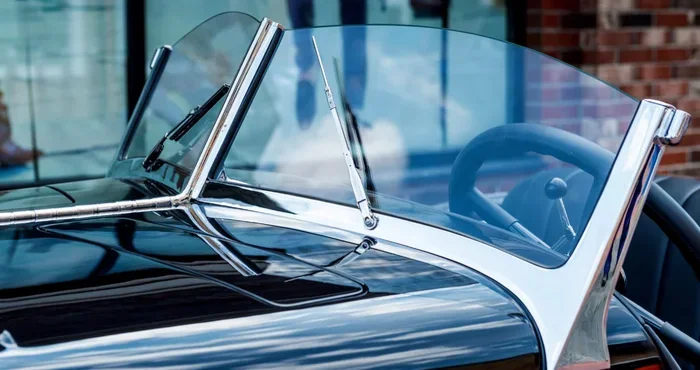
By around 1904, some car manufacturers started adding plate glass to the front of their vehicles. This was a big step forward. However, early plate glass was heavy and extremely dangerous. When it broke, it shattered into sharp, jagged pieces that caused severe injuries.
Drivers quickly learned that plate glass was not a perfect solution. A small rock could turn a windshield into a shower of deadly shards. This problem set the stage for one of the most important inventions in automotive history.
How Safety Glass Changed Everything
The turning point in the history of auto glass came with the invention of safety glass. Two brilliant minds worked on separate solutions to the same deadly problem: shattered glass.
The Invention of Laminated Glass
In 1903, a French chemist named Edouard Benedictus accidentally dropped a glass flask coated in cellulose nitrate. Instead of shattering into pieces, the glass cracked but held together. Benedictus had discovered the principle behind laminated glass.
Laminated glass consists of two layers of glass with a thin plastic layer sandwiched in between. When impact occurs, the plastic holds the glass fragments in place. This prevents dangerous shards from flying into the cabin. It was a game-changer for automotive glass and the auto glass industry as a whole.
By the 1920s, laminated glass became standard for front windshields. This single innovation dramatically reduced facial injuries and eye damage for drivers everywhere. Today, laminated glass remains the standard for windshield repair and replacement in most vehicles.
Tempered Glass for Side and Rear Windows
While laminated glass solved the windshield problem, another type of glass was needed for side and rear windows. Enter tempered glass.
Tempered glass is created by heating regular glass and then cooling it rapidly. This process makes the glass many times stronger than regular glass. When tempered glass does break, it shatters into small, blunt pieces instead of sharp shards. This greatly reduces the risk of serious cuts and injuries.
By the 1930s, most car manufacturers switched to tempered glass for side and rear windows. This combination of laminated front glass and tempered side glass became the industry standard. It remains the foundation of modern vehicle glass design today.
The Rise of the Auto Glass Industry
As cars became more popular, the demand for quality automotive glass grew fast. New companies sprang up to meet this demand. The auto glass industry became a major player in the automotive world.
Key Companies That Shaped the Industry
Several companies played pivotal roles in advancing auto glazing technology:
- Libbey-Owens-Ford (LOF): One of the first companies to mass-produce automotive glass in the early 1900s.
- Corning Glass Works: Developed new glass formulations that improved clarity and durability.
- PGW (Pittsburgh Glass Works): Became one of the largest suppliers of vehicle glass to automakers.
- A.G. Schneider: Early innovator in windshield manufacturing and design.
These companies invested heavily in research and development. They pushed the boundaries of what automotive glass could do. Their work laid the groundwork for the advanced glass technologies we use today.
Safety Standards and Regulations
The mid-20th century brought major changes to the auto glass industry. Governments around the world recognized the importance of automotive safety standards for vehicle glass.
In the United States, the National Highway Traffic Safety Administration (NHTSA) set strict rules for auto glass. These rules required windshields to pass rigorous crash tests. Glass had to stay intact during frontal collisions. It also had to resist penetration from objects on the road.
These regulations forced manufacturers to improve quality. They also created a need for professional auto glass replacement services. Today, certified technicians follow strict guidelines to ensure every windshield repair and replacement meets safety standards.
Modern Auto Glass Technology
Today’s automotive glass is light-years ahead of the plate glass from the early 1900s. Modern windshields are engineered with multiple layers and advanced features that enhance safety and comfort.
Advanced Windshield Features
Modern windshields do far more than just protect you from wind and debris. Here are some features found in today’s vehicle glass:
- UV Protection: Most modern windshields block over 95% of harmful UV rays. This protects your skin and keeps your car interior from fading.
- Rain Sensors: Many newer cars have sensors embedded in the windshield. These automatically activate the wipers when rain is detected.
- Headlight Glare Reduction: Some windshields feature special coatings that reduce glare from oncoming headlights at night.
- Infrared Rejection: Advanced glass can block infrared heat, keeping the cabin cooler in hot weather.
- ADAS Integration: Modern windshields house cameras and sensors for advanced driver assistance systems like lane departure warning and automatic emergency braking.
All of these features depend on the quality of the glass and the precision of the auto glass replacement process. This is why choosing the right glass and a skilled technician matters so much.
Smart Glass and Future Innovations
The history of auto glass is far from over. Engineers are constantly developing new technologies to make automotive glass even better.
One exciting development is electrochromic glass, also known as smart glass. This type of glass can change its tint with the flip of a switch or automatically based on sunlight. It eliminates the need for traditional sun visors in some designs.
Another area of innovation is glass coating technology. Nano-coatings can make windshields superhydrophobic, meaning water beads up and rolls off instantly. This improves visibility during heavy rain and reduces the need for frequent windshield repair caused by wiper damage.
Some researchers are also working on glass that can display information directly on the windshield. Imagine seeing navigation prompts, speed limits, and alerts projected right onto your car window glass. This technology, known as augmented reality head-up displays, is already being tested in prototype vehicles.
OEM vs Aftermarket Glass: What You Need to Know
When it is time for auto glass replacement, you will often hear the terms OEM and aftermarket. Understanding the difference is important for your safety and your wallet.
What Is OEM Glass?
OEM stands for Original Equipment Manufacturer. OEM glass is made by the same company that supplied the glass when your car was first built. It matches the exact specifications of the original glass, including thickness, curvature, and tint.
OEM glass typically comes with the automaker’s logo on it. It meets all of the original safety and quality standards. For windshield repair and replacement, OEM glass is often considered the gold standard.
What Is Aftermarket Glass?
Aftermarket glass is made by third-party manufacturers. It is designed to fit your vehicle but may not match the exact specifications of the original glass. Aftermarket glass is usually less expensive than OEM, which makes it attractive to budget-conscious car owners.
However, aftermarket glass quality can vary widely. Some aftermarket products meet high standards, while others fall short. If you choose aftermarket glass, make sure it meets federal safety standards and comes from a reputable supplier.
Comparison Table: OEM vs Aftermarket Glass
| Feature | OEM Glass | Aftermarket Glass |
|---|---|---|
| Manufacturer | Original supplier | Third-party manufacturer |
| Fit and Finish | Exact match | Close match, may vary |
| Quality Standards | Meets automaker specs | Varies by brand |
| Price | Higher | Lower |
| Warranty | Usually full coverage | Varies by supplier |
| ADAS Calibration | Plug-and-play | May require recalibration |
For most drivers, the choice comes down to budget and priorities. If safety is your top concern, OEM glass is the safer bet. If cost is a major factor, quality aftermarket glass can be a good option. Either way, always work with a certified auto glass replacement specialist to ensure proper installation.
Why Understanding the History of Auto Glass Matters
You might wonder why the history of auto glass matters to you as a driver today. The answer is simple: knowledge empowers better decisions.
Appreciating Modern Safety
When you understand how far automotive glass has come, you appreciate the safety features in your car more. Every windshield you look through represents decades of research, testing, and innovation. The laminated and tempered layers protecting you were born from hard lessons learned in the early days of motoring.
Knowing the history of auto glass also helps you understand why regulations exist. Safety standards are not arbitrary rules. They are the result of real-world crashes, injuries, and the relentless pursuit of safer roads.
Making Informed Choices
When you need windshield repair or auto glass replacement, understanding the technology helps you make better choices. You will know what questions to ask, what standards to look for, and why cutting corners can be dangerous.
For example, if a technician tells you that your car window glass needs replacing rather than repairing, you will understand why. You will also know what type of glass to request and what to expect from the installation process.
Quick Tips for Auto Glass Care
Taking care of your automotive glass can extend its life and keep you safe. Here are some practical tips:
- Clean your windshield regularly: Use a quality glass cleaner and a microfiber cloth. Avoid harsh chemicals that can damage glass coatings.
- Fix chips promptly: A small chip can spread into a large crack. Address windshield repair needs quickly to avoid full replacement.
- Keep your wipers in good condition: Worn wipers can scratch your glass. Replace them every six to twelve months.
- Avoid slamming doors: Heavy impacts can stress vehicle glass and cause cracks to form.
- Park in the shade: Extreme heat can weaken auto glass over time. Parking in shade or a garage helps preserve its integrity.
- Choose quality glass for replacements: Whether OEM or aftermarket, always go with a trusted supplier and certified installer.
Common Mistakes People Make with Auto Glass
Even well-meaning car owners can make mistakes when it comes to automotive glass. Here are some common ones to avoid:
- Ignoring small chips: Many drivers put off windshield repair for small chips. Over time, these chips spread into cracks that require full replacement. Fixing small damage early saves money and keeps you safe.
- Choosing the cheapest option: Bargain auto glass replacement services may use low-quality glass or skip important steps like ADAS calibration. This can compromise your safety.
- Using DIY repair kits incorrectly: While DIY kits can work for tiny chips, improper use can cause more damage. Know when to call a professional.
- Delaying replacement after an accident: Even a small crack from a collision can weaken the structural integrity of your windshield. Get it checked after any accident.
- Not checking insurance coverage: Many auto insurance policies cover windshield repair and replacement at little or no cost. Check your policy before paying out of pocket.
Expert Insights: What the Future Holds for Auto Glass
The auto glass industry continues to evolve at a rapid pace. Experts predict several exciting developments in the coming years.
One area of focus is self-healing glass. Researchers are developing glass coating technologies that can automatically fill in small cracks and chips. This could dramatically reduce the need for windshield repair in the future.
Another trend is the integration of more technology into vehicle glass. Heads-up displays, gesture controls, and even built-in speakers are being embedded directly into the windshield. The history of auto glass shows us that innovation never stops.
Sustainability is also becoming a priority. Companies are exploring ways to make glass recycling more efficient and to use recycled materials in new automotive glass production. As environmental concerns grow, the auto glass industry will need to balance safety with sustainability.
Key Takeaways
- Auto glass started with nothing: Early cars had no glass, and drivers used leather straps or screens to block wind and debris.
- Safety glass revolutionized the industry: The invention of laminated and tempered glass made driving far safer for everyone on the road.
- Regulations drove innovation: Government safety standards in the mid-20th century forced the auto glass industry to improve rapidly.
- Modern windshields do much more than protect: Today’s glass supports airbags, houses sensors, and even blocks UV rays.
- OEM vs aftermarket matters: Knowing the difference helps you choose the right glass for auto glass replacement and avoid costly mistakes.
- History teaches us to value quality: Understanding how far auto glass has come reminds us why cutting corners on windshield repair is a bad idea.
Question?
What was the first type of safety glass used in automobiles? The first type was laminated glass, invented by Edouard Benedictus in 1903. It used a plastic layer to hold glass fragments together when broken, which made it perfect for windshield repair and front windshield applications.
Question?
Why is laminated glass used for windshields instead of tempered glass? Laminated glass holds together when shattered because of its plastic interlayer. This prevents dangerous shards from entering the cabin. Tempered glass, while stronger, shatters into small pieces and is better suited for side and rear windows.
Question?
Can I use aftermarket glass for auto glass replacement? Yes, you can. Aftermarket glass is widely available and often more affordable. Just make sure it meets federal safety standards and comes from a reputable manufacturer. Always have it installed by a certified professional.
Question?
How often should I replace my windshield wipers? Most experts recommend replacing wipers every six to twelve months. Worn wipers can scratch your automotive glass and reduce visibility. Keeping them in good condition is one of the simplest ways to care for your windshield.
Question?
Does auto insurance cover windshield repair? Many auto insurance policies include glass coverage, sometimes with no deductible. Check your policy or call your provider to find out. It is always worth asking, as it can save you significant money on auto glass replacement.
Question?
What is the future of automotive glass technology? The future includes self-healing glass, smart glass that changes tint, and windshields with built-in augmented reality displays. The history of auto glass shows that innovation in the industry never stops, and the next decade promises even more exciting developments.
Conclusion
The history of auto glass is a remarkable journey from bare metal frames to smart, multi-layered windshields. Every breakthrough, from laminated glass to tempered glass to modern glass coating technology, has made our roads safer. Understanding this history gives you a deeper appreciation for the vehicle glass protecting you every time you drive.
When it comes to taking care of your car, do not overlook the glass. Whether you need a simple windshield repair or a full auto glass replacement, making informed choices matters. Choose quality glass, work with certified professionals, and stay on top of maintenance. Your windshield does more for your safety than you might realize, and it deserves the same care and attention as every other part of your car.
The road ahead is full of exciting possibilities for the auto glass industry. As technology continues to advance, the glass in your car will only get smarter and safer. And now that you know the history of auto glass, you are better equipped to understand why it all matters. Drive safe, and take care of that windshield.
Frequently Asked Questions
What is The History of Auto Glass Explained?
The History of Auto Glass Explained is an important topic with many practical applications.