How Often Should You Change Honda Civic Transmission Fluid
Changing your Honda Civic transmission fluid at the right interval keeps your car running smoothly and prevents costly repairs. Most Honda Civics need a transmission fluid change every 30,000 to 60,000 miles, but the exact timing depends on your model year and driving conditions. This guide covers everything you need to know about Honda Civic transmission fluid changes, from DIY tips to professional service costs.
Your Honda Civic is a reliable machine. But like any car, it needs regular care to keep running its best. One of the most overlooked maintenance tasks is changing the transmission fluid. Many Honda Civic owners drive for years without thinking about this essential fluid. The result? Premature wear, rough shifting, and expensive repairs that could have been avoided.
So how often should you change Honda Civic transmission fluid? The answer depends on several factors, including your model year, driving habits, and the type of transmission your Civic has. In this guide, we break down everything you need to know. From the recommended change intervals to the signs your fluid needs replacing, we have you covered. Let us dive in and make sure your Honda stays in top shape.
Key Takeaways
- Change Interval: Most Honda Civics need transmission fluid changes every 30,000 to 60,000 miles, depending on the model year and driving conditions.
- Fluid Type Matters: Using the correct Honda-approved transmission fluid protects your transmission and extends its lifespan.
- Watch for Warning Signs: Slipping gears, rough shifting, and dark or burnt-smelling fluid are clear signals it is time for a change.
- DIY Is Possible: With basic tools and a little patience, you can change your Honda Civic transmission fluid at home and save money.
- Regular Maintenance Pays Off: Staying on top of fluid changes can prevent expensive transmission repairs and keep your car running longer.
- Driving Habits Count: Stop-and-go traffic, towing, and extreme temperatures can shorten the interval between fluid changes.
📑 Table of Contents
- Why Transmission Fluid Changes Matter
- How Often Should You Change Honda Civic Transmission Fluid
- Signs Your Honda Civic Transmission Fluid Needs Changing
- How to Change Honda Civic Transmission Fluid
- Driving Habits That Affect Transmission Fluid Life
- How Much Does It Cost to Change Honda Civic Transmission Fluid?
- Common Mistakes to Avoid When Changing Transmission Fluid
- How Transmission Fluid Changes Fit Into Overall Honda Civic Maintenance
- Final Thoughts on Honda Civic Transmission Fluid Changes
Why Transmission Fluid Changes Matter
Transmission fluid is the lifeblood of your car’s gearbox. It lubricates the moving parts inside the transmission, keeps things cool, and helps your gears shift smoothly. Over time, this fluid breaks down. It gets dirty, loses its protective properties, and can no longer do its job effectively.
When transmission fluid gets old, it turns dark and starts to smell burnt. Dirty fluid causes more friction inside the transmission. This leads to increased wear on gears, clutches, and other internal components. The longer you wait to change it, the worse the damage gets.
Think of it like changing the oil in your engine. You would never skip oil changes indefinitely, right? The same logic applies to your transmission fluid. Keeping it fresh is one of the simplest ways to protect your Honda Civic and avoid major repairs down the road.
What Happens When You Skip Fluid Changes
Skipping transmission fluid changes can lead to serious problems. Here is what can go wrong over time:
- Gear Slippage: Old fluid loses its friction properties. This can cause your gears to slip, making it hard to maintain speed or acceleration.
- Rough Shifting: You may notice harsh jerks or delays when shifting between gears. This is a sign that the fluid is no longer lubricating properly.
- Overheating: Fresh fluid helps cool the transmission. Old fluid cannot dissipate heat as effectively, leading to overheating and potential failure.
- Complete Transmission Failure: In the worst cases, neglected fluid leads to total transmission breakdown. Replacing a transmission can cost thousands of dollars.
The cost of a routine fluid change is a fraction of what a transmission repair or replacement would cost. Staying on top of this simple maintenance task saves you money and headaches.
How Often Should You Change Honda Civic Transmission Fluid
The recommended interval for changing Honda Civic transmission fluid varies by model year and transmission type. Honda has different guidelines for older models and newer ones. Let us break it down.
Recommended Intervals by Model Year
For most Honda Civics, the manufacturer recommends changing the transmission fluid every 30,000 to 60,000 miles. However, this is a general range. Here is a closer look at what different model years suggest:
- Pre-2006 Honda Civics: Older models with conventional automatic transmissions typically need fluid changes every 30,000 to 60,000 miles.
- 2006 to 2015 Honda Civics: Many models in this range follow the 60,000-mile interval for “lifetime” fluids, but experts still recommend changing them around 60,000 miles for optimal performance.
- 2016 and Newer Honda Civics: Some newer Civics come with Honda’s Continuously Variable Transmission (CVT). Honda often labels the CVT fluid as “lifetime fill.” However, many mechanics recommend changing it every 50,000 to 60,000 miles, especially if you drive in tough conditions.
Always check your owner’s manual for the exact recommendation for your specific Honda Civic model. The manual is your best resource for the manufacturer’s official guidance on Honda Civic transmission fluid service intervals.
CVT vs. Conventional Automatic Transmission Fluid
Honda Civics have used both conventional automatic transmissions and CVTs over the years. These two types of transmissions use different fluids, and they have different maintenance needs.
Conventional automatic transmissions use standard automatic transmission fluid (ATF). This fluid provides lubrication, cooling, and hydraulic pressure for gear changes. Honda has historically recommended its own Honda Genuine ATF, such as Honda ATF-Z1 or DW-1.
CVT transmissions use a special type of fluid designed for the belt or chain-driven system. CVT fluid has different viscosity and friction properties than traditional ATF. Using the wrong type of fluid in a CVT can cause serious damage. Always confirm which fluid your specific Honda Civic requires before you buy anything.
If you are unsure which transmission your Civic has, check the owner’s manual or look up your vehicle identification number (VIN) at a Honda dealership. They can tell you exactly what your car needs.
Signs Your Honda Civic Transmission Fluid Needs Changing
You should not just rely on mileage alone. Your car will often tell you when the transmission fluid needs attention. Here are the most common warning signs to watch for.
Dark or Discolored Fluid
Fresh Honda transmission fluid is typically red or pink and translucent. As it ages, it turns darker brown or even black. If you check your fluid and notice a significant color change, it is time for a replacement. Dark fluid has lost its lubricating properties and may contain metal particles from internal wear.
Burnt Smell
Healthy transmission fluid has a slightly sweet or neutral smell. If you detect a burnt or acrid odor when you check the fluid or smell it near the transmission area, this is a red flag. A burnt smell means the fluid has overheated and is breaking down. This is a serious sign that should not be ignored.
Rough or Delayed Shifting
One of the most noticeable symptoms of old transmission fluid is rough shifting. You might feel a jolt or hesitation when the car shifts gears. In some cases, there is a delay between when you move the gear shift and when the gear actually engages. These issues often improve after a fluid change, which shows how much the fluid affects daily driving.
Slipping Gears
Gear slipping is when your Honda Civic unexpectedly changes gears or fails to hold a gear under load. This can feel like the engine is revving higher without a corresponding increase in speed. Slipping can be caused by low fluid levels, but it is also a sign that the fluid has degraded and can no longer provide the proper friction for clutch packs and bands.
Unusual Noises
Grinding, whining, or buzzing noises coming from the transmission area can indicate contaminated or low fluid. Fresh fluid should allow the internal components to operate quietly. If you hear new or worsening noises, get the fluid checked as soon as possible.
How to Change Honda Civic Transmission Fluid
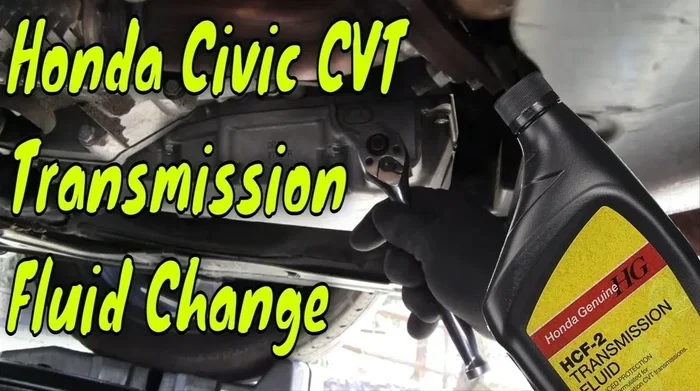
Changing the transmission fluid in a Honda Civic is a task many car owners can handle at home. It requires basic tools and some patience. Here is a step-by-step overview of the process.
What You Will Need
- The correct type of Honda transmission fluid (check your owner’s manual)
- A drain pan
- A socket set and wrenches
- A funnel
- A jack and jack stands or ramps
- Clean rags or paper towels
- A new transmission fluid filter and gasket (if applicable to your model)
Step-by-Step Process
Step 1: Warm Up the Fluid. Start the car and let it idle for a few minutes. Warm fluid drains more completely and carries more contaminants out with it. Do not drive the car hard, just let it run for about 5 minutes.
Step 2: Lift the Car Safely. Use a jack to lift the front of the car and secure it with jack stands. Alternatively, drive the car onto ramps. Make sure the car is stable before you go under it.
Step 3: Locate the Transmission Pan. Find the transmission pan underneath the car. Place your drain pan beneath it. Remove the bolts carefully and let the old fluid drain out completely.
Step 4: Remove the Old Filter and Gasket. Once the pan is off, take out the old transmission fluid filter. Clean the inside of the pan and remove any old gasket material. Make sure the sealing surface is clean and smooth.
Step 5: Install the New Filter and Gasket. Place the new gasket on the pan and install the new filter. Reattach the pan to the transmission and tighten the bolts evenly. Do not overtighten, as this can warp the pan or damage the gasket.
Step 6: Add New Fluid. Locate the transmission fluid fill hole. Use a funnel to add the correct amount of fresh Honda-approved transmission fluid. Check your owner’s manual for the exact capacity. Start the car, let it idle, and check the fluid level with the transmission in park.
Step 7: Check for Leaks. After filling, take the car for a short test drive. Then check underneath for any leaks around the pan and drain plug. Top off the fluid if needed.
DIY vs. Professional Service
Doing it yourself can save you money, especially if you already have basic tools. A fluid change kit typically costs between $50 and $150 for the fluid and filter. A professional shop might charge between $150 and $300 for the same service. The trade-off is your time and effort. If you are not comfortable working under the car, a professional is always a safe choice.
Also, keep in mind that some Honda Civics have a transmission fluid fill plug on the side of the transmission rather than a top-fill dipstick. This can make the process slightly more involved. Research your specific model year before you start the job.
For more general car maintenance tips, check out our guide on how much you can negotiate on a used car, which covers ways to save money on your vehicle purchases and upkeep.
Driving Habits That Affect Transmission Fluid Life
Not all Honda Civics are driven the same way. Your driving conditions and habits can significantly impact how quickly your transmission fluid degrades. Understanding these factors helps you decide whether to follow the standard interval or change the fluid more frequently.
Stop-and-Go City Driving
If you drive your Honda Civic in heavy city traffic with lots of stop-and-go conditions, your transmission works harder. The transmission cycles through gears more frequently, generating more heat. This heat breaks down the fluid faster. If you live in a busy urban area, consider changing your fluid every 30,000 miles instead of 60,000 miles.
Towing and Heavy Loads
The Honda Civic is not typically a towing vehicle, but some owners do carry heavy loads in the trunk or cargo area. Excess weight puts more strain on the transmission. If you regularly carry heavy items or tow a small trailer, more frequent fluid changes are a good idea.
Extreme Temperatures
Both very hot and very cold climates affect transmission fluid. Extreme heat accelerates fluid breakdown, while extreme cold can cause the fluid to thicken and not circulate properly. If you drive your Civic in harsh weather conditions, shorten your fluid change interval to stay safe.
Aggressive Driving
Rapid acceleration, hard braking, and aggressive gear shifting put extra stress on the transmission. If you enjoy spirited driving or frequently push your Honda Civic to its limits, your transmission fluid will degrade faster. Consider more frequent changes to keep everything running smoothly.
For more information about how much your Honda Civic can handle, see our article on how much weight you can put in your car to understand your vehicle’s capacity limits.
How Much Does It Cost to Change Honda Civic Transmission Fluid?
The cost of a Honda Civic transmission fluid change varies depending on where you go and what type of fluid your car requires. Here is a general breakdown of what to expect.
| Service Type | Estimated Cost | Notes |
|---|---|---|
| DIY Fluid Change | $50 – $150 | Includes fluid and filter. Requires basic tools and knowledge. |
| Dealership Service | $150 – $300 | Uses OEM Honda fluid. Includes inspection and top-off. |
| Independent Mechanic | $100 – $250 | Usually cheaper than a dealership. Quality depends on the shop. |
| Full Transmission Fluid Flush | $200 – $400 | Replaces all fluid, including what is in the torque converter. More thorough than a drain and fill. |
A standard drain and fill replaces about 40 to 60 percent of the total fluid in the transmission. A full flush replaces nearly all of it. A flush is more thorough but also more expensive. For most Honda Civics, a drain and fill every 30,000 to 60,000 miles is sufficient. You can always opt for a flush if your transmission has high mileage or if the fluid has been neglected for a long time.
The type of fluid you use also affects the cost. Honda Genuine transmission fluid is more expensive than aftermarket alternatives, but it is designed specifically for Honda transmissions. Using the recommended fluid helps ensure compatibility and long-term protection. If you are unsure which fluid to use, ask a Honda dealer or a trusted mechanic for advice.
Keeping up with your Honda Civic transmission fluid changes is a small investment that pays big dividends. A well-maintained transmission can last the entire life of the car, saving you from the enormous expense of a replacement.
Common Mistakes to Avoid When Changing Transmission Fluid
Even if you are careful, it is easy to make mistakes during a transmission fluid change. Here are the most common errors Honda Civic owners make and how to avoid them.
- Using the Wrong Fluid Type: This is the biggest mistake you can make. Different transmissions require different fluids. Using the wrong fluid can cause poor shifting, overheating, and internal damage. Always use the fluid specified in your owner’s manual.
- Overfilling or Underfilling: Too much fluid can cause foaming and overheating. Too little fluid leads to poor lubrication and gear slipping. Always check the fluid level with the engine at operating temperature and the car on a level surface.
- Skipping the Filter: Many Honda Civics have a transmission fluid filter that should be replaced along with the fluid. Skipping this step means old contaminants remain in the system and contaminate the new fluid faster.
- Not Checking for Leaks: After reinstalling the pan, always check for leaks. A loose bolt or improperly seated gasket can lead to fluid loss and transmission damage.
- Ignoring the Condition of the Fluid: If the old fluid is extremely dark or has a strong burnt smell, a simple drain and fill might not be enough. Consider a full flush or have a mechanic inspect the transmission for internal wear.
Avoiding these mistakes ensures that your transmission fluid change actually improves the health of your Honda Civic rather than causing new problems.
How Transmission Fluid Changes Fit Into Overall Honda Civic Maintenance
Changing the transmission fluid is just one part of keeping your Honda Civic in great shape. It works hand in hand with other maintenance tasks to keep the car reliable and safe. Here is how it fits into the bigger picture.
Regular oil changes, brake inspections, tire rotations, and coolant flushes all contribute to the longevity of your vehicle. Transmission fluid changes should be part of a comprehensive maintenance schedule. When you stay on top of all your service intervals, you catch small problems before they become big ones.
One often-overlooked aspect is how regular maintenance affects the resale value of your Honda Civic. A well-documented service history, including timely transmission fluid changes, makes the car more attractive to buyers. If you ever decide to sell or trade in your Civic, you can command a better price. For tips on understanding your car’s value, see our article on how to find out the fair market value of your car.
Also, if you own multiple vehicles or are considering adding another car to your household, knowing the maintenance needs of each vehicle is important. Understanding weight limits and capacity across different vehicles helps you make smarter decisions. Check out our guide on how much weight you can put in a van for more on vehicle capacity.
Final Thoughts on Honda Civic Transmission Fluid Changes
Changing your Honda Civic transmission fluid is one of the simplest and most impactful maintenance tasks you can do. It takes a little time and costs a modest amount, but the benefits are enormous. Fresh fluid keeps your transmission shifting smoothly, running cool, and lasting for years to come.
Most Honda Civics need a transmission fluid change every 30,000 to 60,000 miles, but always check your owner’s manual for the exact recommendation. Pay attention to the warning signs like dark fluid, rough shifting, and burnt smells. Do not wait until problems appear to take action.
Whether you choose to do it yourself or visit a professional, the key is consistency. Make transmission fluid changes part of your regular maintenance routine and your Honda Civic will reward you with reliable performance mile after mile. Your car works hard for you every day. A little maintenance goes a long way toward keeping it running strong.
Stay proactive with your Honda Civic care, and you will enjoy a smoother ride, better fuel economy, and peace of mind every time you get behind the wheel. Happy driving!
Frequently Asked Questions
Can I use any brand of transmission fluid for my Honda Civic?
It is best to use Honda Genuine transmission fluid or a fluid that meets Honda’s specifications. While some aftermarket fluids are compatible, using the wrong type can cause shifting problems and damage. Always check your owner’s manual for the recommended fluid type and specification before purchasing.
Is a transmission fluid flush better than a drain and fill?
A flush replaces more of the old fluid, including what remains in the torque converter and lines. A drain and fill only replaces the fluid in the transmission pan. For most Honda Civics, a drain and fill is sufficient. However, if the fluid has been neglected for a long time or the car has high mileage, a flush may be a better option.
How do I check my Honda Civic transmission fluid level?
First, warm up the engine and let it idle. Park the car on a level surface and leave the engine running. Locate the transmission dipstick, pull it out, wipe it clean, reinsert it, and then pull it out again to read the level. The fluid should be between the two marks on the dipstick and should appear red or pink in color.
What happens if I drive my Honda Civic with low transmission fluid?
Driving with low transmission fluid can cause serious damage. The transmission relies on fluid for lubrication, cooling, and hydraulic pressure. Without enough fluid, the internal components can overheat, wear out quickly, and eventually fail. If you suspect low fluid, check the level and top it off immediately.
How long does a Honda Civic transmission fluid change take?
A DIY drain and fill typically takes about 30 to 60 minutes, depending on your experience and tools. A professional service usually takes about 30 to 45 minutes. A full transmission fluid flush may take longer, around one to two hours, because it involves flushing the entire system.
Can old transmission fluid cause check engine light to come on?
Yes, in some cases. Old or degraded transmission fluid can cause the transmission to malfunction, which may trigger the check engine light. The car’s computer monitors transmission performance and can detect irregularities. If your check engine light comes on along with shifting problems, low or old transmission fluid could be the cause.