How Much Does a Full Oil Service Cost for Most Cars
The full oil service cost typically ranges from $35 to $125 depending on your car, oil type, and where you go. A full service oil change includes more than just swapping oil — it covers filters, fluid checks, and inspections that keep your engine running smoothly. Knowing what to expect helps you avoid surprises and make smart choices for your vehicle.
Every car owner faces the same question sooner or later: how much does a full oil service actually cost? Whether you drive a daily commuter or a weekend cruiser, staying on top of your oil change cost is one of the simplest ways to protect your engine and your wallet. This guide walks you through everything you need to know about full oil service cost, from what’s included to how you can save money without cutting corners.
Oil changes are the backbone of car maintenance cost planning. Skip them, and you risk serious engine damage that could cost thousands in repairs. But pay too much, and you feel like you’re throwing money away. The sweet spot is finding fair pricing for quality work. That’s exactly what this article covers. By the end, you’ll know the going rates, what each service includes, and how to pick the right option for your vehicle.
Key Takeaways
- Average Cost Range: Expect to pay between $35 and $125 for a standard full oil service cost at most shops.
- Oil Type Matters: Synthetic oil costs more than conventional, but it offers better protection and longer intervals.
- What’s Included: A full oil service covers oil, filter replacement, fluid top-offs, and a basic vehicle inspection.
- Location Affects Price: Dealerships charge more than independent mechanics, but both have their benefits.
- DIY Is Cheaper: Doing it yourself can cut costs by 40% or more if you have basic tools and knowledge.
- Frequency Is Key: Most cars need an oil change every 5,000 to 7,500 miles, but check your owner’s manual.
- Watch for Hidden Fees: Always ask what’s included so you don’t pay for extras you don’t need.
📑 Table of Contents
- What Is a Full Oil Service?
- Average Full Oil Service Cost by Oil Type
- What’s Included in a Full Oil Service?
- Factors That Affect Oil Service Pricing
- How Often Should You Get a Full Oil Service?
- DIY vs. Professional Oil Service
- How to Save Money on Your Oil Service
- Common Mistakes to Avoid
- The Bottom Line on Full Oil Service Cost
What Is a Full Oil Service?
A full service oil change is more than just draining old oil and pouring in new stuff. It’s a comprehensive checkup that keeps your car running at its best. Most shops define a full oil service as an oil drain and fill combined with several additional maintenance tasks. Let’s break down what that actually means for your car.
What Makes It “Full”?
A basic oil change swaps out the old oil and replaces the filter. A full oil service goes further. It typically includes:
- Draining the old engine oil completely
- Replacing the oil filter with a new one
- Filling with the recommended oil type for car model and engine
- Checking and topping off all other fluids (coolant, brake fluid, transmission fluid, power steering fluid)
- Inspecting belts and hoses for wear
- Checking tire pressure and sometimes rotating tires
- Performing a basic safety inspection
Think of it as a health checkup for your car. Just like a doctor checks more than just your blood pressure, a full oil service looks at the bigger picture. This is why the full oil service cost is higher than a simple oil change. You’re paying for peace of mind and preventive care.
If you’ve ever wondered whether you can drive my car with too much oil in it, the answer is yes — but it’s risky. Overfilling oil can cause serious engine problems, which is exactly why a proper full service includes checking the oil level carefully. Getting this right during your service helps you avoid costly repairs down the road.
Average Full Oil Service Cost by Oil Type
The biggest factor in your oil service near me pricing is the type of oil you choose. Not all oils are created equal, and the price difference is significant. Here’s a closer look at what each option costs and who it’s best for.
Conventional Oil Change
Conventional oil is the most basic and affordable option. It’s made from refined crude oil and works well for older vehicles or those with simpler engines. The average conventional oil change cost for a full service runs between $35 and $55. This is the go-to choice for budget-conscious drivers or those with high-mileage older cars.
Synthetic Blend Oil
A synthetic blend oil mixes conventional and full synthetic oils. It offers better protection than conventional oil at a moderate price point. Full service costs for synthetic blend typically range from $45 to $70. This option works well for drivers who want better performance without paying full synthetic prices.
Full Synthetic Oil Change
Full synthetic oil provides the best protection and performance. It’s designed for modern engines and extreme driving conditions. The synthetic oil change price for a full service usually falls between $65 and $125. Yes, it’s pricier — but it lasts longer and can actually extend the life of your engine. If you drive in hot climates, tow heavy loads, or have a turbocharged engine, synthetic oil is worth the investment.
High Mileage Oil Change
If your car has over 75,000 miles, high mileage oil is a smart choice. It contains additives that help seal gaps in older engines and reduce oil burn-off. The high mileage oil change cost is similar to full synthetic, typically ranging from $60 to $110. This is a great option for keeping older cars running strong without spending a fortune on major repairs.
| Oil Type | Average Full Service Cost | Best For |
|---|---|---|
| Conventional | $35 – $55 | Older vehicles, budget drivers |
| Synthetic Blend | $45 – $70 | Moderate performance needs |
| Full Synthetic | $65 – $125 | Modern engines, extreme conditions |
| High Mileage | $60 – $110 | Cars with 75,000+ miles |
What’s Included in a Full Oil Service?
Understanding what you’re paying for makes the full oil service cost easier to justify. A proper full oil service should include several components beyond just the oil and filter. Here’s a detailed look at each part of the service.
Oil Drain and Fill
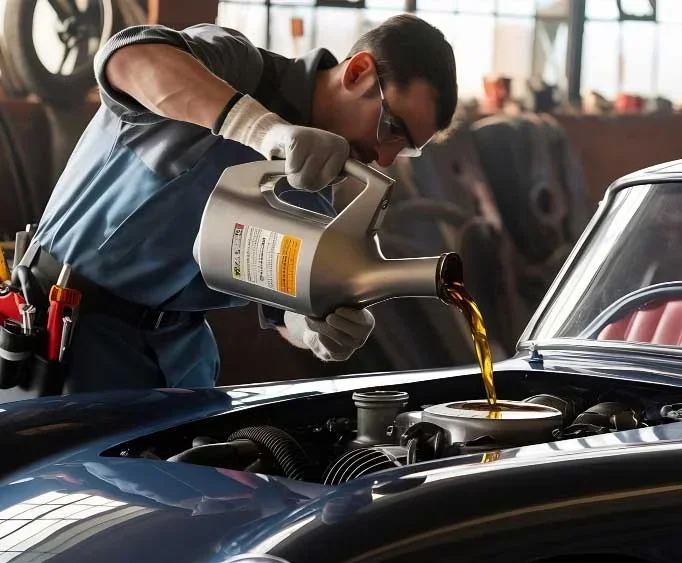
This is the core of any oil service. The technician drains the old oil from the engine, removes the dirty oil filter, installs a new filter, and fills the engine with fresh oil to the correct level. This process ensures your engine has clean lubrication, which reduces friction and prevents overheating.
Fluid Checks and Top-Offs
A full service includes checking all your vehicle’s essential fluids. Technicians inspect coolant levels, brake fluid, transmission fluid, and power steering fluid. If any are low, they top them off. This small step can prevent big problems. For instance, low brake fluid can lead to brake failure, and low coolant can cause your engine to overheat.
Visual Inspection
Most full oil services include a visual inspection of key components. The technician looks at your belts, hoses, tires, lights, and undercarriage for signs of wear or damage. This inspection can catch small problems before they become expensive repairs. Think of it as a free checkup that adds real value to your car maintenance cost budget.
Tire Pressure and Rotation
Some full oil services include a tire pressure check and even a tire rotation. Proper tire pressure improves fuel economy and keeps you safe on the road. A tire rotation helps your tires wear evenly, which extends their lifespan. These extras make the full oil service cost even more worthwhile.
One thing to watch out for: if you’ve ever had issues where your car won’t start because of oil problems, you know how important proper maintenance is. In some cases, too much oil can make your car not start, which is a frustrating and avoidable problem. A thorough full service ensures your oil level is exactly right, protecting your engine and your daily routine.
Factors That Affect Oil Service Pricing
Why does the full oil service cost vary so much from one shop to another? Several factors come into play. Understanding these helps you make informed decisions and avoid overpaying.
Location and Shop Type
Where you get your oil changed matters a lot. Dealerships typically charge the highest prices, sometimes $20 to $40 more than independent shops. That’s because dealerships use factory-trained technicians and genuine parts. If you have a newer car still under warranty, a dealership oil service might be worth the extra cost. However, for older vehicles, an independent mechanic often provides the same quality at a lower oil change cost.
Quick-lube shops like Jiffy Lube fall somewhere in the middle. They offer convenience and speed, but prices can add up if you need additional services. Always ask for a detailed breakdown before agreeing to any work.
Your Vehicle Model and Engine
Luxury cars, performance vehicles, and trucks with large engines require more oil and sometimes special filters. This drives up the full oil service cost. A standard sedan might need 4 to 5 quarts of oil, while a large truck could need 8 or more. European cars like BMWs and Mercedes often require specific oil formulations, which adds to the price.
Oil Filter Quality
Not all oil filters are the same. Premium filters use better filtration media and last longer. Shops that use high-quality filters may charge a bit more, but the improved filtration protects your engine better. It’s a small price to pay for long-term engine health.
Additional Services and Coupons
Many shops offer oil change coupons that can significantly reduce your full oil service cost. Some promotions bundle oil changes with other services like tire rotations or multi-point inspections. Keep an eye out for seasonal deals, especially in spring and fall when oil change demand peaks.
It’s also worth noting that service interval recommendations vary by manufacturer. Some newer cars can go 10,000 miles between changes, while older models need service every 3,000 miles. Always follow your vehicle maintenance schedule to keep your warranty valid and your engine healthy.
How Often Should You Get a Full Oil Service?
The old rule of thumb was every 3,000 miles or three months. Modern cars have pushed that number much higher. Most manufacturers now recommend oil changes every 5,000 to 7,500 miles for conventional oil and every 7,500 to 10,000 miles for synthetic oil. Your owner’s manual is the best source for your specific vehicle’s maintenance interval.
Your driving habits also matter. If you frequently drive in stop-and-go traffic, tow heavy loads, or operate in extreme temperatures, you may need more frequent service. These conditions cause oil to break down faster, reducing its effectiveness. In these cases, sticking to a shorter interval protects your engine and keeps your full oil service cost manageable over time.
A good rule of thumb is to check your oil level monthly. This simple habit takes two minutes and can catch problems early. If you notice your oil looks dark or gritty, it’s time for a change regardless of mileage. Staying proactive with your oil change frequency saves you from expensive engine repairs later.
DIY vs. Professional Oil Service
Can you save money by changing your own oil? Absolutely. DIY oil changes can cut your full oil service cost by 40% or more. All you need is a wrench, an oil drain pan, a funnel, and the right oil and filter. The parts alone for a conventional oil change typically cost $20 to $35.
However, DIY comes with trade-offs. You need to properly dispose of the old oil, which many auto parts stores accept for free. You also miss out on the visual inspection and fluid top-offs that come with a professional service. If you’re not comfortable working under your car, a professional service is the safer choice.
For most people, a middle-ground approach works best. You can do the oil change yourself and then visit a shop for the full inspection and fluid check. This hybrid approach saves money while still giving your car the thorough care it needs.
How to Save Money on Your Oil Service
Saving money on your full oil service cost doesn’t mean sacrificing quality. Here are some proven strategies to keep your costs down while maintaining your car properly.
- Use coupons and loyalty programs: Many chains and independent shops offer discounts for first-time customers or repeat visits.
- Buy your own oil and filter: Some shops will install oil you bring from home for a lower labor fee.
- Compare prices online: Use apps and websites to find the best oil service near me deals in your area.
- Stick to the recommended interval: Changing oil too frequently wastes money, and changing it too infrequently risks engine damage.
- Ask about bundled services: Some shops offer package deals that include oil changes, tire rotations, and inspections at a discounted rate.
Remember, the cheapest option isn’t always the best. Look for shops with certified technicians, good reviews, and transparent pricing. A slightly higher full oil service cost at a reputable shop often means better workmanship and longer-lasting results.
It’s also important to understand that proper oil maintenance connects to your overall vehicle health. For example, if you ever need to deal with issues like a loose heat shield causing rattling noises, or you’re curious about how far past empty can a car go, regular oil service keeps your car in the best possible condition to handle these situations. A well-maintained engine is more resilient and less likely to develop secondary problems.
Common Mistakes to Avoid
Even the best car owners make mistakes when it comes to oil service. Here are the most common ones and how to avoid them.
- Ignoring the oil change light: Your car’s warning system is there for a reason. Ignoring it can lead to engine damage.
- Using the wrong oil type: Always check your owner’s manual for the recommended oil viscosity and type.
- Skipping the oil filter: A new filter is essential for keeping contaminants out of your engine.
- Overfilling the oil: Too much oil can cause pressure problems and damage engine components. If you’re worried about this, remember that driving with too much oil can cause serious issues, and it’s something to avoid at all costs.
- Choosing the cheapest option blindly: The lowest price sometimes means low-quality parts or rushed work.
Avoiding these mistakes keeps your full oil service cost effective and your engine protected. A little knowledge goes a long way toward smarter car ownership.
The Bottom Line on Full Oil Service Cost
The full oil service cost for most cars falls between $35 and $125, depending on your oil choice, vehicle type, and where you go. This relatively small investment pays massive returns in engine longevity, performance, and reliability. Whether you choose a dealership, independent shop, or DIY approach, the key is consistency. Stick to your maintenance schedule, use the right oil, and don’t skip the full service when your car needs it.
Your car is one of your biggest investments. Taking care of it with regular, proper oil services is one of the easiest and most affordable ways to protect that investment. Next time you’re due for an oil change, use this guide to make the best decision for your car and your budget. Your engine will thank you for years to come.
Frequently Asked Questions
How often should I get a full oil service?
Most cars need a full oil service every 5,000 to 7,500 miles with conventional oil, or every 7,500 to 10,000 miles with synthetic oil. Check your owner’s manual for your vehicle’s specific maintenance interval. Driving habits and conditions can also affect how often you need service.
Is a full oil service worth the extra cost?
Yes, a full oil service cost is worth it for most drivers. The additional fluid checks, inspections, and top-offs can catch small problems before they become expensive repairs. It’s essentially a preventive maintenance package that protects your engine and other systems.
Can I use any oil type for my car?
No, always use the oil type recommended by your manufacturer. Using the wrong oil type for car can reduce performance and potentially cause engine damage. Check your owner’s manual or ask your mechanic for the right specification.
What’s the difference between an oil change and a full oil service?
An oil change swaps out the old oil and filter. A full service oil change includes those basics plus fluid checks, belt and hose inspections, tire pressure checks, and a visual safety inspection. The full oil service cost is higher because of the added services.
Does my warranty cover oil service costs?
Most new car warranties don’t cover routine maintenance like oil changes. However, some manufacturers offer free maintenance programs for the first few years or miles. Check with your dealer to see if your vehicle qualifies for any coverage on car maintenance cost items.
How can I find a reliable oil service near me?
Look for shops with certified technicians, good online reviews, and transparent pricing. Ask friends or family for recommendations. Many shops offer free inspections with an oil service, which gives you a chance to evaluate their professionalism and expertise before committing to larger repairs.