How Many Quarts of Oil Does a 57 350 Take to Fill
The 5.7 liter 350 engine, commonly known as the Chevy 350 V8, holds approximately 6 quarts of oil with the filter installed. This classic engine has been a staple in GM vehicles for decades, and knowing the correct oil capacity helps you avoid overfilling or running low. Whether you own a Silverado, Camaro, or another vehicle with this engine, this guide covers everything you need to know about the oil capacity, type, and change process.
The Chevy 350 V8 engine has earned a legendary reputation among car enthusiasts and everyday drivers alike. For decades, this powerful small block engine has been the heart of countless GM vehicles. Whether your truck, SUV, or muscle car rolls with a 5.7 liter 350 under the hood, one question comes up again and again: how many quarts of oil does a 57 350 take to fill?
Getting the oil capacity right matters more than most people realize. Too little oil means poor lubrication and potential engine damage. Too much oil can cause foaming, increased pressure, and even seal leaks. This guide walks you through everything you need to know about the 5.7 Vortec oil capacity, the best oil type to use, and how to change it yourself with confidence.
Key Takeaways
- Oil Capacity: A 5.7 350 engine takes about 6 quarts of oil with a new filter.
- Recommended Oil Type: 5W-30 or 10W-30 depending on climate and driving conditions.
- Oil Filter: Always replace the oil filter during every change for best engine protection.
- DIY Friendly: Changing oil in a 350 is straightforward and can save you money at the shop.
- Check Your Manual: Always confirm your specific vehicle’s oil capacity and type in the owner’s manual.
📑 Table of Contents
- Understanding the 5.7 350 Engine
- How Many Quarts of Oil Does a 57 350 Take to Fill
- What Type of Oil Should You Use in a 5.7 350
- Step-by-Step Oil Change Guide for the 5.7 350
- Common Oil Capacity Mistakes to Avoid
- Expert Tips for Keeping Your 5.7 350 Engine Healthy
- Frequently Asked Questions
- Conclusion
Understanding the 5.7 350 Engine
The 5.7 liter 350 cubic inch engine is one of the most iconic powerplants ever built by General Motors. It first appeared in the late 1960s and quickly became a favorite for trucks, cars, and performance vehicles. The engine uses a V8 configuration with a displacement of 350 cubic inches, which equals roughly 5.7 liters. Over the years, GM produced several variations of this engine, including the base 350, the Vortec 350, and the L31 version.
Each variation may have slight differences in oil capacity and specifications. However, the standard 5.7 liter V8 oil capacity remains consistent across most models. The engine features a cast iron block and either cast iron or aluminum heads depending on the year and application. It has been a workhorse in vehicles like the Chevy Silverado, Tahoe, Suburban, Camaro, and many others.
Before you add oil, it helps to understand what the numbers mean. The 5.7 refers to the engine’s displacement in liters, and the 350 refers to the displacement in cubic inches. Both numbers describe the same engine. When people ask about the “57 350,” they are simply referring to the 5.7 liter 350 cubic inch V8. This engine has been around for so long that parts and service information are widely available, making maintenance relatively simple.
How Many Quarts of Oil Does a 57 350 Take to Fill
The short answer is that a 5.7 350 engine takes approximately 6 quarts of oil when you include a new oil filter. Without the filter, the engine holds about 5 quarts. This is the standard capacity for most 5.7 liter 350 engines found in GM vehicles. However, there are a few things to keep in mind that can affect this number slightly.
Always refer to your specific vehicle’s owner manual for the exact capacity. Some models may have slightly different oil pan sizes or engine configurations that change the total volume. For example, a performance build or a modified engine might hold a bit more or less oil than a stock setup.
Oil Capacity by Vehicle Application
The 5.7 350 engine appears in many different GM vehicles, and each one may have a slightly different oil capacity. Here is a general breakdown of what to expect:
- Chevy Silverado (1999-2007): 6 quarts with filter
- Chevy Tahoe / Suburban: 6 quarts with filter
- Chevy Camaro: 6 quarts with filter
- GMC Sierra: 6 quarts with filter
- Chevy Express Van: 6 quarts with filter
These numbers are based on standard production engines. If your vehicle has any aftermarket modifications, the capacity could vary. Always double-check before adding oil to avoid overfilling or underfilling your engine.
Why Getting the Oil Amount Right Matters
Oil is the lifeblood of your engine. It lubricates moving parts, reduces friction, cleans internal components, and helps regulate temperature. When you run the correct amount of oil, your engine runs smoother and lasts longer. Here is what can go wrong if the oil level is not right.
Too little oil means the engine does not get proper lubrication. This leads to increased wear on bearings, pistons, and cylinder walls. Over time, insufficient oil can cause catastrophic engine failure. On the other hand, too much oil can cause the crankshaft to whip the excess oil into a froth. This foamed oil loses its lubricating ability and can lead to oil starvation in critical areas.
Overfilling can also increase crankcase pressure, which may cause oil leaks past gaskets and seals. It can even damage the catalytic converter if oil gets into the exhaust system. This is why it is so important to measure carefully and add oil in small increments.
What Type of Oil Should You Use in a 5.7 350
Choosing the right oil type for your 5.7 350 is just as important as getting the right amount. The engine specifications call for a specific viscosity grade that ensures proper lubrication across a range of temperatures. Most GM vehicles with the 5.7 liter 350 engine recommend 5W-30 or 10W-30 conventional or synthetic blend oil.
The first number in the viscosity rating (5W or 10W) tells you how the oil flows in cold temperatures. The “W” stands for winter, and a lower number means the oil flows better when cold. The second number (30) tells you the oil’s thickness at operating temperature. A 30-weight oil provides a good balance of protection and flow for the 350 engine.
Conventional vs. Synthetic Oil
You have two main choices when it comes to oil for your 5.7 350: conventional and synthetic. Conventional oil is made from refined crude oil and has been the standard for decades. It works well for normal driving conditions and is more affordable. Synthetic oil is chemically engineered to provide superior protection, better flow at extreme temperatures, and longer change intervals.
Here is a quick comparison to help you decide:
- Conventional Oil: Affordable, widely available, good for normal driving, change every 3,000 to 5,000 miles
- Synthetic Blend: Better protection than conventional, good for moderate towing and hauling, change every 5,000 to 7,500 miles
- Full Synthetic Oil: Best protection and performance, excellent for extreme temperatures and heavy use, change every 7,500 to 10,000 miles
For most daily drivers, a quality 5W-30 synthetic blend offers a great balance of protection and value. If you tow heavy loads or drive in extreme heat or cold, consider switching to full synthetic. Always check your owner’s manual for the manufacturer’s recommendation before switching oil types.
Oil Change Interval for the 5.7 350
How often you change the oil depends on the type of oil you use and your driving conditions. For conventional oil, plan on changing it every 3,000 to 5,000 miles. Synthetic oil can go longer, typically between 7,500 and 10,000 miles. If you drive in severe conditions, such as frequent towing, stop-and-go traffic, or extreme temperatures, you should change the oil more often.
Regular oil changes are one of the simplest ways to extend the life of your engine. Fresh oil keeps all the internal components properly lubricated and helps prevent the buildup of sludge and deposits. Think of it as an investment in your engine’s long-term health.
Step-by-Step Oil Change Guide for the 5.7 350
Changing the oil in a 5.7 350 engine is a straightforward job that most car owners can do at home. With the right tools and a little patience, you can save money and learn more about your vehicle. Here is a step-by-step guide to walk you through the process.
What You Will Need
- 6 quarts of the recommended oil (5W-30 or 10W-30)
- New oil filter (AC Delco or equivalent)
- Oil drain pan
- Socket wrench and 3/8-inch drive
- Oil filter wrench
- Funnel
- Jack and jack stands or ramps
- Gloves and safety glasses
- Rags or paper towels
Step 1: Prepare the Vehicle
Start by parking your vehicle on a level surface and turning off the engine. Let it cool for a few minutes so you do not burn yourself on hot oil. Lift the front of the vehicle using a jack and secure it with jack stands, or drive onto ramps if your vehicle has enough ground clearance.
Make sure the engine is warm but not hot. Running the engine for a few minutes before the change helps the oil flow more freely. This ensures that more old oil drains out, taking contaminants with it.
Step 2: Drain the Old Oil
Locate the oil drain plug on the bottom of the oil pan. Place your drain pan directly underneath the plug. Using your socket wrench, carefully loosen the drain plug by turning it counterclockwise. Remove the plug slowly and let the old oil drain completely into the pan.
Once the oil has stopped flowing, inspect the drain plug for any signs of damage or wear. Check the washer or gasket on the plug and replace it if needed. This simple step helps prevent leaks when you reinstall the plug.
Step 3: Replace the Oil Filter
While the oil is draining, use an oil filter wrench to remove the old oil filter. Before installing the new filter, lightly coat the rubber gasket with a little bit of fresh oil. This helps create a proper seal and makes it easier to remove the filter next time. Hand-tighten the new filter until the gasket contacts the engine, then tighten it about three-quarters of a turn more.
Do not overtighten the filter. Over-tightening can damage the gasket or make it very difficult to remove during the next oil change. A snug fit is all you need.
Step 4: Add New Oil
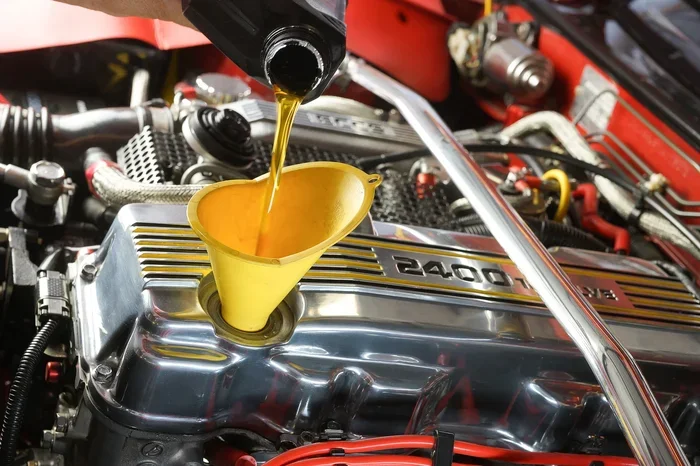
Now it is time to add the fresh oil. Locate the oil fill hole on top of the engine. Remove the cap and insert a funnel. Slowly pour in about 5 quarts of oil first, then wait a minute for the oil to settle into the pan. Check the dipstick to see where the level stands.
Add the remaining oil a little at a time until the dipstick shows the oil level between the full and add marks. Do not overfill. It is always better to add less oil and top off gradually than to pour too much in at once.
Step 5: Check for Leaks and Dispose of Old Oil
Start the engine and let it run for about 30 seconds. Check underneath the vehicle for any leaks around the drain plug and oil filter. Turn off the engine and wait a few minutes for the oil to settle, then check the dipstick one more time to confirm the level is correct.
Dispose of the old oil and filter properly. Take them to a local auto parts store, recycling center, or oil change facility. Never pour used oil down a drain or onto the ground. It is harmful to the environment and often illegal.
Common Oil Capacity Mistakes to Avoid
Even experienced car owners can make mistakes when it comes to oil changes. Here are some common errors to watch out for.
Not checking the owner’s manual: Every vehicle is slightly different. Your owner’s manual contains the exact oil capacity, type, and specifications for your specific engine. Relying on general information alone can lead to errors.
Forgetting to account for the oil filter: Some people measure the oil capacity without the filter and then add exactly that amount. Always include the oil filter in your calculations. The filter holds about 1 quart of oil, and failing to account for it can leave your engine slightly low.
Using the wrong viscosity: Using an oil that is too thick or too thin can affect engine performance and protection. Stick with the manufacturer’s recommended viscosity grade for the best results.
Overlooking the oil level after filling: Always check the dipstick after adding oil and running the engine. The level can change as the oil settles into all the passages and the filter fills up.
Skipping the oil filter: Some people reuse the old filter to save money. This is a bad idea. Old filters are full of contaminants and do not filter oil effectively. Always install a new filter with every oil change.
Expert Tips for Keeping Your 5.7 350 Engine Healthy
Changing the oil is the most important maintenance task for your engine, but it is not the only one. Here are some expert tips to help you get the most out of your 5.7 350 V8.
Check your oil regularly. Make it a habit to check the oil level at least once a month. The 350 engine is known for using a small amount of oil between changes, so staying on top of the level helps prevent problems. If you notice the oil level dropping faster than usual, have a mechanic inspect for leaks or burning.
Watch for warning signs. Low oil pressure, strange engine noises, or the oil pressure warning light on your dashboard are all signs that something is wrong. Address these issues immediately to avoid costly repairs. Ignoring warning signs can turn a simple fix into a major engine rebuild.
Keep records of your maintenance. Write down the date and mileage of every oil change. This helps you stay on track with your change intervals and gives you a record to share with mechanics if something goes wrong. A simple notebook or phone app works great for this.
Use quality parts. When it comes to oil filters, stick with reputable brands like AC Delco, which is GM’s original equipment supplier. Cheap filters may not filter as effectively and can fall apart over time, sending debris through your engine.
Consider your driving conditions. If you frequently tow heavy loads, drive in extreme heat, or spend a lot of time in stop-and-go traffic, your engine works harder and the oil degrades faster. In these conditions, you may need to change the oil more frequently than the standard interval.
Regular maintenance goes a long way in preserving the reliability and performance of your 5.7 350 engine. A well-maintained 350 can easily last 300,000 miles or more with proper care. The key is consistency and attention to detail.
Frequently Asked Questions
Can I use 10W-30 instead of 5W-30 in my 5.7 350?
Yes, you can use 10W-30 in a 5.7 350 engine. The 10W-30 viscosity is thicker when cold, which can be beneficial in warmer climates or for engines with higher mileage. Both 5W-30 and 10W-30 are approved by GM for the 350 engine. Check your owner’s manual for the specific recommendation for your vehicle and driving conditions.
How do I know if my 5.7 350 is low on oil?
The most reliable way to check your oil level is with the dipstick. Pull the dipstick out, wipe it clean, reinsert it fully, then pull it out again to read the level. The oil should fall between the full and add marks. If it is near or below the add mark, you need to add oil right away. Also watch for the oil pressure warning light on your dashboard, which indicates a serious low oil condition.
What happens if I overfill the 5.7 350 with oil?
Overfilling the engine with oil can cause several problems. Excess oil gets whipped by the crankshaft into a froth, which reduces its ability to lubricate properly. This can lead to increased engine wear, oil leaks from seals and gaskets, and in severe cases, damage to the catalytic converter. If you overfill, drain the excess oil immediately to bring the level back to the correct range.
How long does it take to change the oil in a 5.7 350?
A typical oil change on a 5.7 350 engine takes about 30 to 45 minutes for someone with basic mechanical experience. First-time DIYers might take a little longer, but it is a great project to build confidence. Having all your tools and supplies ready before you start helps keep the process smooth and efficient.
Can I switch from conventional oil to full synthetic in my 5.7 350?
Yes, you can switch from conventional oil to full synthetic oil in your 5.7 350 engine. The 350 engine is compatible with synthetic oil, and many owners report better performance and longer intervals between changes. There is no harm in making the switch, and it may actually benefit older engines by providing better cleaning and protection.
Do I need to replace the drain plug washer every time I change oil?
It is a good practice to replace the drain plug washer or gasket every time you change the oil. The washer creates a seal that prevents leaks, and it can wear out or deform over time. They are inexpensive and easy to replace, and doing so helps ensure a leak-free oil change every time. If you notice any seepage around the drain plug after a change, the washer is likely the culprit.
Conclusion
Knowing how many quarts of oil a 57 350 take to fill is essential for anyone who owns a vehicle with this legendary engine. The standard 5.7 350 oil capacity is approximately 6 quarts with the filter, and using the right oil type and change interval keeps your engine running strong for years to come. Whether you are a DIY enthusiast or prefer to visit a mechanic, understanding your engine’s oil needs empowers you to make informed decisions about maintenance.
Always use the recommended 5W-30 or 10W-30 oil, replace the filter with every change, and check your oil level regularly. These simple habits go a long way in protecting your investment and keeping your 350 engine humming. If you are ever unsure about your specific vehicle’s requirements, consult your owner’s manual or reach out to a trusted mechanic for guidance.
Your 5.7 350 engine has been a trusted companion on the road for decades. Give it the care it deserves, and it will reward you with reliable performance mile after mile. Start your next oil change with confidence, knowing you have all the information you need to get it done right.