How Long to Wait to Add Coolant and Why It Is Important
You should wait at least 15–30 minutes after driving before adding coolant to let the engine cool and prevent burns or damage. Adding coolant to a hot engine can cause cracks, pressure buildup, and serious injury. This guide explains the exact waiting time, the science behind it, and step-by-step tips to keep your cooling system running safely.
Have you ever popped the hood after a long drive and thought about pouring in some coolant right away? It is tempting. Your engine is hot, the temperature gauge is climbing, and you just want to fix the problem fast. But here is the thing — how long to wait to add coolant matters a lot more than most people realize.
Adding coolant too soon can lead to burns, engine damage, and even a cracked block. On the flip side, waiting too long on a hot day can cause your engine to overheat. So where is the sweet spot? In this guide, we will walk you through the exact waiting time, why it matters, and how to do it safely every single time.
Whether you are a seasoned DIY mechanic or someone who just wants to keep their car running right, this article covers everything you need to know about coolant timing. We will break down the science, share practical tips, and answer the most common questions drivers have. Let us dive in.
Key Takeaways
- Wait 15–30 minutes: Always let your engine cool for at least 15 to 30 minutes before opening the radiator cap or adding coolant.
- Check the temperature gauge: Make sure the needle is in the normal range before you touch any cooling system parts.
- Never add cold coolant to a hot engine: The sudden temperature change can crack engine blocks and warp metal parts.
- Use the right coolant type: Mixing incompatible coolants can reduce effectiveness and cause buildup inside the cooling system.
- Inspect for leaks first: Low coolant often signals a leak. Fix the root cause before simply topping off.
- Follow manufacturer guidelines: Every vehicle has specific coolant specs. Check your owner manual for the best results.
- Flush old coolant regularly: Old coolant loses its protective properties and can lead to overheating and corrosion.
📑 Table of Contents
- Why Waiting Matters When Adding Coolant
- How Long Should You Wait?
- What Happens If You Add Coolant Too Soon?
- How to Add Coolant the Right Way
- Can You Add New Coolant to Old Coolant?
- Signs Your Car Needs Coolant Attention
- How Often Should You Change Coolant?
- Common Mistakes to Avoid
- Expert Tips for Coolant Maintenance
- Final Thoughts
Why Waiting Matters When Adding Coolant
The cooling system in your car works under pressure. When the engine runs, it generates a tremendous amount of heat. The coolant circulates through the engine block, absorbs that heat, and carries it to the radiator where it cools down. This cycle keeps your engine at a safe operating temperature.
But here is the catch. When the engine is hot, the coolant inside is also under high pressure. The radiator cap seals the system tightly to maintain that pressure. If you try to open the cap or add coolant while the engine is still hot, several bad things can happen.
Burn Risk Is Real
Hot coolant can reach temperatures above 200 degrees Fahrenheit. When you release the pressure by opening the cap, the superheated liquid can spray out and cause severe burns. Steam burns are especially dangerous because they can hit your face, neck, and hands before you even realize what happened.
Even if you are careful, a small splash of hot coolant on bare skin can cause a painful injury. Always wear gloves and keep your face away from the radiator cap when you do open it.
Thermal Shock Can Damage Your Engine
When you pour cold coolant into a hot engine block, the sudden temperature change causes something called thermal shock. The metal expands and contracts rapidly, which can lead to micro-cracks in the engine block or head gasket. Over time, these tiny cracks grow and cause serious — and expensive — problems.
Can old coolant cause overheating? Yes, absolutely. But adding coolant incorrectly can cause the same issue. The key is to let the engine cool down enough so the temperature difference is manageable.
Pressure Buildup Creates Danger
A hot cooling system is under significant pressure. The radiator cap is designed to hold that pressure in. When you open it prematurely, the pressurized steam and coolant can shoot out with force. Not only is this dangerous for you, but it can also spray coolant onto hot engine parts, causing steam clouds that obscure your vision.
Always wait for the system to depressurize naturally before you attempt any work on the cooling system.
How Long Should You Wait?
The general rule is simple. Wait at least 15 to 30 minutes after turning off the engine before you add coolant. But the exact time depends on a few factors.
The 30-Minute Rule
For most cars, 30 minutes is the safest bet. After 30 minutes of sitting idle, the engine temperature drops significantly. The coolant pressure also decreases to a safe level. This gives you a comfortable window to open the radiator cap or coolant reservoir and add fluid without risk.
If you have been driving hard — towing, racing, or climbing steep hills — give it a full 30 minutes. Hard driving keeps the engine hotter for longer, and the cooling system needs more time to recover.
When 15 Minutes Is Enough
If you have only been driving for a short distance at low speeds, 15 minutes may be sufficient. The engine does not generate as much heat during short, light trips. After 15 minutes of idle time, the temperature gauge should drop into the normal range.
But here is a quick tip. Do not rely solely on the clock. Use your senses. Touch the radiator hose carefully with the back of your hand. If it still feels very warm or hot, wait a bit longer. You are looking for a radiator hose that feels warm but not burning hot.
Check the Temperature Gauge First
Before you do anything, glance at the temperature gauge on your dashboard. If the needle is still in the hot zone or hovering near the upper limit, your engine is not ready. Wait until the needle drops to the middle or normal position. This is the best indicator that the cooling system has cooled down enough.
| Engine Condition | Recommended Wait Time | Why |
|---|---|---|
| Short, low-speed drive | 15 minutes | Engine temperature is moderate |
| Normal city driving | 20–25 minutes | Engine reached typical operating temp |
| Heavy towing or highway driving | 30+ minutes | Engine retains significant heat |
| After hard driving in hot weather | 30–45 minutes | Ambient heat slows cooling |
| Engine was overheating | 45+ minutes | System needs extra time to stabilize |
What Happens If You Add Coolant Too Soon?
Some drivers add coolant immediately after shutting off the engine. They think they are being proactive. But this habit can do more harm than good. Here is what can go wrong.
Engine Block Cracks
The engine block is made of metal — either cast iron or aluminum. Both metals expand when heated and contract when cooled. Pouring cold coolant into a hot engine causes uneven contraction. This uneven stress can create cracks in the block or damage the head gasket. Repairing a cracked engine block is one of the most expensive jobs in automotive repair.
Coolant Mixture Becomes Less Effective
Coolant is a mixture of water and antifreeze. When you add the wrong temperature of coolant, the mixture does not circulate properly. It can form pockets of concentrated antifreeze or diluted coolant. Both situations reduce the cooling system’s ability to regulate engine temperature effectively.
You Risk Spraying Hot Coolant on Yourself
This cannot be stressed enough. Opening a hot radiator cap can cause a violent eruption of pressurized steam and liquid. Even experienced mechanics get burned by this. The radiator cap should only be removed when the engine is completely cool or at least in the safe zone.
How to Add Coolant the Right Way
Now that you know how long to wait, let us walk through the proper steps to add coolant safely. Following these steps every time will protect you and your engine.
Step 1: Park on a Level Surface
Turn off the engine and engage the parking brake. Make sure the car is on a flat surface. This ensures the coolant level reading is accurate and prevents any fluid from pooling to one side of the system.
Step 2: Wait at Least 15–30 Minutes
Set a timer if you need to. Use this time to gather your supplies. You will need the correct type of coolant for your vehicle, a clean funnel, and a rag or towel for any spills.
Step 3: Check the Coolant Reservoir
Most modern cars have a transparent coolant reservoir with minimum and maximum markings. Look at the level through the side of the reservoir. If the level is below the minimum line, you need to add more coolant.
Do not open the reservoir cap until the engine has cooled sufficiently. Even after waiting, open it slowly and stand back to release any residual pressure.
Step 4: Use the Correct Coolant Type
Not all coolants are the same. Some vehicles use green coolant, others use orange, red, or blue. Using the wrong type can cause chemical reactions that form gel-like sludge inside the cooling system. This sludge blocks passages and reduces cooling efficiency.
Check your owner manual for the recommended coolant type. You can also check the cap on the radiator or reservoir for the specification.
Step 5: Add Coolant Slowly
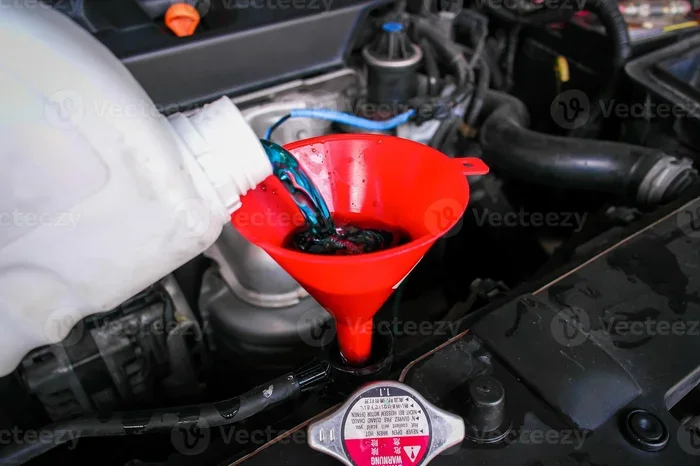
Use a funnel to pour the coolant into the reservoir. Fill it to the maximum line but do not overfill. Overfilling can cause excess pressure when the engine heats up, which may trigger the overflow hose or damage seals.
Step 6: Start the Engine and Monitor
After adding coolant, start the engine and let it idle for a few minutes. Watch the temperature gauge. Make sure the needle stays in the normal range. Also, look under the car for any leaks around the radiator hoses, water pump, and radiator itself.
Can You Add New Coolant to Old Coolant?
This is a common question, and the answer depends on the condition of the old coolant. Can I add new coolant to old coolant? Yes, in most cases you can top off with the same type of coolant. However, if the old coolant is dirty, rusty, or has been in the system for a very long time, it is better to flush the entire system and refill it with fresh coolant.
Old coolant loses its additives over time. These additives prevent corrosion, lubricate the water pump, and help regulate pH levels. When they deplete, the coolant becomes corrosive and can damage internal components of the cooling system.
If you are unsure about the condition of your old coolant, consider getting a full coolant flush at a trusted shop. It is a relatively inexpensive service that can save you from major engine repairs down the road.
Also, if you are wondering whether you can use green coolant in a Toyota or any other specific vehicle, always check compatibility first. Mixing incompatible coolant formulas can cause serious problems that are expensive to fix.
Signs Your Car Needs Coolant Attention
How do you know it is time to check or add coolant? Watch for these warning signs.
- Temperature gauge reading high: If the needle moves toward the hot zone, your coolant level may be low or the system may have a leak.
- Puddles under the car: Bright green, orange, or pink fluid under your parked car is a strong sign of a coolant leak.
- Sweet smell from the engine bay: Coolant has a slightly sweet odor. If you smell it while driving, check the level immediately.
- Steam coming from under the hood: This is a serious sign. Stop the car safely and let the engine cool before investigating.
- Heater not working properly: The heater uses hot coolant to warm the cabin. If it blows cold air, the coolant level may be low.
- Coolant warning light on the dashboard: Never ignore this light. Pull over safely and check the coolant level once the engine has cooled.
How Often Should You Change Coolant?
Coolant does not last forever. Over time, it breaks down and loses its protective properties. Most manufacturers recommend a coolant flush every 30,000 to 50,000 miles or every 2 to 5 years. Check your owner manual for the specific interval for your vehicle.
Factors that can shorten coolant life include:
- Driving in extreme heat or cold
- Frequent short trips where the engine never fully warms up
- Towing heavy loads
- Stop-and-go city driving
- Older vehicles with higher mileage
Regular coolant replacement keeps the cooling system in top shape and prevents the buildup of harmful deposits. Think of it as routine maintenance for your engine’s health.
Common Mistakes to Avoid
Adding Coolant While the Engine Is Still Hot
This is the number one mistake drivers make. The risk of burns and engine damage is too high to rush this step. Always wait the recommended time.
Using Water Instead of Coolant
In an emergency, you can add plain water to get to a service station. But water does not have the same heat transfer properties or corrosion protection as proper coolant. Long-term use of water alone can cause rust and scaling inside the cooling system.
Ignoring a Slow Leak
A small coolant leak might not seem urgent, but it will worsen over time. Low coolant means the engine runs hotter, which can lead to overheating and costly repairs. Address leaks promptly.
Mixing Different Coolant Colors
Just because two coolants are both labeled as “antifreeze” does not mean they are compatible. Mixing different coolant formulas can create a gel-like substance that clogs the cooling system passages. Always use the same type or flush the system before switching.
Expert Tips for Coolant Maintenance
Here are some pro tips that experienced mechanics swear by.
- Check coolant levels monthly. A quick visual check of the reservoir takes less than a minute and can catch problems early.
- Keep a spare bottle of coolant in your trunk. You never know when you might need a top-off on a road trip or in an emergency.
- Always use distilled water when mixing coolant. Tap water contains minerals that can form deposits in the cooling system over time.
- Replace the radiator cap every 5 years. A weak cap cannot maintain proper system pressure, which affects cooling performance.
- Flush the system when changing coolant. Simply draining and refilling leaves old, contaminated fluid behind. A full flush ensures clean circulation.
Final Thoughts
How long to wait to add coolant is not just a technical detail — it is a safety and maintenance essential. Waiting at least 15 to 30 minutes after turning off your engine protects you from burns, prevents engine damage, and ensures the coolant works the way it should. The few minutes you wait can save you hundreds of dollars in repairs and keep you safe on the road.
Take a moment to understand your vehicle’s cooling system. Check the owner manual. Know what type of coolant your car needs. Make it a habit to inspect coolant levels regularly. These small steps add up to big protection for your engine over the life of your car.
If you ever find yourself in a situation where the engine is overheating and you need to add coolant quickly, remember: safety first. Let the engine cool as much as possible before you open anything. Your well-being matters more than any car part.
Stay proactive with your car maintenance. A little attention to coolant timing and quality goes a long way in keeping your engine running smoothly for years to come. Drive safe, stay cool, and keep your car in great shape.
Frequently Asked Questions
Can I add coolant immediately after turning off the engine?
No, you should wait at least 15 to 30 minutes. The engine and coolant are under high pressure and temperature immediately after shutdown. Opening the system too soon risks burns and thermal shock to engine components. Always let the temperature gauge drop to the normal range first.
What happens if I add cold coolant to a hot engine?
Adding cold coolant to a hot engine causes thermal shock, which can crack the engine block or damage the head gasket. The sudden temperature difference creates uneven contraction in metal parts. This type of damage is expensive to repair and often preventable with a simple waiting period.
How do I know if my coolant is low?
Check the coolant reservoir. Most vehicles have a transparent tank with minimum and maximum markings. If the level is below the minimum line, you need to add more coolant. Other signs include a rising temperature gauge, sweet smells from the engine bay, or puddles of colored fluid under the car.
Can I mix different colors of coolant?
It is best not to mix different coolant colors or formulas. Each color represents a different chemical composition, and mixing them can create a gel-like substance that clogs the cooling system. Always use the same type of coolant or perform a full flush before switching types.
How often should I flush my coolant system?
Most manufacturers recommend flushing the coolant system every 30,000 to 50,000 miles or every 2 to 5 years. Check your owner manual for the exact interval. Driving in extreme conditions or towing heavy loads may require more frequent flushes to maintain cooling system health.
Is it safe to drive with low coolant?
Driving with low coolant is risky. The engine can overheat, which may cause serious damage like a blown head gasket or cracked engine block. If your coolant is low, top it off with the correct type and wait for the engine to cool before driving. If you notice overheating symptoms, pull over safely and let the engine rest.
=== CONCLUSION ===
How long to wait to add coolant is one of those simple car care habits that makes a huge difference. Wait at least 15 to 30 minutes after turning off the engine. Check the temperature gauge. Use the right coolant type. Add it slowly and carefully. These steps protect your engine, keep you safe, and extend the life of your vehicle.
Do not skip the waiting period just because you are in a hurry. A few extra minutes of patience can save you from serious engine damage and painful injuries. Make coolant maintenance a regular part of your car care routine, and your engine will thank you for years to come.