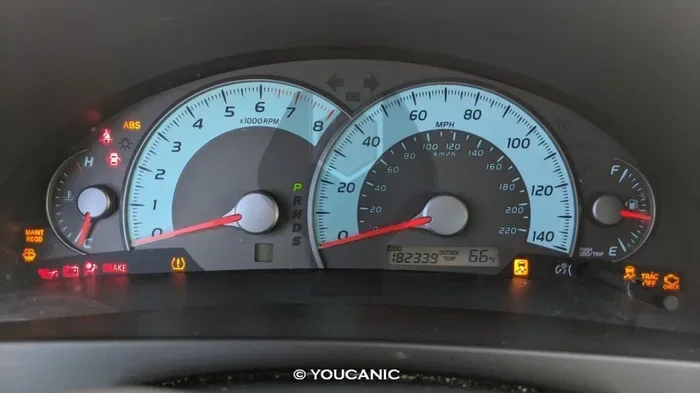
How Do I Turn Off the Check Engine Light on My Toyota Camry
Want to know how to turn off the check engine light on your Toyota Camry? This guide walks you through the exact steps, from reading the code to resetting the light safely. You’ll learn why the light comes on, what tools you need, and when to see a mechanic. Turning off the check engine light is often simple, but fixing the root cause keeps your Camry running strong.
The check engine light on your Toyota Camry can feel like a mysterious warning. One moment everything seems fine, and the next, that little amber icon pops up on the dashboard. It’s easy to panic, but the truth is, you can often handle this yourself. How Do I Turn Off the Check Engine Light on My Toyota Camry? The answer is simpler than you think, and this guide will show you exactly how.
Your Camry’s emissions system is smart. When it detects something out of range, it triggers the light to protect the engine and the environment. Sometimes the fix is as easy as tightening a loose gas cap. Other times, it requires a bit more detective work. Either way, understanding the process saves you time and money. You’ll learn what the light means, which tools to use, and the safe way to reset it. Let’s dive in.
Key Takeaways
- Read the code first: An OBD-II scanner tells you exactly why the light is on.
- Fix the root cause: Resetting the light without fixing the problem will just bring it back.
- Check the gas cap: A loose or faulty gas cap is the most common trigger.
- Drive safely: A steady light usually means you can drive carefully to a shop.
- Know when to get help: Flashing lights or serious symptoms need immediate attention.
- Reset properly: Use the scanner or disconnect the battery the right way to clear the code.
- Loose or faulty gas cap: The simplest and most common cause. A loose cap lets fuel vapors escape.
- Oxygen sensor failure: This sensor measures unburned oxygen in the exhaust. A bad one hurts fuel economy.
- Catalytic converter issues: A failing converter reduces emissions control and can trigger the light.
- Spark plug or ignition coil problems: Misfires from worn plugs or coils set off the code.
- Mass airflow sensor malfunction: This sensor tells the computer how much air enters the engine.
- Get an OBD-II scanner: Plug the scanner into the diagnostic port under your dash. Turn the key to the “ON” position without starting the engine.
- Read the code: The scanner will display a DTC. Write it down or take a photo. You can look up the code online or ask a parts store to read it for free.
- Fix the problem: Replace the faulty gas cap, spark plug, or sensor. Always use OEM or quality aftermarket parts for your Camry.
- Clear the code: Use the scanner’s “Erase” function to reset the light. The scanner will also confirm that the code is gone.
- Test drive: Drive your Camry for a few days. If the light stays off, the fix worked. If it returns, the scanner will show the same or a new code.
- Ratchet and socket set
- Screwdrivers (flathead and Phillips)
- Torque wrench (for spark plugs and gas cap)
- Penetrating oil (for stubborn bolts)
- The check engine light is flashing.
- You notice a significant loss of power.
- Your Camry is running rough or stalling.
- The temperature gauge is climbing.
- You hear strange noises like knocking or hissing.
- Diagnose first: Use an OBD-II scanner to read the code before doing anything else.
- Fix the real problem: Resetting the light without a repair is a waste of time.
- Check the gas cap: It’s the number one cause and the easiest to fix.
- Drive carefully: A steady light lets you drive to a shop, but a flashing light means stop.
- Reset with the scanner: Use the erase function on your OBD-II tool to clear the code properly.
- Test drive after repair: Make sure the light stays off for several days to confirm the fix.
📑 Table of Contents
Why Does the Check Engine Light Come On?
The check engine light is part of your Camry’s onboard diagnostics system. It monitors dozens of sensors and components. When something falls outside the normal range, the system stores a diagnostic trouble code (DTC). This code is what the light is trying to tell you. Ignoring it can lead to bigger problems, but understanding it helps you act calmly.
The Most Common Culprits
Several issues can trigger the light. Here are the most frequent ones:
When the Light Flashes vs. Stays Steady
A steady check engine light usually means a non-emergency issue. You can drive carefully to a repair shop. A flashing light is more serious. It often signals a severe engine misfire that can damage the catalytic converter. If your light flashes, pull over safely and get your Camry towed if needed. Never ignore a flashing light.
How to Turn Off the Check Engine Light on Your Toyota Camry
Turning off the light is a two-step process. First, you must fix the underlying problem. Second, you clear the code to reset the light. Simply disconnecting the battery might turn the light off temporarily, but the code will return if the issue persists. Here is the proper way to do it.
Quick Tip: Keep a basic OBD-II scanner in your glove box. It costs under $30 and can save you hundreds in diagnostic fees. Many auto parts stores will read the code for free if you bring the scanner in.
Tools You’ll Need for the Job
You don’t need a garage full of tools to tackle this. A few basic items make the job easy and safe.
OBD-II Scanner
This is the most important tool. A basic code reader will display the DTC and let you clear it. Advanced scanners give live data, which helps with tricky issues. Look for a scanner that supports Toyota Camry models and covers the OBD-II protocol. A Bluetooth scanner paired with a smartphone app is a great budget option.
Basic Hand Tools
Depending on the repair, you might need a few common tools:
Common Mistakes: Many people try to clear the code before fixing the problem. This just masks the issue. The light will come right back on, often with more severe symptoms. Always diagnose first, then fix, then reset.
Common Causes and How to Fix Them
Knowing the root cause helps you decide whether to DIY or call a pro. Here is a quick comparison of common triggers and their fixes.
| Cause | Symptom | Fix |
|---|---|---|
| Loose gas cap | Light comes on after refueling | Tighten cap until it clicks. Replace if cracked. |
| Faulty oxygen sensor | Reduced fuel economy, rough idle | Replace oxygen sensor. Clean if dirty. |
| Catalytic converter failure | Rattling noise, sulfur smell, failed emissions test | Replace converter. Check for underlying misfires first. |
| Worn spark plugs | Misfire, hesitation, poor acceleration | Replace spark plugs with correct Toyota spec. |
| Bad ignition coil | Misfire on one cylinder, rough running | Replace ignition coil pack. |
A loose gas cap is the easiest fix of all. If you’re not sure how to open it properly, check out How Do You Open The Gas Cap On A Cylinder for a quick walkthrough. Tightening or replacing the cap often solves the problem in minutes.
For oxygen sensor or catalytic converter issues, you may need a mechanic. These repairs can cost between $150 and $1,200 depending on the part and labor. Always get a quote before approving major work.
When to See a Mechanic
Some repairs are DIY-friendly, but others need a professional touch. You should see a mechanic if:
If you’re unsure whether it’s safe to drive your Camry with the light on, check out this guide: Can I Drive My Toyota Camry With The Check Engine Light On. It covers exactly when you can keep driving and when you should call a tow truck.
Expert Insight: A steady check engine light usually means the problem is not immediate, but it still needs attention. Driving for weeks with a steady light can turn a small fix into a big repair. Address it within a few days whenever possible.
Can the Check Engine Light Turn Off by Itself?
Yes, in some cases the light will turn off on its own. If the issue was temporary—like a loose gas cap that you tightened—the system may monitor the condition for several driving cycles. Once it sees normal readings for a few days, it will automatically clear the code and switch the light off. However, this only works if the root cause is truly resolved.
If you want to know more about this behavior, read Can A Check Engine Light Turn Off On Its Own. It explains the driving cycles and why the light might stay on even after a fix.
Do not rely on the light turning off by itself. If the underlying problem is still there, the code will return, and the light will come back on. Always confirm the fix with an OBD-II scanner before assuming the job is done.
Key Takeaways
Conclusion
Knowing how to turn off the check engine light on my Toyota Camry gives you confidence and control. The process is straightforward: read the code, fix the problem, and reset the light. Whether it’s a loose gas cap or a faulty sensor, the right fix keeps your Camry running smoothly and keeps you safe on the road. Don’t let that little amber icon scare you. With the right tools and a bit of patience, you can handle it like a pro. Your Toyota Camry will thank you with better performance and fewer surprises.
Frequently Asked Questions
Is it safe to drive my Toyota Camry with the check engine light on?
Generally, yes, if the light is steady and the car is running normally. A steady light usually indicates a non-emergency issue like a loose gas cap. However, if the light flashes or you notice shaking, loss of power, or strange noises, stop driving and get the car towed to a shop.
How much does it cost to fix a check engine light on a Toyota Camry?
The cost varies widely depending on the cause. A loose gas cap fix costs nothing or under $20 for a new cap. Oxygen sensor repairs typically run $150 to $400. Catalytic converter replacements can range from $500 to $1,200 or more. Always get a diagnostic code first so you know exactly what you’re dealing with.
Can I reset the check engine light by disconnecting the battery?
Yes, disconnecting the negative battery terminal for about 15 minutes can clear the codes and turn off the light. However, this method does not fix the underlying problem. The light will return if the issue persists, and you may also lose radio presets and clock settings.
What does the check engine light look like on a Toyota Camry?
It’s an amber or yellow icon that looks like an engine silhouette. The word “CHECK” or “ENGINE” may appear nearby. On some Camry models, the light is simply a yellow engine shape. If the light is red or flashing, it signals a more urgent problem that needs immediate attention.
How long does it take for the check engine light to reset after fixing the problem?
After you clear the code with an OBD-II scanner, the light should turn off immediately. The system will then monitor the repair over several driving cycles, which usually takes a few days of normal driving. If the light stays off after that, the fix is permanent.
Will a bad spark plug cause the check engine light to come on?
Yes, worn or fouled spark plugs can cause engine misfires, which trigger the check engine light. Misfires are one of the most common reasons the light illuminates. Replacing spark plugs at the recommended interval is an easy way to prevent this issue and keep your Camry running smoothly.