How Do I Know If My Toyota Hybrid Battery Is Bad Again
Your Toyota hybrid battery gives clear warning signs before it fails completely. Watch for reduced fuel economy, dashboard warning lights, and unusual battery behavior. Catching these hybrid battery problems early can save you hundreds in repairs.
Your Toyota hybrid battery is one of the most important parts under your hood. It works alongside the gas engine to deliver smooth power and excellent fuel economy. But like all car parts, it wears out over time. The big question is: how do you know when it is going bad?
Here is the good news. Your Toyota gives you plenty of warning signs before a hybrid battery completely fails. You just need to know what to look for. In this guide, we will walk you through every sign of a failing Toyota hybrid battery. We will also cover what you can do about it and how to avoid costly surprises.
Whether you drive a Toyota Prius, a Camry Hybrid, or another Toyota hybrid model, this article is for you. By the end, you will know exactly what your car is trying to tell you and how to respond.
Key Takeaways
- Warning Signs Are Clear: Your Toyota hybrid battery shows visible symptoms like reduced fuel economy, dashboard lights, and strange noises before it completely dies.
- State of Charge Matters: A healthy hybrid battery holds a steady charge. Frequent dips or unexpected drops signal trouble.
- Don’t Ignore the Check Engine Light: This light can point directly to battery issues in Toyota hybrid models.
- Temperature Changes Affect Performance: Extreme heat or cold can worsen existing battery problems.
- Professional Diagnostics Help: A hybrid system check at a Toyota dealer can confirm battery health with precision.
- Replacement Is Not Always Immediate: Some battery issues can be fixed with module replacement or recalibration.
- Regular Maintenance Helps: Following your Toyota hybrid maintenance schedule extends battery life significantly.
📑 Table of Contents
- What Does a Healthy Toyota Hybrid Battery Look Like?
- Top Warning Signs Your Toyota Hybrid Battery Is Going Bad
- Common Causes of Toyota Hybrid Battery Failure
- How to Diagnose a Failing Hybrid Battery
- What to Do When Your Hybrid Battery Goes Bad
- How to Extend Your Toyota Hybrid Battery Life
- When to Replace vs. When to Repair
- Final Thoughts on Toyota Hybrid Battery Health
What Does a Healthy Toyota Hybrid Battery Look Like?
Before we talk about failure signs, let us talk about what normal looks like. A healthy hybrid battery should feel like a reliable partner. It quietly supports your gas engine and helps you get great miles per gallon.
Here is what a good hybrid battery does:
- Holds a steady state of charge between 40 and 60 percent
- Supports regenerative braking without issues
- Shows no warning lights on the dashboard
- Delivers consistent fuel economy over time
- Starts up smoothly every single time
When your battery starts deviating from these norms, that is when you need to pay attention. Small changes today can become big problems tomorrow.
Top Warning Signs Your Toyota Hybrid Battery Is Going Bad
Your car talks to you every day. The trick is listening closely. Here are the most common signs that your Toyota hybrid battery is on its way out.
Reduced Fuel Economy
This is often the first thing owners notice. You used to get 50 miles per gallon. Now you are getting 38. That drop is not normal. A failing battery forces your gas engine to work harder. This means more fuel burned and less efficiency.
Keep track of your fuel economy over several fill-ups. If you see a consistent decline, your battery may be losing its ability to hold a charge. Fuel economy drop is one of the earliest and most reliable indicators of battery degradation.
Dashboard Warning Lights
Toyota puts several warning lights on the dashboard. The check engine light is the most common one tied to battery issues. But there are others too.
Watch for these specific lights:
- The red triangle warning light
- The hybrid system warning light
- The battery charge indicator
- The master warning light
If any of these come on, do not ignore them. They are your car’s way of screaming for help. A hybrid system check can read the error codes and pinpoint the exact problem.
Unusual Battery Behavior
Your hybrid battery should behave predictably. If you start seeing strange patterns, something is wrong. For example, the battery might drain quickly when the car sits idle. Or it might not charge properly during regenerative braking.
Some owners report the battery gauge jumping around erratically. Others notice the car switches to gas mode more often than it should. These behaviors all point to a battery that is struggling.
Strange Noises From the Battery Area
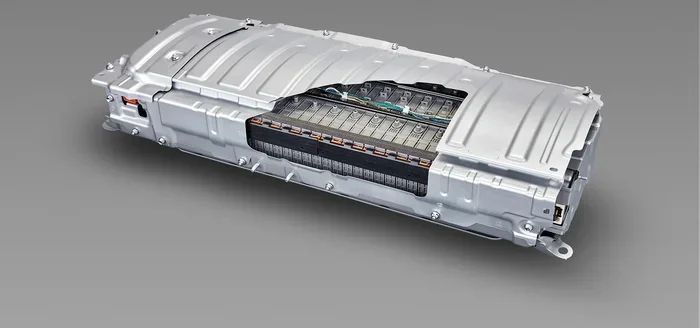
Your hybrid battery is usually located under the rear seat or in the trunk area. If you hear clicking, buzzing, or humming sounds coming from that area, pay attention.
Healthy batteries are nearly silent. A failing one can make grinding or whirring noises. These sounds often indicate internal damage to the hybrid battery modules. The sooner you get it checked, the better.
Reduced Electric-Only Driving Range
One of the best things about a Toyota hybrid is the ability to drive on electric power alone at low speeds. When the battery goes bad, this range shrinks. You might notice the gas engine kicks in much sooner than before.
For example, you used to glide silently for a quarter mile on electric power. Now the engine starts after just a few hundred feet. That is a clear sign your battery cells are not holding enough charge.
Battery Not Holding a Charge
This is a big one. A healthy Toyota hybrid battery should maintain its charge over time. If you find yourself needing to jump-start the car or if the battery dies after sitting for just a few days, that is a serious red flag.
Some owners notice the battery reads very low after the car has been sitting overnight. A slight drop is normal. But a significant drop means the battery cells are deteriorating.
Common Causes of Toyota Hybrid Battery Failure
Understanding what causes battery failure helps you prevent it. Not all battery problems happen the same way. Here are the most common culprits.
Age and Mileage
Just like your phone battery, a hybrid battery degrades with age. Most Toyota hybrid batteries last between 100,000 and 150,000 miles. Some last even longer with proper care. But after that point, capacity starts to decline.
If your car has high mileage, battery wear is expected. The key is knowing when the wear becomes a problem rather than just normal aging.
Extreme Temperatures
Heat is the number one enemy of hybrid batteries. Living in a hot climate or parking your car in direct sunlight for years can accelerate battery degradation. Cold weather also affects performance, though usually less severely.
If you live somewhere with extreme temperatures, your battery may need extra attention. Toyota hybrid maintenance should include periodic battery health checks, especially in harsh climates.
Driving Habits
How you drive matters more than you think. Constantly running the battery down to very low levels can damage the cells over time. Similarly, never letting the battery discharge at all can cause imbalances between cells.
Try to keep your driving habits balanced. Let the regenerative braking system do its job. Avoid letting the car sit unused for long stretches.
Poor Maintenance
Skipping regular service appointments is a sneaky cause of battery failure. During routine maintenance, technicians check the battery’s state of charge and look for early signs of trouble. When you skip these visits, small problems grow into big ones.
Following the recommended service schedule is one of the easiest ways to protect your investment.
How to Diagnose a Failing Hybrid Battery
If you suspect your battery is going bad, you have options for confirming it. You do not have to guess.
Use a Hybrid Diagnostic Tool
Toyota dealers and qualified mechanics can plug in a diagnostic scanner that reads hybrid-specific codes. This tool checks the state of charge across all battery modules. It also looks for cell imbalances and internal resistance levels.
A diagnostic scan takes about 15 minutes and gives you a clear picture of battery health. Ask your service advisor for a hybrid system check if you have any concerns.
Monitor the Battery Gauge Yourself
You can also keep an eye on the battery gauge on your dashboard. Most Toyota hybrids display the battery charge level in real time. Watch for patterns over several weeks.
If the gauge consistently shows lower readings than it used to, that is worth investigating. Keep a simple log of what you see. This information helps your mechanic enormously.
Visit a Toyota Dealership
For the most accurate diagnosis, visit a Toyota dealership. They have access to factory-level diagnostic equipment and trained technicians who specialize in hybrid systems.
You can take your Toyota to any dealership for service, which makes getting help more convenient than ever. A dealer can also check if your vehicle is still under warranty for battery coverage.
What to Do When Your Hybrid Battery Goes Bad
So the diagnosis is in. Your Toyota hybrid battery is indeed failing. Now what? You have several paths forward, and not all of them are expensive.
Option 1: Battery Reconditioning
In some cases, the battery does not need a full replacement. Reconditioning involves replacing only the worst-performing modules. This can restore much of the battery’s original capacity at a fraction of the cost.
This option works best when only a few cells are weak. A technician tests each module and swaps out the bad ones. The remaining good cells are reused.
Option 2: Full Battery Replacement
If the battery is severely degraded, a full replacement may be necessary. Toyota hybrid battery replacement cost varies widely. A new OEM battery can range from $2,000 to $4,000 or more, depending on the model.
Aftermarket options exist too and can be more affordable. Just make sure any replacement battery comes with a solid warranty.
Option 3: Keep Driving and Monitor
In mild cases, you might choose to keep driving while monitoring the battery closely. This is not ideal long-term, but it can buy you time if replacement is not in your budget right now.
Just be aware that a weak battery can put extra strain on the gas engine. This may lead to other problems down the road if left unchecked.
How to Extend Your Toyota Hybrid Battery Life
The best defense against battery failure is prevention. Here are practical steps you can take today to protect your hybrid battery.
Follow the Maintenance Schedule
Stick to Toyota’s recommended service intervals. Regular check-ups catch small issues before they become expensive repairs. During each service visit, ask the technician to assess your battery health.
Even if you wonder do I really need a 60000 mile service, the answer is yes. These milestone services include thorough battery inspections that keep your hybrid running strong.
Avoid Extreme Discharge
Try not to let your battery drop to very low levels on a regular basis. Keep the charge between 20 and 80 percent for optimal longevity. This simple habit can add years to your battery’s life.
Park Smart
Whenever possible, park your Toyota in a garage or shaded area. Protecting the battery from extreme heat and cold reduces stress on the cells. This is especially important in summer months.
Drive Regularly
Hybrid batteries perform best when the car is used regularly. If you have a second vehicle and your Toyota sits for weeks at a time, the battery can develop problems. Try to drive your hybrid at least a few times per week.
If you are concerned about long periods of inactivity, note that how long a hybrid can sit without being driven is a common question among owners. The general rule is to drive it at least once a week for 15 to 20 minutes to keep the battery healthy.
When to Replace vs. When to Repair
Deciding between repair and replacement can feel overwhelming. Here is a simple way to think about it.
Repair makes sense when the damage is localized. One or two weak modules do not mean the whole battery is dead. Replacing those modules is faster and cheaper.
Replacement becomes the better choice when multiple modules are failing or when the battery is very old. A new battery gives you a fresh start and peace of mind. Plus, Toyota often covers hybrid batteries with an 8-year or 100,000-mile warranty, so check your coverage first.
If you are dealing with a check engine light and are unsure whether it is battery-related, you can learn more about driving your Toyota Camry with the check engine light on to understand what risks are involved.
Final Thoughts on Toyota Hybrid Battery Health
Your Toyota hybrid battery is designed to last many years and tens of thousands of miles. But it is not indestructible. The key is catching problems early and taking action before a small issue becomes a big expense.
Watch your fuel economy. Pay attention to dashboard lights. Listen for unusual sounds. Keep up with regular maintenance. These simple habits go a long way toward keeping your hybrid battery healthy and strong.
Remember, your Toyota gives you all the tools you need to monitor battery health. The information is right there on your dashboard. You just need to pay attention. And when in doubt, trust a professional to run a hybrid system check and give you a clear answer.
Taking care of your hybrid battery today means a smoother, more efficient ride tomorrow. Your Toyota will thank you for it.
Frequently Asked Questions
How long does a Toyota hybrid battery typically last?
Most Toyota hybrid batteries last between 100,000 and 150,000 miles. With proper maintenance and good driving habits, some batteries exceed 200,000 miles. The key factors are climate, driving style, and regular service appointments.
What is the average cost to replace a Toyota hybrid battery?
A new OEM Toyota hybrid battery typically costs between $2,000 and $4,000. Aftermarket batteries can be less expensive. Many Toyota dealerships also offer refurbished battery options that cost significantly less than a brand-new unit.
Can I still drive my Toyota if the hybrid battery is failing?
Yes, in most cases you can still drive your Toyota with a failing hybrid battery. The gas engine will take over more of the work. However, fuel economy will drop and the car may run less smoothly. It is best to address the issue promptly.
Does Toyota cover hybrid battery replacement under warranty?
Toyota typically covers hybrid batteries with an 8-year or 100,000-mile warranty, whichever comes first. Coverage varies by model year and location. Check your specific warranty terms or ask your Toyota dealer for details.
Can a weak hybrid battery cause the check engine light to come on?
Yes, a weak or failing hybrid battery can trigger the check engine light. The hybrid system monitors battery health continuously. When it detects a problem, it stores a diagnostic code and illuminates the warning light on your dashboard.
Is it better to repair or replace a failing Toyota hybrid battery?
It depends on the severity of the damage. If only a few battery modules are weak, reconditioning or module replacement is a cost-effective option. If most modules are failing, a full replacement is usually the better long-term solution.