Do I Still Have to Carry Insurance on a Repossessed Car
Yes, you may still need insurance after repossession depending on your loan status and state laws. Forced placed insurance can hit you with expensive surprises if your lender thinks you dropped coverage. Understanding your insurance obligations after repossession saves money and protects your credit score.
Losing a car to repossession is stressful enough. But then another question hits you: do you still have to carry insurance on a repossessed car? The answer is not as simple as yes or no. It depends on your loan status, your state laws, and what exactly happened with the repossession process.
Many people assume that once their car is taken, all insurance requirements end. That is a dangerous assumption. Your lender might still want proof of coverage. Your state might still require you to carry insurance. And if you don’t, the consequences can be expensive. This guide breaks down everything you need to know about auto insurance after repossession. You will learn what forced placed insurance is, how to avoid it, and what steps to take right now.
Whether you are going through a repossession right now or it already happened, this article will help you understand your rights and obligations. Let us get into it.
Key Takeaways
- Lenders require insurance until the loan is paid off: Even after repossession, your lender may still enforce insurance requirements until the loan is fully settled.
- Forced placed insurance is costly: If your coverage lapses, the lender can buy insurance for you at a much higher rate.
- You may still owe money: Repossession doesn’t erase your loan balance. You could face a deficiency balance and still need insurance.
- State laws vary: Different states have different rules about insurance after repossession and vehicle ownership transfer.
- Credit score impact is real: Insurance lapses and repossession both hurt your credit in different ways.
- Non-owner insurance is an option: If you no longer have a car, this type of policy can keep you legally covered.
- Act quickly after repossession: The sooner you address insurance needs, the less money and stress you’ll face.
📑 Table of Contents
- What Happens When Your Car Gets Repossessed
- Do You Still Need Insurance After Repossession
- Forced Placed Insurance: What It Is and Why It Costs You
- How Repossession Affects Your Credit and Insurance
- What to Do If Your Car Was Just Repossessed
- Common Mistakes People Make After Repossession
- Quick Tips for Managing Insurance After Repossession
- Expert Insights on Insurance and Repossession
- Key Takeaways on Insurance After Repossession
- Conclusion
What Happens When Your Car Gets Repossessed
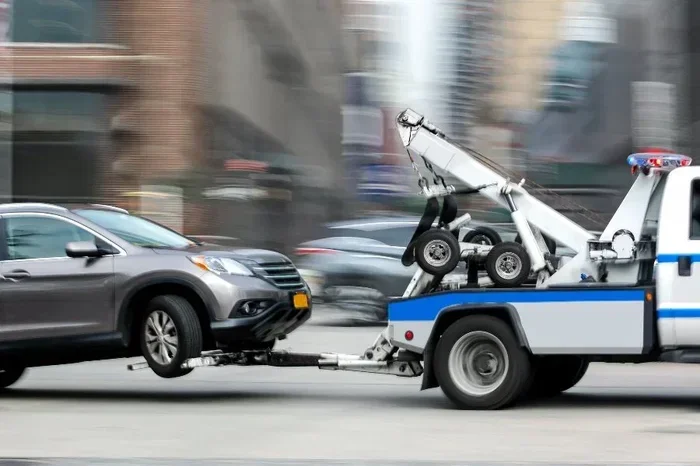
Before we talk about insurance, let us quickly cover what repossession actually means. When you default on your car loan payments, the lender has the legal right to take the vehicle back. This is called repossession. It can happen without warning in many states.
Here is a quick look at the repossession process:
- You miss one or more loan payments.
- The lender sends a notice of default.
- A repossession agent takes the vehicle.
- The lender sells the car at auction.
- The sale proceeds go toward your loan balance.
Sounds straightforward, right? But here is where it gets tricky. The auction sale price is almost always lower than what you still owe. This creates something called a deficiency balance. That means you still owe money even after the car is gone.
Voluntary Surrender vs. Involuntary Repossession
There are two ways a car gets repossessed. The first is involuntary. The lender sends someone to take your car without your permission. The second is voluntary surrender. You hand the keys back yourself.
Both options have similar effects on your credit score. But voluntary surrender can sometimes look slightly better on your credit report. It shows you took responsibility. Either way, your insurance obligations do not automatically disappear. You still need to understand what comes next.
What About the Loan Balance?
After repossession, the lender sells the car. If the sale does not cover the full loan amount, you still owe the difference. This is the deficiency balance. Some lenders sell this debt to collection agencies. Others try to collect it themselves.
Here is the key point. As long as you owe money on the loan, the lender may still consider you a borrower. And borrowers still need car loan insurance requirements to be met. This is why many people are surprised to get letters about insurance even after their car is gone.
Do You Still Need Insurance After Repossession
This is the big question. And the short answer is: it depends. Let us break it down by situation.
If the Loan Is Not Fully Paid Off
If your car was repossessed but the loan is not fully paid, you still have a financial obligation. The lender may require you to maintain insurance until the loan is settled. This is common in loan agreements. The lender wants to protect its investment.
Even though you no longer have the car, the lender still has a financial stake. They want to make sure they are protected if something happens. This is especially true if the car was sold at auction for less than the loan balance.
If the Loan Is Fully Paid Off
If the auction sale covered the full loan balance, congratulations. You no longer owe anything. In this case, you typically do not need to carry insurance for that vehicle anymore. The lender has no reason to require it.
However, you should still check your state laws. Some states require continuous insurance coverage on any registered vehicle. If the repossessed car was still registered in your name, you might need to cancel the registration or maintain insurance until it is transferred.
State Laws That Affect Insurance After Repossession
Every state has its own rules about car insurance. Some states require all drivers to carry state minimum insurance at all times. Others have different rules for vehicles that are no longer being driven.
Here are some common state-level considerations:
- Financial responsibility laws: Many states require you to maintain proof of financial responsibility, which often means insurance.
- Vehicle registration rules: If the car is still registered, you may need to keep insurance active.
- SR-22 requirements: Some states require an SR-22 filing after a repossession or lapse in coverage.
- Lienholder notification rules: Lenders must be notified of insurance changes in many states.
The best thing you can do is check with your state’s department of motor vehicles. They can tell you exactly what your legal insurance obligations are after repossession.
Forced Placed Insurance: What It Is and Why It Costs You
Forced placed insurance is one of the most frustrating things that can happen after repossession. It is also one of the most expensive. Here is how it works.
If your lender thinks your insurance has lapsed, they may buy a policy on your behalf. This is called forced placed insurance. The lender chooses the policy. You pay for it. And it almost always costs way more than regular insurance.
Why Forced Placed Insurance Is So Expensive
Forced placed insurance policies are designed to protect the lender, not you. They typically only cover the lender’s interest in the vehicle. They do not provide liability coverage, collision coverage, or any of the protections you would get from a normal policy.
These policies also come with high premiums. Because the lender is buying a bulk policy and passing the cost to you, you end up paying a markup. Some borrowers report paying two to three times what their regular insurance would have cost.
How to Avoid Forced Placed Insurance
Avoiding forced placed insurance is all about communication and proof. Here are some tips:
- Keep your insurance active until the loan is fully settled.
- Provide proof of insurance to your lender regularly.
- Respond quickly if your lender sends a notice about insurance.
- Ask your insurer about non-owner insurance if you no longer have a car.
- Keep records of all insurance communications.
Non-owner insurance is a great option if you no longer drive the repossessed vehicle. It provides liability coverage when you drive other people’s cars. It is much cheaper than a full auto policy. And it keeps you legally protected.
What If You Already Have Forced Placed Insurance
If you already have a forced placed policy on your account, do not panic. You can dispute it. Start by checking your insurance lapse timeline. If you never actually lapsed, you may have been incorrectly charged. Gather your proof of insurance and contact your lender.
You can also file a complaint with your state’s insurance regulator. They can investigate whether the forced placed insurance was properly issued. Many borrowers have successfully had forced placed insurance charges removed.
How Repossession Affects Your Credit and Insurance
Repossession does not just affect your wallet. It hits your credit score and your ability to get affordable insurance. Understanding these impacts helps you plan ahead.
The Credit Score Impact
A repossession can drop your credit score by 50 to 150 points. It stays on your credit report for seven years. During that time, getting new credit is harder and more expensive.
Your credit score also affects your insurance rates. Many insurers use credit-based insurance scores to set premiums. A lower credit score can mean higher insurance costs. So the effects of repossession ripple out in many directions.
Insurance Rate Changes After Repossession
Even if you do not need insurance for the repossessed car, your overall insurance profile changes. If you had a multi-car policy, removing the vehicle changes your rates. If you switch to non-owner insurance, your rates will be different.
Here are some things to keep in mind about insurance rates:
- Removing a car from your policy may lower your monthly premium.
- A lapse in coverage can raise your rates when you get new insurance.
- Non-owner policies are generally cheaper than standard auto policies.
- Shopping around after repossession can help you find better rates.
Insurance Coverage Gaps and Why They Matter
A coverage gap happens when you have no insurance between policies. Insurance companies see gaps as a red flag. They assume gaps mean higher risk. As a result, they charge more for coverage.
The best way to avoid a coverage gap is to plan ahead. If you know repossession is coming, talk to your insurer before the car is taken. You can often switch to non-owner coverage or a different policy type without any interruption.
What to Do If Your Car Was Just Repossessed
If your car was just repossessed, you probably have a lot of questions. Here is a step-by-step action plan to help you handle the insurance side of things.
Step 1: Check Your Loan Agreement
Go back to your original loan agreement. Look for the insurance requirements section. This will tell you exactly what your lender expects. Some loans require insurance until the balance is zero. Others release the insurance requirement once the car is taken.
Step 2: Contact Your Insurance Company
Call your insurance provider right away. Let them know about the repossession. Ask them what options are available. They can help you switch to a non-owner policy or cancel coverage on the repossessed vehicle.
Here are some questions to ask your insurer:
- Can I switch to non-owner insurance?
- Will canceling this policy affect my rates?
- Do I need to provide proof of new coverage to my lender?
- How do I cancel the policy on the repossessed vehicle?
Step 3: Notify Your Lender
Let your lender know what you are doing. If you are switching to non-owner insurance, send them proof. If you are canceling the policy, let them know why. Clear communication prevents forced placed insurance charges.
Step 4: Monitor Your Credit Report
After repossession, check your credit report for accuracy. Make sure the repossession is recorded correctly. Dispute any errors. And keep an eye on your credit score over time. As your score improves, your insurance options and rates will get better too.
Common Mistakes People Make After Repossession
There are some common mistakes that make the post-repossession period even harder. Avoiding these can save you money and stress.
Assuming Insurance Is No Longer Needed
Many people assume that once the car is gone, insurance is no longer required. This is not always true. If you still owe money on the loan, your lender may still require coverage. Failing to maintain insurance can lead to forced placed policies and extra charges.
Ignoring Lender Letters About Insurance
Your lender may send letters about insurance requirements after repossession. Do not ignore them. These letters often contain important deadlines and requirements. Responding quickly can prevent forced placed insurance and additional fees.
Letting Your Policy Lapse Without a Plan
Canceling your auto policy without a replacement plan is a big mistake. It creates a coverage gap. Coverage gaps hurt your credit-based insurance score. They also make future insurance more expensive. Always have a new policy lined up before canceling an old one.
Not Shopping Around for New Coverage
After repossession, many people stick with their current insurer out of habit. But rates change. New policies are available. Shopping around can save you hundreds of dollars a year. Use comparison tools and get quotes from at least three different providers.
Quick Tips for Managing Insurance After Repossession
- Act within 48 hours: Contact your lender and insurer as soon as repossession happens.
- Get proof of everything: Keep written records of all communications with your lender and insurer.
- Ask about non-owner policies: These are affordable and keep you legally covered.
- Check your state laws: Requirements vary by state, so know your local rules.
- Dispute forced placed insurance: If you were charged unfairly, fight it with documentation.
- Monitor your credit: Repossession affects your score. Regular monitoring helps you catch errors.
- Set reminders for loan updates: If you still owe a deficiency balance, track your payment schedule carefully.
Expert Insights on Insurance and Repossession
We spoke with a licensed insurance agent who has handled hundreds of post-repossession cases. Here is what they had to say:
“The number one mistake I see is people dropping all insurance after repossession without checking their loan status. If there is still a balance owed, the lender can and will step in with forced placed insurance. It is always cheaper to stay proactive and switch to a non-owner policy than to deal with the fallout of a forced placed policy.”
They also emphasized the importance of understanding your co-signer insurance obligations. If someone co-signed your loan, they may still be affected by insurance lapses. Always check the full scope of your loan agreement before making any changes to your coverage.
Key Takeaways on Insurance After Repossession
- You may still need insurance: If your loan is not fully paid, your lender may require coverage until the balance is settled.
- Forced placed insurance is expensive: Avoid it by maintaining active coverage or switching to non-owner insurance.
- State laws matter: Your state’s requirements determine whether you need insurance after repossession.
- Communication is key: Keep your lender and insurer informed to avoid surprises.
- Non-owner insurance is a smart option: It keeps you covered without the cost of a full auto policy.
- Act quickly: The sooner you address your insurance needs, the less money you will lose.
Conclusion
So, do you still have to carry insurance on a repossessed car? The answer depends on your loan balance, your state laws, and the terms of your agreement. One thing is clear: ignoring insurance after repossession is a costly mistake.
Auto insurance after repossession is not something you should guess about. Whether you switch to non-owner coverage, maintain your existing policy, or cancel it altogether, make sure you do it with a plan. Understand your car loan insurance requirements. Know your state’s rules. And keep your lender in the loop.
The post-repossession period is already stressful enough. You do not need the added burden of unexpected insurance bills or credit score damage. Take the steps outlined in this guide. Protect yourself financially. And move forward with confidence.
Your car may be gone, but your financial future does not have to suffer. Stay informed, stay proactive, and make smart insurance decisions going forward.
Frequently Asked Questions
Can I cancel my car insurance immediately after repossession?
It depends on your loan agreement and state laws. If you still owe money on the loan, canceling insurance immediately can trigger forced placed insurance charges. Check your loan terms first. Then talk to your insurer about switching to a non-owner policy or canceling at the right time.
What is forced placed insurance and how does it work?
Forced placed insurance is a policy your lender buys on your behalf if they believe your insurance has lapsed. It protects the lender’s interest, not yours. It is usually much more expensive than regular insurance and offers minimal coverage. You pay the premiums, often through your loan account.
Will repossession affect my ability to get car insurance later?
Repossession itself does not directly affect your ability to get insurance. But it can lower your credit score, which many insurers use to set rates. A lower credit score can lead to higher premiums. Shopping around and maintaining continuous coverage can help offset this impact.
Do I need SR-22 insurance after repossession?
Some states require an SR-22 filing after a lapse in coverage or a serious violation. Repossession alone does not always require SR-22. But if your state sees the insurance lapse as a violation, you may need to file one. Check with your state’s DMV for specific requirements.
How long does a repossession stay on my credit report?
A repossession stays on your credit report for seven years from the date of the first missed payment that led to the repossession. During that time, it can lower your credit score and affect your ability to get favorable insurance rates. Focusing on rebuilding your credit can help mitigate these effects over time.
Can my co-signer’s insurance cover a repossessed vehicle?
Generally, no. Once the vehicle is repossessed, it is no longer your insured vehicle. The co-signer’s policy would not apply to a car they no longer have possession of. However, the co-signer may still be financially responsible for the loan, so their obligations do not end with the repossession.